Soil Stabilization & Road Construction Knowledge Center
Subgrade Stabilization Machine: Complete Guide for Weak Road Foundations
For subgrade stabilization machine, define the soil condition, treatment depth, stabilization method, moisture or binder plan, supporting fleet and quality-control requirements before choosing equipment. The machine should be matched to the complete construction process rather than selected from power or working width alone.
- Start with soil investigation
- Production sequence on site
- Drainage and long-term performance
- Project planning questions to answer first
- Field setup and test section
- Common mistakes that reduce stabilization quality
- Safety and jobsite coordination
- Quality control and documentation
- Productivity and cost control
- How to prepare a supplier quotation request
- How material variability changes the operating plan
- Why supporting equipment affects the stabilizer result
- Environmental and site-condition considerations
- Inspection points during a production shift
- Decision checklist before final equipment selection
- Training operators for consistent production
- Project economics and production risk
- Final pre-production review
Start with soil investigation
Soil stabilization works best when the construction team understands the failure mechanism. Soft wet clay, loose sand and poorly graded road base can all feel weak under equipment, but they may require different corrective approaches. The machine choice should follow that diagnosis.
For subgrade stabilization machine, the practical decision is to translate this point into measurable field requirements such as treatment depth, material condition, production rate and inspection method. Doing that keeps equipment selection tied to project performance rather than to a generic product description.
Production sequence on site
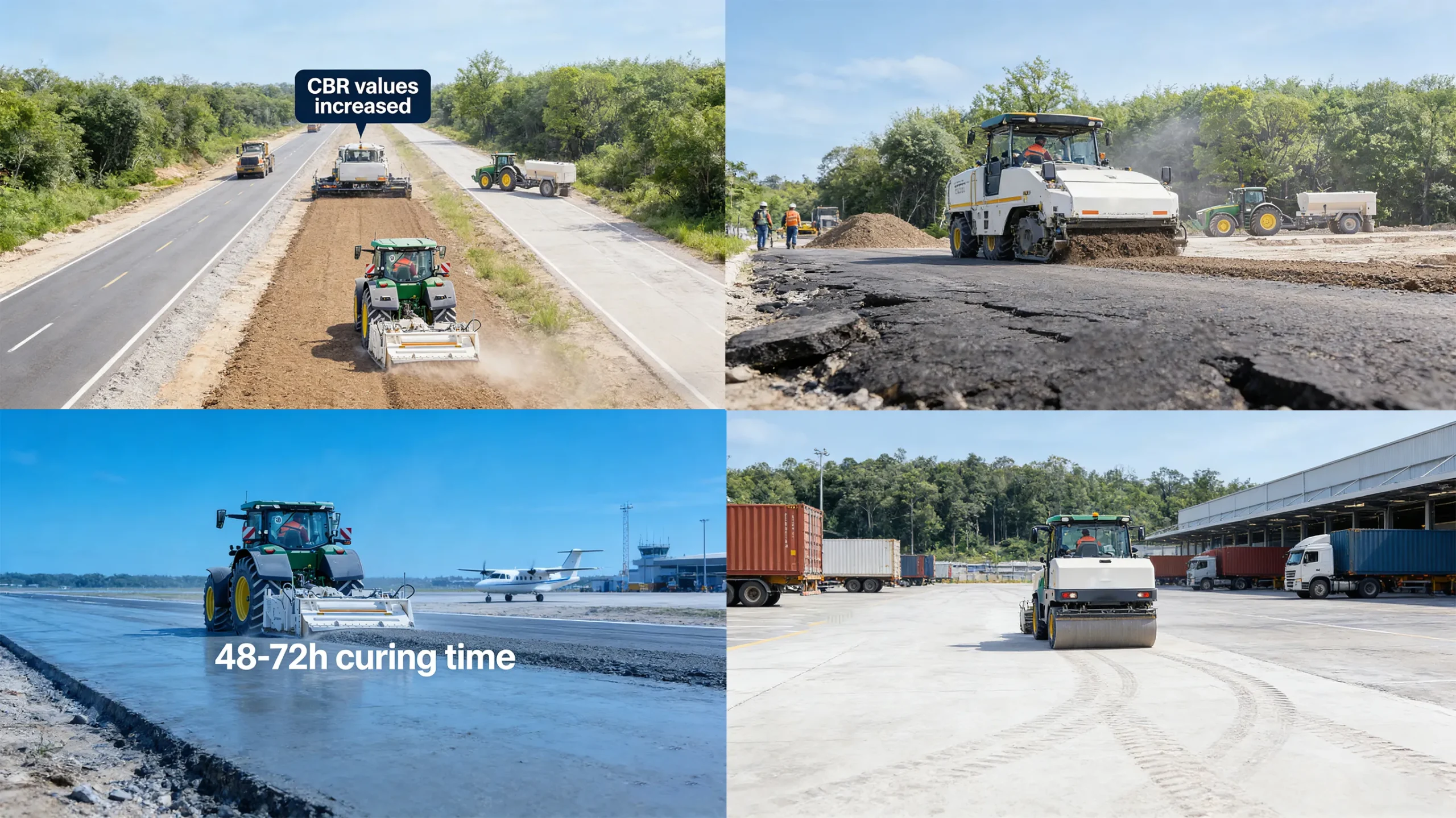
A practical sequence typically includes preparation, binder or water application where required, mixing to the design depth, grading and compaction. Each stage should cover an area small enough that the following operation can keep pace. Long delays between steps can allow moisture or chemical conditions to move away from the design intent.
For subgrade stabilization machine, the practical decision is to translate this point into measurable field requirements such as treatment depth, material condition, production rate and inspection method. Doing that keeps equipment selection tied to project performance rather than to a generic product description.
Drainage and long-term performance
Heavy traffic applications need particular attention to edge support and drainage because concentrated loads can expose weak zones quickly. Uniform treatment across the full width is more important than producing excellent results only in the center of the lane.
For subgrade stabilization machine, the practical decision is to translate this point into measurable field requirements such as treatment depth, material condition, production rate and inspection method. Doing that keeps equipment selection tied to project performance rather than to a generic product description.
Project planning questions to answer first
For subgrade stabilization machine, start by defining the engineering objective in plain language. Is the project trying to dry weak soil, improve bearing behavior, reuse an existing road, reduce plasticity, create a working platform, or distribute a designed binder treatment? The answer changes the equipment and supporting fleet that are appropriate.
Record the expected soil types, project dimensions, required treatment depth, available water, binder plan where applicable, and the compaction equipment that will follow the stabilizer. A machine quotation becomes much more useful when the supplier can see how the equipment fits into the entire construction sequence.
Site access and transport should also be considered. A machine that is ideal for a long highway project may be unnecessarily difficult to move around small industrial sites. Matching the machine to the physical jobsite reduces nonproductive time.
For subgrade stabilization machine, the practical decision is to translate this point into measurable field requirements such as treatment depth, material condition, production rate and inspection method. Doing that keeps equipment selection tied to project performance rather than to a generic product description.
Field setup and test section
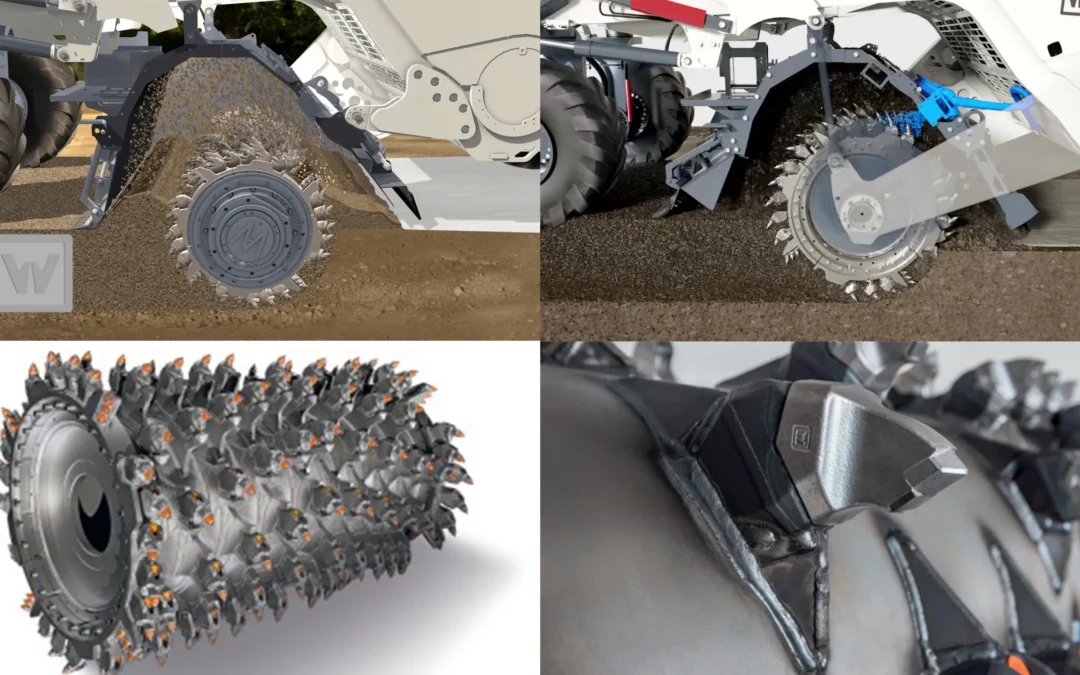
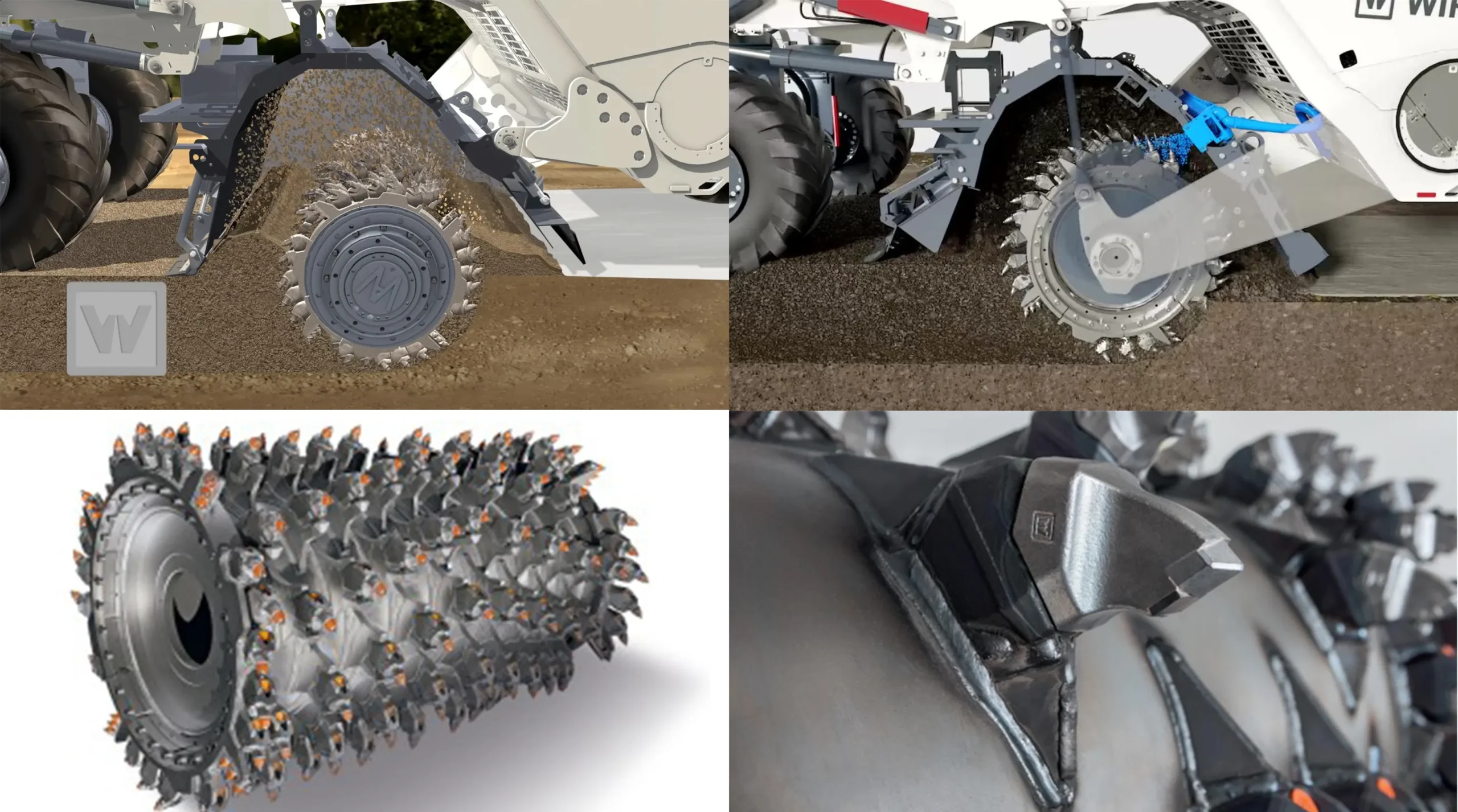
Before full production on subgrade stabilization machine, establish a short test section. Use it to verify working depth, forward speed, rotor behavior, pulverization, moisture and compaction response. Where a binder is used, confirm that spreading and mixing procedures produce a visually uniform layer before committing a large area.
The test section should be documented. Record machine settings, number of passes, material condition and any field test results required by the project. These notes become the baseline for the main production area and help new operators understand the approved method.
If soil conditions change substantially, repeat the evaluation rather than assuming the original settings remain optimal. Stabilization quality depends on adapting the operation to the material.
For subgrade stabilization machine, the practical decision is to translate this point into measurable field requirements such as treatment depth, material condition, production rate and inspection method. Doing that keeps equipment selection tied to project performance rather than to a generic product description.
Common mistakes that reduce stabilization quality
One recurring mistake in subgrade stabilization machine is focusing on the stabilizer while ignoring spreading, moisture control, grading or compaction. A well-mixed layer can still fail the project requirement when the binder rate is uneven or the roller cannot achieve the required density.
Another mistake is working deeper than the design in the belief that more treatment must be better. Deeper mixing can dilute a fixed binder application and increase machine load. Treatment depth should follow the engineered requirement and be checked during production.
A third mistake is allowing worn tools to remain in service too long. Poor pulverization is sometimes blamed on soil hardness when the real problem is uneven or exhausted rotor tooling.
For subgrade stabilization machine, the practical decision is to translate this point into measurable field requirements such as treatment depth, material condition, production rate and inspection method. Doing that keeps equipment selection tied to project performance rather than to a generic product description.
Safety and jobsite coordination
Soil stabilizers, recyclers and spreaders operate around rotating tools, heavy equipment and fine powders. Operators should follow the machine manual, keep guards in place and isolate the machine before inspecting the rotor or driveline. Binder handling should follow the safety information for the material and applicable local requirements.
Traffic control matters on road projects because stabilizers can occupy a large working width and may reverse or reposition frequently. Spotters and clearly defined work zones help keep trucks, graders and rollers from entering the rotor operating area.
Dust and visibility should be managed proactively, particularly when lime, cement or very dry soil is involved. Safety controls also support quality because excessive airborne binder represents material that is no longer in the treatment layer.
For subgrade stabilization machine, the practical decision is to translate this point into measurable field requirements such as treatment depth, material condition, production rate and inspection method. Doing that keeps equipment selection tied to project performance rather than to a generic product description.
Quality control and documentation
Quality control for subgrade stabilization machine should be linked to the project specification. Typical checks may include treatment depth, binder application where used, moisture, pulverization, compaction and finished grade. The exact tests and acceptance limits vary by project, so generic values should not replace the approved design.
Production records should identify the area treated, machine settings, binder consumption, water use and unusual material conditions. This information makes it possible to investigate a failed test or weak zone without guessing what happened.
Good documentation also improves estimating. Contractors who know tool consumption, production rates and water or binder usage from past projects can prepare more reliable future bids.
For subgrade stabilization machine, the practical decision is to translate this point into measurable field requirements such as treatment depth, material condition, production rate and inspection method. Doing that keeps equipment selection tied to project performance rather than to a generic product description.
Productivity and cost control
Daily output for subgrade stabilization machine depends on the full fleet. Binder spreading, water addition, grading and compaction must keep pace with the stabilizer. A faster rotor machine does not automatically reduce project duration if another operation controls the production rate.
Fuel and wear-tool consumption increase when the machine is forced through hard material, deep treatment or excessive forward speed. The lowest cost per treated area is usually achieved by a stable production rhythm rather than by maximizing one machine’s instantaneous speed.
Downtime should be included in planning. Carrying normal wear tools and critical service parts on site can prevent a small maintenance issue from stopping the entire stabilization train.
For subgrade stabilization machine, the practical decision is to translate this point into measurable field requirements such as treatment depth, material condition, production rate and inspection method. Doing that keeps equipment selection tied to project performance rather than to a generic product description.
How to prepare a supplier quotation request
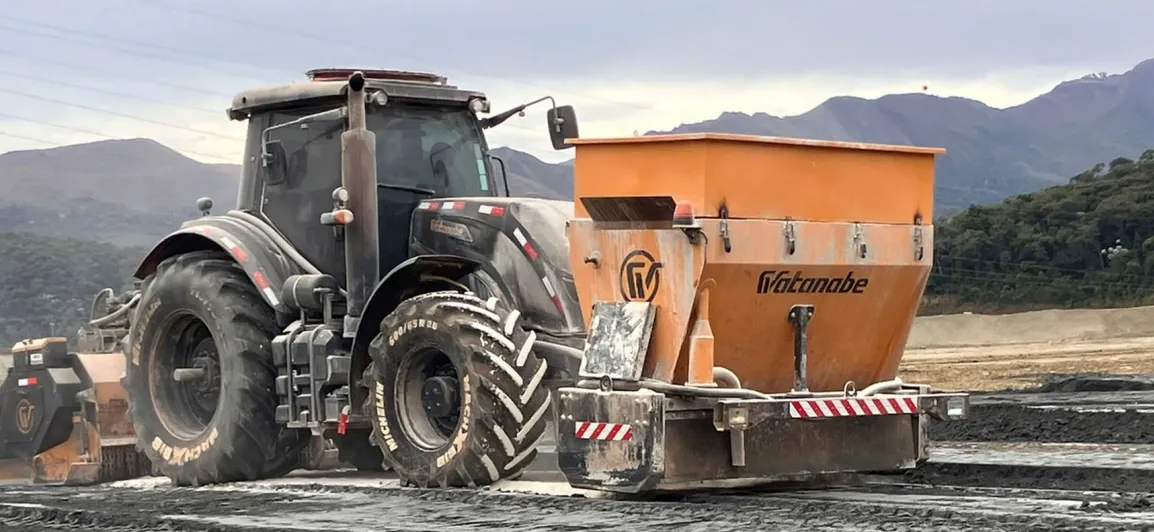
A useful quotation request for subgrade stabilization machine should include soil type, typical working depth, project area, desired daily production, whether binders will be used, the intended application, destination country and any carrier or tractor information required for an attachment.
For reclamation work, include existing pavement thickness and whether oversize stone is expected. For binder spreaders, include the intended material and required spread width. For small projects, transport dimensions may be as important as peak production capacity.
Ask the supplier to identify included wear tools, recommended spare parts, maintenance intervals and commissioning support. This information helps compare machines on lifetime practicality rather than headline specifications alone.
For subgrade stabilization machine, the practical decision is to translate this point into measurable field requirements such as treatment depth, material condition, production rate and inspection method. Doing that keeps equipment selection tied to project performance rather than to a generic product description.
How material variability changes the operating plan
No two project sections behave exactly the same. On subgrade stabilization machine, moisture, clay content, stone content and previous construction layers can change within a short distance. The operator should watch rotor load, particle size and surface appearance as indicators that the material has changed.
When resistance increases, slowing the machine or reducing the depth per pass may improve mixing. When the material becomes softer or already pulverized, the same settings may create unnecessary fuel use and tool wear. The goal is a consistent treated layer, not a constant travel speed.
Supervisors should mark unusual zones and keep them in the production record. If later testing identifies a weak area, those observations can help determine whether the cause was material variability, moisture, binder distribution or compaction.
For subgrade stabilization machine, the practical decision is to translate this point into measurable field requirements such as treatment depth, material condition, production rate and inspection method. Doing that keeps equipment selection tied to project performance rather than to a generic product description.
Why supporting equipment affects the stabilizer result
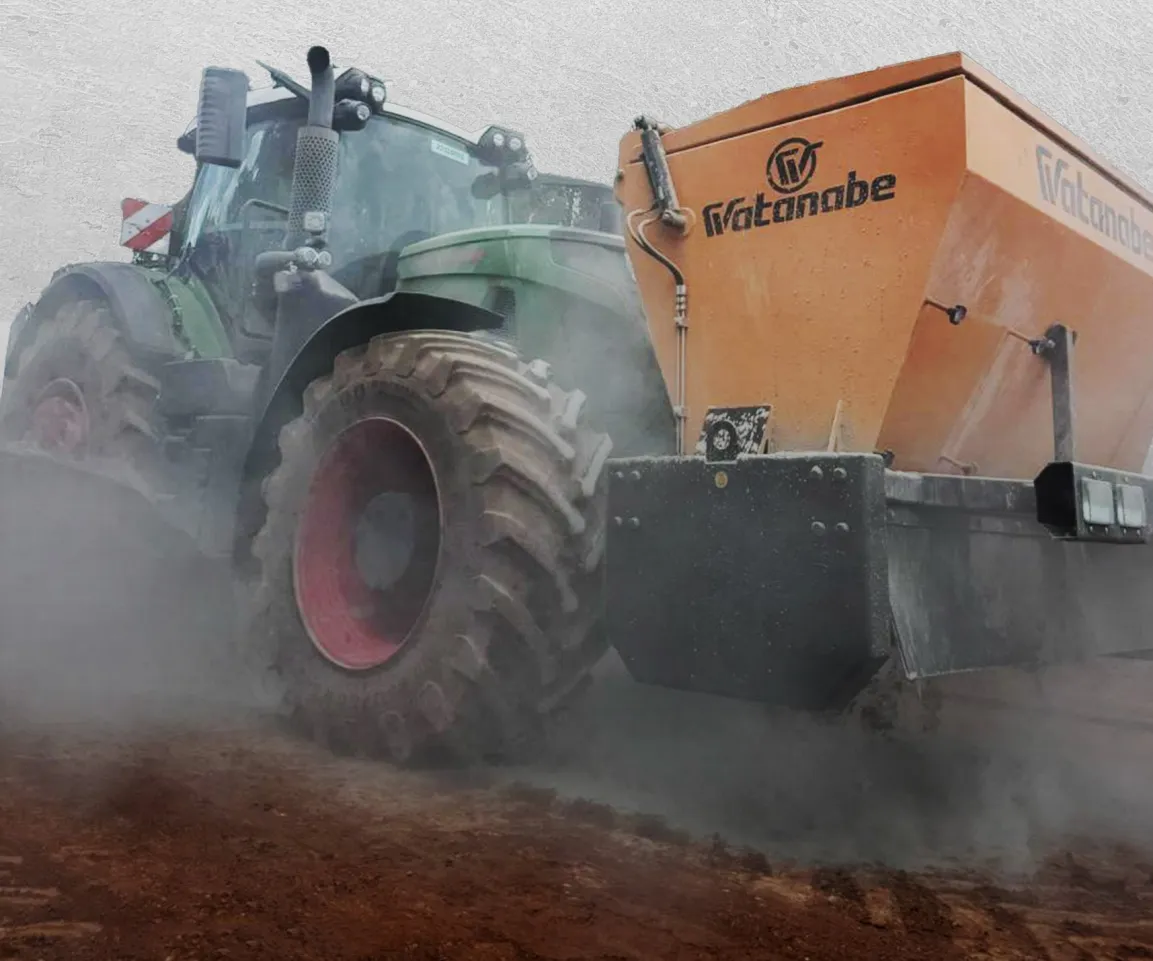
A soil stabilizer rarely works alone. Water trucks influence moisture, binder spreaders control chemical addition, graders shape the mixed layer and rollers develop density. The performance of subgrade stabilization machine therefore depends on how well these machines are sequenced.
If the water truck cannot supply enough water, the stabilizer may repeatedly remix dry material without solving the compaction problem. If the grader works too far behind, traffic can disturb the treated surface. If the roller arrives late, some chemically treated materials may lose workable time.
Production planning should identify the likely bottleneck before work begins. Balancing the fleet usually creates more reliable output than oversizing the stabilizer alone.
For subgrade stabilization machine, the practical decision is to translate this point into measurable field requirements such as treatment depth, material condition, production rate and inspection method. Doing that keeps equipment selection tied to project performance rather than to a generic product description.
Environmental and site-condition considerations
Construction teams using subgrade stabilization machine should plan for dust, runoff, noise and material containment. Fine binder and dry pulverized soil can travel beyond the treatment lane in windy weather, while sudden rain can wash unincorporated material away from the intended area.
Work should be organized so exposed binder or freshly mixed soil is not left vulnerable longer than necessary. Site drainage should also prevent water from concentrating in the treated layer before compaction or curing is complete.
Project-specific environmental controls and local rules take precedence over general operating advice. The equipment plan should be flexible enough to pause when weather or site conditions make compliant, uniform treatment difficult.
For subgrade stabilization machine, the practical decision is to translate this point into measurable field requirements such as treatment depth, material condition, production rate and inspection method. Doing that keeps equipment selection tied to project performance rather than to a generic product description.
Inspection points during a production shift
At the start of a shift, inspect wear tools, holders, rotor area, driveline guards, hydraulic hoses and fluid levels according to the machine instructions. During production, watch for changes in vibration, sound, temperature and material discharge. These observations can identify a developing issue before it becomes a breakdown.
The treated surface should also be inspected. Streaks, large clods, visible binder pockets or inconsistent moisture can indicate a process problem even when the machine itself appears to be running normally.
At shift end, record wear-tool changes and maintenance performed. Repeated wear in one rotor zone may point to uneven tool loading or an operating pattern that should be corrected.
For subgrade stabilization machine, the practical decision is to translate this point into measurable field requirements such as treatment depth, material condition, production rate and inspection method. Doing that keeps equipment selection tied to project performance rather than to a generic product description.
Decision checklist before final equipment selection
Before purchasing equipment for subgrade stabilization machine, confirm that the proposed machine can meet the required treatment depth in the expected material, not only in soft demonstration soil. Verify working width, transport dimensions, carrier requirements, wear-tool availability and the service procedures for rotor and driveline components.
Ask how the machine is expected to perform in wet cohesive soil, dry granular material and rocky zones if those conditions occur on your projects. A supplier should be able to explain which tool configuration or operating adjustment is appropriate without promising that one setup is ideal for every ground condition.
Finally, compare ownership support. Spare parts, technical documentation and access to service information can determine whether the machine remains productive after the first season.
For subgrade stabilization machine, the practical decision is to translate this point into measurable field requirements such as treatment depth, material condition, production rate and inspection method. Doing that keeps equipment selection tied to project performance rather than to a generic product description.
Training operators for consistent production
Operators working on subgrade stabilization machine should understand more than the machine controls. They need to recognize how soil condition changes rotor load, how forward speed affects pulverization, and how depth errors influence binder concentration and compaction. Training should therefore combine control familiarization with observation of the treated material.
A new operator can begin on a documented test strip where an experienced supervisor explains the relationship between machine sound, engine load, surface texture and mixing quality. This makes the operator less dependent on fixed settings and better able to respond when the material changes.
Shift handovers should include notes on current depth, speed, tool condition, moisture and any unusual zones. Consistent communication helps the next operator continue the approved process instead of starting from assumptions.
For subgrade stabilization machine, the practical decision is to translate this point into measurable field requirements such as treatment depth, material condition, production rate and inspection method. Doing that keeps equipment selection tied to project performance rather than to a generic product description.
Project economics and production risk
The economics of subgrade stabilization machine are shaped by more than hourly machine cost. Production rate, wear-tool consumption, binder use, water supply, supporting equipment and the cost of rework all influence the final cost per treated area. Contractors should track these variables separately so future estimates are based on field experience.
Weather and material variability create schedule risk. A machine with a slightly higher purchase price may be economically attractive when it offers better reliability or faster tool replacement, while a lower-cost machine can be suitable when projects are small and downtime consequences are limited.
The best financial comparison is project based. Estimate how many operating days, transport moves, tool changes and support machines are required for the expected annual workload, then compare ownership alternatives on that complete basis rather than on purchase price alone.
For subgrade stabilization machine, the practical decision is to translate this point into measurable field requirements such as treatment depth, material condition, production rate and inspection method. Doing that keeps equipment selection tied to project performance rather than to a generic product description.
Final pre-production review
Before beginning full production for subgrade stabilization machine, hold a short review with the operator, supervisor, quality-control staff and supporting-equipment crews. Confirm the approved treatment depth, the expected soil condition, any binder or water plan, the test-section results, the inspection frequency and the response if material conditions change.
This final review reduces avoidable variation because everyone starts with the same operating assumptions. It also creates a clear point at which unresolved issues can be corrected before a large area is treated.
The review should be repeated when the project moves into a distinctly different soil zone or when major machine settings, binder materials or supporting equipment change.
For subgrade stabilization machine, the practical decision is to translate this point into measurable field requirements such as treatment depth, material condition, production rate and inspection method. Doing that keeps equipment selection tied to project performance rather than to a generic product description.
| Control point | What to verify | Why it matters |
|---|---|---|
| Material | Soil type, gradation, moisture and oversize | Controls treatment choice and machine load |
| Mixing | Depth, forward speed and pulverization | Determines treatment uniformity |
| Binder | Type, rate and distribution where required | Influences final material behavior |
| Compaction | Moisture, density and timing | Creates a stable finished layer |
Frequently asked questions
What should be checked first for subgrade stabilization machine?
Start with soil type, moisture, required treatment depth and the engineering objective. Those factors determine whether the project needs mechanical mixing, binder treatment, reclamation or a combination of methods.
Is a soil stabilizer enough by itself to finish a stabilized layer?
No. Stabilization normally works with moisture or binder control where required, followed by grading and compaction. The exact sequence depends on the approved construction method.
How important are rotor teeth and wear parts?
They are critical because worn or missing tools reduce pulverization and mixing quality and can increase vibration and power demand.
Should binder dosage be selected from a general rule?
No. Binder type and dosage should follow project design and appropriate soil testing. Generic percentages are not a substitute for engineering evaluation.
Need help selecting soil stabilization equipment?
Send your soil type, treatment depth, project area, binder method, required daily production and destination. Our team can help organize the specification needed for a practical quotation.