Introduction: The High-Stakes Environment of Soil Stabilization
Operating a soil stabilizer machine is one of the most demanding tasks in modern civil engineering and infrastructure development. These gargantuan machines, often boasting engines with over 500 horsepower and massive high-torque rotors, are engineered to pulverize the earth and mix it with chemical binders like lime or cement in a single, high-energy pass. While the efficiency of a soil stabilizer is unparalleled for creating durable road foundations, the sheer mechanical forces involved present significant safety risks. Every rotation of the drum, every liter of binder injected, and every movement of the chassis involves a complex interplay of physics and chemistry that, if mismanaged, can lead to catastrophic accidents. Therefore, establishing a culture of safety is not merely a regulatory requirement but a fundamental necessity for protecting lives and high-value equipment assets.
The complexity of these machines arises from their dual nature: they are both powerful excavators and mobile chemical processing plants. This means that operators and ground crews must be vigilant against mechanical hazards, such as rotating parts and high-pressure hydraulics, as well as chemical hazards associated with caustic binders. In regions like Brazil, where vast infrastructure projects often traverse remote and challenging terrains, the isolation of the site further amplifies the need for rigorous safety protocols. A single mechanical failure or a lapse in communication in a remote Amazonian or Serrana region can have dire consequences. This article provides a comprehensive deep-dive into the essential safety precautions required for soil stabilization operations, bridging the gap between raw mechanical power and safe project execution.
Phase 1: Pre-Operational Site Assessment and Mechanical Audits
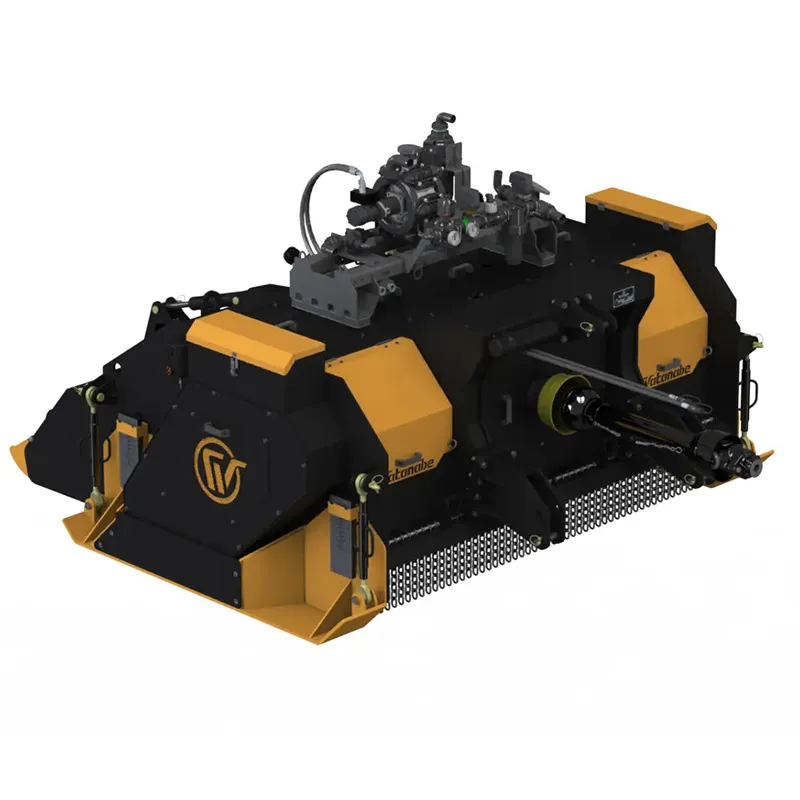
Safety begins long before the engine is ignited. The primary precaution in any soil stabilization project is a thorough site survey. Subsurface utilities, such as high-pressure gas lines, fiber optic cables, and water mains, are the silent killers of the construction industry. A soil stabilizer’s rotor can penetrate up to 50 centimeters into the ground with enough force to shear through reinforced concrete or metal conduits. Striking a buried utility doesn’t just damage the machine; it can result in explosions, electrocution, or environmental disasters. Therefore, the use of ground-penetrating radar (GPR) and detailed utility maps is mandatory. Furthermore, the surface of the site must be cleared of large debris. If the terrain is particularly rocky, utilizing a rock rake beforehand is an essential safety-prep step to remove oversized boulders that could cause the stabilizer to “kick back” or experience catastrophic rotor failure.
Equally critical is the mechanical audit of the machine itself. Operators must perform a “Circle of Safety” inspection, checking for hydraulic leaks, loose carbide teeth on the rotor, and the integrity of the mixing chamber’s curtains. Hydraulic systems in stabilizers operate at extreme pressures; a pinhole leak can cause a “hydraulic injection injury,” where fluid is forced into the skin, often leading to amputation if not treated as a surgical emergency. The mixing rotor teeth must be inspected for wear and fracture. A fractured tooth can be ejected from the mixing chamber at ballistic speeds if the side curtains are damaged. At Brazil Agricultural Balers Co.,Ltd, we emphasize that a well-maintained machine is inherently a safer machine. If the project requires processing recycled materials or old asphalt, ensuring that a stone crusher has pre-processed the material can significantly reduce the mechanical strain and unpredictable vibration levels on the stabilizer, further enhancing operational safety.
Phase 2: Operational Safety and Binder Management
During the actual stabilization process, the “Exclusion Zone” is the most vital safety concept. No personnel should be within 15 to 20 meters of the machine while the rotor is engaged. Modern soil stabilizers are surprisingly quiet from the outside, but the vibration they transmit through the ground can disorient workers. The danger of “pinch points” is extreme; as the machine moves, it often works in tandem with a binder tanker or a water truck connected by a push bar and hoses. This “train” of heavy machinery creates a dangerous environment for ground crews. Communication must be maintained via high-visibility hand signals or, preferably, two-way radio headsets that block out engine noise while allowing for clear verbal commands. If an operator loses sight of a ground worker, they must execute an immediate “All Stop.”
Binder management introduces a chemical layer of risk. When lime or cement is used for stabilization, it is often spread in powder form or injected as a slurry. Lime, in particular, is highly caustic. In contact with sweat or moisture in the eyes and lungs, it creates an exothermic reaction that can cause severe chemical burns. Proper Personal Protective Equipment (PPE) is non-negotiable: this includes chemically resistant coveralls, face shields, and P100-rated respirators to prevent dust inhalation. For projects in windy conditions, stabilization must be halted if the binder dust cannot be contained, as it poses a risk to the public and the environment. Advanced stabilizers use closed-loop injection systems to minimize dust, but the connection points for hoses remain high-risk areas for accidental exposure during tanker changeovers.
Managing High-Torque Rotor Hazards
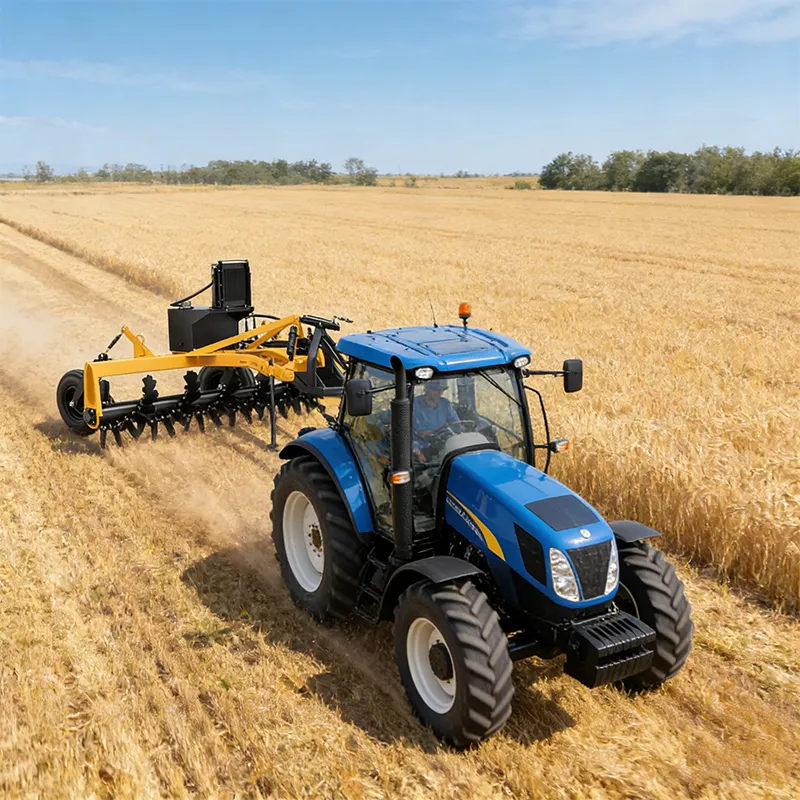
The rotor is the “business end” of the stabilizer and its most dangerous component. Safety precautions regarding the rotor extend to the “Lock-Out Tag-Out” (LOTO) procedures during maintenance. Never, under any circumstances, should anyone attempt to inspect the rotor or change its teeth without the engine being completely shut down and the ignition key in the operator’s pocket. The inertia of a large drum means it can continue to spin for several seconds after the power is cut. Furthermore, the rotor housing curtains must be kept in perfect repair. These curtains are designed to contain pulverized soil and rocks. If they are torn, the machine effectively becomes a giant centrifuge that can hurl debris at nearby traffic or workers. Safety also dictates that the rotor depth be increased gradually; hitting a hard-pan layer or a hidden concrete slab too quickly can cause the machine to “hop,” potentially leading to a loss of steering control.
Phase 3: Case Study – The BR-163 Highway Safety Protocol
In a significant infrastructure project along a stretch of the BR-163 highway in Brazil, a local contractor faced the challenge of stabilizing highly expansive clay soils during a window of unpredictable weather. The project utilized a fleet of high-performance soil stabilizers to mix lime to a depth of 40 centimeters. The case study highlights the importance of the “Safety First, Production Second” mentality. During the third week of operations, one of the ground sensors detected a sudden increase in rotor vibration. Instead of pushing through to meet the daily quota, the operator followed the safety protocol and performed an immediate shutdown. Upon inspection using LOTO procedures, it was found that the rotor had snagged a buried, unmapped steel reinforcement from an old culvert.
Because the exclusion zone was strictly enforced, no ground crew was near the machine when the vibration occurred, and the robust rotor housing curtains prevented metal shards from escaping when the steel was sheared. This incident could have resulted in a multi-million dollar machine loss and severe injuries. Instead, after using a specialized stone crusher and excavation equipment to clear the obstruction, the project resumed with zero injuries. This case demonstrates that safety precautions are not a hindrance to productivity; rather, they are the enablers of project continuity. It also underscored the importance of pre-clearing the path—a lesson that led the team to deploy a rock rake for the remaining sections of the road to identify subsurface obstructions before the stabilizer arrived.
Phase 4: Post-Operational Shutdown and Emergency Preparedness
Safety does not end when the workday is over. The shutdown procedure for a soil stabilizer is a multi-step process designed to prevent future hazards. The rotor must be cleaned of built-up soil and binder residue; if left to harden, this material can create an imbalanced drum that causes dangerous vibrations during the next startup. Cleaning must be done with high-pressure water from a safe distance, or manually only under strict LOTO controls. Furthermore, the machine should be parked on level, stable ground. Because these machines are extremely heavy, parking on soft, freshly stabilized soil that hasn’t fully cured can result in the machine sinking or tipping overnight, creating a major hazard for the next shift.
Emergency preparedness is the final, crucial precaution. Every soil stabilizer should be equipped with an easily accessible fire extinguisher and a comprehensive first-aid kit that includes eye-wash stations specifically designed for neutralizing caustic binders. All personnel on-site must be trained in the location of “Emergency Stop” buttons, which are typically found both in the cabin and at several points around the exterior of the chassis. In agricultural settings, such as when preparing a field for a potato digger or a potato harvester, the same construction-grade safety standards must apply. The stability of the ground for the following machinery depends on the quality of the stabilization, but the safety of the process depends on the discipline of the team.
Conclusion: Building a Culture of Safety Excellence
In conclusion, the operation of a soil stabilizer machine represents the pinnacle of earthmoving technology, but it requires a corresponding pinnacle of safety awareness. From the initial site assessment and utility mapping to the rigorous management of chemical binders and mechanical maintenance, every step must be viewed through the lens of risk mitigation. The advantages of using a stabilizer—increased road durability, lower material costs, and rapid project completion—can only be realized if the project remains accident-free. Safety is a collective responsibility that starts with the manufacturer’s engineering and extends through to the operator’s intuition and the ground crew’s vigilance.
By integrating advanced pre-processing equipment like rock rakes and stone crushers, and by adhering to strict LOTO and exclusion zone protocols, contractors can master the power of soil stabilization. Whether the goal is to build a trans-continental highway or to optimize the soil for high-efficiency agricultural tools like a potato harvester, the fundamental principle remains: respect the machine, respect the chemistry, and prioritize the human element. At Brazil Agricultural Balers Co.,Ltd, we are committed to not only providing the world’s most robust machinery but also the knowledge and protocols to operate them with absolute safety and professional excellence.
About Brazil Agricultural Balers Co.,Ltd
Brazil Agricultural Balers Co.,Ltd is a premier manufacturer and global supplier of heavy-duty machinery tailored for the construction and agricultural sectors. With our roots in the robust industrial landscape of Brazil, we specialize in high-performance equipment designed to conquer the world’s toughest soil conditions. Our commitment to engineering excellence and safety has made us a trusted partner for large-scale infrastructure projects and modern agricultural enterprises worldwide.
Our comprehensive product range includes:
- Soil Stabilizer Machine
- Stone Crusher
- Rock Rake & Rock Pickers
- Rotavator
- Potato Furrower
- Fertilizers
- Rotary Cultivator
- Potato Planter
- Potato Diggers & Potato Harvester
- Compost Barn
At Brazil Agricultural Balers Co.,Ltd, we provide the mechanical power to build foundations that last. Contact us today to learn more about our innovative solutions for your ground stabilization and agricultural needs.