In the expansive fields of civil engineering and modern large-scale agriculture, the foundation of every successful project lies beneath the surface. The soil stabilizer machine has emerged as an indispensable titan of industry, capable of transforming weak, inconsistent earth into a rock-solid structural base. However, the efficacy of this machine is not a universal constant; it is highly dependent on a complex interplay of geological, mechanical, and chemical variables. As an expert at Brazil Agricultural Balers Co.,Ltd, I have observed that many project failures stem not from mechanical malfunction, but from a fundamental misunderstanding of how specific soil properties dictate machine performance. To master the art of stabilization, one must look beyond the steel and horsepower and analyze the very grain of the earth being processed.
Soil Composition and Mineralogical Characteristics
The primary factor influencing the performance of a soil stabilizer is the inherent composition of the ground itself. Soil is rarely a uniform substance; it is a heterogeneous mixture of organic matter, minerals, gases, liquids, and organisms. According to the Unified Soil Classification System (USCS), soil types range from coarse-grained sands and gravels to fine-grained silts and clays. Fine-grained soils, particularly those with a high Plasticity Index (PI), pose the greatest challenge. Clay particles are microscopic and carry electrical charges that make them highly cohesive. When a stabilizer enters a clay-heavy environment, the rotor must overcome immense internal friction. This requires a machine with high torque and a specialized mixing drum designed to “shear” through the sticky matrix rather than just stirring it.
In contrast, granular soils such as sand and gravel require a completely different operational approach. While coarse soils provide excellent drainage and high internal friction once compacted, they lack the “binder” quality of clay. When a stabilizer processes these materials, the machine’s primary goal is “gradation improvement”—mixing in finer particles or chemical binders like bitumen or cement to fill the voids between larger grains. If the machine is not calibrated for the abrasive nature of sand, the carbide-tipped teeth on the rotor will wear down prematurely, leading to increased maintenance costs and decreased efficiency. Furthermore, the mineralogy—such as the presence of sulfates—can interfere with chemical binders, causing the stabilized layer to expand and crack over time. Therefore, a comprehensive soil test is the first step in ensuring the machine performs at its peak potential across varied landscapes.
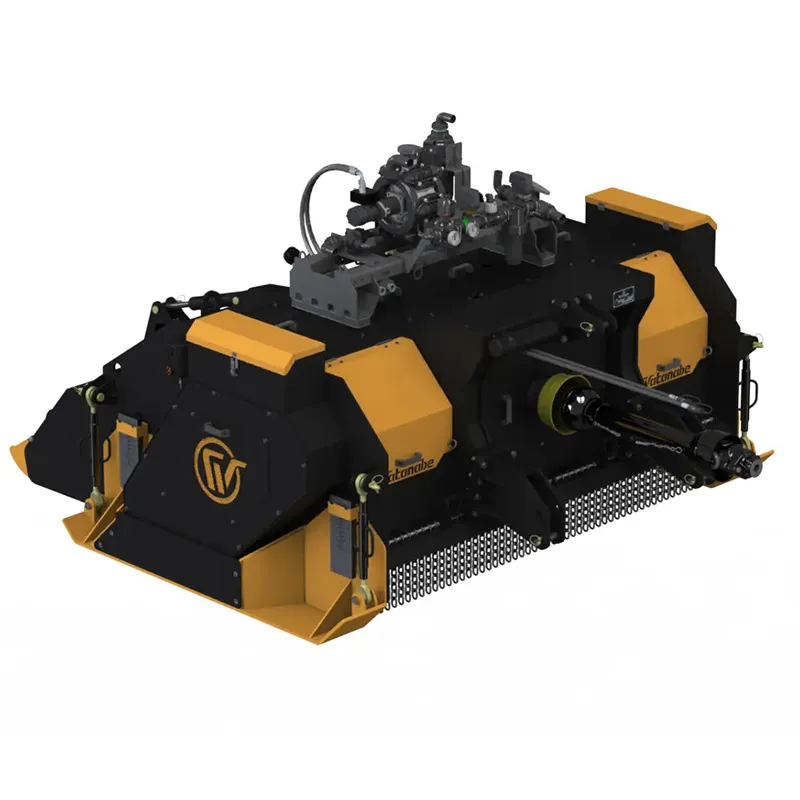
The Role of Moisture Content and the “Optimum” Rule
Water is the most volatile variable in soil stabilization. The performance of a stabilizer is inextricably linked to the “Optimum Moisture Content” (OMC)—the specific water percentage at which a soil can be compacted to its maximum dry density. If the soil is too dry, the stabilization process becomes a dust-filled logistical nightmare. Dry soil particles do not “bind” well with chemical additives like lime or cement because the chemical reaction (hydration or ion exchange) lacks the necessary medium to occur. This often results in a brittle foundation that lacks the flexural strength needed to support heavy traffic. Modern stabilizers counteract this with integrated water injection systems, allowing the operator to add moisture directly into the mixing chamber in real-time, based on the machine’s ground speed.
On the other end of the spectrum, excessive moisture can turn a project into a muddy quagmire. When soil is over-saturated, the machine’s rotor struggles to maintain depth as the material becomes “slurry-like,” losing its load-bearing capacity. In these conditions, the stabilizer must act as a drying agent, often by mixing in quicklime, which reacts exothermically with water to dry the soil. This process requires significant engine power, as the machine is essentially fighting the hydraulic pressure of the water-logged earth. For projects in tropical regions like Brazil, where heavy rains are common, the ability of a stabilizer to manage moisture variability is the difference between meeting a deadline and facing a seasonal shutdown. Proper moisture management ensures that the resulting soil-cement or soil-lime matrix achieves the structural integrity required for long-term road durability.
Mechanical Synergy: Rotor Speed, Torque, and Pre-Processing
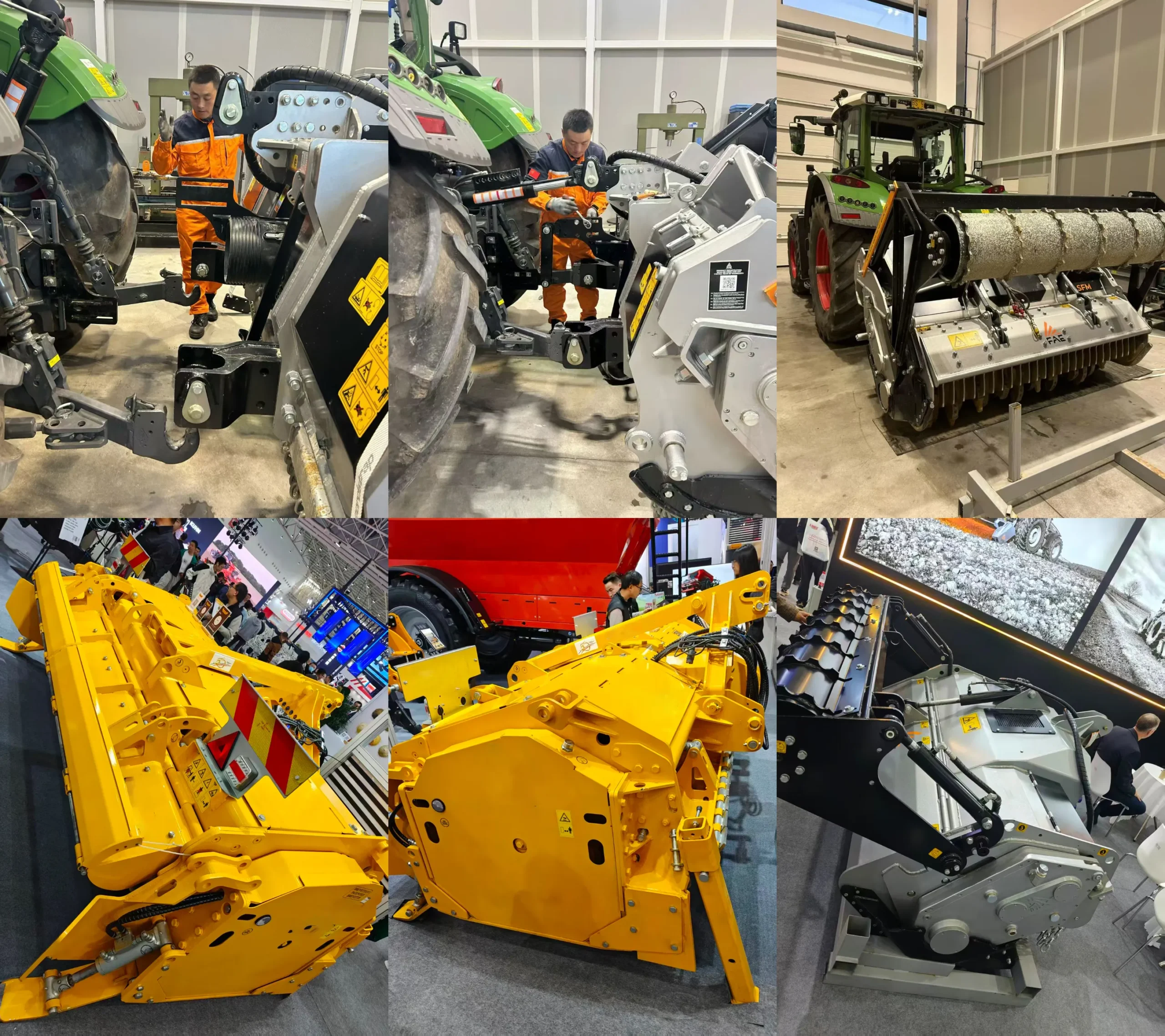
The mechanical specifications of the stabilizer must be perfectly matched to the soil’s resistance. Performance is defined by the “mixing energy”—the amount of force the rotor can apply to the soil matrix. In hard-packed or stony ground, a standard stabilizer may struggle to maintain a consistent mixing depth. This is where the synergy with support equipment becomes vital. If the terrain is infested with large boulders or ancient rock layers, the stabilizer’s rotor bits will fracture. To optimize performance, contractors often utilize a stone crusher or a rock rake before the stabilization pass. Clearing the surface of obstructions allows the stabilizer to focus its energy on homogenization rather than destructive grinding.
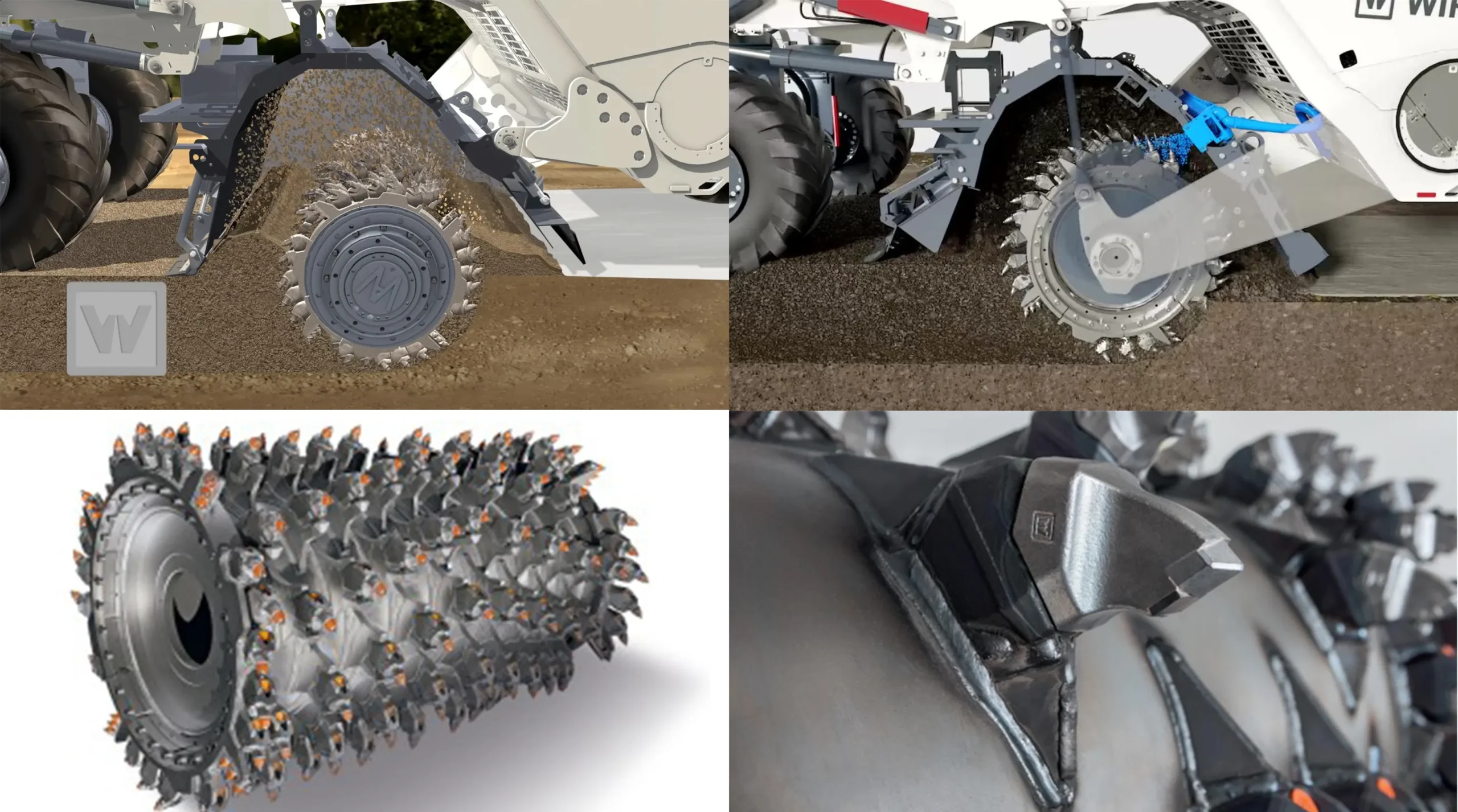
Furthermore, the rotor’s direction—whether it is an “up-cut” or “down-cut” design—plays a significant role in how it handles different soil types. Up-cut rotors are generally superior for pulverizing hard-packed material as they lift the soil against the mixing hood, ensuring a finer grain size. Down-cut rotors, while less common for deep stabilization, are effective for incorporating thick layers of organic binders. The depth of the cut is another crucial performance factor. For road bases, a depth of 30cm to 50cm is standard. If the machine tries to reach these depths in highly compacted “hard-pan” soil without sufficient torque, the engine will bog down, and the mixing quality will plummet. Achieving the perfect balance between forward ground speed and rotor RPM is an expert skill that ensures the soil is not just moved, but transformed into a uniform, high-performance engineering material.
Chemical Reaction Efficiency and Binder Selection
Stabilization is as much a chemical process as it is a mechanical one. The performance of the machine is often judged by how well it incorporates chemical binders into the soil. For clay-rich soils, lime is the binder of choice. It triggers a pozzolanic reaction, where calcium ions from the lime replace the sodium/magnesium ions in the clay, leading to “flocculation” (the clumping of particles into a more stable structure). The stabilizer must ensure “intimate contact” between the lime and the clay. If the machine’s mixing is inadequate, the lime will remain in clumps, and the soil will retain its expansive properties, leading to future road failure. This requires a stabilizer with a high-speed mixing chamber that creates a turbulent environment for chemical dispersion.
For granular or sandy soils, cement or bitumen emulsions are typically used to create a rigid or flexible bound base. In these cases, the machine’s performance is measured by its “metering precision.” If the machine injects too much cement, the foundation becomes brittle and prone to cracking. If it injects too little, the sand will remain loose. Modern stabilizers utilize microprocessor-controlled injection systems that adjust the binder flow based on the machine’s radar-tracked ground speed. This level of precision ensures that the stabilization is economically efficient and structurally sound. Whether the goal is to build a high-speed motorway or a stable access road for heavy agricultural equipment, the chemical integration performed by the stabilizer is the final step in the earth’s transformation from a raw material to an engineered asset.
Case Study: Soil Stabilization in the Brazilian Mato Grosso Region
A profound example of these factors in action occurred during the expansion of the BR-163 highway in Mato Grosso, Brazil. This region is famous for its “Latosols”—deep, red, clay-heavy soils that are incredibly productive for soy but notoriously difficult for construction. During the rainy season, these soils lose all load-bearing capacity, often bringing logistics to a standstill. A project team was tasked with stabilizing a 100km stretch to support heavy grain trucks. Initially, the team struggled because the soil’s moisture content was 15% above the optimum. The stabilizer machines were bogging down, and the lime was not reacting effectively because the soil was essentially a slurry.
The solution involved a two-stage performance strategy. First, the team used a heavy-duty rock rake to clear any buried roots and large stones. Then, they deployed stabilizers to perform a “dry pass” with quicklime to lower the moisture content through an exothermic reaction. Once the soil reached the OMC, a second pass was made with a specialized soil stabilizer that injected a cement slurry. By matching the machine’s torque and injection precision to the Latosol’s unique mineralogy, the project achieved a CBR (California Bearing Ratio) value of 80%—exceeding the highway’s design requirements. This case study highlights that machine performance is not just about the hardware, but about a tactical response to the geological reality of the site.
Impact on Agricultural Logistics and Infrastructure
While often discussed in construction terms, soil stabilization has a massive impact on the agricultural value chain. In remote farming regions, the road from the field to the silo is the most vulnerable link. If the soil is not stabilized, heavy machinery such as a potato harvester or a grain truck will sink into the soft earth, leading to costly delays and crop loss. Stabilization provides a weatherproof access route, ensuring that the harvest can proceed regardless of rainfall. Furthermore, a stable ground foundation protects the delicate mechanical components of specialized equipment. A potato digger, for instance, requires a consistent surface to operate efficiently; ruts and uneven ground can cause mechanical damage or bruising of the crops.
The performance of the stabilizer in these agricultural contexts is judged by its ability to create a “maintenance-free” surface. Unlike traditional dirt roads that require grading after every rain, a stabilized road can last for years with minimal attention. This durability is achieved by selecting the right binder for the local soil—whether it’s lime for the clay-heavy soils of the south or cement for the sandier soils of the northeast. For Brazil Agricultural Balers Co.,Ltd, we see stabilization as the bridge between civil engineering and food security. By engineering the ground to handle the extreme axle loads of modern agriculture, we are ensuring that the hard work of the farmer is not undone by the failure of the road. The machine is the enabler, the soil is the canvas, and the result is a resilient infrastructure that feeds the world.
The Future of Precision Stabilization
In conclusion, the performance of a soil stabilizer is a dynamic variable that must be calculated based on soil composition, moisture content, mechanical torque, and chemical binding efficiency. There is no “standard” setting that works for all environments. The most successful operators are those who treat the soil as an active partner in the engineering process. As we look to the future, the integration of AI and real-time soil sensors into stabilizer technology will further refine our ability to adapt to varied soil types instantly. For now, the key remains a deep understanding of geological principles and the use of the right mechanical tools—from stone crushers to rock rakes—to support the stabilization mission. By mastering these factors, we build roads and farms that stand the test of time, weather, and heavy use.
About Brazil Agricultural Balers Co.,Ltd
Brazil Agricultural Balers Co.,Ltd is a premier manufacturer and global supplier of high-performance machinery for the construction and agricultural sectors. With decades of expertise in soil dynamics and mechanical engineering, we specialize in providing innovative solutions that conquer the world’s toughest terrains. Our commitment to durability, precision, and customer success has made us a leader in the industry.
Our diverse product range includes:
- Soil Stabilizer Machine
- Stone Crusher
- Rock Rake
- Rock Pickers
- Rotavator
- Potato Furrower
- Fertilizers
- Rotary Cultivator
- Potato Planter
- Potato Diggers
- Potato Harvester
- Compost Barn
At Brazil Agricultural Balers Co.,Ltd, we don’t just sell machines; we build the foundations for progress. Contact us today to learn how our technology can transform your next project.