The Paradigm Shift: From Manual Labor to Mechanical Precision
In the historical context of civil engineering and agricultural land development, soil treatment was once a grueling, labor-intensive process. Manual soil treatment involved teams of laborers using hand tools to spread lime or cement, followed by rudimentary tilling methods to incorporate binders into the earth. While this “manual” approach was the only option for centuries, it inherently lacked the structural consistency required for modern heavy-duty infrastructure. Today, the introduction of the soil stabilizer machine has completely redefined the standards of ground engineering. A soil stabilizer is not just a piece of heavy equipment; it is a mobile chemical-mechanical reactor that transforms raw, unpredictable earth into a high-performance engineering material in-situ. The shift from manual to mechanized treatment is not merely a change in tool—it is a total paradigm shift in how we perceive the durability and longevity of our roads and foundations.
One of the primary disadvantages of manual treatment is its inability to achieve “homogeneity.” When humans spread binders like lime or cement, the distribution is inevitably uneven, leading to “hot spots” of high binder concentration and “weak spots” where the soil remains untreated. This inconsistency is the primary cause of differential settlement and premature pavement failure. In contrast, a high-quality soil stabilizer utilizes a high-speed mixing rotor that pulverizes the soil to a precise depth, simultaneously injecting binders with milliliter precision. This mechanical energy ensures that every single grain of soil is coated with the stabilizing agent, creating a monolithic layer that can support massive loads. For large-scale projects, the sheer scale of modern demands—such as the weight of heavy logistics trucks or high-yield agricultural machinery—makes manual treatment not just inefficient, but technically unfeasible.
Furthermore, the environmental and safety risks associated with manual treatment are significant. Handling dry binders like lime or cement in the open air creates massive amounts of dust, posing severe respiratory risks to workers and contaminating the surrounding ecosystem. Mechanized stabilization solves this through closed-loop injection systems. Modern machines can draw binders directly from a tanker and inject them under a pressurized mixing hood, virtually eliminating dust emissions. This level of control is essential in today’s regulatory environment, where “Green Construction” and worker safety are at the forefront of every project tender. At Brazil Agricultural Balers Co.,Ltd, we have witnessed how this transition from manual to mechanical allows contractors to work faster, safer, and with a level of structural certainty that was previously unimaginable.
Unmatched Mixing Homogeneity and Chemical Integrity
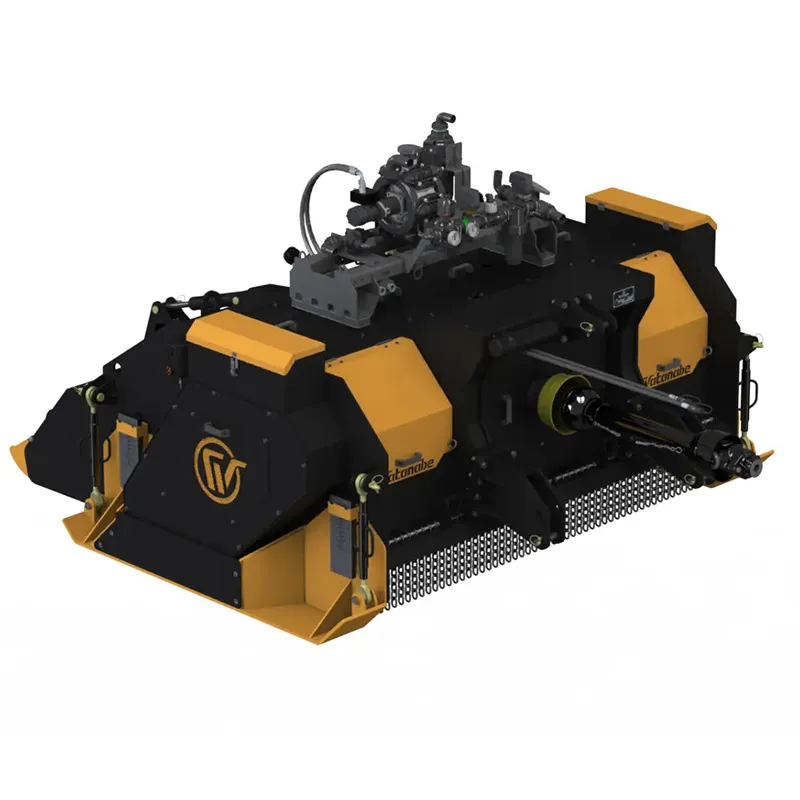
To understand the advantage of a machine, one must look at the microscopic level of soil chemistry. Soil stabilization relies on complex chemical reactions—such as cation exchange and pozzolanic reactions—that occur between the soil particles and the binder. These reactions require “intimate contact.” In manual treatment, the mixing energy is insufficient to break down the natural “peds” or clumps of clay. If these clumps are not pulverized, the binder only coats the outside, leaving the core of the clump untreated and susceptible to moisture swelling. A stabilizer machine uses its immense horsepower to spin a rotor equipped with carbide-tipped teeth, shearing the soil at high velocities. This creates the “turbulent mixing environment” necessary to achieve 100% homogenization, ensuring that the chemical reaction is uniform throughout the entire design depth.
The precision of a machine also extends to moisture control. Optimal moisture content (OMC) is the critical point at which soil can be compacted to its maximum density. Manual watering—using hoses or water trucks with simple gravity bars—often results in over-saturated mud or under-moistened dust. A professional stabilizer features a computer-controlled spray bar that adjusts the water flow based on the machine’s ground speed and the rotor’s depth. This level of precision ensures that the soil-binder mix is always at its ideal state for the rollers that follow. If the ground is particularly rocky or contains old pavement, the stabilization process is often preceded by a stone crusher to ensure that the material being mixed is of a consistent gradation. This integrated approach ensures that the final foundation layer is free from the voids and inconsistencies that plague manually treated ground.
Moreover, the depth of treatment is a critical factor where machines outperform manual labor exponentially. Manual tilling usually struggles to penetrate beyond 10 or 15 centimeters. However, many modern structural designs for highways or airport tarmacs require stabilization depths of 35 to 50 centimeters. Achieving this depth manually is physically impossible for teams of laborers. A heavy-duty stabilizer can plow through 50cm of compacted earth without breaking a sweat, maintaining a constant depth through hydraulic sensors. This “full-depth” capability allows engineers to design thinner asphalt layers because the underlying base is so strong, leading to massive material savings. This structural integrity is what allows a potato harvester or other high-contact-pressure machines to drive over stabilized farm roads without leaving ruts, ensuring that the logistics of the harvest are never interrupted by soil failure.
Economic Efficiency: Cost-Benefit Analysis of Scalability
When evaluating the cost of a project, many people mistakenly believe that “cheap labor” equals a “cheap project.” This is a fallacy in the world of infrastructure. While the initial investment in a soil stabilizer is high, the “cost per square meter” of stabilized ground is significantly lower than manual treatment when project scale is considered. Manual labor is slow. A team of fifty workers might treat a few hundred square meters a day, whereas a single machine can stabilize 5,000 to 10,000 square meters in a single shift. This speed allows projects to be completed in weeks rather than months, slashing the “soft costs” of traffic control, security, and project management. In the competitive world of government contracts, speed is often as important as price.
The machine also saves money through material efficiency. Because the machine’s injection system is so precise, you use exactly the amount of binder required by the engineering specification—no more, no less. In manual treatment, contractors often have to “over-apply” binders by 20% or 30% just to compensate for the poor mixing quality, leading to a massive waste of expensive chemicals. Additionally, the ability of the machine to perform “In-Situ” reclamation is its greatest economic weapon. By recycling the existing soil and even old asphalt, you eliminate the need to buy and haul thousands of tons of virgin aggregate. This reduces the number of truck cycles on a project, saving on fuel, tire wear, and road maintenance. For large-scale agricultural estates in Brazil, this efficiency means that more capital can be invested in crop technology rather than being buried in the mud of poorly built farm roads.
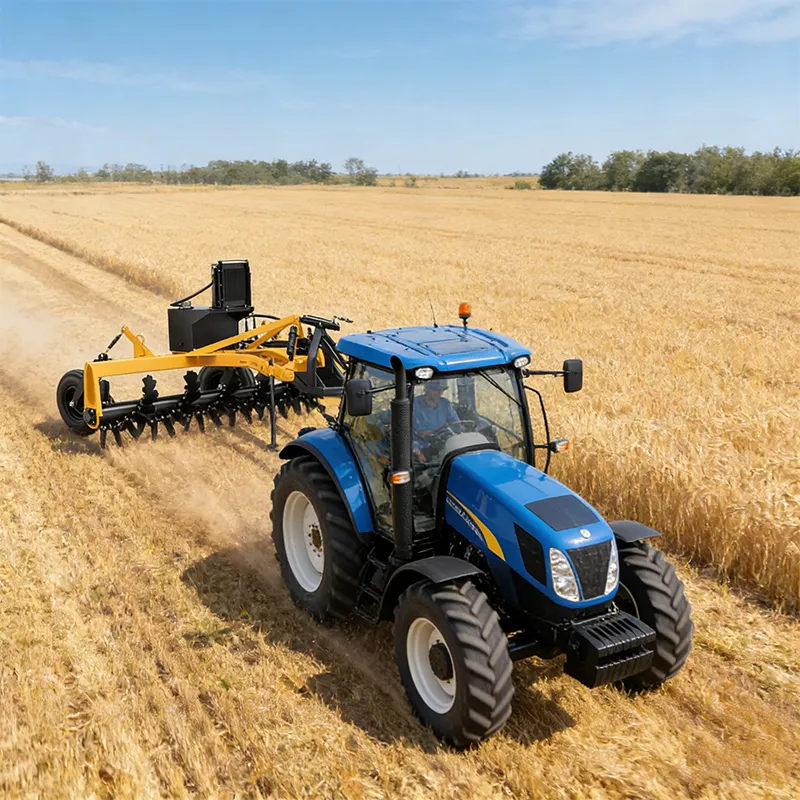
Furthermore, we must consider the “total life-cycle cost” of the infrastructure. A manually treated road might be cheaper on day one, but if it fails after three years and requires a total rebuild, its actual cost is astronomical. A machine-stabilized road, with its uniform CBR (California Bearing Ratio) values and moisture resistance, can last 20 to 50 years with minimal maintenance. This durability reduces the long-term tax burden on municipalities and the operational costs for private land owners. To ensure the machine can work at its peak economic efficiency, smart contractors use a rock rake to clear the surface before the stabilizer arrives. This prevents damage to the rotor teeth and ensures the machine can maintain its maximum forward speed, maximizing the “square-meters-per-hour” metric that drives project profitability.
Environmental Stewardship and In-Situ Recycling Advantages
The construction industry is under increasing pressure to reduce its carbon footprint. Manual soil treatment, with its reliance on hauling away “bad” soil and bringing in new stone, is inherently unsustainable. Each truck movement generates CO2 emissions and damages existing road networks. Mechanized soil stabilization is the cornerstone of “Sustainable Earthworks.” By upgrading the soil that is already on-site, we follow the principles of the circular economy. We are essentially taking “waste” earth and turning it into a “resource.” This reduction in quarrying activity preserves natural landscapes and reduces the energy-intensive process of crushing and transporting virgin rock. When a machine is used, the carbon miles of a project can be reduced by up to 80% compared to traditional methods.
Additionally, modern stabilizer machines are designed to meet stringent engine emission standards (Stage V/Tier 4 Final), making them much cleaner than the fleets of older trucks and tractors used in manual-heavy operations. The precision injection also prevents the leaching of chemical binders into local groundwater. In manual spreading, rain can wash away lime or cement powder before it is mixed, leading to localized soil pH spikes and water contamination. The stabilizer’s “closed mixing” approach ensures that the chemicals stay where they belong—in the road base. This environmental sensitivity is vital when building infrastructure through delicate agricultural land or protected forest areas. It ensures that we are building the future without destroying the natural resources that the future will depend on.
From a land management perspective, stabilization improves the “resilience” of the terrain. Stabilized soil is far less prone to erosion during heavy tropical downpours—a major issue in regions like Brazil. By binding the soil particles together, the stabilizer creates a surface that resists the scouring power of running water. This prevents topsoil loss and protects the drainage systems from being clogged with silt. For farmers, this means that their access roads remain intact after a storm, allowing them to use a potato digger or other harvesters to get their crops to market without delay. The stabilizer thus acts as a protector of the land, providing a stable foundation for both human activity and environmental preservation.
Case Study: The “Trans-Mato Grosso” Haul Road Project
To illustrate the tangible advantages of mechanized stabilization, let us examine a high-stakes case study: the construction of a 150-kilometer haul road in the heart of Brazil’s soybean belt. The existing route was a red-clay track that became a muddy trap for six months of the year. The traditional “manual-spread and till” method had been attempted several times in previous years with disastrous results; the road would wash away within a single season because the mixing depth was too shallow and the binder distribution was too inconsistent. The clay would swell during the rains, “swallowing” the gravel that had been spread on top. The engineering firm for the new project realized that only a specialized soil stabilizer could solve the geomorphological challenges of the region.
The project began with a rigorous site preparation phase. Because the area was littered with large boulders from ancient geological movements, a fleet of high-performance stone crushers and rock rakes was deployed. These machines cleared the top 30cm of the path, ensuring the stabilizer’s rotor would not be damaged. Then, a 600-horsepower soil stabilizer moved in. Using a combination of 4% lime (to dry out the moisture-laden clay) and 3% cement (to provide rigid strength), the machine processed 8,000 square meters per day. The machine’s injection system adjusted for the varying moisture levels of the Amazonian basin in real-time. By mixing to a constant depth of 40cm, the machine created a monolithic, water-resistant base that was literally as hard as concrete.
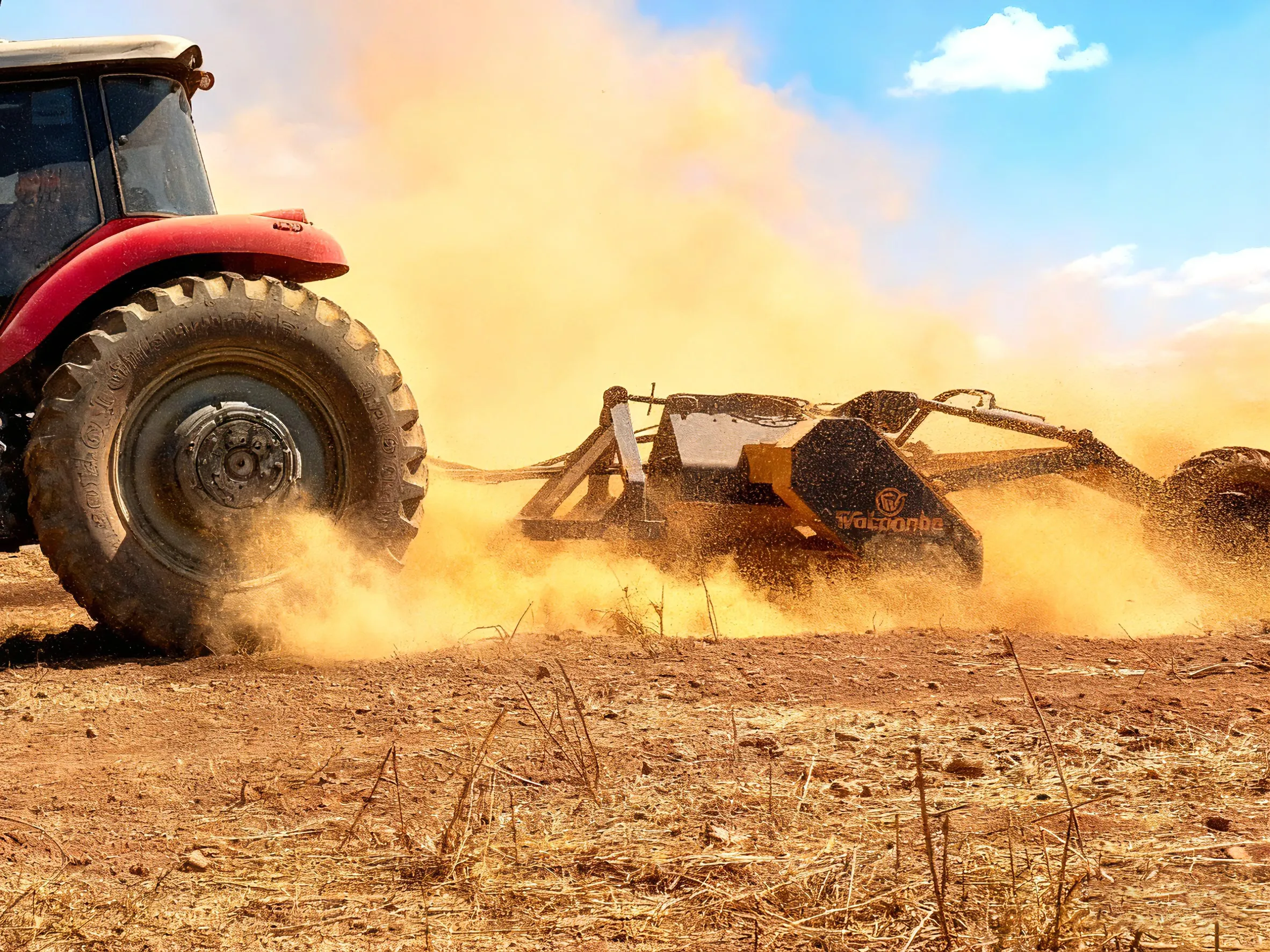
The results were record-breaking. The project was completed three months ahead of schedule, saving the municipality millions in logistical costs. The road’s California Bearing Ratio (CBR) increased from an unusable 5% to a staggering 95%. When the rainy season arrived, the road remained solid. For the first time in history, heavy trucks could move through the region year-round. Local farmers reported that they could now use their potato harvester and grain trucks at full capacity without fear of getting stuck. This project stands as a testament to why manual soil treatment is a thing of the past; the mechanical approach provided a level of structural certainty that turned a regional bottleneck into a thriving economic corridor. It proved that in the battle against challenging soils, technology is the ultimate equalizer.
The Technical Edge: Precision Monitoring and Telematics
Modern soil stabilizers are far more than just engines and rotors; they are data centers on wheels. This is an advantage that manual labor can never replicate. A stabilizer is equipped with “telematics” and GPS integration that allows the project manager to track the exact area stabilized, the amount of binder used, and the depth achieved from a computer halfway across the country. This digital record is often a requirement for ISO-certified construction projects, as it provides a “birth certificate” for the road. It ensures that the project was built to the exact specifications demanded by the engineer, providing a layer of accountability that is impossible with manual labor. If a section of the road is found to be out of spec, the digital logs can pinpoint exactly what happened during that pass.
Furthermore, the “operator assist” features of these machines reduce the risk of human error. Automated steering systems ensure that each pass of the machine overlaps with the previous one by exactly 10 centimeters, preventing untreated “seams” in the foundation. Sensors monitor the health of the rotor teeth, notifying the operator when it is time to change a bit to maintain mixing efficiency. This predictive maintenance ensures that the machine is always working at its peak performance. For contractors at Brazil Agricultural Balers Co.,Ltd, this technical edge means that they can guarantee a higher quality of work to their clients. It allows them to move from being “dirt movers” to being “precision engineers,” providing a sophisticated service that manual teams simply cannot match. As infrastructure becomes more complex, the role of these digital features will only grow, further widening the gap between mechanical and manual soil treatment.
Finally, the versatility of these machines allows them to be used across diverse sectors. While we primarily think of them for roads, they are equally effective for stabilizing the foundations of massive solar farms, wind turbine pads, and industrial warehouse floors. In each of these cases, the requirement for a perfectly level, high-strength base is paramount. Manual treatment cannot provide the “flatness” required for modern warehouse robotics or the “vibration resistance” needed for wind turbines. The stabilizer’s ability to create a uniform, monolithic slab of earth is the only way to meet these 21st-century requirements. Whether you are building a path for a potato digger or a foundation for a skyscraper, the stabilizer is the superior choice for any project that values quality, speed, and long-term viability.
About Brazil Agricultural Balers Co.,Ltd
Brazil Agricultural Balers Co.,Ltd is a premier manufacturer and global distributor of industrial-strength soil management and agricultural machinery. Deeply rooted in the challenging terrains of Brazil, we have dedicated our engineering expertise to mastering the world’s toughest soil conditions. Our machines are built with a philosophy of durability, precision, and sustainability, ensuring that our clients in both the civil construction and agricultural sectors achieve the highest return on their investment.
Our comprehensive product portfolio includes:
- Soil Stabilizer Machines
- Stone Crushers
- Rock Rakes & Rock Pickers
- Rotavators & Rotary Cultivators
- Potato Furrowers & Potato Planters
- Potato Diggers & Potato Harvesters
- Fertilizers & Compost Barn Solutions
At Brazil Agricultural Balers Co.,Ltd, we provide the mechanical muscle and technical intelligence to build foundations that last a lifetime. Whether you are constructing a trans-continental highway or optimizing a family farm, we are your partner in ground-breaking success.