İnşaat mühendisliği ve altyapı dünyasında temel her şeydir. Sağlam bir temel olmadan yollar çöker, temeller kayar ve yatırımlar kaybolur. İşte burada devreye giriyor... toprak stabilizatör makinesi İnşaat sahasının isimsiz kahramanı haline geliyorlar. Bu devasa makineler, zayıf, düzensiz toprağı kaya gibi sağlam, yük taşıyan bir platforma dönüştürmek için tasarlanmıştır. Peki bu makineleri bu kadar etkili kılan tam olarak nedir? Bir makinenin temel bileşenlerini anlamak... toprak stabilizatörü Yol yapımı, arazi ıslahı veya büyük ölçekli tarımsal hazırlık işlerinde yer alan herkes için vazgeçilmezdir. Sadece tek bir alet değil, dünyanın en zorlu ortamlarında çalışmak üzere tasarlanmış yüksek torklu mekanik sistemlerin, hassas kimyasal enjeksiyonun ve ağır hizmet tipi yapısal mühendisliğin bir senfonisidir.
1. Güç Merkezi: Karıştırma Rotoru ve Kesme Sistemi
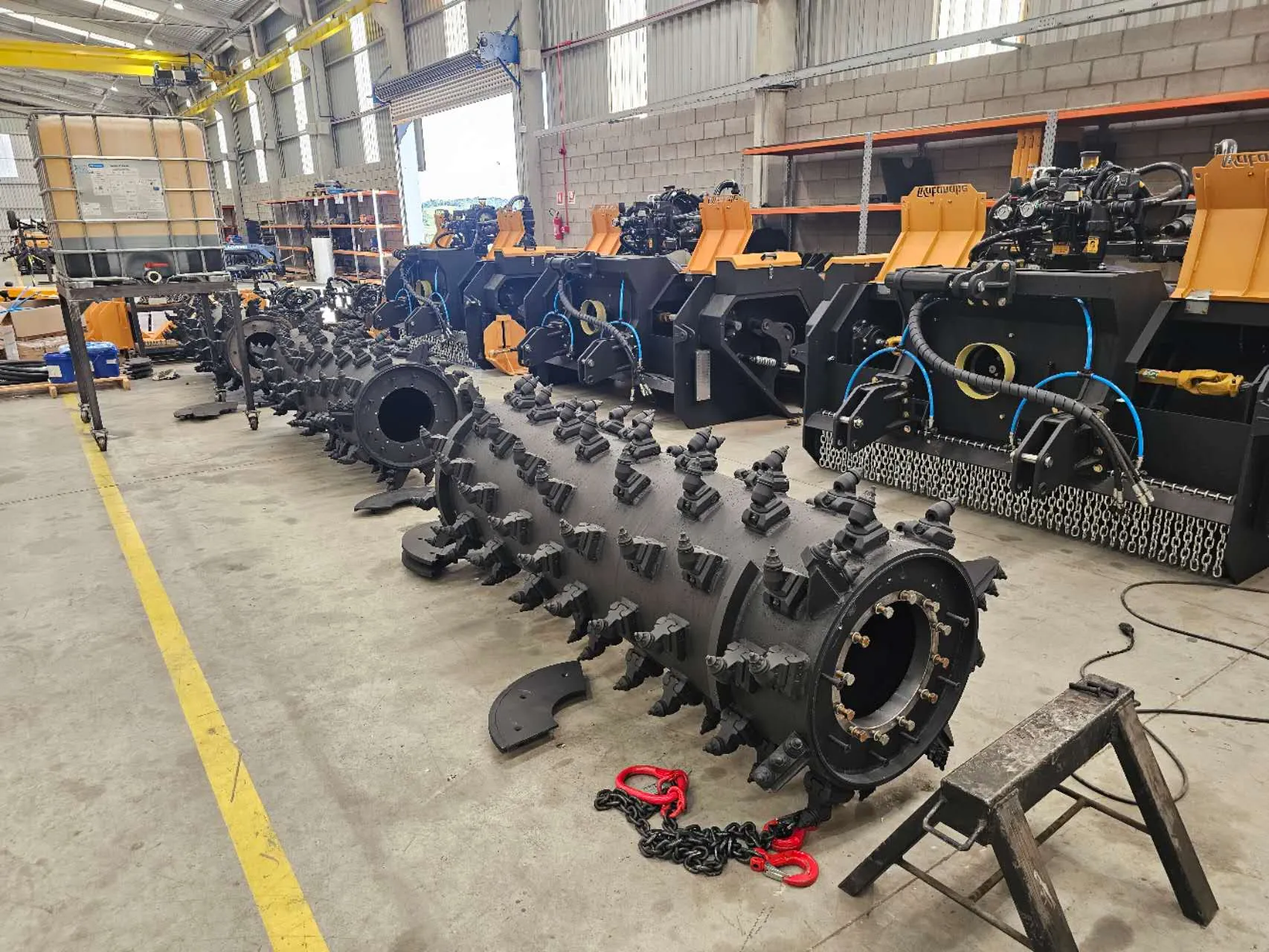
Herhangi bir stabilizatörün kalbi ve ruhu, karıştırma rotorudur. Bu, genellikle "diş" veya "uç" olarak adlandırılan özel kesici aletlerle donatılmış, devasa, yüksek mukavemetli bir çelik tamburdur. Bu uçlar tipik olarak, sıkıştırılmış toprağı, eski asfaltı ve hatta gömülü taşı bile öğütebilen inanılmaz derecede sert bir alaşım olan tungsten karbürden yapılır. Rotorun birincil görevi, mevcut zemini 10 ila 50 santimetre arasında değişebilen hassas bir derinliğe kadar öğütmektir. Rotor dönerken (genellikle 100 RPM'nin üzerinde hızlarda), toprağın ince, işlenebilir bir taneye ayrıştırıldığı türbülanslı bir karıştırma odası oluşturur. Bu "homojenizasyon" işlemi, stabilizasyonda kritik ilk adımdır, çünkü daha sonra eklenen bağlayıcıların toprak matrisi boyunca eşit olarak dağılmasını sağlar.
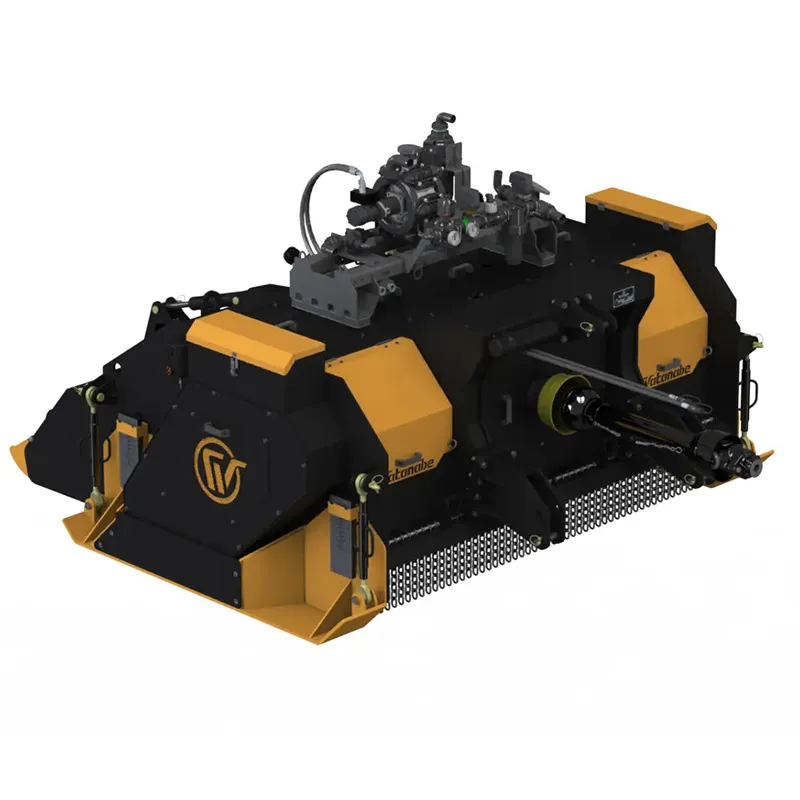
Bu rotorun tahrik sistemi de aynı derecede önemlidir. Çoğu üst düzey makine, yüksek torklu dişli kutuları veya yüksek basınçlı hidrolik sistem aracılığıyla doğrudan mekanik tahrik kullanır. Mekanik tahrikler, özellikle direncin yüksek olduğu son derece sert zeminlerde çalışırken, gücü motordan tambura aktarmadaki verimlilikleri nedeniyle sıklıkla tercih edilir. Bununla birlikte, hidrolik tahrikler değişken hız kontrolü ve aşırı yük koruması avantajı sunar; rotor büyük bir kayaya çarparsa, hidrolik sistem pahalı dişlileri kırmadan "durabilir". Büyük boyutlu enkazla karşılaşıldığında hasarı önlemek için operatörler genellikle bir taş kırıcı Alanın ön işlenmesi, stabilizatörün rotorunun sorunsuz çalışmasını ve uzun ömürlü olmasını sağlar. Rotor üzerindeki uçların düzeni, makinenin ileri doğru çekilmesine yardımcı olan ve toprağın hem dikey hem de yatay olarak karıştırılmasını sağlayarak stabilize edilmiş katmanda boşluk kalmamasını garanti eden helisel veya "şevron" bir deseni takip eder.
Kesme Sisteminin Aşınan Parçaları ve Bakımı
Rotor sürekli olarak aşındırıcı malzemelere sürtündüğü için, uçların ve tutucuların bakımı şantiyede günlük bir ritüeldir. Her uç, tambura kaynaklanmış bir "tutucu" veya "cep" içinde tutulur. Bir uç kaybolursa veya şaftına kadar aşınmasına izin verilirse, tutucunun kendisi de aşınmaya başlayacak ve çok daha pahalı bir onarıma yol açacaktır. Modern sistemler, bir operatörün bir saatten kısa sürede tam bir diş setini değiştirmesine olanak tanıyan "hızlı değiştirme" uç tutucuları kullanır. Bu, makinenin verimliliğini korumasını sağlar, çünkü körelmiş dişler önemli ölçüde daha fazla yakıt gerektirir ve motora daha fazla yük bindirir. Son derece aşındırıcı tropikal topraklarla uğraştığımız Brezilya'da, bu aşınma parçalarının kalitesi genellikle karlı bir proje ile lojistik bir kabus arasındaki farkı belirler.
2. Hassas Dağıtım: Enjeksiyon ve Ölçüm Sistemleri
Toprağı ufalamak etkileyici olsa da, "stabilizasyon" aslında karışıma eklenen bağlayıcılardan kaynaklanır. Toprak stabilizatörü, su, çimento şerbeti, kireç veya bitüm emülsiyonlarını doğrudan karıştırma haznesine iletebilen gelişmiş enjeksiyon sistemleriyle donatılmıştır. Amaç, mühendislik şartnamelerinin gerektirdiği "Optimum Nem İçeriği" (OMC) ve tam kimyasal orana ulaşmaktır. Bu sistemler sadece basit püskürtme çubukları değildir; makinenin zemin hızına ve rotorun karıştırma derinliğine bağlı olarak akış hızını ayarlayan mikroişlemci kontrollü ölçüm üniteleridir. Makine yavaşlarsa, bilgisayar otomatik olarak bağlayıcı akışını azaltarak "birikmeyi" veya aşırı doygunluğu önler; bu durum nihai yol tabanının mukavemetini tehlikeye atabilir.
Ağır kil topraklarda kireç kullanımı gibi kimyasal stabilizasyon işlemlerinde, stabilizatör puzolanik bir reaksiyonu kolaylaştırır. Yüksek enerjili karıştırma, kirecin her kil parçacığıyla "yakından temas etmesini" sağlayarak iyon değişimi ve flokülasyonu tetikler; bu da kilin moleküler yapısını kalıcı olarak değiştirerek suya karşı hassasiyetini azaltır ve taşıma kapasitesini artırır. Asfalt geri dönüşüm projelerinde, makine köpürtülmüş bitüm veya soğuk emülsiyon enjekte edebilir. Bu, bitüm hacmini genişleten ve geri dönüştürülmüş agregayı daha etkili bir şekilde kaplamasını sağlayan, stabilizatör üzerinde özel bir ısıtma ve köpürtme sistemi gerektirir. Bu hassasiyet seviyesi, insan hatasını ortadan kaldırır ve temelin modern yol sözleşmelerinde bulunan katı Kaliforniya Taşıma Oranı (CBR) gereksinimlerini karşılamasını sağlar.
Sistemin bir diğer önemli bileşeni de harici tedarik kamyonlarıyla entegrasyondur. Çoğu stabilizatörde makinenin önünde bir "itme çubuğu" ve bir dizi bağlantı hortumu bulunur. Bu, stabilizatörün çalışırken bağlayıcı tankerini (su veya bitüm) itmesine ve gerekli sıvıları sistemden gerçek zamanlı olarak çekmesine olanak tanır. Bu sürekli çalışma, bu makinelerin tek bir vardiyada binlerce metrekarelik alanı kaplamasını sağlar. Çimento veya kireç gibi kuru bağlayıcılar için, stabilizatörden önce genellikle bir "yayma" kamyonu gelir, ancak gelişmiş modellerde artık tek geçişte yayma ve karıştırma yapabilen yerleşik toz hazneleri bulunur; bu da şantiyede gereken araç sayısını daha da azaltır ve inşaat projesinin karbon ayak izini düşürür.
3. Yapısal Bütünlük: Şasi ve Aktarma Organları
Toprağı işlemek için gereken muazzam kuvvetler göz önüne alındığında, toprak stabilizatörü eşsiz bir sağlamlığa sahip bir şasi gerektirir. Bunlar standart kamyon şasileri değildir; rotorun ürettiği titreşimi ve torku emmek üzere tasarlanmış, ağır hizmet tipi, güçlendirilmiş kutu kesitli şasilerdir. Makinenin kendi ağırlığı da bir araçtır; rotorun hedef derinliğinde kalması için gerekli olan aşağı doğru kuvveti sağlar. Çoğu stabilizatör, yüksek yüzdürme kapasiteli lastiklere sahip dört tekerlekten çekiş sistemi veya aşırı durumlarda paletli sistem kullanır. Yüksek yüzdürme kapasiteli lastikler çok önemlidir çünkü makinenin düzeltmeye çalıştığı toprağa batmasını önlerler. Bu lastikler, makinenin 20 ila 30 tonluk ağırlığını yüzeye dağıtarak, nihai eğimi tehlikeye atacak derin çukurlar oluşmasını önler.
Bu kadar büyük makineler için yönlendirme ve manevra kabiliyeti şaşırtıcı derecede önemlidir. Gelişmiş stabilizatörler genellikle, makinenin tekerleklerini kaydırarak bariyerlere veya kenarlara yakın çalışmasına ve çekiş kaybetmemesine olanak tanıyan "yengeç direksiyonu" da dahil olmak üzere dört tekerlekten yönlendirme özelliğine sahiptir. Bu özellik, özellikle kentsel yeniden yapılanmada veya dar tarımsal erişim yollarının stabilize edilmesinde kullanışlıdır. Bu makineler çalışmaya başlamadan önce, alan genellikle bir yöntem kullanılarak temizlenir. kaya tırmığı Yüzey seviyesindeki engelleri kaldırmak için. Bu, şasinin büyük kayalara çarpmamasını ve lastiklerin zeminle sürekli temas halinde kalmasını sağlar. Tahrik sistemi genellikle 400 ila 700 beygir gücü üreten Tier 4 veya Stage V dizel motorla çalışır ve zemin inanılmaz derecede sertleştiğinde bile rotorun dönmesini sağlamak için gereken gücü sağlar.
Operatör kabini, bu devasa yapının "komuta merkezi"dir. Genellikle basınçlı, hava filtreli bir ortamdır (kireç ve çimento tozuna karşı koruma sağlamak için) ve makine çerçevesinin her iki tarafına da kaydırılabilir. Bu "yanal kaydırma", operatörün karıştırma kenarına doğrudan bakmasını sağlayarak, geçişlerin mükemmel bir şekilde üst üste binmesini sağlar; bu da zayıf dikişler olmadan düzgün bir temel oluşturmak için önemli bir faktördür. Bu avantajlı konumdan operatör, derinlik, rotor hızı ve yönlendirme için joystick kontrollerini izlerken, birden fazla kamera çevredeki alanın 360 derecelik bir görüntüsünü sağlar. Bu ergonomik mühendislik seviyesi, operatörün uzun vardiyalar boyunca verimli kalmasını sağlar; bu da modern altyapı projeleriyle ilişkili agresif zaman çizelgelerine uymak için hayati önem taşır.
4. Örnek Olay İncelemesi: Brezilya Karayolu Altyapısında Toprak Stabilizasyonu
Bu bileşenlerin birlikte nasıl çalıştığını gerçekten anlamak için, Brezilya'nın Mato Grosso bölgesindeki gerçek dünya uygulamasına bakalım. Bu bölge, büyük soya üretimiyle bilinir, ancak mevsimsel yağmurlar ve genişleyen kil toprakları nedeniyle önemli lojistik zorluklarla karşı karşıyadır; bu topraklar, asfaltlanmamış yolları geçilmez bataklıklara dönüştürebilir. Yakın zamanda yapılan bir proje, 50 kilometrelik bir tali yolu ağır yük taşıma yoluna yükseltmeyi amaçlıyordu. Geleneksel yöntemler, 40 cm yerel kilin kazılmasını ve yerine ithal çakıl konulmasını gerektirirdi; bu da en yakın taş ocağına olan uzaklık nedeniyle maliyet açısından çok yüksek bir çözümdü. Bunun yerine, mühendislik ekibi kireç ve çimento kombinasyonu kullanarak yerinde stabilizasyon yöntemini seçti.
Süreç, yer altında büyük kaya kütleleri bulunan çeşitli alanları belirleyen bir saha değerlendirmesiyle başladı. Bu amaçla özel bir ekip kuruldu. kaya tırmığı Üst katmanı temizlemek için bir makine kullanılırken, bir taş kırıcı daha büyük kayaları daha küçük agregalara işledi. Yol hazırlandıktan sonra, toprak stabilizasyon makinesi devreye girdi. İlk geçişte, rotor kili öğütürken, bir kireç serpme makinesi toprağı "yumuşatmak" ve plastisitesini azaltmak için 3% kireç içeriği ekledi. 24 saatlik kürleme işleminden sonra, makine ikinci bir geçiş yaptı ve bu sefer iç püskürtme çubukları aracılığıyla doğrudan bir çimento şerbeti enjekte etti. Bu, yarı sert, suya dayanıklı bir temel katman oluşturdu ve bu katman hemen titreşimli silindirlerle sıkıştırıldı.
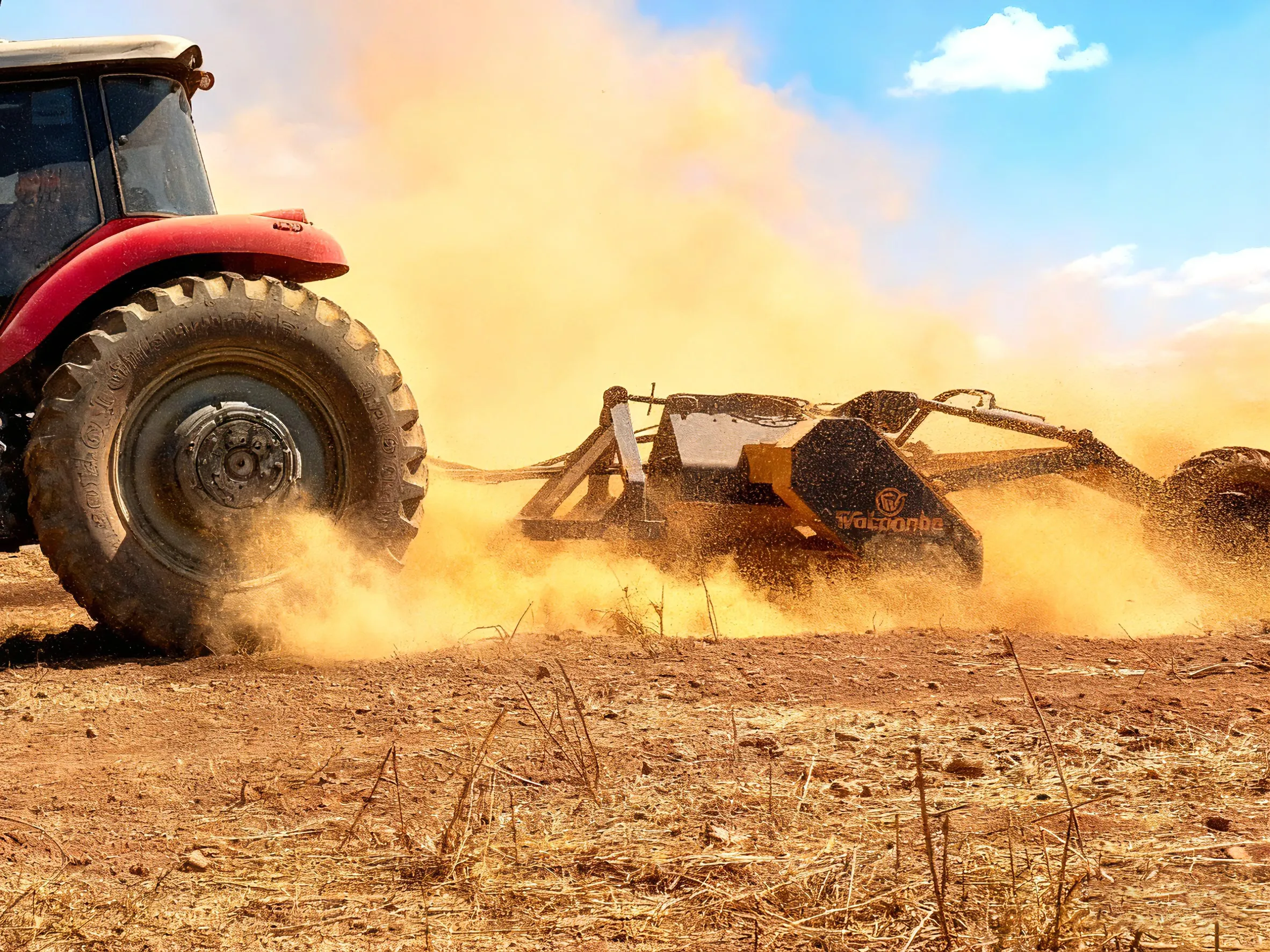
Sonuçlar dönüştürücüydü. Yolun CBR değeri, sadece 4%'den (kullanılamaz) inanılmaz bir şekilde 60%'ye yükseldi ve geleneksel taş temel kadar sağlam bir temel, neredeyse 40% daha düşük maliyetle sağlandı. Stabilize edilmiş yol, yağmurlu mevsimin en yoğun olduğu dönemde bile geçilebilir durumda kaldı ve ağır tahıl kamyonlarının ana terminallere gecikmeden ulaşmasını sağladı. Bu başarı, rotorun, enjeksiyon sisteminin ve ağır hizmet tipi şasinin sinerjisinin, daha önce aşılamaz olan coğrafi zorlukları çözebilen bir makine yarattığını göstermektedir. Dahası, yerel malzemelerin kullanılabilmesi, projenin planlanandan aylar önce tamamlanmasını sağladı ve stabilizasyonun sadece teknik bir seçim değil, stratejik bir ekonomik seçim olduğunu kanıtladı.
Tarım sektöründe de aynı prensipler geçerlidir. Büyük ölçekli patates çiftçileri tarlalarını hazırlarken genellikle şu yöntemleri kullanırlar: patates kazıcı veya bir patates hasat makinesi Bu aynı tip stabilize edilmiş erişim yollarında da geçerlidir. Lojistik rotalarının sağlam olmasını sağlayarak, tarlaların kendileri nemli olsa bile hasat devam edebilir. Stabilizatör, ilk toprak hazırlığından ürünün tüketiciye nihai teslimine kadar tüm değer zinciri için bir kolaylaştırıcı görevi görür ve modern endüstriyel ve tarımsal gelişmenin temel taşı olarak rolünü vurgular.
Brezilya Tarım Balya Makineleri Şirketi Hakkında
Brezilya Tarım Balya Makineleri Şirketi, Ltd. İnşaat ve tarım sektörleri için yüksek performanslı makinelerin tasarım ve üretiminde dünya çapında lider bir firmayız. Brezilya'nın sanayi sektörünün kalbinde yer alan firmamız, dünyanın en zorlu toprak koşullarına uyum sağlayan yenilikçi çözümler sunma konusunda uzmanlaşmıştır. Mühendislik mükemmelliğine ve müşteri başarısına olan bağlılığımız, bizi dünya genelindeki müteahhitler ve çiftçiler için güvenilir bir ortak haline getirmiştir.
Kapsamlı ürün yelpazemiz şunları içerir:
- Toprak Stabilizasyon Makineleri
- Taş Kırıcılar
- Kaya Tırmıkları ve Kaya Toplayıcıları
- Rotavatörler ve Döner Toprak İşleme Makineleri
- Patates Ekim Makineleri ve Patates Dikim Makineleri
- Patates Sökücüler ve Patates Hasat Makineleri
- Gübre ve Kompost Ambarı Çözümleri
Brazil Agricultural Balers Co.,Ltd'de, dünyayı şekillendiren makineleri üretiyoruz. Bir sonraki altyapı veya tarım projeniz için mükemmel ekipmanı bulmak üzere uzmanlarımızla bugün iletişime geçin.