İnşaat ve altyapı geliştirmenin sürekli değişen ortamında, doğru toprak hazırlama yaklaşımının seçilmesi, proje uzun ömürlülüğü, maliyet verimliliği ve çevresel sürdürülebilirlik açısından kritik önem taşımaktadır. Toprak stabilizasyon ekipmanları ve geleneksel toprak sıkıştırma yöntemleri, yol, temel ve tarım arazileri için toprak özelliklerini iyileştirmek amacıyla kullanılan iki temel tekniktir. Geleneksel sıkıştırma on yıllardır sektörde temel bir yöntem olsa da, toprak stabilizasyon makineleri, üstün sonuçlar elde etmek için kimyasal veya mekanik karıştırmayı entegre eden modern bir alternatif sunmaktadır. Brezilya'nın Paraná eyaletinin Castro şehrinde bulunan Brazil Watanabe Soil Stabilizer Machine Co., Ltd., gelişmiş toprak stabilizasyon çözümlerinde uzmanlaşmıştır.
Geleneksel Toprak Sıkıştırma Yöntemlerini Anlamak
Geleneksel toprak sıkıştırma yöntemleri, Brezilya'daki altyapı patlaması da dahil olmak üzere, dünya çapındaki inşaat projelerinde zemin hazırlığının temel taşlarından biri olmuştur. Bu teknikler, hava boşluklarını azaltmak ve böylece yoğunluğunu ve yük taşıma kapasitesini artırmak için toprağı mekanik olarak sıkıştırmayı içerir. Yaygın kullanılan araçlar arasında, Brezilya'nın Kuzeydoğu bölgesindeki kil bakımından zengin topraklar gibi kohezyonlu topraklar için düz tamburlu silindirler ve kumlu Güneydoğu'da bulunan granüler topraklar için titreşimli silindirler bulunur.
Süreç genellikle, toprağın tesviye edilip optimum seviyelere kadar nemlendirildiği saha hazırlığıyla başlar; bu seviye, Rio de Janeiro gibi tropikal iklimlerde etkili sıkıştırma için genellikle -181 T/4 nem içeriği civarındadır. Daha sonra operatörler, istenen yoğunluğa ulaşmak için ağır makinelerle birden fazla geçiş yaparak basınç ve titreşim uygularlar; bu yoğunluk genellikle Brezilya Teknik Standartlar Birliği (ABNT) tarafından Brezilya mühendislik uygulamalarında yaygın olarak benimsenen Proctor testi gibi standartlarla ölçülür.
Geleneksel sıkıştırmanın en önemli avantajlarından biri basitliği ve erişilebilirliğidir. Plaka sıkıştırıcılar veya koyun ayağı silindirleri gibi ekipmanlar kolayca temin edilebilir ve minimum düzeyde özel eğitim gerektirir; bu da onu Mato Grosso'nun kırsal kesimlerindeki küçük ölçekli projeler için uygun hale getirir. Tarım arazisi hazırlığının hayati önem taşıdığı Brezilya'da, bu yöntemler katkı maddelerine ihtiyaç duymadan sulama sistemleri veya tarım yolları için sağlam temeller oluşturmaya yardımcı olur. Bununla birlikte, değişken toprak koşullarında sınırlamalar ortaya çıkar; örneğin, Pernambuco'nun genleşen kil topraklarında, tek başına sıkıştırma, ıslak-kuru döngüler sırasında şişme ve büzülmeyi önleyemeyebilir ve zamanla kaldırımlarda çatlaklara yol açabilir.
Ekonomik açıdan, geleneksel yöntemler, gelişmiş makinelere kıyasla daha düşük başlangıç yatırımıyla başlangıçta maliyet açısından daha avantajlı olabilir. Bununla birlikte, Amazon'daki Manaus gibi yüksek yağışlı bölgelerde, erozyon nedeniyle tekrarlanan sıkıştırma gerekebilir; bu da uzun vadeli işçilik ve yakıt maliyetlerini artırır. Çevresel açıdan, sıkıştırma malzeme kullanımını en aza indirirken, doğal toprak yapısını bozabilir ve Pantanal sulak alanları gibi hassas ekosistemlerdeki biyoçeşitliliği potansiyel olarak etkileyebilir.
Toprak Stabilizasyon Ekipmanlarının Mekaniği
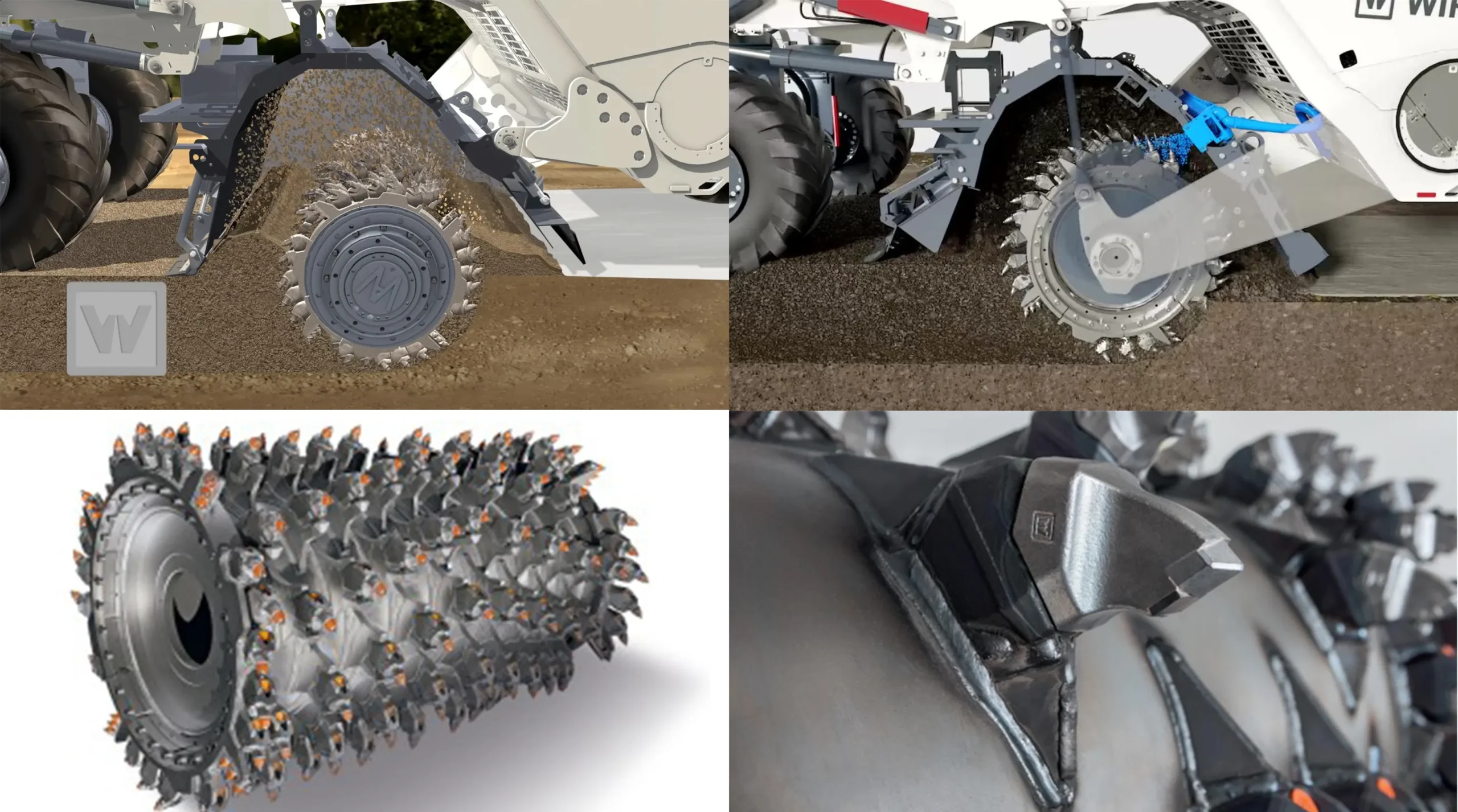
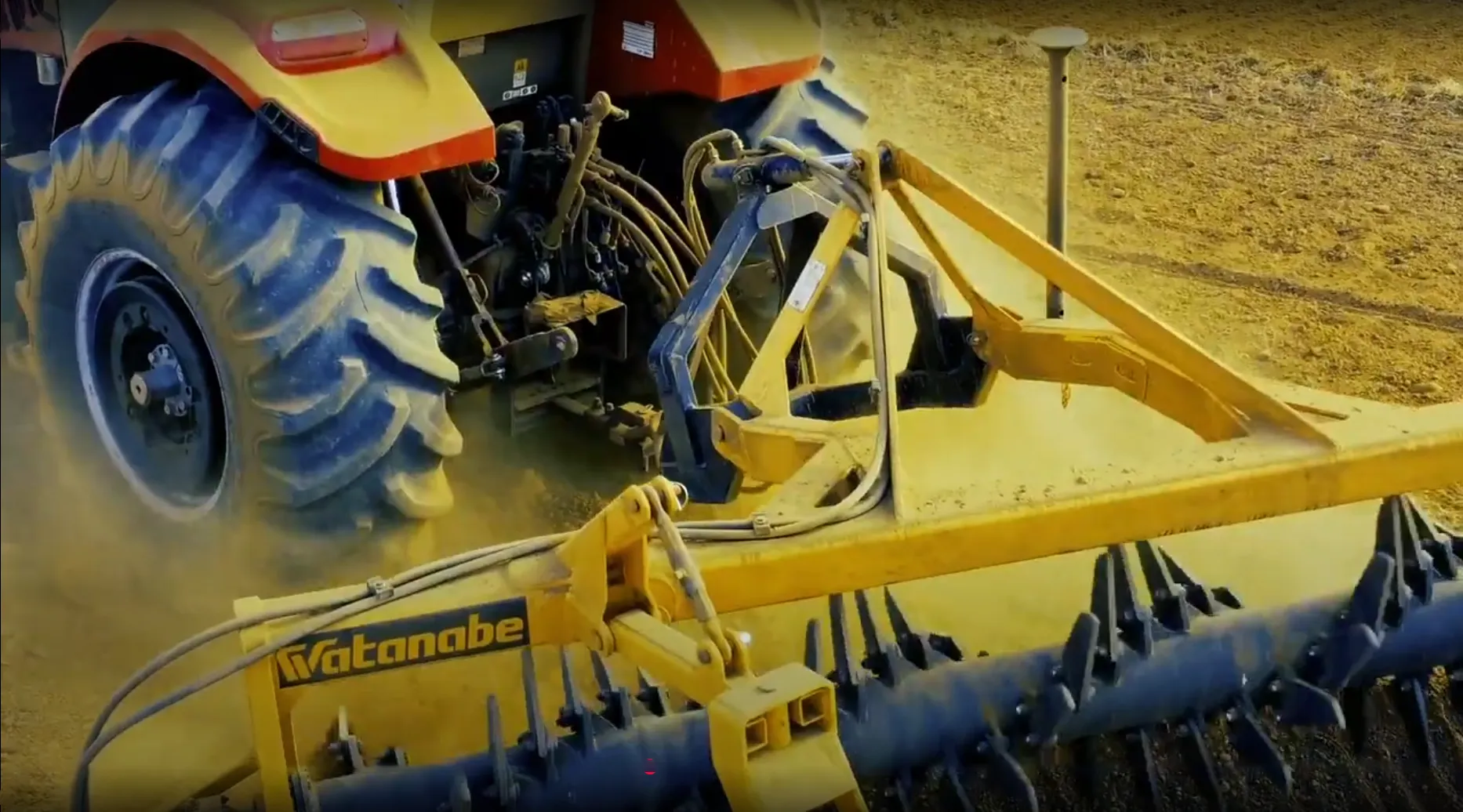
Toprak stabilizasyon ekipmanları ise, karıştırma ve stabilizasyon maddelerini entegre ederek salt yoğunlaştırmanın ötesine geçen yenilikçi bir yaklaşımı temsil eder. Brezilya Watanabe Toprak Stabilizasyon Makinesi Şirketi tarafından üretilenler gibi makineler, traktörlere takılır ve kireç, çimento veya uçucu kül gibi malzemeleri doğrudan toprağa karıştırmak için döner karıştırıcılar, su depoları ve katkı maddesi dağıtım sistemleri içerir. Bu işlem, toprağın özelliklerini kimyasal olarak değiştirerek daha homojen ve dayanıklı bir matris oluşturur.
Operasyonel olarak, bir toprak stabilizatör makinesihttps://soilstabilizermachine.com/ adresinde detaylı olarak açıklanan modellerimiz gibi, bu sistem, toprağı belirli bir derinliğe (genellikle 10 inç'e kadar) kadar kazıyarak ve stabilizatör enjekte ederek çalışır. Brezilya bağlamında, bu yöntem özellikle demir açısından zengin bileşimlerin kireç ilavesine iyi yanıt verdiği Minas Gerais'teki lateritik toprakların işlenmesinde etkilidir ve 150 psi veya daha fazla serbest basınç dayanımı elde edilmesini sağlar. Ekipman, saatte 5-8 mil hızla çalışarak, Goias eyaletindeki otoyol projeleri gibi geniş alanların verimli bir şekilde kaplanmasına olanak tanır.
Modern stabilizatörlerin özellikleri arasında, Parana'nın engebeli arazileri gibi düzensiz arazilerde hassasiyet için ayarlanabilir rotor derinlikleri ve sert koşullara dayanabilen, sızdırmaz bileşenler bulunur; bu sayede Brezilya'nın güneyindeki daha soğuk kışlarda donma gibi sorunlar önlenir. Geleneksel yöntemlerden farklı olarak, stabilizasyon, BR-101 otoyolu boyunca yapılan projelerde görüldüğü gibi, nem kontrolünün eşit karışımı sağladığı, ıslak veya yapışkan topraklarda topaklanma olmadan işlem yapabilir.
Gelişmiş modellerimizde GPS güdümlü sistemler gibi teknolojinin entegrasyonu, katkı maddesi uygulamasında doğruluğu artırarak atık miktarını ve çevresel etkiyi azaltır. Örneğin, tuzlu toprakların zorluk yarattığı Recife gibi kıyı bölgelerinde, stabilizatörler, sıkıştırmanın tek başına sağlayabileceğinin ötesinde, su direncini artırmak için bitüm emülsiyonları içerebilir.
Başlıca Karşılaştırmalar: Verimlilik ve Performans
Süreç Hızı ve Verimlilik
Verimlilik karşılaştırıldığında, toprak stabilizasyon ekipmanları genellikle hız ve çıktı açısından geleneksel sıkıştırma yöntemlerinden daha iyi performans gösterir. Geleneksel yöntemler, 95% sıkıştırma yoğunluğuna ulaşmak için birden fazla geçiş gerektirir (bazen 8-10'a kadar), bu da Brasilia'daki havaalanı genişletmeleri gibi büyük alanlarda günler sürebilir. Buna karşılık, bir toprak stabilizasyon makinesi, Brezilya Watanabe Toprak Stabilizasyon Makinesi Şirketi'nin özelliklerine göre, saatte 40-70 ton toprağı işleyerek tek veya çift geçişte toprağı işleyebilir ve stabilize edebilir.
Brezilya'da Büyüme Hızlandırma Programı (PAC) gibi programlar kapsamında hızla gelişen altyapı çalışmaları, proje sürelerinin kısalmasına yol açıyor. Örneğin, Bahia'nın kurak Caatinga bölgesinde bir kilometrelik yolun stabilize edilmesi, https://soilstabilizermachine.com/ adresinden temin edilen ekipmanlarla, tekrarlanan silindirleme yöntemine kıyasla yarı sürede tamamlanabiliyor; bu da müteahhitlerin mevsimsel yağmurlar arasında sıkı teslim tarihlerine uymalarını sağlıyor.
Toprak Mukavemeti ve Dayanıklılığı
Stabilizatörlerin üstün olduğu bir diğer alan da dayanıklılıktır. Geleneksel sıkıştırma, yoğunluğu artırır ancak toprağın doğal özelliklerini değiştirmez ve onu çevresel faktörlere karşı savunmasız bırakır. Amazon havzasının sel riski yüksek bölgelerinde, sıkıştırılmış toprak hızla aşınabilir ve sık sık onarım gerektirebilir. Bununla birlikte, toprak stabilizasyonu, parçacıkları kimyasal olarak bağlayarak kayma dayanımını ve hava koşullarına karşı direnci artırır. Testler, Sao Paulo'daki kentsel projelerde stabilize edilmiş toprakların, sıkıştırılmış eşdeğerlerine kıyasla 100-200 psi'lik bir basınç dayanımı artışı sağlayabildiğini göstermektedir.
Bu artırılmış dayanıklılık, Ceara gibi bölgelerdeki sismik aktivitenin dayanıklı temeller gerektirdiği Brezilya'daki uzun vadeli altyapı için çok önemlidir. Şirketimizin makineleri, hassas karıştırma yetenekleriyle, geleneksel sıkıştırılmış katmanlarda arızalara yol açabilecek zayıf noktaları önleyerek homojen bir dağılım sağlar.
Maliyet Etkileri
Maliyet açısından, toprak stabilizasyon ekipmanlarına yapılan ilk yatırımlar daha yüksektir ve bu makineler 150 HP veya daha fazla güce sahip traktörler gerektirir. Bununla birlikte, uzun vadeli tasarruflar önemli ölçüdedir. Geleneksel sıkıştırma genellikle aşırı kazı ve dolgu malzemesi ithalatını içerir ve Rondonia gibi uzak bölgelerde maliyetlere 15-30% ekler. Stabilizatörler, yerinde işlem yapılmasına, mevcut toprağın geri dönüştürülmesine ve nakliye maliyetlerinin 40%'ye kadar azaltılmasına olanak tanır; bu durum, Minas Gerais'teki örnek olay incelememizde beton molozlarının yerinde geri kazanılmasıyla gösterilmiştir.
Yakıt fiyatlarının dalgalandığı Brezilya ekonomisinde, stabilizatörlerin saatte 15-25 litre gibi daha düşük yakıt tüketimi, yakıt yoğunluğu yüksek silindir geçişlerine göre avantajlar sunmaktadır. Dahası, Belo Horizonte gibi yoğun trafikli bölgelerde stabilize edilmiş yolların bakım ihtiyacının azalması, yaşam döngüsü maliyetlerini düşürerek sürdürülebilir kalkınma için stratejik bir seçim haline gelmektedir.
Çevresel ve Sürdürülebilirlik Yönleri
Çevresel açıdan bakıldığında, toprak stabilizasyon ekipmanları geleneksel yöntemlere göre sürdürülebilirliği daha etkili bir şekilde desteklemektedir. Sıkıştırma, özellikle Brezilya'nın Cerrado savanaları gibi biyolojik çeşitlilik açısından zengin bölgelerinde toprak erozyonuna ve habitat bozulmasına yol açabilir. Stabilizatörler, toprağı yerinde işleyerek tahribatı en aza indirir, yeni taş ocaklarına olan ihtiyacı azaltır ve böylece doğal manzaraları korur.
Salvador'daki kıyı erozyon kontrolü gibi çevreye duyarlı projelerde, https://soilstabilizermachine.com/ adresindeki makinelerimiz, stabilite sağlamak için genellikle sadece su ve kireç olmak üzere minimum katkı maddesi kullanır ve bazı geleneksel iyileştiricilere kıyasla kimyasal kullanımını 50% azaltır. Bu, Brezilya Çevre ve Yenilenebilir Doğal Kaynaklar Enstitüsü'nün (IBAMA) yeşil inşaat uygulamalarını teşvik eden Brezilya düzenlemeleriyle uyumludur.
Ayrıca, stabilizasyon toz ve yüzey akışını azaltarak Curitiba gibi kentsel merkezlerde hava ve su kalitesine fayda sağlar. Kaya kırıcı entegrasyonlarımızda olduğu gibi malzemelerin geri dönüştürülmesi, döngüsel ekonomi prensiplerini destekleyerek Rio Grande do Sul gibi yoğun nüfuslu eyaletlerde atıkların çöplüklere gitmesini önler.
Brezilya Bağlamındaki Uygulamalar
Yol ve Otoyol İnşaatı
Brezilya'nın geniş yol ağında, ilk temel katmanlar için geleneksel sıkıştırma yaygın olsa da, zorlu topraklarda alt temeller için stabilizatörler giderek daha fazla tercih edilmektedir. Örneğin, Kuzeydoğu'nun genleşen killerinde, tek başına sıkıştırma muson yağmurları sırasında yetersiz kalırken, Brezilya Watanabe Toprak Stabilizatör Makine Şirketi'nin ekipmanları kullanılarak kireçle stabilizasyon, Trans-Amazon gibi otoyollar için kalıcı destek sağlamaktadır.
Anavatanımız Parana'daki projeler, stabilizatörlerin düz tarım arazilerinden inişli çıkışlı tepelere kadar çeşitli arazilerde nasıl performans gösterdiğini ve ıslak koşullarda levha oluşumunu önleyerek silindirlerden daha iyi sonuçlar verdiğini sergiliyor.
Tarım Arazisi Hazırlığı
Brezilya ekonomisinin temel direklerinden biri olan tarım, stabilizasyondan büyük ölçüde fayda görmektedir. Geleneksel sıkıştırma yöntemi, Mato Grosso do Sul'daki soya tarlalarında temel tarla tesviyesi için uygundur, ancak erozyona eğilimli yamaçlar için stabilizatörler, nemi daha iyi tutan teraslı, stabil topraklar oluşturur. Günde 300 ton kapasiteli makinelerimiz, Goiania gibi bölgelerde büyük ölçekli hazırlık yaparak ürün verimini artırmaktadır.
Kentsel ve Endüstriyel Gelişmeler
Sao Paulo gibi alanın sınırlı olduğu kentsel ortamlarda, stabilizatörler, geleneksel yöntemlerin yıkıcı doğasının aksine, kapsamlı kazı yapmadan verimli toprak iyileştirme olanağı sağlar. 2024 yılındaki vaka çalışmamıza göre, Minas Gerais'teki endüstriyel alanlarda, entegre kaya kırıcılar ve stabilizatörler kullanılarak molozlar geri dönüştürülmekte ve madencilik yoğun bölgelerde çevresel ayak izi azaltılmaktadır.
Zorluklar ve Sınırlamalar
Avantajlarına rağmen, toprak stabilizatörlerinin zorlukları da vardır. Basit sıkıştırma silindirlerinin aksine, yetenekli operatörler gerektirirler; bu da Brazil Watanabe Soil Stabilizer Machine Co., Ltd.'de sunduğumuz eğitim programlarını zorunlu kılar. Brezilya Yaylalarının çok kayalık arazilerinde, ön kırma gerekebilir ve bu da ek adımlar anlamına gelir.
Geleneksel yöntemler, daha az çok yönlü olmakla birlikte, düşük bütçeli senaryolarda daha toleranslıdır; ancak zayıf topraklarda yetersiz kalır ve daha yüksek başarısızlık oranlarına yol açar. Stabilizatörlerden kaynaklanan yaklaşık 90 dB'lik gürültü ve toz, sıkıştırmaya benzer şekilde kişisel koruyucu ekipman gerektirir, ancak su püskürtme özelliklerimiz sayesinde kontrol altına alınabilir.
Vaka Çalışmaları ve Gerçek Dünya Örnekleri
Minas Gerais'te dikkat çekici bir örnek olarak, kaya kırıcı ve stabilizatörümüz kentsel atık alanlarında günde 45 ton atık işleyerek 351.000 ton tasarruf sağladı ve çevre dostu sonuçlar elde etti. Dolgu malzemesi ithalini gerektiren geleneksel sıkıştırma yöntemine kıyasla, bu yaklaşım malzemeleri yerinde geri dönüştürerek Brezilya'nın sürdürülebilirlik hedefleri için ideal bir çözüm sundu.
Uluslararası alanda, ancak Brezilya'ya uyarlanabilir şekilde, yağışlı iklimlerdeki projeler, stabilizatörlerin erozyonu 50% oranında azalttığını göstermektedir; bu da, sıkıştırmanın sıklıkla erozyona neden olduğu Amazon yolları için büyük bir avantajdır.
Gelecek Trendler ve Yenilikler
Geleceğe baktığımızda, makinelerimizde gerçek zamanlı izleme için IoT gibi entegrasyonlar daha da büyük verimlilik vaat ediyor. İnşaat sektöründe dijitalleşmenin yükselişte olduğu Brezilya'da, bu gelişmeler geleneksel ve modern yöntemler arasındaki boşlukları kapatabilir ve Fortaleza'nın sıcağından Florianopolis'in kıyılarına kadar farklı iklimlerde en iyi sonuçlar için yaklaşımları birleştirebilir.
Özetle, geleneksel toprak sıkıştırma yöntemleri temel uygulamalar için güvenilirlik ve basitlik sunarken, toprak stabilizasyon ekipmanları özellikle Brezilya'nın çeşitli coğrafyalarına uygun olarak üstün dayanıklılık, verimlilik ve sürdürülebilirlik sağlar. Amazon havzasının neminden Parana'nın tarım alanlarına kadar, stabilizasyon seçimi proje sonuçlarını dönüştürebilir. Brazil Watanabe Soil Stabilizer Machine Co., Ltd., kalıcı altyapı için uzmanlığın yenilikle buluştuğu çözümlerimizi https://soilstabilizermachine.com/ adresinde keşfetmenizi davet ediyor. Bu karşılaştırmaları anlayarak, profesyoneller Brezilya'nın dinamik inşaat sektöründe ilerlemeyi sağlayan bilinçli kararlar alabilirler.