No cenário contemporâneo do desenvolvimento de infraestrutura global, a busca pela “Construção Verde” deixou de ser uma preferência de nicho para se tornar uma exigência industrial absoluta. Com a expansão urbana contínua e a crescente demanda por redes de transporte robustas, o custo ambiental da construção tradicional — caracterizada por altas emissões de carbono, esgotamento de recursos e geração massiva de resíduos — torna-se insustentável. No cerne dessa era transformadora está a máquina estabilizadora de soloA estabilização de solos é uma sofisticada peça de engenharia projetada para aprimorar as propriedades físicas do solo natural. Integrar essa tecnologia às práticas sustentáveis não se resume à simples compra de equipamentos; trata-se de uma mudança de paradigma na forma como percebemos o solo sob nossos pés. Em vez de encarar o solo de baixa qualidade como um resíduo a ser removido e substituído, a engenharia sustentável moderna o trata como matéria-prima que pode ser trabalhada in situ. Este guia abrangente explora a integração multifacetada da tecnologia de estabilização de solos, preenchendo a lacuna entre o alto desempenho mecânico e a gestão ecológica.
O processo de integração começa com uma compreensão fundamental da mecânica e química dos solos. A construção sustentável exige que minimizemos a “energia incorporada” de nossos projetos — a energia total necessária para extrair, processar, transportar e instalar materiais. Os métodos tradicionais geralmente envolvem a “escavação”, onde o solo instável é removido e levado para um aterro sanitário, enquanto o agregado virgem é extraído de pedreiras e transportado por caminhão até o local da obra. Essa abordagem “linear” é um dos principais fatores que contribuem para a pegada de carbono relacionada à construção. Em contrapartida, o uso de um estabilizador de solo permite uma abordagem “circular”. O rotor de alto desempenho da máquina pulveriza o solo existente, misturando-o com quantidades precisas de agentes aglutinantes, como cal, cimento ou cinzas volantes. Esse processo transforma o solo frágil e sensível à umidade em uma camada de fundação resistente e durável. Para alcançar esse resultado, os engenheiros devem realizar análises prévias rigorosas do local, determinando o aditivo químico ideal com base no índice de plasticidade e na mineralogia do solo. Somente por meio dessa interseção entre a ciência geológica e a precisão mecânica é que um projeto pode realmente se consagrar como sustentável.
Os mecanismos essenciais da sustentabilidade: como os estabilizadores de solo transformam os materiais in situ.
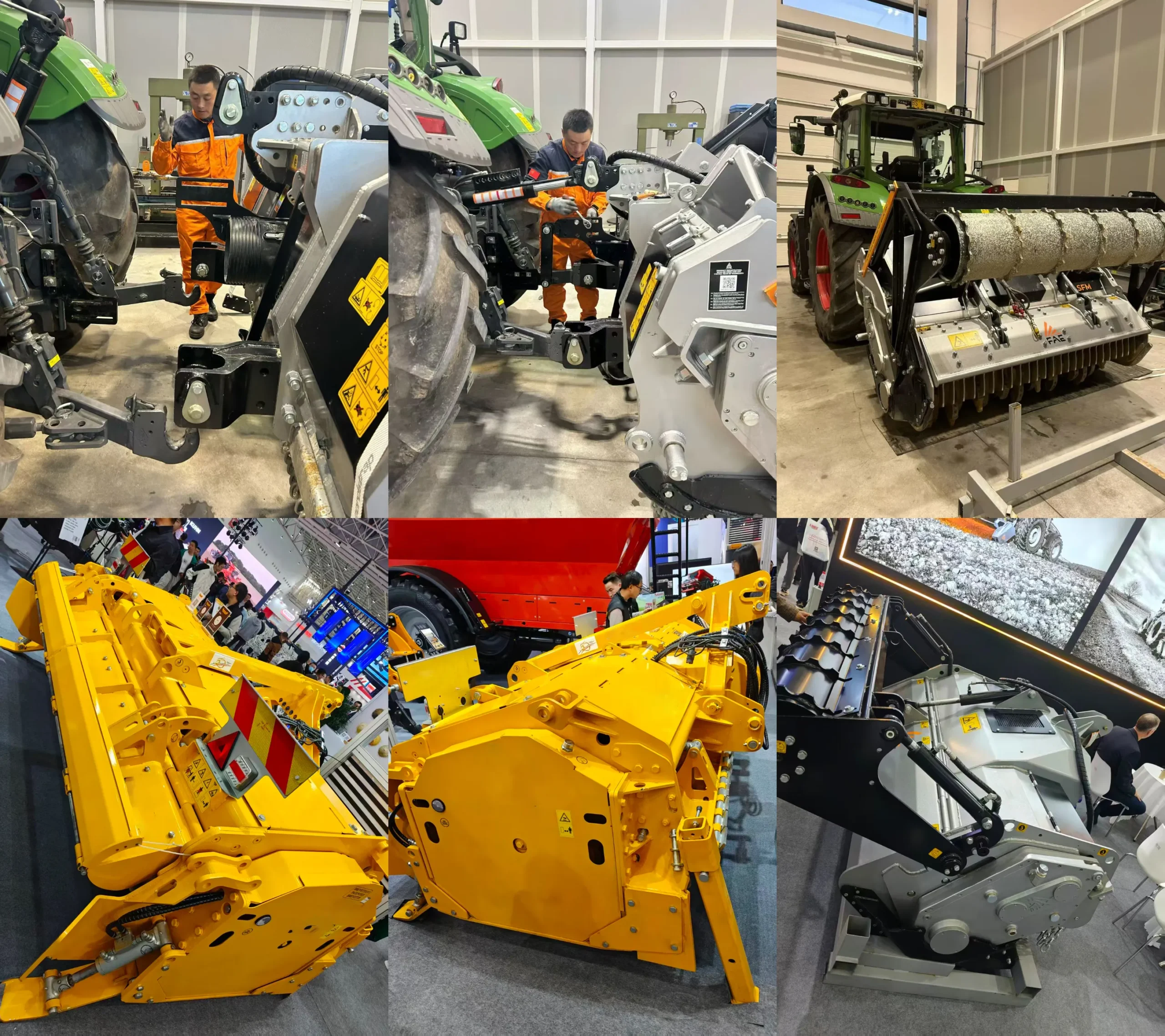
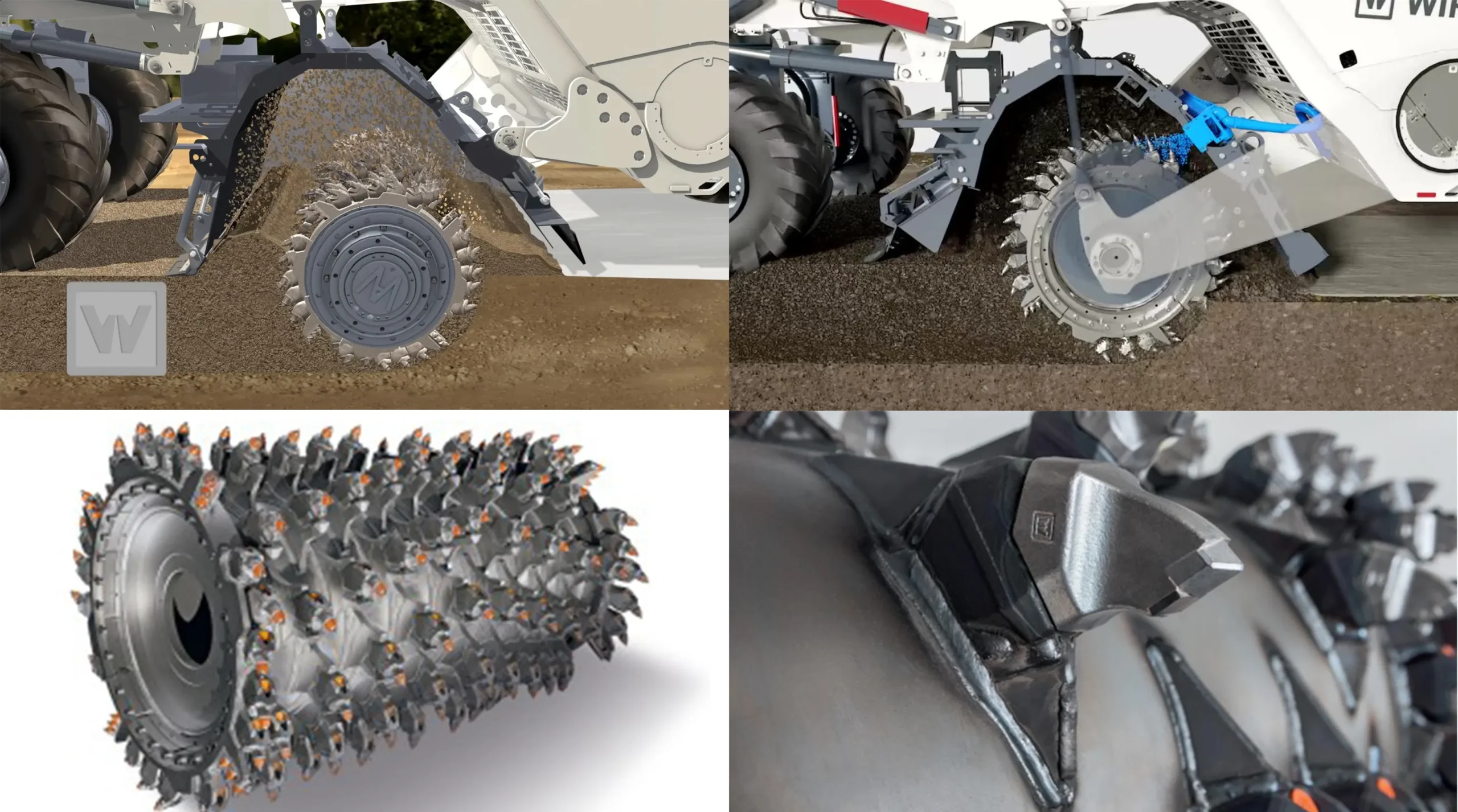
Para compreender a sustentabilidade de um estabilizador de solo, é preciso analisar a física interna da máquina. Essas unidades são equipadas com um tambor robusto, frequentemente cravejado de dentes com pontas de carboneto, capaz de penetrar profundidades de até 500 mm ou mais. À medida que o tambor gira, cria uma “câmara de mistura” localizada onde o solo é homogeneizado. Em um contexto sustentável, essa ação mecânica serve a dois propósitos: elimina a necessidade de agregados importados e garante que a sub-base resultante seja uniforme em densidade e resistência. A uniformidade é inimiga da deterioração do pavimento; ao criar uma placa monolítica de terra estabilizada, a máquina reduz o risco de recalque diferencial, principal causa de rachaduras e buracos nas estradas. Quando uma estrada dura mais tempo, a frequência de reparos diminui, levando a uma redução significativa no consumo de betume e brita a longo prazo. Esse modelo de “durabilidade como sustentabilidade” é o motivo pelo qual a estabilização de solos é hoje um pilar fundamental dos projetos de infraestrutura com certificação LEED e BREEAM.
Além disso, os benefícios ambientais se estendem à redução do tráfego no local. Em um projeto rodoviário típico, a logística de remoção de solo “ruim” e de transporte de material de base “bom” pode envolver milhares de viagens de caminhão. Cada viagem consome diesel, emite óxidos de nitrogênio e causa desgaste nas vias locais — muitas vezes levando a necessidades de construção secundária. Ao integrar uma estabilizador de soloCom a estabilização in situ, você transforma efetivamente o canteiro de obras em uma planta de processamento. O ciclo de transporte de entulho é praticamente eliminado. Em muitos casos, os gerentes de projeto relatam uma redução de 70 a 90 toneladas no tráfego de caminhões pesados após a transição para a estabilização in situ. Isso não só preserva o meio ambiente, como também reduz significativamente o impacto do projeto nas comunidades locais, diminuindo a poluição sonora e a poeira. Para empresas que operam em regiões ambientalmente sensíveis, como a bacia amazônica ou o Cerrado, no Brasil, essas máquinas são essenciais para minimizar o impacto físico do empreendimento no ecossistema circundante.
Integração estratégica com britadores de pedra para gestão de agregados reciclados
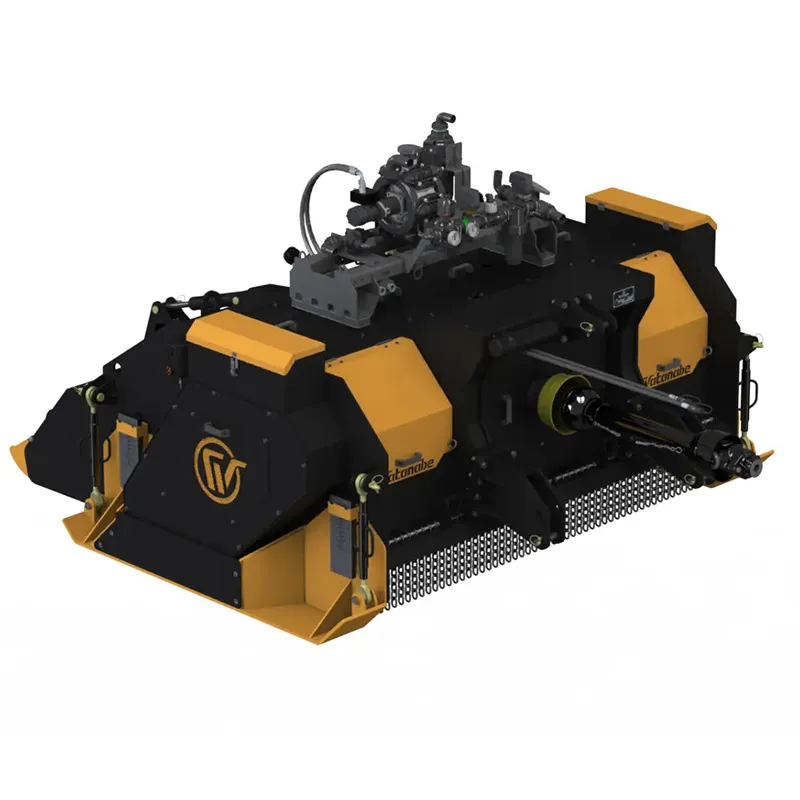
A construção sustentável raramente é uma operação realizada por uma única máquina. Ela exige uma frota que trabalhe em harmonia para maximizar a eficiência dos recursos. Uma das maneiras mais eficazes de aprimorar as capacidades de um estabilizador de solo é combiná-lo com um equipamento de alto desempenho. britador de pedraEm muitos projetos de revitalização de áreas contaminadas ou obras de reconstrução de estradas, o solo frequentemente apresenta fragmentos de concreto antigo, grandes pedras de rio ou restos de camadas asfálticas anteriores. Tradicionalmente, esses materiais seriam separados e descartados. No entanto, a integração permite a britagem desses "obstáculos" no próprio local, transformando-os em material granular utilizável. O britador de pedra prepara o material, garantindo que o tamanho do agregado seja ideal para o rotor do estabilizador. Quando essas duas máquinas trabalham em sequência, criam uma camada de base reciclada que rivaliza com a resistência da pedra britada virgem, mas a uma fração do custo ecológico e financeiro.
Essa sinergia é particularmente vital em regiões onde a pedra de pedreira de alta qualidade é escassa ou cara para transportar. Ao britar a pedra ou entulho existente no local, as construtoras podem atingir os valores de Índice de Suporte Califórnia (CBR) exigidos sem depender de cadeias de suprimentos externas. Esse fornecimento local é um pilar fundamental da “Sustentabilidade Econômica”. Do ponto de vista técnico, o britador de pedra reduz rochas grandes e difíceis de manejar a um agregado bem graduado. Essa granulometria é crucial porque preenche os vazios na matriz do solo. Quando o estabilizador de solo passa posteriormente, o agente ligante (como o cimento) pode revestir as partículas com mais eficácia, criando uma matriz densa e impermeável. Isso impede a entrada de água — o principal inimigo da estabilidade estrutural. Assim, a integração das tecnologias de britagem e estabilização representa o ápice da engenharia geotécnica moderna, transformando o que antes era considerado “resíduo de construção” na própria espinha dorsal de uma nova infraestrutura resiliente.
Otimizando o preparo do terreno: o papel dos rastelos de pedra na saúde do solo.
Antes que o processo de estabilização possa começar, o local deve ser meticulosamente preparado para garantir a longevidade do maquinário e a qualidade da mistura. É aqui que entra a integração de um Ancinho de pedra torna-se indispensável. Em muitos ambientes de construção, especialmente em terrenos “virgens” ou em áreas de conversão agrícola-industrial, o solo contém grandes pedras, raízes e detritos que podem danificar os delicados dentes de carboneto do rotor de um estabilizador. Um rastelo de rocha atua como o “primeiro a responder” no local, limpando o caminho e garantindo que o solo esteja “limpo” o suficiente para a estabilização. Ao remover grandes obstruções, o rastelo permite que o estabilizador opere em profundidade e velocidade consistentes, o que é fundamental para alcançar uma reação química uniforme em toda a camada tratada. A mistura consistente é a diferença entre uma estrada que dura vinte anos e uma que falha em cinco.
Do ponto de vista da sustentabilidade, o rastelo de rochas facilita uma melhor gestão do terreno. Em vez de usar uma escavadeira para empurrar indiscriminadamente a camada superficial do solo e as rochas em uma pilha (o que frequentemente leva à erosão e à perda de solo fértil), um rastelo remove seletivamente as pedras maiores, deixando as partículas menores e ricas em nutrientes no local. Essas rochas removidas podem então ser processadas pelos britadores de pedra mencionados anteriormente ou usadas para o controle da erosão em outras partes do projeto. Essa separação meticulosa de materiais é uma característica da construção responsável. Ela garante que cada elemento do terreno seja utilizado em seu potencial máximo. Além disso, ao proteger o estabilizador do desgaste desnecessário, o rastelo de rochas prolonga a vida útil das máquinas mais complexas, reduzindo a necessidade de peças de reposição e as emissões de carbono associadas à fabricação e ao transporte desses componentes pesados. É um ciclo de eficiência que começa com uma limpeza do terreno simples e eficaz.
Seleção de produtos químicos e conformidade ambiental na estabilização
A integração de um estabilizador de solo em um fluxo de trabalho sustentável também exige um estudo aprofundado da química dos aglomerantes. Os aglomerantes mais comuns — cal e cimento — têm pegadas de carbono significativas devido aos seus processos de fabricação em altas temperaturas. Para inovar de verdade, as práticas de construção sustentável estão cada vez mais recorrendo a subprodutos industriais. Materiais como escória granulada de alto-forno (GGBS), cinzas volantes (PFA) e até mesmo bioenzimas estão sendo usados como substitutos parciais dos aglomerantes tradicionais. Uma máquina moderna de estabilização de solo é projetada para lidar com esses pós variados com alta precisão. Sistemas avançados de dosagem garantem que a taxa de aplicação seja exata, evitando a aplicação excessiva de produtos químicos que poderiam contaminar o lençol freático ou alterar o pH do ecossistema circundante. É nessa precisão que o AIGC (Controle Gerado por Inteligência Artificial) e a telemática moderna desempenham um papel vital, permitindo que os operadores monitorem a composição da mistura em tempo real com base na localização por GPS e em sensores de umidade do solo.
A conformidade ambiental também exige que o processo de estabilização não interfira na hidrologia local. A pavimentação tradicional "impermeável" frequentemente leva ao aumento do escoamento superficial e a inundações urbanas. No entanto, ajustando os parâmetros de estabilização, os engenheiros podem criar camadas "semi-ligadas" que oferecem suporte estrutural, permitindo ainda um certo grau de drenagem natural, ou estabilização "permeável". Isso é particularmente importante em construções rurais e agrícolas, onde o objetivo geralmente é criar vias de acesso estáveis que não perturbem o lençol freático natural dos campos circundantes. A capacidade do estabilizador de solo de controlar com precisão o "índice de vazios" do material misturado permite esse nível de adequação ambiental. Ao escolher o ligante correto e as configurações mecânicas adequadas, as construtoras podem atender às rigorosas normas ambientais, entregando infraestrutura que resiste ao teste do tempo, comprovando que engenharia de alto desempenho e preservação ecológica não são mutuamente excludentes.
Estudo de Caso: Recuperação Sustentável de Estradas no Brasil Rural
Para entender o impacto real dessas máquinas, vamos examinar um projeto recente no coração agrícola do Mato Grosso, Brasil. O desafio era melhorar um trecho de 50 quilômetros de estrada rural que se tornava intransitável durante a estação chuvosa. A solução tradicional envolveria a importação de mais de 150.000 metros cúbicos de cascalho de uma pedreira a 200 quilômetros de distância. O custo estimado era proibitivo e a pegada de carbono apenas do transporte por caminhão foi calculada em mais de 1.200 toneladas de CO2. Em vez disso, a equipe do projeto optou por uma abordagem integrada de estabilização. Eles utilizaram um estabilizador de solo de alta capacidade para tratar o solo argiloso existente com uma mistura de cal 3%, reduzindo significativamente a plasticidade do solo e aumentando sua capacidade de suporte de carga. Os resultados foram transformadores, transformando uma estrada de terra sazonal em um corredor de tráfego pesado para o transporte de grãos durante todo o ano.
A integração não parou na camada estabilizadora. Como o leito da estrada continha trechos de paralelepípedos antigos e degradados, um britador de pedras acoplado a um trator foi usado para pulverizar as pedras no solo antes da passagem da camada estabilizadora. Isso reciclou 1001 TP4T do material existente. Um rastelo de pedras foi empregado nos estágios iniciais para remover detritos maiores e preparar a superfície. O projeto foi concluído 401 TP4T mais rápido do que o método de “escavação e substituição” e resultou em uma redução de 651 TP4T nos custos totais do projeto. Mais importante ainda, o impacto ambiental foi mínimo; a flora e a fauna locais não foram perturbadas pelo tráfego constante de caminhões, e a estrada resistiu a três grandes temporadas de chuvas sem deformações significativas. Este estudo de caso serve como um modelo de como máquinas integradas podem resolver problemas logísticos e ambientais complexos em regiões em desenvolvimento, proporcionando um caminho sustentável para a conectividade rural.
Sobreposição Agrícola: Da Estabilidade da Construção à Eficiência da Colheita
Embora o foco da estabilização do solo seja frequentemente a engenharia civil, a tecnologia compartilha uma essência com máquinas agrícolas de alto desempenho. Os mesmos princípios de homogeneização do solo e integridade estrutural que criam uma boa estrada também se aplicam à preparação de terrenos agrícolas em escala industrial. Por exemplo, no cultivo de batata em larga escala, a fase de "preparação do solo" é crucial. Se o solo estiver muito compactado ou contiver pedras grandes, pode danificar equipamentos sensíveis, como uma plantadeira. colhedora de batatasAo utilizar tecnologias complementares à estabilização do solo — como cultivadores rotativos e removedores de pedras — os agricultores podem garantir que o ambiente do solo esteja otimizado para o crescimento dos tubérculos e para a colheita mecanizada. Um campo bem preparado e livre de pedras reduz os danos às plantações, resultando em maiores rendimentos e melhor valor de mercado.
O ciclo de vida do uso sustentável da terra se completa durante a colheita. Máquinas pesadas, como uma colhedora de batatas Para que as máquinas agrícolas possam se deslocar pelos campos, a estrutura do solo deve ser capaz de suportar o peso sem compactação excessiva. O solo compactado perde a capacidade de reter água e oxigênio, levando à degradação a longo prazo. Nesse contexto, o conhecimento sobre estabilização do solo auxilia os agricultores no manejo de suas estradas rurais e áreas de estocagem. Ao estabilizar os principais acessos dentro de uma propriedade rural com um estabilizador de solo, os agricultores garantem que seus equipamentos pesados de colheita possam operar mesmo em condições de umidade, sem criar sulcos profundos que prejudiquem o perfil de drenagem do terreno. Essa visão holística do manejo do solo — seja para uma rodovia ou um campo de batatas — é o que define o produtor moderno e sustentável. Trata-se de compreender que a Terra é um sistema vivo que exige tanto respeito mecânico quanto cuidado científico.
O futuro da estabilização do solo
Olhando para o futuro, a integração de máquinas estabilizadoras de solo em práticas sustentáveis será cada vez mais orientada por dados. Estamos entrando na era da “Construção de Precisão”. Ao utilizar sensores no tambor da estabilizadora, podemos agora mapear a densidade e o teor de umidade do solo em tempo real. Esses dados são então usados para criar um “Gêmeo Digital” do local, permitindo que os engenheiros simulem o desempenho da camada estabilizada sob diversas condições climáticas. As ferramentas da AIGC podem analisar essas simulações para sugerir a mistura mais ecológica, potencialmente reduzindo o uso de ligante em mais 10-15%, mantendo a resistência necessária. Esse nível de otimização garante que nenhum recurso seja desperdiçado e que cada passagem da máquina seja a mais eficiente possível. O objetivo é um canteiro de obras com “zero desperdício”, onde a estabilizadora atua como a principal ferramenta para a transformação de materiais.
Além disso, a automação dessas máquinas está reduzindo o erro humano, que muitas vezes é uma fonte de desperdício de material. Sistemas automatizados de controle de profundidade e injeção de ligante garantem que a estabilização seja consistente em toda a área do projeto. Isso reduz a necessidade de retrabalho, que representa um gasto significativo de tempo e energia na construção tradicional. À medida que avançamos para equipamentos mais autônomos, o papel do operador passará do controle manual para o gerenciamento de sistemas de alto nível. Na Brazil Agricultural Balers Co., Ltd., estamos comprometidos em estar na vanguarda dessa evolução, fornecendo as máquinas e a expertise necessárias para navegar nesse futuro sustentável e de alta tecnologia. Seja construindo uma estrada pelas planícies do Mato Grosso ou preparando um campo para a próxima grande colheita, a integração de tecnologia de estabilização inteligente e poderosa é a chave para um mundo mais resiliente e responsável.
Sobre a Brazil Agricultural Balers Co., Ltd.
Localizada no coração do polo agrícola da América do Sul, Brasil Enfardadeiras Agrícolas Co., Ltda. Somos um fabricante líder e fornecedor global de máquinas pesadas para construção e agricultura. Especializamo-nos em soluções de engenharia que unem desempenho industrial e sustentabilidade ambiental. Nossas raízes profundas no mercado brasileiro nos permitiram desenvolver equipamentos que prosperam nos terrenos e climas mais desafiadores.
Nosso portfólio completo de produtos foi desenvolvido para atender às diversas necessidades da gestão moderna de terras, incluindo:
- Máquinas estabilizadoras de solo
- Britadores de pedra
- Ancinhos e catadores de pedras
- Rotavadores e cultivadores rotativos
- Sulcadores e plantadores de batata
- Cavadores e Colhedores de Batata
- Sistemas de Celeiros para Fertilizantes e Compostagem
Na Brazil Agricultural Balers Co., Ltd., acreditamos que o futuro do desenvolvimento reside no uso inteligente dos recursos locais. Nossa missão é capacitar empreiteiros e agricultores em todo o mundo com as ferramentas necessárias para construir infraestrutura duradoura e sistemas alimentares sustentáveis. Junte-se a nós em nossa jornada rumo a uma era industrial mais verde e eficiente.