A importância estratégica da seleção de equipamentos na infraestrutura moderna.
No ambiente de alto risco do desenvolvimento de infraestrutura em larga escala, a diferença entre o sucesso e o fracasso financeiro de um projeto muitas vezes reside em uma única variável: a qualidade da fundação. Selecionar uma máquina estabilizadora de solo A estabilização do solo não se resume a uma simples tarefa de aquisição; trata-se de uma decisão crítica de engenharia que determina a integridade estrutural de rodovias, pistas de aeroportos e zonas industriais por décadas. Ao lidar com milhares de hectares ou centenas de quilômetros, a abordagem de "tentativa e erro" é proibitivamente cara. Um investimento mal direcionado em máquinas com potência insuficiente leva a uma mistura desigual, penetração inadequada e, em última instância, a uma fundação que irá rachar ao primeiro sinal de estresse sazonal. Em regiões como o Brasil, onde as condições do solo variam de argilas tropicais expansivas a siltes arenosos, a demanda por uma solução de estabilização versátil e robusta é fundamental.
Um produto de nível profissional. estabilizador de solo Deve ser vista como uma planta móvel de processamento químico-mecânico. Sua função é pegar a matéria-prima inconsistente fornecida pela natureza e transformá-la em um ativo de engenharia previsível e de alto desempenho. Para projetos de grande escala, os principais critérios de seleção devem girar em torno de "produtividade" e "uniformidade". A produtividade se refere a quantos metros quadrados a máquina consegue estabilizar em um único turno sem fadiga mecânica, enquanto a uniformidade garante que cada centímetro cúbico da matriz solo-aglomerante atenda às especificações do projeto. A inconsistência é inimiga da durabilidade. Se o estabilizador não conseguir manter um torque constante enquanto tritura solos compactados, ele cria "pontos fracos" que levam a recalques diferenciais. Portanto, entender a relação entre a potência do motor, o projeto do rotor e o peso total da máquina é o primeiro passo para fazer uma escolha informada que garanta um alto retorno sobre o investimento (ROI).
Além disso, o cenário econômico da construção moderna está se voltando para a sustentabilidade. Selecionar a "melhor" máquina agora inclui avaliar sua capacidade de realizar a reciclagem in situ. Ao pulverizar o asfalto antigo e misturá-lo com a base subjacente, um estabilizador de alta qualidade reduz a necessidade de "cavernas de empréstimo" e a logística intensiva em carbono do transporte de novos agregados. Isso não apenas diminui o impacto ambiental do projeto, mas também reduz os custos de materiais em até 40%. Ao avaliar uma máquina para um grande projeto, também é preciso considerar o "fator de facilidade de manutenção". Em canteiros de obras remotos, o tempo de inatividade é o maior obstáculo para o lucro. Uma máquina com peças de desgaste acessíveis, proteção hidráulica robusta e um histórico comprovado em ambientes severos é sempre uma escolha melhor a longo prazo do que um modelo mais barato com uma cadeia de suprimentos frágil. Para a Brazil Agricultural Balers Co., Ltd., enfatizamos que um estabilizador é a âncora de toda a sua frota — se ele parar, os rolos compactadores param, as motoniveladoras param e o cronograma entra em colapso.
Análise da tecnologia de rotores e sistemas de transmissão de energia
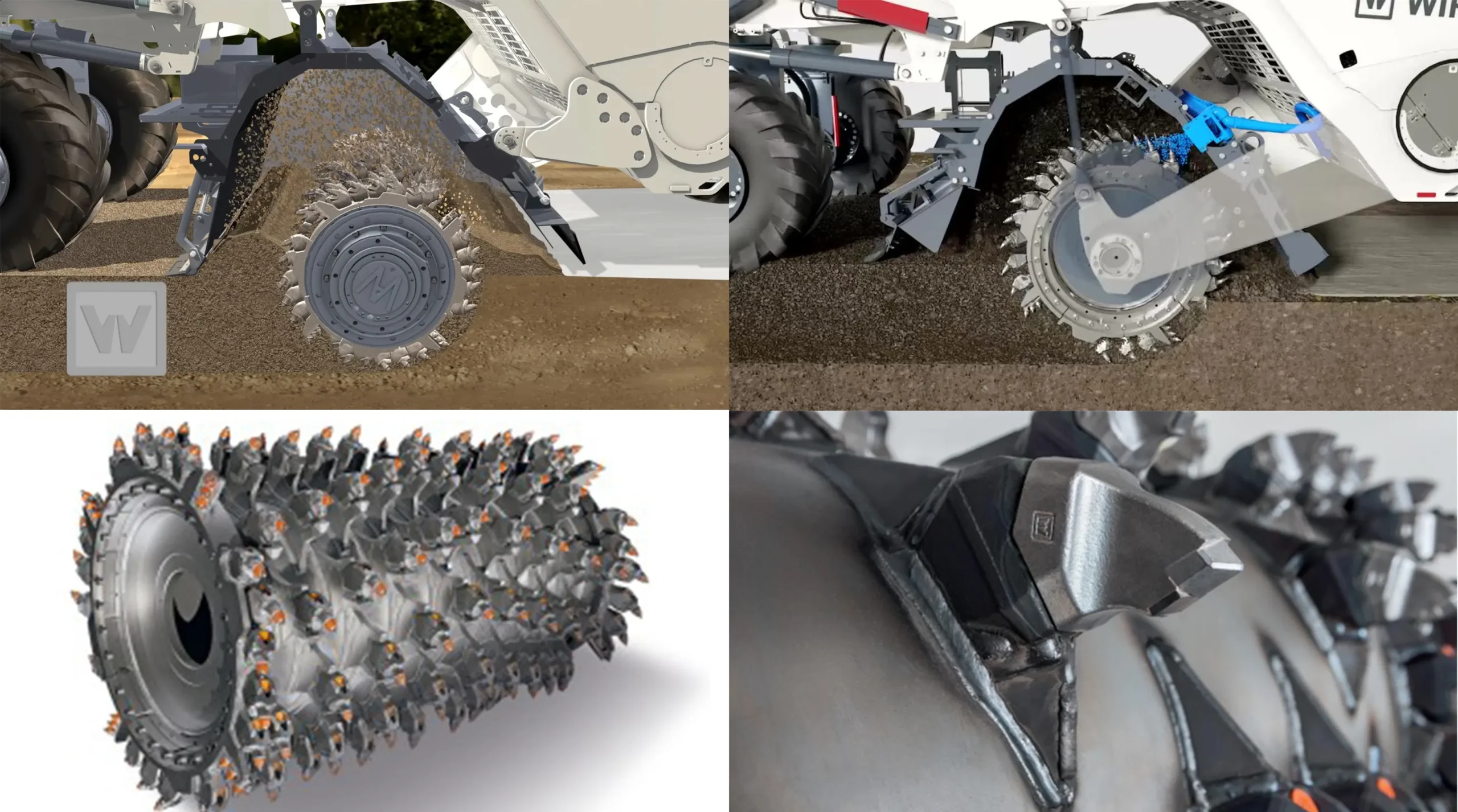
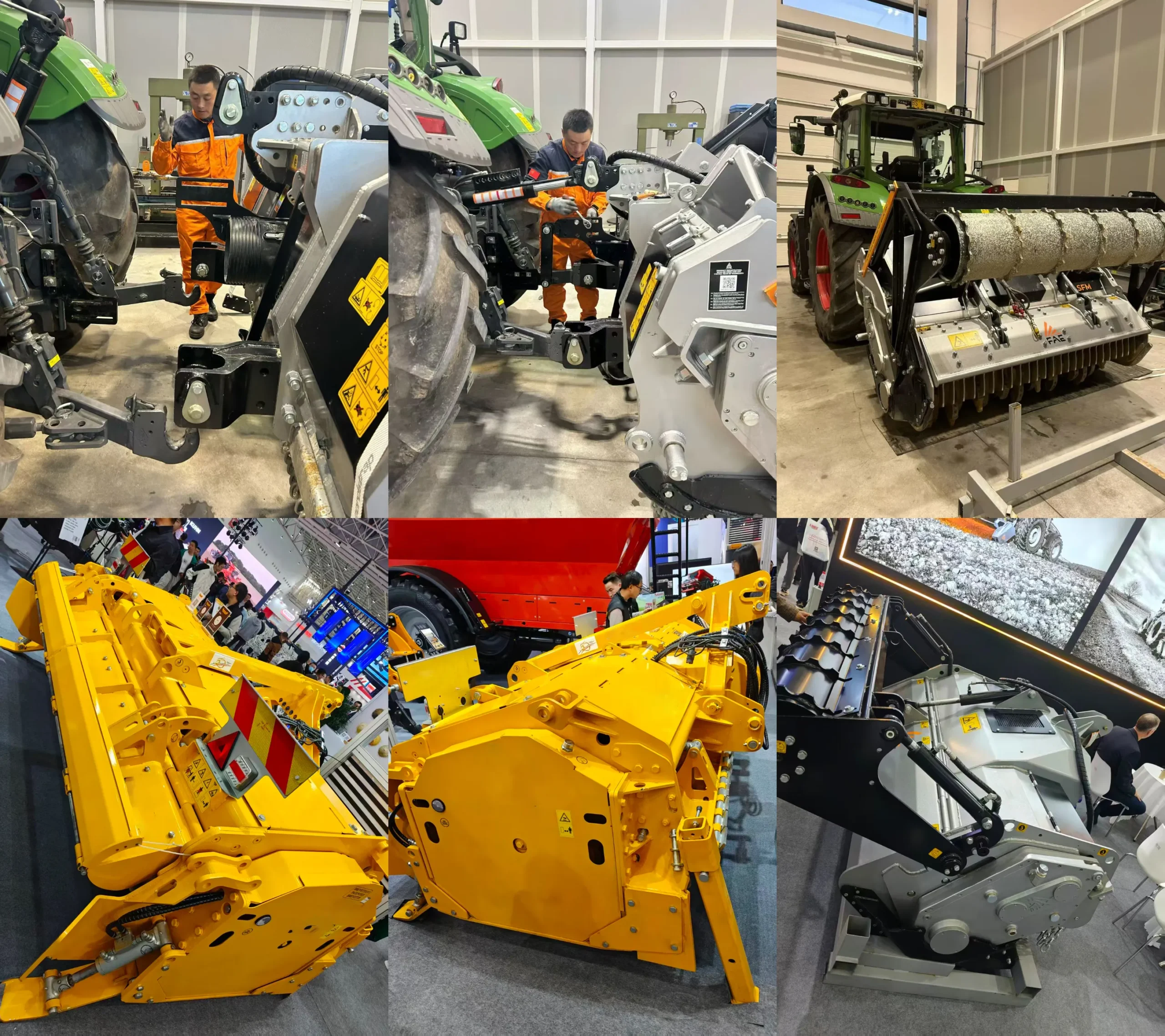
O coração de qualquer estabilizador de solo é o rotor de mistura e, para projetos de grande escala, um tambor "tamanho único" simplesmente não existe. O processo de seleção deve envolver uma análise profunda do diâmetro do rotor, do número de ferramentas de corte e do padrão em que estão dispostas. Um diâmetro de rotor maior permite uma penetração mais profunda — essencial para camadas estruturais que precisam suportar cargas industriais pesadas. No entanto, a mistura profunda exige um torque imenso. Isso nos leva ao debate entre sistemas de acionamento mecânico e hidráulico. Os acionamentos mecânicos são frequentemente preferidos por sua eficiência na transferência da potência bruta do motor para o tambor, tornando-os ideais para solos extremamente duros ou recuperação de pavimentos antigos. Os acionamentos hidráulicos, por outro lado, oferecem proteção superior contra impactos. Se o rotor atingir uma pedra enterrada, um sistema hidráulico pode parar e se recuperar, enquanto um acionamento mecânico pode sofrer uma falha catastrófica da engrenagem.
Para projetos que exigem alta precisão, as ferramentas de corte (brocas) são a linha de frente. Dentes com ponta de carboneto são padrão, mas o sistema de fixação é o que determina o tempo de atividade da máquina. Em grandes projetos, você estará triturando quilômetros de material abrasivo; a capacidade de trocar um conjunto completo de dentes em uma hora, em vez de um dia, faz toda a diferença. Além disso, a carcaça do rotor — a câmara de mistura — deve ser projetada para facilitar o “fluxo turbulento”. À medida que o solo é pulverizado, ele precisa ficar suspenso no ar por tempo suficiente para que o sistema de injeção cubra cada partícula com o aglomerante (cal, cimento ou betume). Se a câmara for muito apertada, o material “aglomera”, levando a uma estabilização irregular que eventualmente falhará. Ao selecionar sua máquina, solicite os dados de “eficiência de mistura”; um projeto de câmara superior garante que o aglomerante seja usado de forma eficaz, evitando o desperdício de agentes químicos caros que podem representar 30% do orçamento total do seu projeto.
Os estabilizadores modernos também integram sensores de profundidade controlados por microprocessador. Em grandes obras de terraplenagem, manter uma profundidade consistente de, digamos, exatamente 35 cm ao longo de um trecho de 10 km é praticamente impossível para um operador humano usando alavancas manuais. O controle automático de profundidade garante que o rotor se ajuste em tempo real às mudanças na elevação do terreno, evitando a “deriva” que compromete a espessura da camada de base. Essa precisão é particularmente vital quando o projeto envolve uma britador de pedra Para pré-processar uma superfície rochosa, o britador quebra os obstáculos mais pesados e, em seguida, o estabilizador entra em ação para criar a mistura homogênea final. A interação entre essas duas máquinas deve ser perfeita; se o estabilizador não for potente o suficiente para lidar com a pedra britada residual, a fundação permanecerá frágil. Rotores de alto torque com velocidades variáveis são a única maneira de garantir que a máquina se adapte à densidade variável do solo à medida que se desloca por vastas paisagens geologicamente diversas.
A sinergia entre a injeção de aglutinante e o controle de umidade
A estabilização é um processo tanto químico quanto mecânico. Em grandes projetos, a capacidade da máquina de dosar e injetar fluidos com precisão é o que diferencia uma estrada que dura 5 anos de uma que dura 50. A maioria dos estabilizadores de alto desempenho possui uma barra de pulverização conectada a um caminhão-tanque. O sistema deve ser capaz de lidar com diversas "receitas" — desde água simples para correção de umidade até emulsões complexas de betume e pastas de cimento. O sistema de injeção deve ser "dependente da velocidade", ou seja, a vazão deve aumentar automaticamente conforme a máquina acelera e diminuir conforme ela desacelera. Sem essa automação, corre-se o risco de "pontos quentes" de saturação do ligante, que criam zonas escorregadias e instáveis, impossíveis de compactar corretamente. É aqui que a verdadeira engenharia de uma máquina parceira da Brazil Agricultural Balers Co.,Ltd se destaca: no software integrado que gerencia essas proporções com precisão milimétrica.
Integração Logística: Abrindo Caminho para o Sucesso
Uma máquina estabilizadora de solo é poderosa, mas até a mais potente tem seus limites. Em projetos de grande escala, o terreno costuma ser "bruto" — não preparado, cheio de detritos ou infestado por pedras no subsolo. Um dos erros mais comuns na seleção de equipamentos é superestimar a capacidade da máquina estabilizadora de atuar como principal ferramenta de limpeza. Para proteger seu investimento e garantir a máxima produtividade diária, a seleção de uma máquina estabilizadora deve ser acompanhada da seleção de ferramentas de apoio adequadas. Por exemplo, o uso de uma ancinho de pedra A remoção de grandes obstruções da superfície antes da chegada do estabilizador pode aumentar a vida útil dos dentes do rotor em 300%. Essa fase de preparação permite que o estabilizador se concentre em sua função principal: a mistura em alta velocidade. Com o terreno limpo, o estabilizador pode manter sua velocidade máxima de avanço, o que é essencial para cumprir os prazos apertados de contratos de infraestrutura multimilionários.
Em grandes empreendimentos imobiliários, a transição entre “construção civil” e “utilidade agrícola” costuma ser uma área cinzenta. Em muitas regiões, as estradas são estabilizadas especificamente para permitir a circulação de máquinas agrícolas pesadas durante as épocas de colheita. Se você está preparando a terra para o cultivo de alta produtividade, o estabilizador fornece a base, mas também é preciso considerar as máquinas que o seguem. Por exemplo, uma estrada de acesso bem estabilizada garante a passagem de máquinas pesadas. colhedora de batatas ou um sofisticado colhedora de batatas É possível chegar aos campos mesmo durante a estação chuvosa sem atolar na lama. Essa visão intersetorial é vital para grandes proprietários de terras e planejadores governamentais regionais. Você não está apenas construindo uma estrada; está construindo uma cadeia de suprimentos. A máquina escolhida deve ser capaz de criar uma superfície que suporte os pneus de alta pressão das colheitadeiras modernas, que muitas vezes são mais pesados do que os equipamentos de construção usados para construir a estrada.
A eficiência logística também significa considerar a “mobilidade” da máquina. Para grandes projetos distribuídos por diferentes locais, qual a facilidade de transporte do estabilizador? É necessário um alvará especial para cargas superdimensionadas ou ele pode ser desmontado em módulos menores? Os melhores estabilizadores para grandes projetos geralmente possuem direção nas quatro rodas e modo de direção lateral, permitindo manobrar em espaços apertados ou trabalhar próximo a barreiras. Essa manobrabilidade reduz o tempo ocioso gasto reposicionando a máquina ao final de cada passada. Além disso, o ambiente do operador — a cabine — não pode ser negligenciado. Em um projeto que dura 18 meses, a fadiga do operador é um risco real. Uma cabine com visibilidade de 360 graus, amortecimento de vibrações e filtragem de ar de alta qualidade (vital ao trabalhar com cal em pó) garante que o elemento humano da operação permaneça tão confiável quanto o mecânico. Na Brazil Agricultural Balers Co.,Ltd, priorizamos a ergonomia do operador tanto quanto o torque do rotor.
Estudo de caso: Estabilizando a rodovia de transporte periférica da Amazônia
Para ilustrar o processo de seleção na prática, vamos examinar um caso real envolvendo um corredor logístico de 120 quilômetros no norte do Brasil. O projeto visava conectar um novo polo agrícola a um porto fluvial. O solo era um Latossolo com alto teor de umidade e extrema plasticidade — um pesadelo para a construção de estradas tradicionais. As estimativas iniciais para uma estrada de cascalho convencional foram descartadas devido à falta de pedreiras locais; transportar pedra de 400 km de distância teria inviabilizado o projeto. Decidiu-se, então, utilizar a estabilização in situ. A equipe de seleção avaliou três classes diferentes de estabilizadores de solo, com foco em sua “capacidade de resistência a condições de chuva intensa” e “precisão na integração química”.
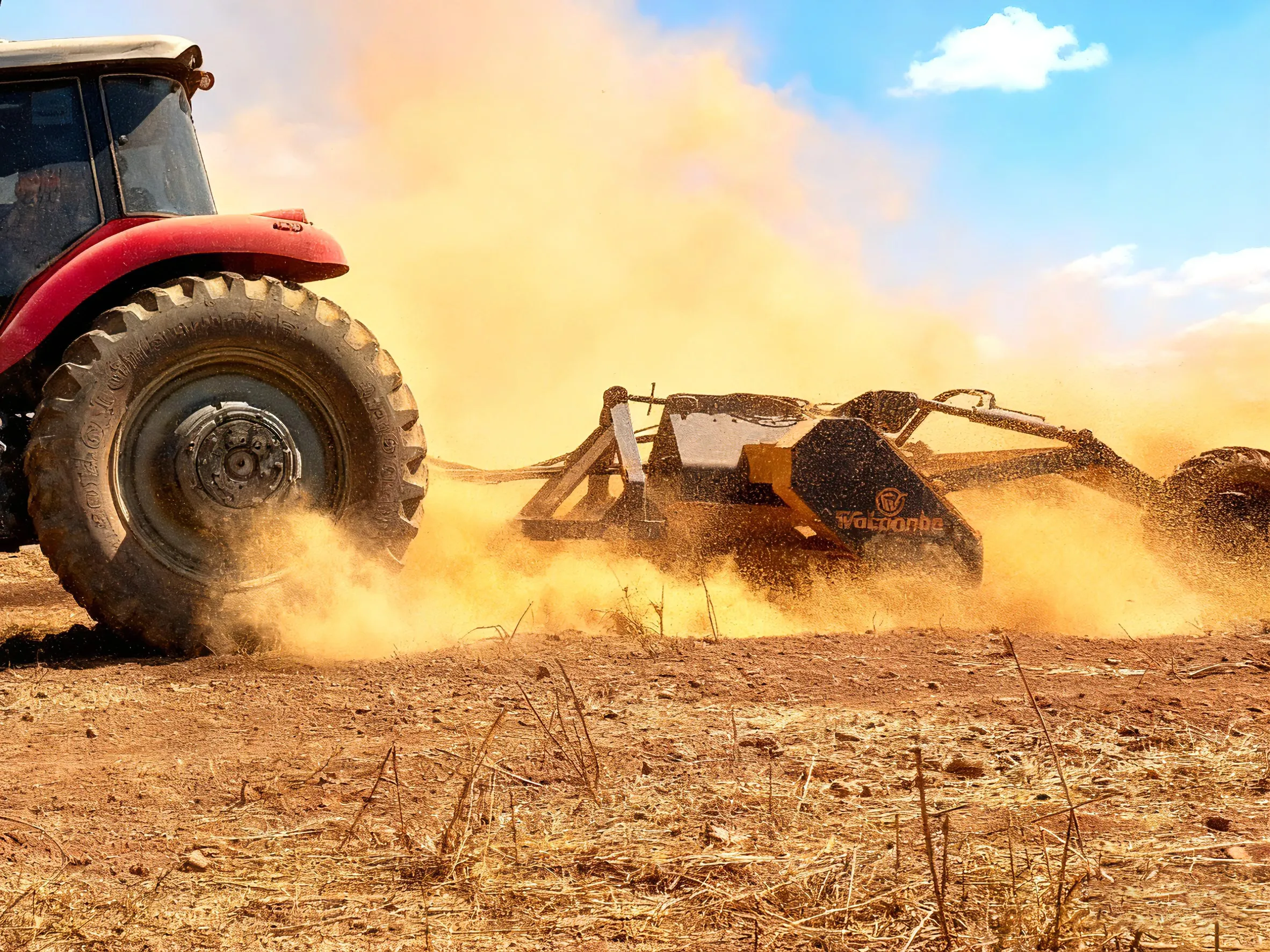
A máquina escolhida foi um modelo de acionamento mecânico de alto torque com um rotor de 50 cm de profundidade. A seleção baseou-se no sistema de injeção "tudo-em-um" da máquina, capaz de lidar simultaneamente com pasta de cimento e cal. Como o latossolo era muito mole, a equipe primeiro utilizou uma série de removedores de pedras e rastelos para garantir que nenhum toco ou rocha escondida danificasse os rotores de alta velocidade. Uma vez que o caminho foi previamente limpo, o estabilizador moveu-se a uma velocidade constante de 8 metros por minuto, injetando uma mistura rica em cal para "amaciar" a argila. Em 48 horas, a plasticidade da argila havia diminuído em 60%, permitindo uma segunda passagem com um aglomerante de cimento para criar uma base rígida e semi-ligada. Essa estratégia de dupla passagem só foi possível porque a máquina selecionada tinha potência suficiente para repulverizar a argila "amaciada" sem comprometer a potência do motor.
O resultado foi um sucesso estrutural. A estrada atingiu um Índice de Suporte Califórnia (CBR) superior a 80%, rivalizando com a resistência de pavimentos de concreto tradicionais, mas a uma fração do custo. Mais importante ainda, o projeto foi concluído 4 meses antes do prazo, pois a alta confiabilidade do estabilizador resultou em menos de 10 horas de manutenção não programada em todo o trecho de 120 km. Este estudo de caso comprova que a “melhor” máquina não é necessariamente aquela com as melhores especificações técnicas, mas sim aquela que se adapta aos desafios geomorfológicos específicos do local e se integra perfeitamente ao fluxo de trabalho de pré-limpeza e pós-compactação. Para nossos clientes, este projeto tornou-se o modelo para o desenvolvimento regional futuro, demonstrando que, com o estabilizador certo, até mesmo os ambientes mais desafiadores podem ser superados.
Avaliação final: manutenção, vida útil e custo total de propriedade.
O último pilar para a seleção de projetos de grande escala é o Custo Total de Propriedade (TCO). Um preço de compra inicial mais baixo costuma ser uma ilusão que mascara custos operacionais muito mais altos. Ao avaliar o TCO, é preciso considerar o consumo de combustível (galões por hectare), a vida útil das peças de desgaste e o “valor residual” da máquina. Uma estabilizadora de solo de alta qualidade, de um fabricante renomado como os que representamos na Brazil Agricultural Balers Co., Ltd., retém uma parte significativa do seu valor mesmo após 5.000 horas de operação. Isso ocorre porque os componentes estruturais principais — o chassi, a carcaça do rotor e a caixa de engrenagens — são construídos com aço de alta resistência à fadiga, que pode ser reformado em vez de substituído. Em contrapartida, máquinas “descartáveis” frequentemente sofrem rachaduras na estrutura devido às intensas vibrações da estabilização, resultando em um valor de sucata zero ao final do projeto.
Os cronogramas de manutenção também devem ser um fator decisivo. Grandes projetos operam em um ritmo constante. Se uma máquina requer uma manutenção complexa a cada 200 horas, que leva 12 horas para ser concluída, esse ritmo é interrompido. Procure máquinas com "facilidade de manutenção ao nível do solo", onde todos os filtros, pontos de lubrificação e lubrificação sejam facilmente acessíveis sem a necessidade de subir na máquina. Esse design, que prioriza a segurança, reduz o risco de acidentes de trabalho e garante que a manutenção seja de fato realizada, em vez de ser negligenciada por uma equipe cansada. Por fim, considere o suporte técnico. O fabricante oferece telemática? Ele consegue diagnosticar uma queda de pressão hidráulica a quilômetros de distância? Na era digital, um estabilizador que comunica seu estado em tempo real é um recurso valioso que previne falhas catastróficas antes que elas aconteçam, mantendo seu projeto de grande escala dentro do cronograma, do orçamento e rumo a uma conclusão bem-sucedida.
Sobre a Brazil Agricultural Balers Co.,Ltd
Brasil Enfardadeiras Agrícolas Co.,Ltd Somos uma empresa reconhecida mundialmente como especialista na fabricação e distribuição de máquinas agrícolas e industriais de grande porte. Com raízes nas exigentes paisagens do Brasil, aperfeiçoamos a arte do preparo do solo e do manejo agrícola. Nossas máquinas são projetadas para integrar a construção civil pesada à produção agrícola de alta eficiência, garantindo que nossos clientes possam construir fundações e colher safras com confiabilidade incomparável.
Nossa linha de produtos premium inclui:
- Máquinas estabilizadoras de solo
- Britadores de pedra
- Ancinhos e catadores de pedras
- Rotavadores e cultivadores rotativos
- Sulcadores e plantadores de batatas
- Cavadores e colhedores de batatas
- Fertilizantes e Soluções para Celeiros de Compostagem
Na Brazil Agricultural Balers Co., Ltd., não vendemos apenas equipamentos; oferecemos a parceria em engenharia necessária para conquistar os terrenos mais difíceis do mundo. Da estrada à colheita, estamos com você em cada etapa do processo.