Mikroprocesszoros vezérlésű befecskendező rendszerek precíziós kötéshez
Az építőmérnöki tudományok történetében a talajstabilizáció gyakran pontatlan tudomány volt, amely nagymértékben a kezelő intuíciójára támaszkodott a kötőanyagok és a föld arányának kezelésében. Az utóbbi évek legjelentősebb ugrása azonban a nagy pontosságú, mikroprocesszor-vezérelt befecskendező rendszerek kifejlesztése volt. Modern talajstabilizátor Az egységek ma már kifinomult szórórudakkal vannak felszerelve, amelyek milliliter pontossággal képesek vizet, cementiszap- vagy bitumenemulziókat közvetlenül a keverőkamrába fecskendezni. Ezek a rendszerek radarérzékelőket és áramlásmérőket használnak a gép haladási sebességének valós idejű figyelésére, automatikusan beállítva az áramlási sebességet, hogy tökéletesen egyenletes keverékkialakítást biztosítsanak, függetlenül a terepviszonyok ingadozásától. Ez a pontossági szint kritikus fontosságú a szigorú kaliforniai teherbírási arány (CBR) követelményeinek teljesítéséhez és az autópálya-alapok hosszú távú szerkezeti integritásának biztosításához.
Továbbá ezek a befecskendező rendszerek fejlődtek a „többkomponensű” stabilizáció kezelésére is. Például a fejlett gépek ma már képesek egyszerre befecskendezni meszet a táguló agyagok érleléséhez és cementet a merev szilárdság biztosításához, mindezt egyetlen menetben. Ez az „egylépéses” kémiai-mechanikai átalakítás csökkenti az üzemanyag-fogyasztást és minimalizálja a projekt időbeosztását. Ezeknek a rendszereknek a mögöttes szoftvere gyakran tartalmaz prediktív modellezést, amely lehetővé teszi a mérnökök számára, hogy talajvizsgálati adatokat adjanak meg, és ajánlott kötőanyag-arányokat kapjanak, amelyeket aztán a gép működési paramétereihez rögzítenek. Ez hatékonyan kiküszöböli az emberi hibákat, és biztosítja, hogy a stabilizált alap minden négyzetmétere pontosan megfeleljen a nehéz teherbírású logisztikai vagy nagysebességű vasúti ágyazatokhoz szükséges mérnöki előírásoknak. A kötőanyag-hatékonyság maximalizálásával ezek a fejlesztések jelentősen csökkentik az anyagok teljes költségét, amely gyakran a stabilizációs projekt költségvetésének legnagyobb részét teszi ki.
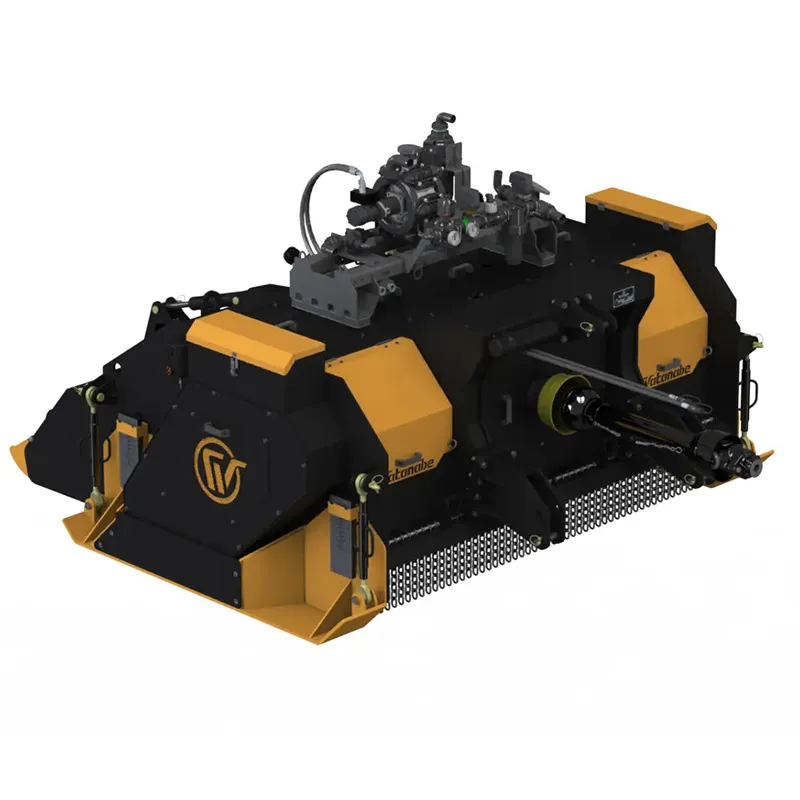
Ezen rendszerek környezeti hatásai ugyanilyen mélyrehatóak. Azzal, hogy biztosítják, hogy ne kerüljön túlzott mennyiségű vegyi anyag a talajba, gyakorlatilag kiküszöbölhető a lefolyás vagy a talajvíz szennyeződésének kockázata. A modern gépek „zárt hurkú” rendszerekkel is rendelkeznek a por állagú kötőanyagokhoz, speciális szóróegységeket használva, amelyek a stabilizátorral együttműködve megakadályozzák a porfelhőket, amelyek a régebbi kézi szórási módszerekben jelentős biztonsági és környezeti kockázatot jelentettek. Ez a pontosság támogatja a „zöld építés” mozgalmat azáltal, hogy csökkenti a kötőanyag-gyártással és -logisztikával járó szénlábnyomot. Az olyan kihívásokkal teli geomorfológiai régiókban, mint Brazília, ahol a trópusi esőzések gyorsan elmoshatják a rosszul összekevert kötőanyagokat, ezek a mikroprocesszor-vezérelt rendszerek olyan szintű időjárásállóságot biztosítanak, amely korábban elérhetetlen volt, lehetővé téve a projektek magabiztos folytatását változó éghajlati viszonyok között.
Nagy nyomatékú rotortechnológia és fejlett anyagtudomány
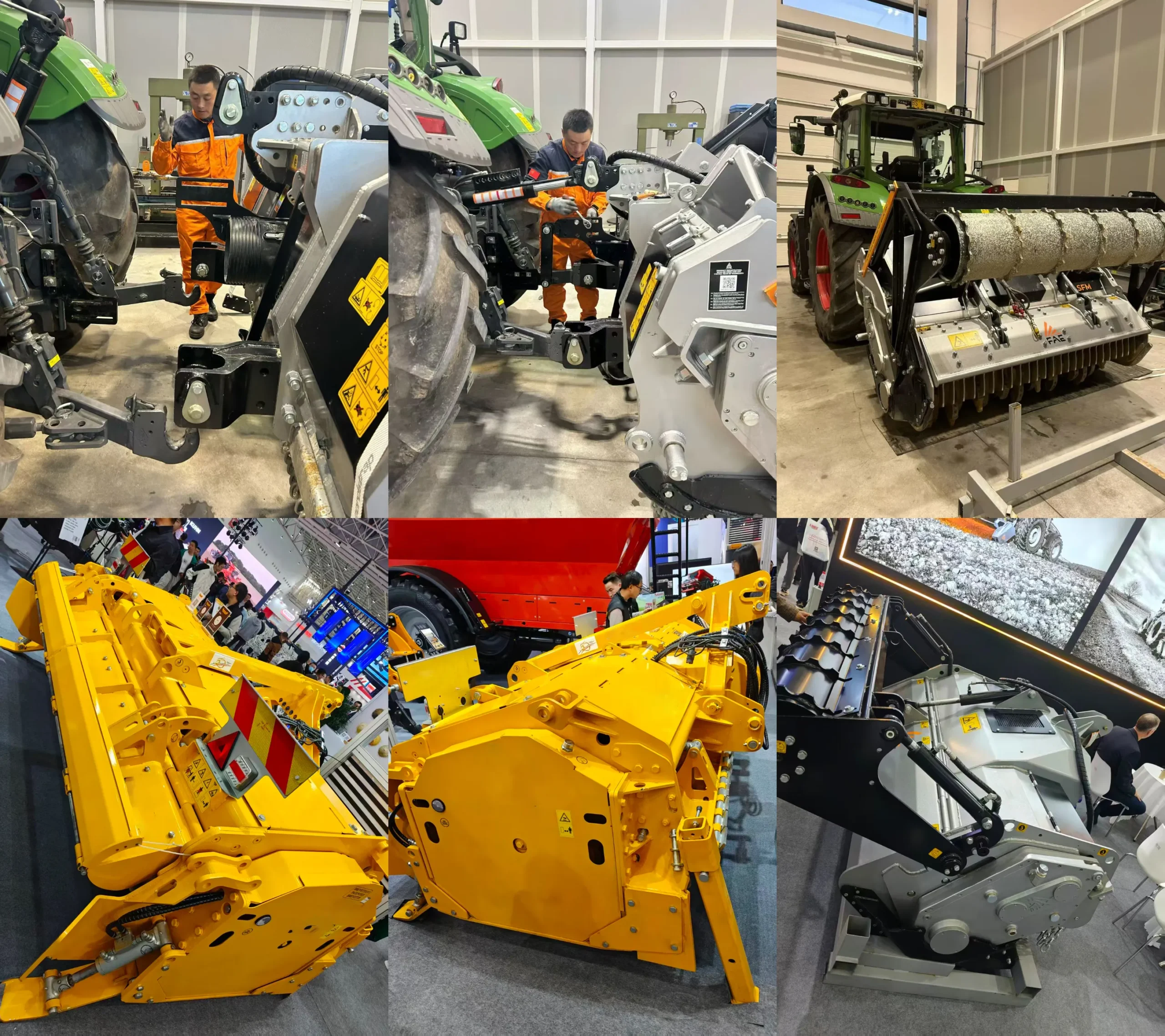
A stabilizátor „üzleti oldala” – a keverőrotor – hatalmas átalakuláson ment keresztül mind a szerkezeti tervezés, mind az anyagtudomány tekintetében. A modern rotorokat ma már nagy kifáradási szilárdságú acélötvözetekből gyártják, és optimalizált fogelrendezésekkel, például spirális vagy chevron mintázattal rendelkeznek. Ezek a kialakítások biztosítják, hogy a mechanikai energia egyenletesen oszoljon el a dobon, csökkentve az alvázra átvitt rezgést és növelve a gép élettartamát. Maguk a vágófejek a hagyományos acélon túl a volfrám-karbid és a gyémántbevonatú ötvözetek felé haladtak. Ezek a fejlett anyagok lehetővé teszik a stabilizátor számára, hogy abrazív anyagokon, például régi aszfalton vagy sziklás altalajokon is dolgozzon, gyakori fogcsere miatti állásidő nélkül. Különösen nehéz terepen gyakran látni egy... kőtörő vagy egy sziklagereblye az előkészítési fázisban használják a szemcseméret optimalizálására, mielőtt a stabilizátor befejezné a homogenizálási folyamatot.
Egy másik áttörés a változtatható sebességű hidraulikus rotorhajtások bevezetése. A régebbi fix fogaskerekes rendszerekkel ellentétben ezek lehetővé teszik a kezelő számára, hogy a rotor fordulatszámát és nyomatékát a gép haladási sebességétől függetlenül állítsa be. Ez elengedhetetlen a különböző talajtípusok közötti átmenet során – például a nagy sebességű keverést igénylő laza, iszapos homokról a maximális nyomatékot igénylő, tömörített nehéz agyagra való átálláskor. Ez a rugalmasság megakadályozza, hogy a gép „leragadjon”, és biztosítja, hogy a talaj porítása teljes legyen, elérve az ideális tömörítési fokozatot. A modern rotorok „gyorscserélő” bittartó rendszerekkel is rendelkeznek. A múltban egy teljes, több mint 200 fogból álló készlet cseréje egy napot is igénybe vehetett; ma már a hidraulikus rásegítésű szerszámoknak és a moduláris tartóknak köszönhetően ez néhány óra alatt elvégezhető, ami jelentősen növeli a gép üzemkészségét a nagy nyomású projektek ütemtervében.
A mélységszabályozás digitális forradalmat is átélt. A fejlett stabilizátorok ma már ultrahangos érzékelőket és lézeres szintezőrendszereket használnak az állandó keverési mélység fenntartásához, gyakran +/- 5 mm tűréshatáron belül. Ez megakadályozza, hogy a rotor túl mélyre menjen és felhígítsa a kötőanyagot, vagy túl sekélyen maradjon, és gyenge pontot hozzon létre az alapozásban. Ez a pontosság különösen fontos a teljes mélységű rekultivációs (FDR) projekteknél, ahol a stabilizátornak a régi aszfalt pontos vastagságán kell átdörzsölnie, hogy elérje az alatta lévő alapréteget. Egy tökéletesen vízszintes és homogén szerkezeti réteg létrehozásával ezek a rotorfejlesztések ideális alapot biztosítanak a későbbi aszfalt- vagy betonburkoláshoz, ami olyan utakhoz vezet, amelyek 20-50 éves élettartamuk alatt jobban ellenállnak a nyomvályúsodásnak és a repedéseknek. A nagy nyomatékú rotor és a precíziós befecskendező rendszer közötti mechanikai szinergia a modern földmunkagép-technika csúcsát képviseli.
Telematika, felhőalapú menedzsment és autonóm irányítás
A telematika és a dolgok internete (IoT) technológia integrációja a talajstabilizátort önálló eszközből egy tágabb digitális ökoszisztémán belüli összekapcsolt eszközzé alakította. A modern gépek folyamatosan továbbítják az üzemi adatokat – beleértve az üzemanyag-fogyasztást, a kötőanyag-kijuttatási mennyiségeket, a hidraulikus nyomásokat és a GPS-koordinátákat – a felhőalapú menedzsment platformokra. Ez lehetővé teszi a flottamenedzserek és a projektmérnökök számára, hogy a világ bármely pontjáról figyelemmel kísérjék a termelékenységet és a gépek állapotát. Ha egy Mato Grosso távoli régiójában található stabilizátor hirtelen hidraulikus nyomásesést tapasztal, a rendszer automatikus riasztást küldhet a szervizcsapatnak, gyakran diagnosztizálva a problémát, mielőtt katasztrofális hiba történne. Ez a „prediktív karbantartási” modell forradalmasítja az üzemidőt és a befektetés megtérülését a nagyméretű infrastrukturális vállalkozók számára.
Továbbá az autonóm és félautonóm irányítórendszerek megjelenése megoldást kínál az iparágban tapasztalható, magasan képzett gépkezelők hiányára. A nagy pontosságú GNSS (globális navigációs műholdrendszer) technológia használatával a stabilizátorok ma már centiméteres pontossággal követhetik a digitális projektek tervrajzait. A rendszer automatikusan kezeli a kormányzást és a mélységet, biztosítva a tökéletesen egyenes meneteket és a kezelt sávok optimális átfedését. Ez megakadályozza a „szüneteket” – a menetek között lévő kezeletlen talajcsíkokat –, amelyek gyakori hibaforrások a kézileg működtetett projektekben. A művelet legunalmasabb részeinek automatizálásával ezek a rendszerek csökkentik a kezelő fáradtságát, és biztosítják, hogy a gép a műszak során a lehető legnagyobb hatékonysággal működjön, maximalizálva a felhasznált üzemanyag literenként stabilizált négyzetméterek számát.
Az adatnaplózás egy másik kritikus előrelépés. Számos kormányzati infrastrukturális szerződés esetében ma már követelmény annak bizonyítása, hogy a stabilizációt a pontos keveréktervezési specifikációk szerint végezték el. A modern stabilizátorok részletes „megvalósult” jelentéseket generálnak, amelyek naplózzák a kötőanyag minden literjének befecskendezésének pontos koordinátáit. Ez a digitális nyilvántartás az út „születési anyakönyvi kivonataként” szolgál, felbecsülhetetlen értékű adatokat szolgáltatva a jövőbeni karbantartáshoz és a törvényszéki mérnöki munkához. Ez az átláthatóság bizalmat épít a vállalkozók és a kormányzati szervek között, biztosítva, hogy a lakosság a számára megfizethető, kiváló minőségű infrastruktúrát kapja. Ahogy az „Építőipar 4.0” korszaka felé haladunk, a talajstabilizáló központi adatközponttá válik az építési területen, amely együttműködik a hengerekkel és a gréderekkel, hogy egy teljesen optimalizált és dokumentált építési munkafolyamatot hozzon létre.
Fenntartható innováció: Helyi újrahasznosítás és hibrid energiaegységek
A fenntarthatóság már nem divatos szó az építőiparban, hanem alapvető mérnöki követelmény. A talajstabilizátorok legújabb fejlesztései nagy hangsúlyt fektetnek a körforgásos gazdaságra a teljes mélységű rekultiváció (FDR) és a hideg helyszíni újrahasznosítás (CIR) révén. Ezek a gépek lehetővé teszik a mérnökök számára, hogy a meglévő útépítési anyagok – beleértve a meghibásodott aszfaltfelületet és az alatta lévő alapot is – 100% mennyiségét hasznosítsák a helyszínen történő porítással és újrastabilizálással. Ez kiküszöböli a hulladékanyag elszállításának és több millió tonna új adalékanyag szállításának szükségességét, ami jelentősen csökkenti a teherautó-forgalmat, az üzemanyag-fogyasztást és a természetes kőbányák kimerülését. A modern stabilizátorok úgy vannak kialakítva, hogy könnyedén kezeljék ezeket a kevert anyagokat, így nagy teljesítményű újrahasznosított alapot hoznak létre, amely gyakran jobb, mint az eredeti útszerkezet.
Az anyagok újrahasznosítása mellett maguk az erőforrások is fejlődnek. A gyártók most hibrid-elektromos hajtásrendszereket és nagy százalékú bioüzemanyagokkal kompatibilis motorokat vezetnek be. Ezek a „zöld” erőművek csökkentik a stabilizációs folyamat szén-dioxid-intenzitását anélkül, hogy veszélyeztetnék a mélykeveréshez szükséges hatalmas nyomatékot. Továbbá a fejlett hőkezelő rendszerek biztosítják, hogy a motorok csúcshatékonysággal működjenek még a trópusi vagy sivatagi környezet szélsőséges hőségében is. Ez a hatékonyságra való összpontosítás kiterjed a gép aerodinamikájára és súlyelosztására is, biztosítva, hogy az energia teljes mértékben a rotor és a talaj kölcsönhatására összpontosuljon. Ezek a fenntartható innovációk teszik a talajstabilizációt a környezettudatos önkormányzatok és magánfejlesztők előnyben részesített választásává világszerte.
Ezen fenntartható gyakorlatok gazdasági előnyei tagadhatatlanok. Az anyagok beszerzésével, szállításával és ártalmatlanításával járó költségek elkerülésével a vállalkozók gyakran 30%-vel és 50%-val is csökkenthetik a projekt teljes költségét. A távoli területeken, ahol a kőbányák több száz kilométerre találhatók, a világszínvonalú útépítés lehetősége, amely kizárólag a helyi talajt és kis mennyiségű kötőanyagot használja, gyökeresen megváltoztatja a játékszabályokat. Az infrastruktúra-fejlesztés demokratizálása lehetővé teszi a fejlődő régiók számára, hogy tartós közlekedési hálózatokat építsenek ki, amelyek korábban gazdaságilag megvalósíthatatlanok voltak. Ahogy a szén-dioxid-adók és a környezetvédelmi előírások szigorúbbak lesznek, a talajstabilizáló szerepe a fenntartható földmunkák bajnokaként csak tovább fog növekedni. Ez egy ritka együttműködést jelent, ahol a legfejlettebb műszaki megoldás egyben a leginkább környezetileg és gazdaságilag is felelősségteljes.
Esettanulmány: A „transz-amazóniai” modernizációs projekt
Egy nemrégiben Brazília szívében megvalósult projekt tökéletes esettanulmányként szolgál e legújabb technológiai fejlesztések gyakorlati alkalmazására. A cél egy létfontosságú logisztikai folyosó 200 kilométeres szakaszának modernizálása volt, amelyet a nehéz szójaszállító teherautók miatt szezonális kimosódások és mély barázdák sújtottak. A talaj a kiterjedt vörös agyag és az iszapos vályog kihívást jelentő keveréke volt. A hagyományos módszerek csillagászati költségvetést igényeltek volna az adalékanyagok szállításához. Ehelyett a projekt egy 650 lóerős talajstabilizátorokból álló flottát használt, amelyek a legújabb mikroprocesszor-vezérelt befecskendező rendszerekkel és autonóm irányítással voltak felszerelve.
A csapat „kettős stabilizációs” megközelítést alkalmazott. Az első menetben a gépek mészzagyot fecskendeztek be, hogy csökkentsék az agyag képlékenységét és javítsák bedolgozhatóságát. Ezt egy 48 órás „lágyítási” időszak követte. A második menetben a stabilizátorok cementkötőanyagot fecskendeztek be, hogy merev szerkezeti réteget hozzanak létre. Mivel a gépek valós idejű telematikával voltak felszerelve, a mérnökök menet közben tudták beállítani a cementbefecskendezés sebességét, amikor különböző talajsűrűségekkel találkoztak. Az autonóm kormányzás tökéletes, 10 cm-es átfedést biztosított a sávok között, így egy monolitikus alapot hoztak létre, amelynek CBR-értéke a tesztek szerint 85% volt. Ez egy olyan alapot hozott létre, amely könnyedén elbírja a régió mezőgazdasági logisztikáját uraló 74 tonnás „bitrem” teherautókat.
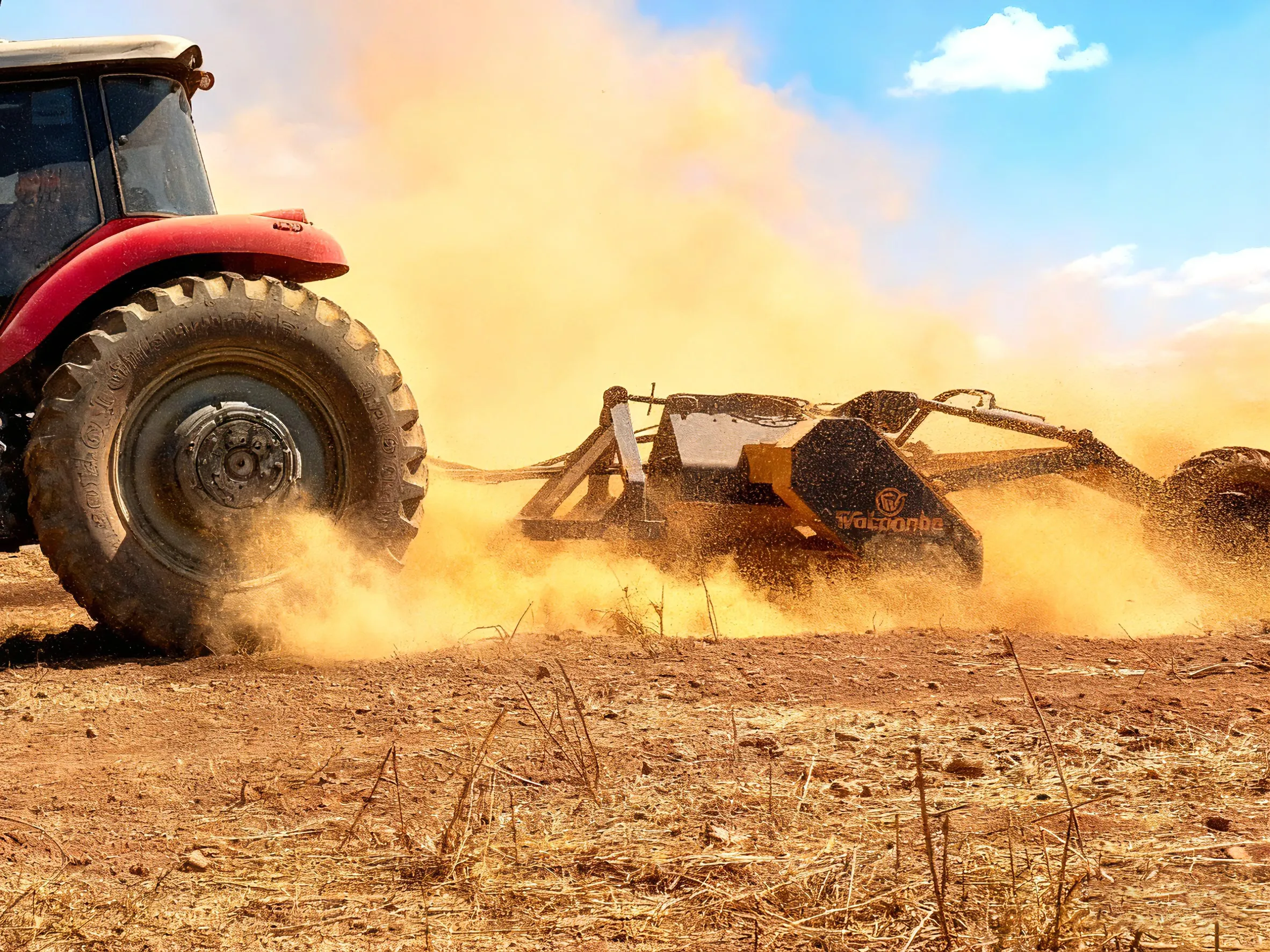
Az eredmények transzformatívak voltak. A projekt a modern rotorok nagysebességű feldolgozási képességeinek és a fogkarbantartás miatti állásidő hiányának köszönhetően a tervezettnél korábban, 20%-vel készült el. A „megvalósult” digitális jelentések olyan szintű minőségbiztosítást nyújtottak a kormánynak, amelyre a régióban még soha nem volt példa. A legfontosabb, hogy az út a rákövetkező esős évszakban is makulátlan maradt, amely tönkretette a korábbi, nem stabilizált útfelületeket. Ez a sikertörténet a regionális infrastruktúra tervrajzává vált, bizonyítva, hogy a mechanikai erő és a digitális pontosság kombinációja az egyetlen módja a rugalmas közlekedési hálózatok kiépítésének a világ legnagyobb kihívást jelentő környezetében. Rávilágított egy robusztus támogató ökoszisztéma fontosságára is, beleértve a nagy hatékonyságú... krumpliás és burgonyaszedő egységek, amelyek most már szabadon mozoghatnak ezeken a stabilizált utakon az aratási időszakban.
Technológiai szinergia: A mezőgazdaság és az építőipar összekapcsolódása
A talajstabilizáció technológiai fejlődése egyre inkább elmossa a határokat a nehézgépépítés és a nagy hatékonyságú mezőgazdaság között. A modern nagyüzemi gazdálkodásban az összekötő utak és a szántóföldek alapjainak minősége ugyanolyan fontos, mint maguk a növények. Egy stabilizált mezőgazdasági út biztosítja, hogy a nehézgépek – mint például egy burgonyaszedő– időjárási viszonyoktól függetlenül működhet, elkerülve a sáros, járhatatlan ösvényekkel járó költséges állásidőt. Az autópálya-stabilizációhoz használt rotoros és befecskendező technológiák közül sokat ma már mély talajművelésre és talajrekultivációra is adaptálnak, lehetővé téve a gazdálkodók számára, hogy javítsák talajuk szerkezetét a hozamok növelése és a vízelvezetés javítása érdekében.
Ez a szinergia különösen a támogató berendezések használatában mutatkozik meg. Ugyanez sziklagereblye az autópálya-stabilizátor útvesztőjének megtisztítására használt eszköz a mező előkészítéséhez is elengedhetetlen eszköz. krumpliás, biztosítva, hogy a sziklák ne károsítsák a kényes betakarítási mechanizmust. Ez a holisztikus megközelítés a földgazdálkodáshoz – ahol a talajt a konkrét céljának megfelelően alakítják ki – mindkét iparág jövője. Ahogy a világ népessége növekszik, és az infrastruktúra és az élelmiszer iránti kereslet is fokozódik, ezen technológiai fejlesztések által biztosított hatékonyság lesz a kulcsa szükségleteink fenntartható kielégítésének. A talajstabilizáló áll ennek a forradalomnak a középpontjában, és stabil alapot biztosít, amelyre a modern világ épül, amelyre a termést betakarítják és szállítják.
Összefoglalva, a talajstabilizáló gépek legújabb fejlesztései – a mikroprocesszor-vezérlésű befecskendezéstől és a nagy nyomatékú rotoroktól a telematikáig és a fenntartható újrahasznosításig – ezeket a gépeket a földmunkagép-flotta leghatékonyabb és legpontosabb eszközeivé alakították. A mechanikai szilárdság és a digitális intelligencia fúzióját képviselik, lehetővé téve számunkra, hogy minden eddiginél erősebb, olcsóbb és környezetbarátabb alapokat építsünk. Akár egy transzkontinentális autópályát épít, akár egy több ezer hektáros gazdaság logisztikáját optimalizálja, a legújabb stabilizációs technológia biztosítja a 21. században a sikerhez szükséges rugalmasságot és megbízhatóságot. A Brazil Agricultural Balers Co., Ltd.-nél büszkék vagyunk arra, hogy ennek a technológiai fejlődésnek az élvonalában vagyunk, ügyfeleinknek biztosítva azokat az eszközöket és szakértelmet, amelyekkel uralhatják a lábuk alatt lévő földet.
A Brazil Mezőgazdasági Bálázók Kft.-ről
Brazil Mezőgazdasági Bálázók Kft. az ipari és mezőgazdasági gépek vezető gyártója és globális beszállítója, amely elkötelezett a talajgazdálkodás, az infrastruktúra-fejlesztés és a betakarítási logisztika nagy teljesítményű megoldásainak biztosítása iránt. A robusztus brazil piacon gyökereinkkel tisztában vagyunk a változatos geomorfológia és az igényes éghajlat kihívásaival. Küldetésünk, hogy az innováció és a kiválóság révén áthidaljuk a szakadékot a nehézgépészet és a nagy hatékonyságú gazdálkodás között.
Sokszínű termékportfóliónk a következőket tartalmazza:
- Talajstabilizáló gép
- Kő zúzó
- Kőgereblye és kőszedők
- Rotavator
- Burgonyabarázda
- műtrágyák
- Forgókultivátor
- Burgonyaültető
- Burgonyaásók és burgonyabetakarító
- Komposztáló pajta
A Brazil Agricultural Balers Co., Ltd.-nél megteremtjük az Ön fejlődésének alapjait. Akár egy autópályát stabilizál, akár a gazdasága termését optimalizálja, mi biztosítjuk a mechanikai erőt és a digitális pontosságot a siker biztosítása érdekében. Lépjen kapcsolatba velünk még ma, hogy többet megtudjon arról, hogyan alakíthatja át technológiánk a következő projektjét.