Understanding the Soil Stabilizer Machine
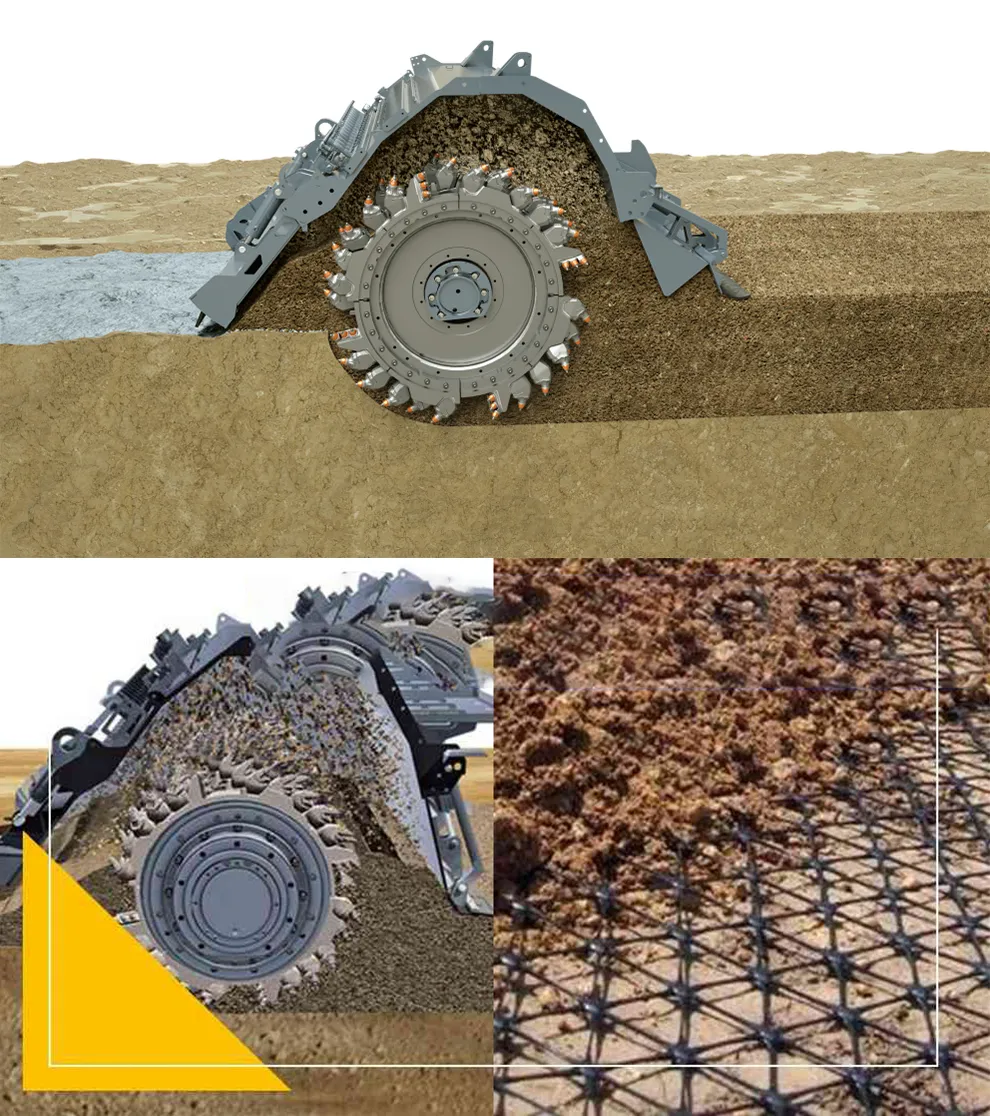
Before delving into operational procedures, it is essential to grasp the fundamental mechanics of a soil stabilizer. A soil stabilizer, often referred to as a soil mixer or reclaimer, is a heavy-duty machine designed to mix stabilizing agents—such as lime, cement, or bitumen—into the existing soil to improve its load-bearing capacity, reduce permeability, and enhance durability. These machines are particularly vital in Brazil soil stabilization projects, where expansive clay soils in the Northeast or sandy terrains in the Southeast require targeted treatment to support roads, airports, and building foundations.
The core components of a soil stabilizer include the rotor or mixing chamber, which penetrates the soil to a specified depth; the propulsion system, typically powered by diesel engines for mobility across rugged Brazilian landscapes; and the additive distribution system, which precisely dispenses stabilizers. Modern models from Brazil Watanabe Soil Stabilizer Machine Co., Ltd., available at https://soilstabilizermachine.com/, incorporate advanced features like GPS-guided depth control and automated mixing ratios, ensuring consistency in soil treatment. For instance, in Brazilian road construction, where projects span vast distances like the BR-101 highway, these machines prevent soil erosion and settlement issues that could arise from heavy rainfall or seismic activity.
Operating such equipment demands a thorough knowledge of soil types prevalent in Brazil. In the Cerrado region, characterized by acidic, nutrient-poor soils, stabilizers help in pH balancing through lime addition. Conversely, in coastal areas near Rio de Janeiro, where saline soils pose challenges, bitumen-based stabilization is preferred for waterproofing. By understanding these regional variations, operators can tailor their approach, leading to more efficient outcomes and reduced material waste.
Pre-Operational Preparations: Setting the Foundation for Safety
Safety begins long before the engine starts. Comprehensive pre-operational checks are indispensable to prevent accidents and ensure the machine’s longevity. Start by inspecting the soil stabilizer for any visible damage, such as cracks in the frame or wear on the rotor teeth. In Brazil’s tropical climate, where humidity can accelerate corrosion, pay special attention to hydraulic lines and electrical systems to avoid failures during operation.
Personal protective equipment (PPE) is non-negotiable. Operators should don hard hats, high-visibility vests, steel-toed boots, gloves, and hearing protection, as soil stabilizers generate significant noise levels—often exceeding 85 decibels. For Brazilian operators working in remote areas like the Pantanal wetlands, additional gear such as insect repellent clothing and sun protection is advisable to combat environmental hazards. Furthermore, ensure that all team members are trained and certified; in Brazil, compliance with NR-11 and NR-12 norms from the Ministry of Labor is mandatory for heavy machinery operation.
Site preparation is equally crucial. Conduct a thorough site survey to identify underground utilities, unstable ground, or overhead obstacles. In urban Brazilian settings like Brasília, where construction often intersects with existing infrastructure, using ground-penetrating radar can avert costly damages. Mark out the work zone with barriers and signage to keep unauthorized personnel at bay. Additionally, calibrate the machine’s settings based on soil tests—determining moisture content, particle size, and compaction needs—to optimize stabilizer dosage. Over-application not only wastes resources but can lead to overly rigid soil that cracks under stress, a common issue in Brazil’s variable weather patterns.
Step-by-Step Operational Procedures
Operating a soil stabilizer involves a sequential process that balances precision with safety. Begin by positioning the machine at the starting point of the treatment area. Engage the engine and allow it to warm up, monitoring gauges for oil pressure, temperature, and fuel levels. In Brazil’s high-altitude regions like the Serra da Mantiqueira, engines may require adjustments for thinner air to maintain performance.
Once ready, lower the rotor to the predetermined depth—typically 200-500 mm for most Brazilian soil stabilization tasks—and activate the mixing function. Advance the machine at a controlled speed, usually 2-5 km/h, to ensure thorough blending. The additive system should release stabilizers uniformly; for cement-based mixes in arid Brazilian zones like the Caatinga, a rate of 5-10% by soil weight is standard. Monitor the process visually and through onboard sensors to avoid uneven distribution, which could compromise the stabilized layer’s integrity.
During operation, maintain constant vigilance for anomalies. If the machine encounters rocks or debris—prevalent in deforested Brazilian farmlands—stop immediately to clear them, preventing rotor damage. In multi-pass operations, common for deep stabilization in port expansions along the Brazilian coast, overlap passes by 10-20% to eliminate untreated strips. After completing a section, compact the treated soil using rollers to achieve the desired density, often 95% of Proctor maximum for Brazilian highway standards.
Efficiency in operation hinges on workflow optimization. For large-scale projects, such as stabilizing soil for ethanol plantations in São Paulo state, coordinate with support vehicles for continuous additive supply, minimizing downtime. Utilize telematics features in advanced models from Brazil Watanabe Soil Stabilizer Machine Co., Ltd. to track progress in real-time, adjusting parameters on the fly for varying soil conditions.
Prioritizing Safety During Operation
Safety is not merely a checklist but an ongoing commitment. One of the primary risks in soil stabilizer operation is rollover, especially on uneven Brazilian terrains like the hilly coffee plantations in Minas Gerais. To mitigate this, always operate on stable ground and use outriggers if available. Maintain a safe distance from edges and slopes; a general rule is to keep at least twice the machine’s height away from drop-offs.
Dust and fume exposure is another concern, particularly when using chemical stabilizers. In dry seasons across Brazil’s Northeast, equip the cab with air filtration systems and wear respirators. Emergency protocols must be in place: know the location of first-aid kits, fire extinguishers, and emergency shut-off switches. Regular drills for scenarios like hydraulic leaks or engine fires can save lives.
Communication is key in team environments. Use hand signals or radios to coordinate with spotters, ensuring no one enters the machine’s blind spots. In Brazil’s multilingual construction sites, where Portuguese, Spanish, and indigenous languages coexist, standardized signals reduce misunderstandings. Moreover, adhere to work-hour limits to combat fatigue, a leading cause of accidents; Brazilian labor laws cap heavy machinery operation at 8 hours daily with mandatory breaks.
Enhancing Efficiency Through Best Practices
Efficiency in soil stabilizer operation translates to cost savings and timely project completion. Optimize fuel consumption by maintaining steady speeds and avoiding unnecessary idling—critical in Brazil where fuel costs can fluctuate due to global oil markets. Regular rotor maintenance, such as sharpening teeth, ensures deeper penetration with less power, ideal for tough lateritic soils in the Amazon basin.
Incorporate data-driven approaches. Soil sampling before and after treatment allows for fine-tuning; for instance, in Brazilian mining areas like Carajás, where iron-rich soils require specific binders, lab tests can verify shear strength improvements. Leverage automation: GPS integration enables precise mapping, reducing overlaps and material overuse by up to 15%.
Sustainability is an emerging focus. In eco-sensitive Brazilian regions like the Atlantic Forest, use bio-based stabilizers to minimize environmental impact. Efficient operation also means recycling water in wet mixing processes, conserving resources in water-scarce areas like the Sertão.
Maintenance and Troubleshooting for Long-Term Reliability
Post-operation maintenance is vital for sustained efficiency. Clean the machine thoroughly after each use, removing soil residues that could corrode components in Brazil’s humid climate. Lubricate moving parts and check fluid levels daily. Scheduled inspections—weekly for belts and hoses, monthly for engines—prevent breakdowns.
Common issues include rotor jamming from debris; troubleshoot by reversing the rotor or manually clearing. Hydraulic failures, often due to contaminated fluid, require immediate filter changes. In remote Brazilian sites, stock spare parts like seals and filters to avoid delays.
For Brazil Watanabe Soil Stabilizer Machine Co., Ltd. models, refer to the user manual at https://soilstabilizermachine.com/ for specific troubleshooting guides. Proactive maintenance not only extends machine life but also ensures compliance with Brazilian environmental regulations, avoiding fines.
Brazil-Specific Considerations in Soil Stabilization
Brazil’s unique geography demands tailored strategies. In the flood-prone Amazon, operate during dry seasons and use amphibious models for wet terrains. Heat in the Central-West requires cooling system checks to prevent overheating. Regulatory compliance, such as IBAMA environmental permits, is essential for projects impacting native lands.
Cultural aspects influence operations; respecting indigenous communities in the North by minimizing noise and dust fosters goodwill. Economic factors, like subsidies for sustainable agriculture in the South, encourage efficient stabilizer use in soil improvement for soybean fields.
Case Studies: Real-World Applications in Brazil
Consider a road rehabilitation project in Bahia: Using a soil stabilizer reduced construction time by 30% by in-situ mixing, avoiding costly soil importation. In urban São Paulo, stabilizing subsoil for high-rises prevented settlement, showcasing efficiency in dense environments.
Another example from Rio Grande do Sul: Post-flood recovery involved lime stabilization, enhancing soil resilience against future rains. These cases underline the machine’s versatility in Brazilian contexts.
Advanced Techniques for Expert Operators
For seasoned professionals, explore hybrid stabilization—combining mechanical and chemical methods for superior results in volcanic soils of the South. Integrate IoT for predictive maintenance, alerting to wear before failures occur.
Training programs from Brazil Watanabe Soil Stabilizer Machine Co., Ltd. enhance skills, covering simulations for Brazilian-specific scenarios.
Environmental and Economic Benefits
Safe, efficient operation yields broader benefits. Environmentally, it reduces excavation, preserving habitats. Economically, it cuts costs by 20-40% through material efficiency, boosting Brazil’s infrastructure competitiveness.
Operating a soil stabilizer safely and efficiently requires knowledge, vigilance, and adaptation to local conditions. By following these guidelines, operators in Brazil can contribute to durable infrastructure while safeguarding lives and resources. For premium equipment and support, visit Brazil Watanabe Soil Stabilizer Machine Co., Ltd. at https://soilstabilizermachine.com/. Embrace these practices to elevate your projects to new heights of excellence.