The Engineering Paradigm of In-Situ Soil Stabilization
In the traditional annals of civil engineering, the protocol for handling “unsuitable” soil was primitive and resource-heavy: excavation and replacement. Engineers would remove meters of native soil, transport it to landfills, and haul in expensive, quarried aggregates to create a stable base. However, the advent of the soil stabilizer machine has ushered in a new era of structural integrity. A soil stabilizer is a heavy-duty prime mover equipped with a high-torque, transverse mixing rotor that plunges into the earth to pulverize and homogenize the soil matrix. This process, known as in-situ stabilization, does not just provide a temporary fix; it fundamentally alters the chemical and mechanical properties of the ground. By using a soil stabilizer, engineers can achieve a monolithic, load-bearing layer that is significantly more durable than traditional multi-layered gravel beds.
The core advantage of this technology lies in its ability to address the “plasticity” of the soil. Most road failures occur because the subgrade expands or contracts with moisture changes. When a stabilizer mixes in binders such as lime, cement, or bitumen, it induces a molecular-level transformation. In clay-heavy soils—common in regions like Brazil—the addition of lime triggers an ion exchange, reducing the soil’s affinity for water. This ensures that the road foundation remains stable through tropical rainy seasons and dry spells alike. Furthermore, the machine’s ability to work with the material already on-site drastically reduces the carbon footprint and logistical costs associated with hauling. The result is a foundation that boasts a higher California Bearing Ratio (CBR) and a modulus of elasticity that can withstand the punishing weight of modern heavy-duty logistics and agricultural traffic.
Beyond simple mixing, these machines provide a level of uniformity that manual methods or standard tilling equipment cannot replicate. The high-speed rotor breaks down soil clods into a fine grain, ensuring that the binders are distributed with absolute precision. This homogeneity is the secret to road longevity. In a traditional road, “weak spots” are the catalysts for potholes and cracks. A soil stabilizer eliminates these inconsistencies, creating a foundation that distributes loads evenly across the entire surface. This structural “toughness” is what allows modern highways to sustain heavy axle loads for decades without significant deformation. For large-scale infrastructure projects, the selection of a high-performance stabilizer is not just a procurement choice; it is a long-term investment in the reliability of the regional transport network.
Chemical Binding and the Molecular Reinforcement of the Subgrade
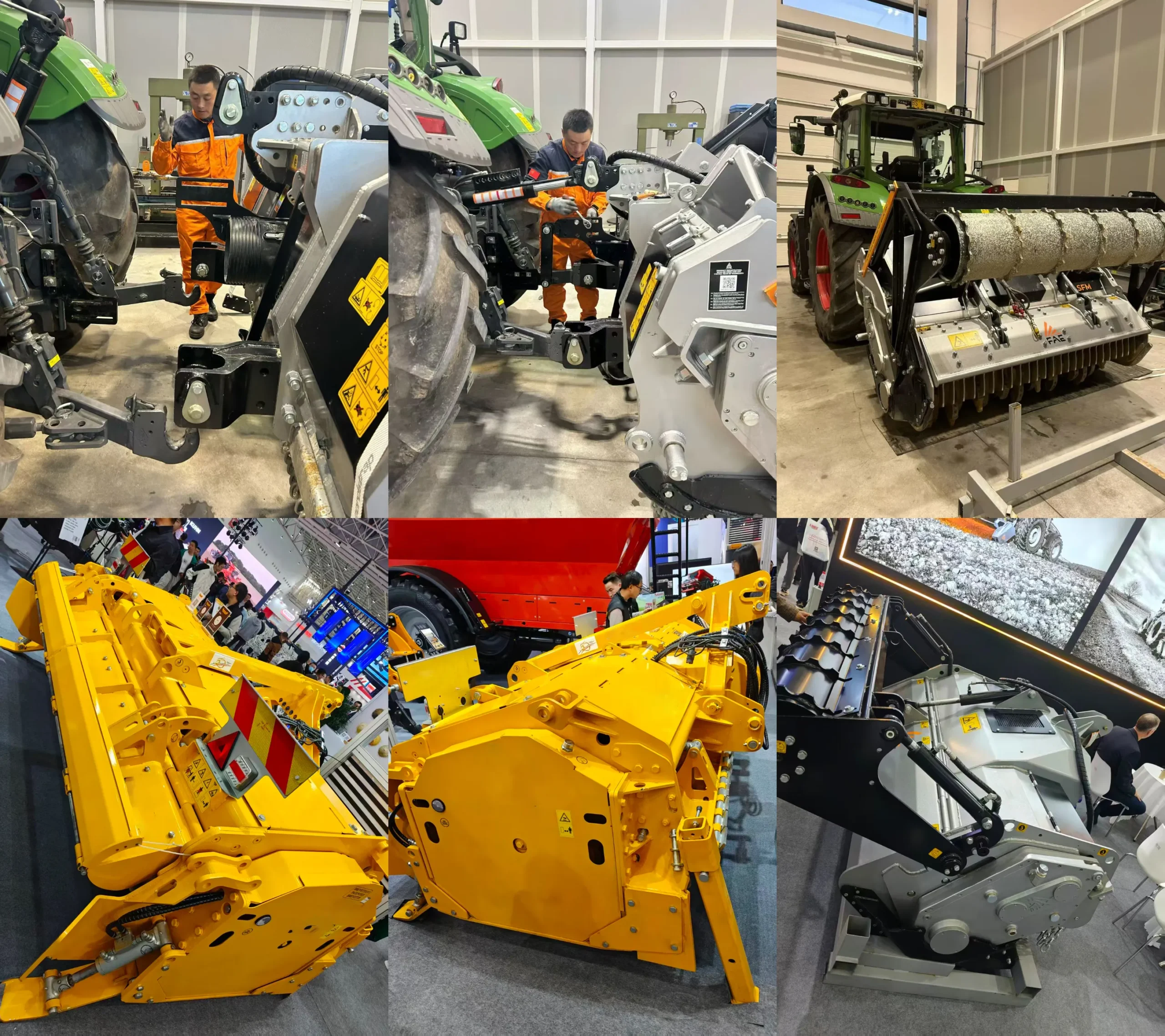
To truly understand how a soil stabilizer enhances durability, one must look at the chemical reactions occurring beneath the mixing hood. When the rotor pulverizes the earth, it creates a massive surface area for chemical binders to interact with soil particles. When cement is used, the process creates a “soil-cement” matrix that functions similarly to low-strength concrete but with greater flexibility. This semi-rigid layer prevents “rutting,” a common failure where tires push the asphalt into the subgrade. For more rocky terrains, the process might be preceded by a stone crusher to ensure the aggregate size is optimal for the stabilizer to incorporate. This mechanical-chemical synergy creates a water-impermeable barrier, which is critical because water is the primary enemy of road longevity.
The injection systems on modern stabilizers are masterpieces of engineering. They utilize microprocessor-controlled spray bars to inject water, bitumen emulsions, or foamed bitumen directly into the mixing chamber. This ensures that the “Optimum Moisture Content” (OMC) is achieved during the mixing phase, which is vital for reaching maximum density during compaction. Without this precision, the soil might be too dry to bind or too wet to compact, leading to internal voids that eventually collapse under pressure. By controlling the chemistry in real-time, the soil stabilizer ensures that the chemical bonds formed—such as the calcium silicate hydrates in cement-treated bases—are strong and consistent. This leads to a base layer that is resistant to frost heave in cold climates and thermal expansion in tropical ones, effectively doubling or tripling the service life of the asphalt wearing course above it.
Furthermore, the “full-depth reclamation” (FDR) capability of these machines allows for the recycling of old, cracked roads. Instead of discarding old asphalt, the stabilizer grinds it up and mixes it with the underlying base and new binders. This creates a brand-new, high-strength foundation using 100% of the old material. This recycling process is not only ecologically superior but also creates a “composite” material that is often stronger than the original road. The longevity of a road built through FDR is superior because the recycled asphalt provides a bituminized aggregate that resists moisture better than virgin crushed stone. This capability makes the soil stabilizer an indispensable tool for municipalities looking to rebuild crumbling infrastructure on a limited budget while ensuring the new road will serve the community for another twenty to thirty years.
Mechanical Homogenization and the Role of High-Torque Rotors
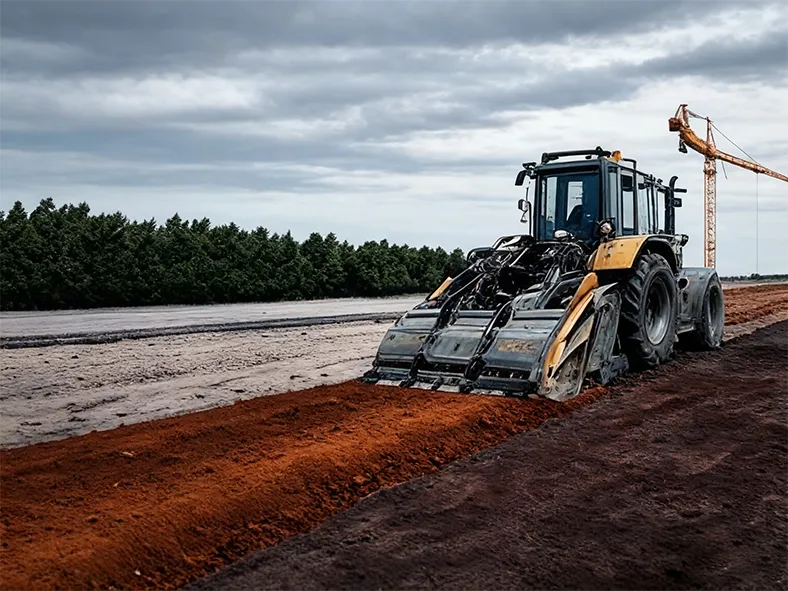
The mechanical prowess of a soil stabilizer is defined by its rotor. For a road foundation to be durable, it must be homogeneous. If the soil is mixed unevenly, you create “layering,” where different strata of soil have different load-bearing capacities. Under the vibration of passing trucks, these layers can shift, leading to catastrophic surface failure. The soil stabilizer’s rotor, spinning at high RPMs with carbide-tipped teeth, ensures that the soil, binder, and water are whipped into a perfectly uniform “slurry” or “moist mix.” This level of mechanical homogenization is impossible to achieve with standard graders or discs. The machine’s weight and downforce also play a role, ensuring that the rotor maintains a consistent depth—often up to 50cm in a single pass—to create a thick, monolithic structural block.
In terrains where the soil is infested with large boulders or ancient river rocks, the stabilizer must work in tandem with other clearing equipment. Often, a rock rake is used beforehand to clear the surface of oversized debris that might damage the rotor bits. However, a high-torque stabilizer can often pulverize smaller stones, incorporating them as “reinforcing aggregate” within the soil matrix. This versatility is what makes the machine a “beast of burden” for road crews. Whether they are working on a sandy coastal road or a tough inland plateau, the machine adapts its torque and rotor speed to ensure the resulting mix meets the stringent California Bearing Ratio (CBR) requirements found in modern engineering specifications. Consistency in mixing leads to consistency in compaction, which is the ultimate foundation of road durability.
Case Study: The “Rota da Soja” Logistics Corridor in Mato Grosso
To see the advantages of a soil stabilizer in a real-world scenario, we look to the Mato Grosso region of Brazil—the heart of the nation’s soy production. For years, the haulage roads in this region were a nightmare of red-clay mud during the rainy season and choking dust during the dry season. Traditional graveling efforts failed annually, as the heavy grain trucks simply “pushed” the gravel into the soft clay subgrade. In 2022, a 150km stretch of the logistics corridor was earmarked for stabilization using a fleet of high-performance soil stabilizers. The goal was not just to make the road passable, but to create a durable haul road that could support 74-ton “bitrem” trucks year-round without constant maintenance.
The engineering team chose a 5% lime-cement blend. The stabilizers first processed the clay to a depth of 35cm, neutralizing its expansive properties. Then, a second pass incorporated a cement slurry injected through the machine’s internal spray bars. This dual-pass method created a “bound base” that was tested to have a CBR value of 80%—rivaling that of many concrete pavements. Despite a record-breaking rainy season following the construction, the road remained pristine. Potholes, which previously appeared within weeks of any repair, were non-existent. The logistics firms reported a 15% reduction in fuel consumption and a 20% decrease in vehicle maintenance costs due to the smooth, stable surface. This project proved that for Brazil’s agricultural backbone, soil stabilization is the only viable path to long-term infrastructure resilience.
The impact of this stabilization also reached the fields. Improved road durability meant that agricultural machinery, such as a potato digger or massive grain harvesters, could be transported between farms without the risk of the transport trailers becoming bogged down. This interconnectedness between “road” and “farm” is vital. By using a stabilizer to build the arterial roads, the entire agricultural value chain becomes more efficient. The “Rota da Soja” case study has since been used as a benchmark for regional development across South America, showcasing that the upfront investment in stabilization technology pays for itself through reduced life-cycle maintenance and increased economic throughput. Longevity, in this context, is not just about the road; it is about the sustained economic vitality of an entire region.
Agricultural Synergy: From Stabilized Roads to Productive Fields
While we often discuss soil stabilizers in the context of highways, their influence on the agricultural sector is equally profound. A durable farm road is the lifeline of a successful harvest. During peak periods, the ground is subjected to intense pressure from high-flotation tires and heavy axles. If the access roads are not stabilized, they quickly disintegrate into deep ruts, which can damage the delicate suspension systems of a potato harvester or other high-value equipment. By using a soil stabilizer to create a hard, moisture-resistant base on the farm, growers ensure that their harvest can reach the silos regardless of weather conditions. This “climate-proofing” of agricultural logistics is a major trend in modern precision farming.
The technical requirements for a farm road are surprisingly similar to those of a secondary highway. They require a balanced moisture content, a uniform mix of binders, and a compacted density that prevents water infiltration. Because farm roads are often built on very soft, virgin soil, the stabilizer’s ability to “mellow” the ground is crucial. In many cases, the machine is used to integrate organic fertilizers or compost into the soil during land preparation, demonstrating its versatility beyond just construction. The synergy between ground stabilization and agricultural efficiency is a core focus at Brazil Agricultural Balers Co.,Ltd. We understand that a farmer’s success is built on the ground they stand on, and that ground must be engineered to last.
Furthermore, the long-term maintenance savings of a stabilized road are a huge boon for agricultural estates. Traditional dirt roads require grading after every heavy rain, a process that consumes diesel and labor. A stabilized road, however, can go years with only minor surface touch-ups. This allows the farm’s labor force to focus on the crops rather than the infrastructure. When you consider the value of the equipment moving over these roads—multi-million dollar tractors and harvesters—the cost of building a durable, stabilized path is a tiny insurance premium to pay. In the modern global market, where margins are thin and efficiency is everything, the “durability” provided by a soil stabilizer machine is a key competitive advantage for large-scale agricultural operations across the globe.
Economic Longevity and the Return on Investment (ROI)
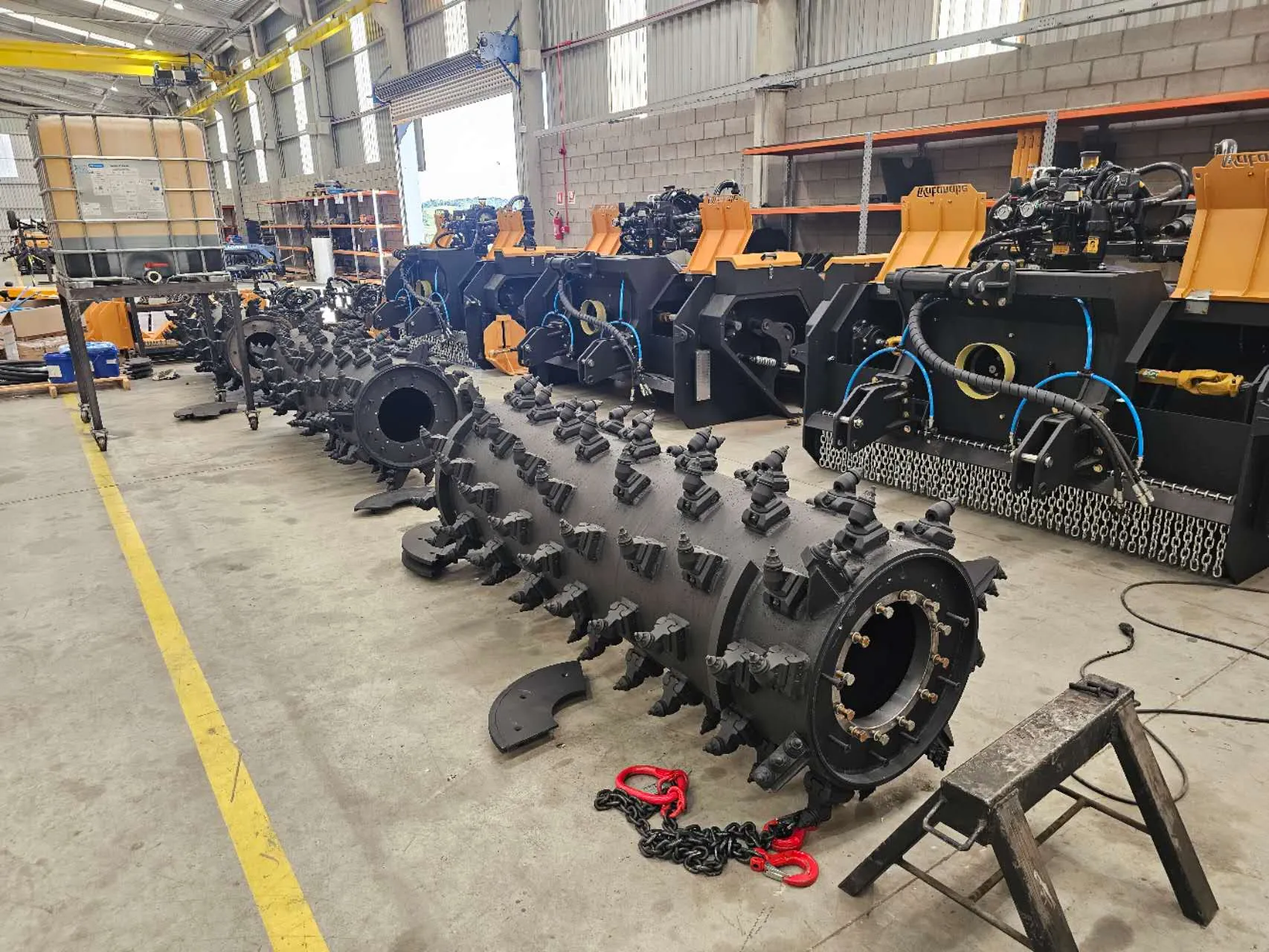
The final pillar of road durability is its economic longevity. A road that lasts 20 years instead of 5 years is a massive win for public and private budgets. The “Total Cost of Ownership” (TCO) of a road built with a soil stabilizer is significantly lower than that of a traditional road. This is due to several factors: reduced material costs (using in-situ soil), reduced fuel consumption (fewer trucks hauling aggregate), and vastly reduced maintenance cycles. For a project manager, the ability to show a 50% reduction in long-term maintenance costs is a powerful argument for the adoption of stabilization technology. It moves the conversation from “initial cost” to “life-cycle value.”
In addition to these direct savings, there are indirect economic benefits. Durable roads lead to faster travel times, less wear and tear on commercial vehicles, and fewer traffic disruptions caused by road repairs. These “macro-economic” benefits are why international development banks and government agencies are increasingly mandating soil stabilization for new infrastructure projects. By creating a foundation that doesn’t fail, you are effectively “future-proofing” the economy. At Brazil Agricultural Balers Co.,Ltd, we have seen this play out in dozens of countries. The machines we provide are the catalysts for this change, turning marginal land into productive economic arteries. When you build with a stabilizer, you are building for the next generation, ensuring that the infrastructure of today remains the foundation of tomorrow.
Ultimately, the longevity of a road is a testament to the quality of its construction. In an era where climate change is causing more frequent and severe weather events, “average” construction is no longer enough. Roads must be resilient. They must be able to survive floods, droughts, and extreme temperatures. The soil stabilizer machine provides the technical means to meet these challenges. It allows us to engineer the earth itself, creating a foundation that is as reliable as the concrete and steel that rest upon it. As we look toward a more sustainable and resilient future, the role of soil stabilization in enhancing road durability will only become more central to the global engineering conversation.
About Brazil Agricultural Balers Co.,Ltd
Brazil Agricultural Balers Co.,Ltd is a premier manufacturer and global supplier of heavy-duty industrial and agricultural machinery. With our roots firmly planted in the robust agricultural and construction sectors of Brazil, we have evolved into a global leader in soil management technology. Our mission is to provide engineering solutions that conquer the world’s toughest terrains, from high-speed motorways to remote agricultural plantations.
Our diverse product line is engineered for durability, precision, and maximum efficiency. Our core offerings include:
- Soil Stabilizer Machines
- Stone Crushers
- Rock Rakes & Rock Pickers
- Rotavators & Rotary Cultivators
- Potato Furrowers & Potato Planters
- Potato Diggers & Potato Harvesters
- Fertilizers & Compost Barn Systems
At Brazil Agricultural Balers Co.,Ltd, we don’t just sell machinery; we provide the foundations for progress. Our equipment is trusted by governments, contractors, and large-scale farming operations worldwide to build the infrastructure and food systems of the future. Whether you are stabilizing a highway or harvesting a crop, our machines are built to perform and engineered to last.