चाहे वह अंतरमहाद्वीपीय राजमार्ग हो, विशाल औद्योगिक गोदाम हो या स्थानीय कृषि सड़क, हर टिकाऊ संरचना की नींव सतह पर दिखने वाले कंक्रीट या डामर में नहीं, बल्कि नीचे की मिट्टी में निहित होती है। दशकों से, निर्माण उद्योग प्राकृतिक मिट्टी की अंतर्निहित अनिश्चितता से जूझ रहा है। कमजोर, फैलने वाली या नमी के प्रति संवेदनशील मिट्टी को परंपरागत रूप से खोदा जाता था और उसकी जगह महंगी, खदानों से निकाली गई सामग्रियां डाली जाती थीं - यह प्रक्रिया आर्थिक रूप से बोझिल और पर्यावरण के लिए हानिकारक दोनों थी।
मृदा स्थिरीकरण उत्पाद का परिचय। इस क्षेत्र में एक अग्रणी नवप्रवर्तक के रूप में, ब्राज़ील वातानाबे मृदा स्थिरीकरण मशीन कंपनी लिमिटेड मैंने प्रत्यक्ष रूप से देखा है कि इस तकनीक ने भू-तकनीकी अभियांत्रिकी को किस प्रकार परिवर्तित किया है। मृदा स्थिरक यह महज एक मशीनरी का टुकड़ा नहीं है; यह एक मोबाइल रासायनिक और यांत्रिक प्रसंस्करण संयंत्र है जो "खराब" जमीन को उच्च-प्रदर्शन वाली इंजीनियरिंग सामग्री में बदल देता है।
1. मृदा स्थिरक को परिभाषित करना: एक भू-तकनीकी महाशक्ति
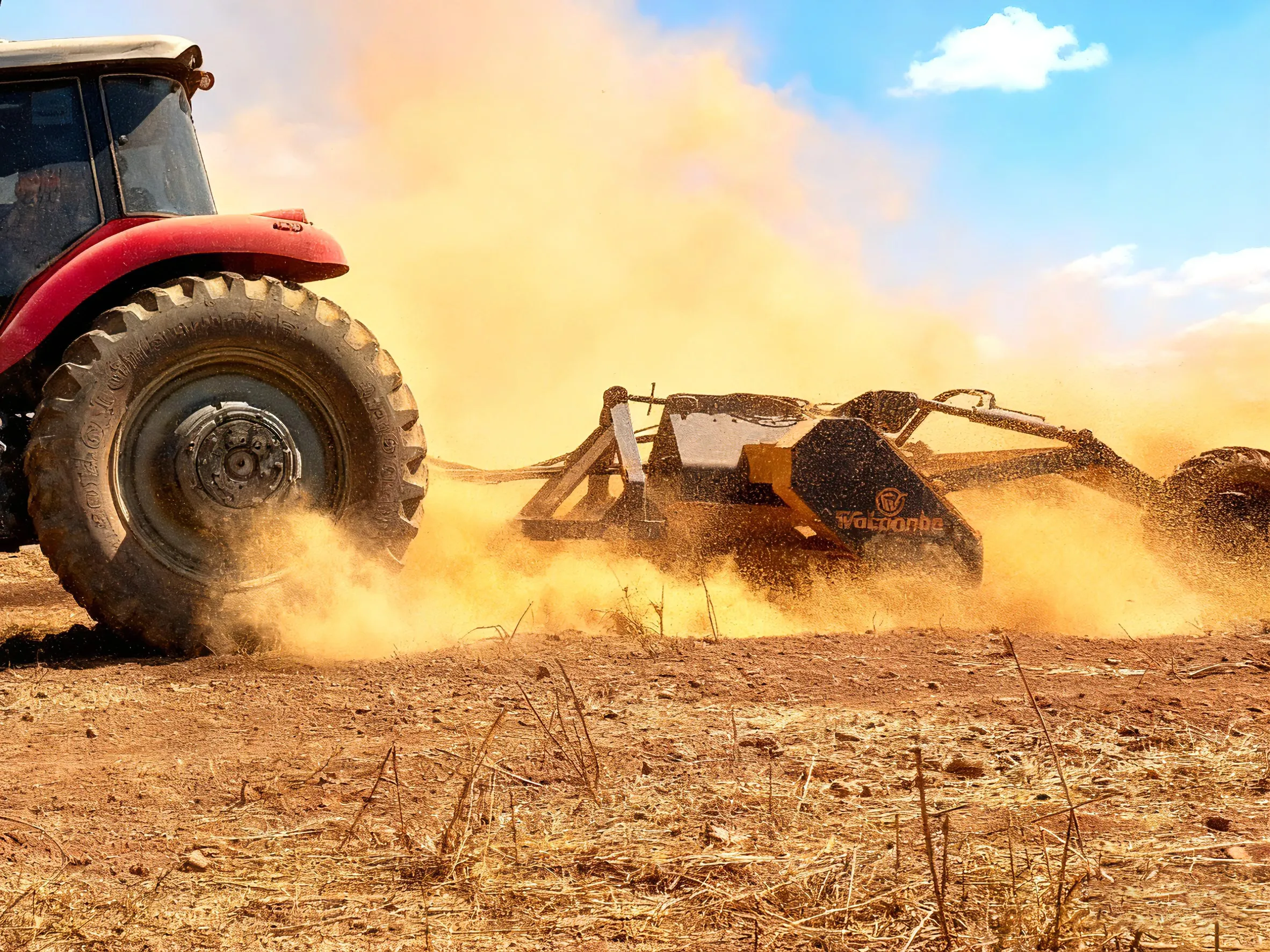
मृदा स्थिरीकरण यंत्र एक भारी-भरकम मशीन है जिसमें एक शक्तिशाली, उच्च गति वाला मिश्रण रोटर लगा होता है। इस रोटर में कई घिसाव-प्रतिरोधी पुर्जे या "दांत" लगे होते हैं जो मिट्टी को मौके पर ही बारीक-बारीक पीसने के लिए डिज़ाइन किए गए हैं। मिट्टी को बारीक पीसने के साथ-साथ, मशीन मिट्टी को सीमेंट, चूना, फ्लाई ऐश या बिटुमेन जैसे विशिष्ट बंधनकारी पदार्थों और पानी की सटीक मात्रा के साथ मिलाती है, जिससे एक समरूप, स्थिर और टिकाऊ आधार परत तैयार होती है।
यांत्रिक कोर: मिश्रण रोटर
ब्राज़ील वातानाबे मशीन का मुख्य भाग उसका मिक्सिंग रोटर होता है। सामान्य जुताई मशीनों या कृषि उपकरणों के विपरीत, मृदा स्थिरीकरण रोटर को अत्यधिक शक्ति और टिकाऊपन के लिए डिज़ाइन किया गया है। यह कठोर चिकनी मिट्टी, अपक्षरित चट्टानों और पुरानी पक्की सड़कों की परतों को तोड़ने में सक्षम होना चाहिए। मिश्रण की गहराई महत्वपूर्ण है; आधुनिक स्थिरीकरण रोटर एक ही बार में 30 सेमी से 50 सेमी की गहराई तक पहुँच सकते हैं, जिससे एक मोटी और भार वहन करने वाली नींव सुनिश्चित होती है।
मिश्रण कक्ष
दक्षता मिश्रण कक्ष के डिज़ाइन पर निर्भर करती है। एक अच्छी तरह से डिज़ाइन किया गया कक्ष एक "अशांत" वातावरण बनाता है जहाँ मिट्टी और बंधनकारी पदार्थ आणविक स्तर पर एकीकृत होते हैं। यह सुनिश्चित करता है कि नींव में कोई "कमजोर बिंदु" न हो, जो मैन्युअल मिश्रण विधियों में विफलता का एक सामान्य कारण होता है।
2. स्थिरीकरण का विज्ञान: यांत्रिक बनाम रासायनिक
मिट्टी को स्थिर करने वाले पदार्थ की आवश्यकता को समझने के लिए, यह समझना आवश्यक है कि यह मुख्य रूप से दो तरीकों से मिट्टी में सुधार करता है।
यांत्रिक स्थिरीकरण
इसमें मिट्टी की भौतिक संरचना में बदलाव शामिल है। बड़े-बड़े ढेलों को बारीक पीसकर और मिट्टी को सघन अवस्था में संकुचित करके, स्टेबलाइज़र मिट्टी के कणों के आंतरिक घर्षण और अंतर्संबंध को बढ़ाता है। यह प्रक्रिया मिट्टी की गुणवत्ता में सुधार करती है। सीबीआर (कैलिफोर्निया बेयरिंग अनुपात)जो कि मिट्टी की भारी भार वहन करने की क्षमता निर्धारित करने के लिए उपयोग किया जाने वाला प्राथमिक मापदंड है।
रासायनिक स्थिरीकरण
यहीं पर मृदा स्थिरक की असली खूबी सामने आती है। रासायनिक बंधनकारी पदार्थों को मिलाकर, मशीन मिट्टी की रासायनिक संरचना में स्थायी परिवर्तन लाती है:
- चूने का स्थिरीकरण: भारी चिकनी मिट्टी के लिए आदर्श। चूना मिट्टी में मौजूद सिलिका और एल्यूमिना के साथ प्रतिक्रिया करके एक सीमेंट जैसा बंधन बनाता है, जिससे मिट्टी की "प्लास्टिसिटी" (पानी के साथ फूलने और सिकुड़ने की प्रवृत्ति) काफी कम हो जाती है।
- सीमेंट स्थिरीकरण: दानेदार मिट्टी या गाद के लिए उपयोग किया जाता है। सीमेंट संपीडन शक्ति में तेजी से वृद्धि करता है, जिससे मिट्टी एक "मिट्टी-सीमेंट" आधार में बदल जाती है जो पारंपरिक कंक्रीट की ताकत के बराबर होती है, लेकिन लागत का एक अंश ही खर्च होता है।
- बिटुमिनस स्थिरीकरण: इसमें झागदार बिटुमेन या इमल्शन को इंजेक्ट करके एक लचीला, जल-प्रतिरोधी आधार तैयार किया जाता है, जो उन सड़कों के लिए एकदम सही है जो भारी मात्रा में जमने और पिघलने के चक्रों से गुजरती हैं।
3. मृदा स्थिरीकरण क्यों आवश्यक हैं: आर्थिक तर्क
प्रतिस्पर्धी वैश्विक अर्थव्यवस्था में, रसद की लागत अक्सर निर्माण बजट के लिए "चुपचाप हत्यारा" साबित होती है। मृदा स्थिरीकरण सामग्री पारंपरिक सड़क निर्माण के दो सबसे महंगे घटकों - ढुलाई और सामग्री खरीद - को खत्म कर देती है।
"खुदाई और प्रतिस्थापन" को समाप्त करना
परंपरागत रूप से, यदि स्थानीय मिट्टी कमजोर होती थी, तो उसे खोदकर ट्रकों में लादकर लैंडफिल में ले जाना पड़ता था, और फिर गड्ढे को भरने के लिए खदान से हजारों टन ताज़ी बजरी खरीदनी पड़ती थी। यह "काटकर भरने" की विधि बेहद अक्षम है। मिट्टी को स्थिर करने वाले पदार्थ का उपयोग करने से आप मिट्टी का उपयोग कर सकते हैं। मौजूदा मिट्टी मौके पर ही। केवल थोड़ी मात्रा में बाइंडर (आमतौर पर वजन के हिसाब से 3% से 7%) मिलाकर, आप "अपशिष्ट" मिट्टी को एक प्रीमियम आधार सामग्री में बदल सकते हैं।
परिवहन लागत में भारी कमी
सड़कों पर ट्रकों की संख्या कम होने से ईंधन की लागत कम होती है और मौजूदा बुनियादी ढांचे पर टूट-फूट भी कम होती है। बड़े पैमाने की परियोजनाओं के लिए, ब्राजील के वातानाबे मृदा स्थिरक का उपयोग करने से ट्रक यातायात में 90% तक की कमी आ सकती है, जिससे रसद और श्रम लागत में भारी बचत होती है।
4. इंजीनियरिंग उत्कृष्टता: स्थायित्व और संरचनात्मक अखंडता
फुटपाथों में संरचनात्मक खराबी आमतौर पर नीचे से ऊपर की ओर शुरू होती है। यदि आधार परत खराब हो जाती है, तो ऊपर की डामर परत में दरारें पड़ जाएंगी (थकान के कारण दरारें) या गड्ढे बन जाएंगे।
एकरूपता प्राप्त करना
मैन्युअल तरीके से मिट्टी का उपचार करने से अक्सर नींव असमान हो जाती है, जहाँ कुछ हिस्सों में ज़रूरत से ज़्यादा उपचार हो जाता है और कुछ में कम। मिट्टी को स्थिर करने वाला पदार्थ ऐसी एकरूपता प्रदान करता है जो अन्यथा संभव नहीं है। रोटर की गति, यात्रा गति और बाइंडर इंजेक्शन दरों पर सटीक नियंत्रण से पूरी परियोजना में सामग्री का घनत्व एक समान बना रहता है।
नमी प्रतिरोध में सुधार
निर्माण कार्यों का सबसे बड़ा दुश्मन पानी है। स्थिर मिट्टी की पारगम्यता काफी कम होती है। इसका मतलब यह है कि भारी बारिश के मौसम में भी—जो ब्राजील जैसे उष्णकटिबंधीय क्षेत्रों में एक आम समस्या है—स्थिर नींव मजबूत बनी रहती है, जिससे महीन कणों का बहाव रुक जाता है और सड़क की सतह धंसने से बच जाती है।
5. पर्यावरण संरक्षण: "ग्रीन" फाउंडेशन
सतत विकास अब केवल एक प्रचलित शब्द नहीं रह गया है; यह एक आवश्यकता है। मिट्टी का स्थिरीकरण निर्माण उद्योग में सबसे पर्यावरण-अनुकूल प्रक्रियाओं में से एक है।
इन-सीटू रीसाइक्लिंग
मृदा स्थिरीकरण पदार्थ चक्रीय अर्थव्यवस्था के अगुआ हैं। ये पुरानी सड़क सतहों के पुनर्चक्रण (पूर्ण गहराई पुनर्स्थापन) और फ्लाई ऐश या स्लैग जैसे औद्योगिक उप-उत्पादों को बंधनकारी पदार्थ के रूप में उपयोग करने में सक्षम बनाते हैं। इससे कच्चे समुच्चय की मांग कम होती है, जिससे प्राकृतिक खदानों और जैव विविधता का संरक्षण होता है।
कार्बन फुटप्रिंट में कमी
लगातार ट्रक परिवहन और भारी खुदाई की आवश्यकता को समाप्त करके, स्थिरीकरण परियोजना से जुड़े कार्बन उत्सर्जन पारंपरिक तरीकों की तुलना में काफी कम होते हैं। इसके अलावा, स्थिरीकृत सड़क की लंबी आयु का अर्थ है दशकों तक कम मरम्मत और पुनर्निर्माण चक्र, जिससे बुनियादी ढांचे के पर्यावरणीय प्रभाव में दीर्घकालिक कमी आती है।

6. मृदा स्थिरीकरण के प्रकार: सही उपकरण का चुनाव
सभी स्थिरीकरण परियोजनाएं एक जैसी नहीं होतीं, और ब्राजील वातानाबे विविध आवश्यकताओं को पूरा करने के लिए विशेष समाधान प्रदान करता है।
ट्रैक्टर द्वारा खींचे जाने वाले मृदा स्थिरक
ये ब्राज़ील वातानाबे की विशेषताएँ हैं। उच्च-हॉर्सपावर वाले ट्रैक्टर के पावर-टेक-ऑफ (पीटीओ) का उपयोग करके, ये मशीनें अविश्वसनीय बहुमुखी प्रतिभा प्रदान करती हैं। इन्हें दूरस्थ स्थलों तक ले जाना आसान है, समर्पित स्व-चालित इकाइयों की तुलना में कम विशेष रखरखाव की आवश्यकता होती है, और भारी ट्रैक्टरों के मालिक ठेकेदारों के लिए ये बहुत कम पूंजी निवेश का प्रतिनिधित्व करती हैं।
स्व-चालित स्टेबलाइजर
ये एकीकृत इकाइयाँ विशाल, निरंतर राजमार्ग परियोजनाओं के लिए डिज़ाइन की गई हैं। इनमें अक्सर उच्च क्षमता वाले बाइंडर इंजेक्शन सिस्टम लगे होते हैं और ये एक ही दिन में विशाल दूरी तय करने में सक्षम होती हैं।
उच्च गति बनाम उच्च टॉर्क रोटर
मिट्टी के प्रकार (पथरीली बनाम चिकनी) के आधार पर, रोटर बिट और घूर्णन गति का चयन महत्वपूर्ण होता है। ब्राज़ील वातानाबे की इंजीनियरिंग टीम कार्यस्थल की विशिष्ट भूवैज्ञानिक स्थितियों में अधिकतम दक्षता सुनिश्चित करने के लिए इन मापदंडों को अनुकूलित करने में विशेषज्ञता रखती है।
7. प्रमुख अनुप्रयोग: जहाँ स्थिरीकरण अपरिहार्य है
हालांकि अक्सर इसे सड़कों से जोड़ा जाता है, लेकिन मृदा स्थिरीकरण पदार्थों के अनुप्रयोग व्यापक हैं।
राजमार्ग और शहरी सड़क निर्माण
यह इसका प्राथमिक अनुप्रयोग है। स्थिर उप-आधार उच्च गति वाले यातायात और भारी मालवाहक वाहनों के लिए आवश्यक सहारा प्रदान करते हैं।
हवाई अड्डे के रनवे की नींव
हवाई अड्डों को ऐसी नींव की आवश्यकता होती है जो उतरने वाले विमानों के अत्यधिक "बिंदु भार" को सहन कर सके। रनवे और टैक्सीवे के लिए आवश्यक ठोस आधार बनाने के लिए मृदा स्थिरीकरण मानक प्रक्रिया है।
औद्योगिक भंडारण और फर्श स्लैब
बड़े पैमाने पर लॉजिस्टिक्स केंद्र कंक्रीट के फर्श की स्लैबों के धंसने को रोकने के लिए स्थिर जमीन पर निर्भर करते हैं, जिससे दरारें पड़ सकती हैं और स्वचालित शेल्विंग सिस्टम को नुकसान हो सकता है।
बांध और तटबंध निर्माण
जल प्रबंधन में, अभेद्य अवरोध बनाने के लिए स्थिरीकरण का उपयोग किया जाता है, जिससे मिट्टी के बांधों और तटबंधों की संरचनात्मक अखंडता को कटाव से बचाया जा सके।
8. ब्राज़ील के वातानाबे का लाभ: हर पास में नवाचार
पर ब्राज़ील वातानाबे मृदा स्थिरीकरण मशीन कंपनी लिमिटेडहम सिर्फ मशीनें नहीं बनाते; हम पृथ्वी के सबसे कठिन भूभागों के लिए समाधान तैयार करते हैं। हमारी प्रतिबद्धता... ईईएटी (विशेषज्ञता, आधिकारिकता और विश्वसनीयता) यह हमारी डिजाइन फिलॉसफी में परिलक्षित होता है।
उन्नत धातु विज्ञान
हमारे मिक्सिंग बिट्स विशेष टंगस्टन-कार्बाइड मिश्र धातुओं से निर्मित होते हैं, जिससे यह सुनिश्चित होता है कि वे मिट्टी और चट्टानों की घर्षणकारी प्रकृति को सैकड़ों घंटों तक सहन कर सकते हैं। इससे काम रुकने का समय कम होता है और ठेकेदार का मुनाफा बढ़ता है।
परिशुद्ध नियंत्रण प्रणालियाँ
हम हाइड्रोलिक और इलेक्ट्रॉनिक नियंत्रण प्रणालियों को एकीकृत करते हैं जो ऑपरेटरों को काम करते समय गहराई और मिश्रण की तीव्रता को तुरंत समायोजित करने की सुविधा प्रदान करती हैं। विभिन्न प्रकार की मृदा संरचना वाले स्थलों पर काम करते समय यह अनुकूलनशीलता अत्यंत महत्वपूर्ण है।
वैश्विक विशेषज्ञता, स्थानीय विश्वसनीयता
ब्राजील के निर्माण बाजार में गहरी पकड़ के साथ - जो मृदा यांत्रिकी के लिए सबसे चुनौतीपूर्ण वातावरणों में से एक है - हमने अपनी मशीनों को मजबूत, संचालित करने में आसान और अविश्वसनीय रूप से टिकाऊ बनाने के लिए परिष्कृत किया है।
9. मृदा स्थिरीकरण में आने वाली सामान्य चुनौतियाँ (और उनसे निपटने के तरीके)
सर्वोत्तम मशीनरी होने के बावजूद, स्थिरीकरण के लिए एक वैज्ञानिक दृष्टिकोण की आवश्यकता होती है।
उचित मृदा विश्लेषण
ब्राज़ील वातानाबे मशीन के ज़मीन पर काम शुरू करने से पहले, मिट्टी का प्रयोगशाला विश्लेषण आवश्यक है। इसमें मिट्टी की "इष्टतम नमी मात्रा" और "बाइंडर की सटीक आवश्यकता" निर्धारित करना ज़रूरी है। ज़रूरत से ज़्यादा स्टेबलाइज़ेशन से नींव कमज़ोर होकर दरारें पैदा कर सकती है, जबकि ज़रूरत से कम स्टेबलाइज़ेशन से नींव समय से पहले ही ढह सकती है।
उपचार समय
स्थिरीकृत मिट्टी उत्तम शराब की तरह होती है; इसे परिपक्व होने के लिए समय चाहिए होता है। स्टेबलाइज़र का काम पूरा होने और मिट्टी के संघनन के बाद, अंतिम परत (डामर या कंक्रीट) लगाने से पहले इसे 3 से 7 दिनों तक "ठीक होने" देना आवश्यक है। इससे रासायनिक बंधों को पूरी मजबूती प्राप्त करने का समय मिलता है।
भविष्य का निर्माण एक मजबूत नींव पर करना
मृदा स्थिरीकरण आधुनिक अवसंरचना का एक अनकहा नायक है। यह यांत्रिक शक्ति, रसायन विज्ञान और आर्थिक दक्षता का एक आदर्श सामंजस्य प्रस्तुत करता है। जैसे-जैसे हम अधिक बुद्धिमान, हरित और टिकाऊ शहरों के भविष्य की ओर अग्रसर हो रहे हैं, मृदा स्थिरीकरण की भूमिका और भी बढ़ती जाएगी।
मृदा स्थिरक का चयन करना ब्राज़ील वातानाबे मृदा स्थिरीकरण मशीन कंपनी लिमिटेड यह गुणवत्ता और स्थिरता में एक निवेश है। जिस धरती पर हम खड़े हैं, उसे अपनी सबसे बड़ी इंजीनियरिंग संपत्ति में बदलकर, हम एक ऐसी दुनिया का निर्माण कर रहे हैं जो वास्तव में ठोस आधार पर टिकी है।
चाहे आप राष्ट्रीय सड़क नेटवर्क को अनुकूलित करने की कोशिश कर रहे सरकारी योजनाकार हों या परिचालन लागत को कम करने की कोशिश कर रहे निजी ठेकेदार हों, मिट्टी स्थिरीकरण की शक्ति को समझना सफलता की दिशा में आपका पहला कदम है।
हमारी आधिकारिक वेबसाइट पर जाएँ soilstabilizermachine.com हमारी उच्च-प्रदर्शन वाली मशीनों की श्रृंखला का अन्वेषण करें और अपनी अगली नींव परियोजना के लिए सही साथी खोजें।
तकनीकी विनिर्देश, केस स्टडी और इंजीनियरिंग परामर्श अनुरोध पर उपलब्ध हैं। ब्राज़ील वातानाबे: एक-एक हेक्टेयर करके दुनिया को स्थिर करना।