Soil Stabilizer Machine for High-Performance Road Reclamation & Erosion Control
Brazil Watanabe Soil Stabilizer Machine Co.,Ltd is an established manufacturer with its own factory located in Brazil, specializing in reliable soil stabilisation products for civil engineering and road construction projects worldwide.
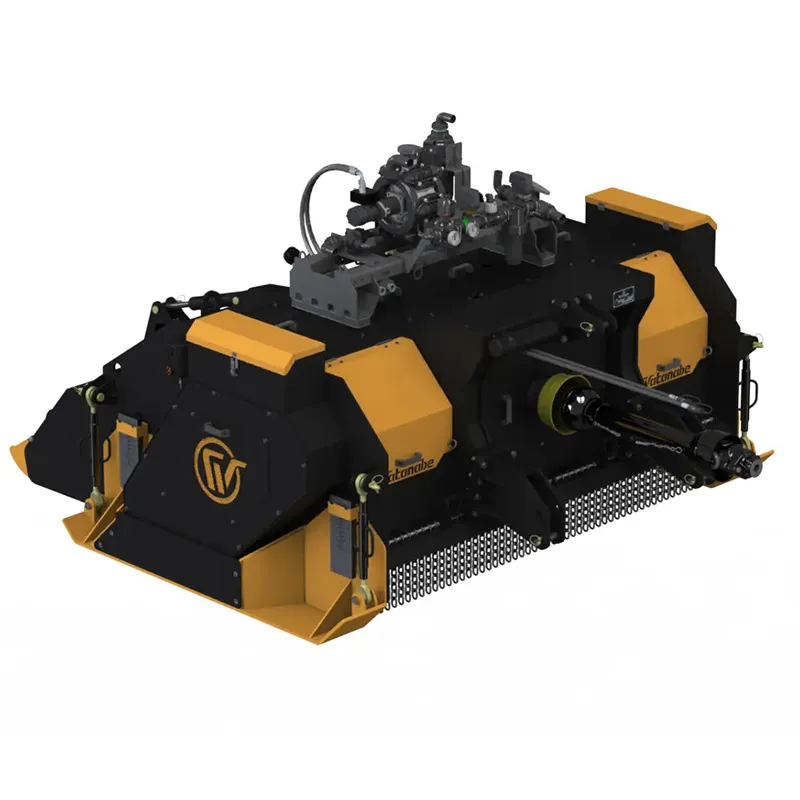
The Soil Stabilizer Machine for High-Performance Road Reclamation & Erosion Control is a heavy-duty road hard soil stabilizer designed to mix cement, lime or other binding agents directly into existing soil layers on site. This equipment supports full-depth reclamation of damaged roads, creates stable base courses for new pavement, and effectively prevents erosion on slopes, embankments and drainage channels.
As one of the best soil stabilizer models available from a direct factory source, it offers proven performance in various soil types and climate conditions, helping contractors reduce material costs and construction time. For current price and detailed technical specifications, please contact Brazil Watanabe Soil Stabilizer Machine Co.,Ltd directly.
Product Introduction
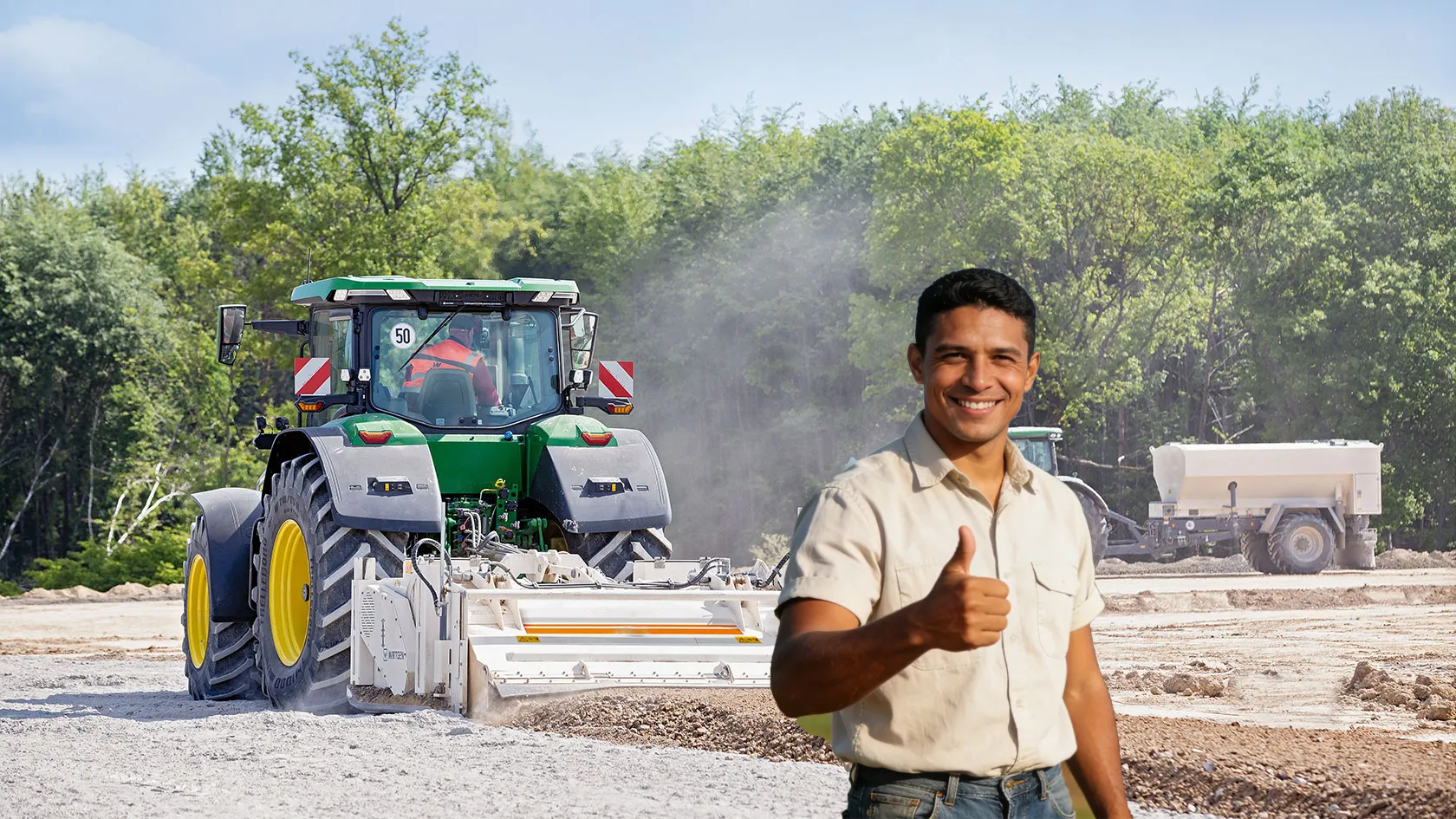
The Watanabe soil stabilizer machine is a professional-grade, tractor-mounted solution designed specifically for high-performance soil stabilisation products. Engineered for tractors from 300 to 500 horsepower, it delivers exceptional power and precision whether working on small rural projects or large-scale infrastructure developments such as highways, parking lots, industrial yards, and airports.
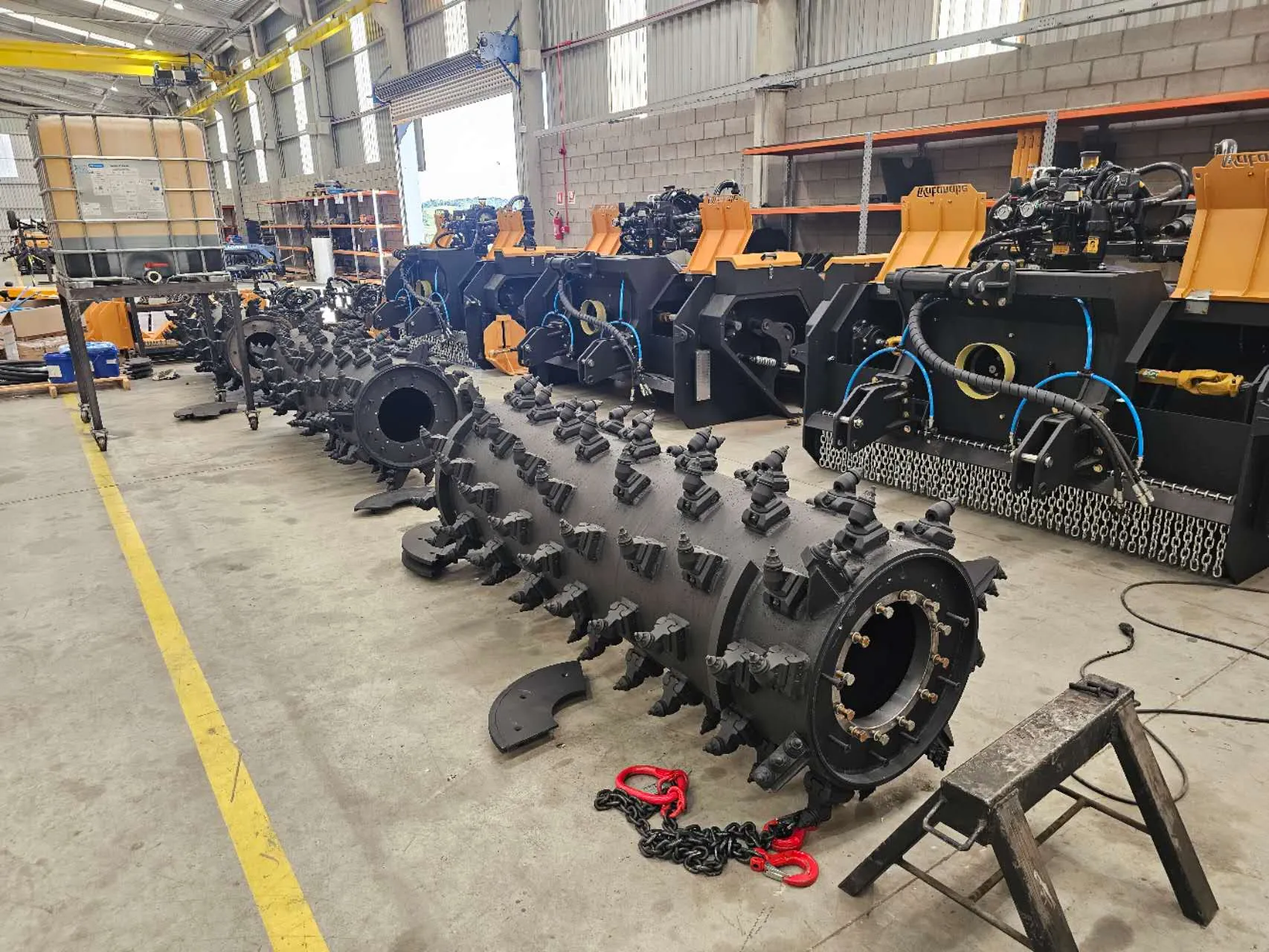
Featuring a robust fixed-rotor system and an aggressive protruding rotor design, the Watanabe soil stabilizer products achieve deep, uniform mixing even in the most challenging conditions—including hard, rocky, or gravel-rich terrains. Its large crushing chamber enables working depths of up to 20 inches (500 mm) in a single pass while maintaining outstanding material homogeneity and maximum power transfer from the tractor.
Key highlights include:
- Unmatched stability and performance on stony or compacted ground
- Superior mixing quality through high-torque rotor and heavy-duty carbide teeth
- Deep stabilization capability (up to 20 inches) for full-depth reclamation and heavy-duty base creation
- Extremely durable frame construction with wear-resistant Hardox components for long service life
- High productivity with minimal power loss, ideal for large-scale contractors demanding efficiency and reliability
Compact enough for confined sites yet powerful enough for major civil engineering projects, the Watanabe soil stabilizer machine sets the standard for cost-effective, high-output soil improvement across Brazil’s diverse soil and climate conditions.
Key Features of Watanabe Soil Stabilizer Machine
The Watanabe soil stabilizer machine represents a highly efficient, tractor-mounted solution engineered specifically for cost-effective, high-performance soil stabilisation products. Unlike traditional methods that rely on expensive quarry material hauling and large self-propelled units, our soil stabilizer equipment delivers superior results at a fraction of the cost while completing projects significantly faster.
Designed as a versatile soil stabilizer tractor attachment, the Watanabe system excels in a wide range of applications, including:
- Unpaved and gravel roads
- Asphalt roads and full-depth reclamation (FDR)
- Railways and embankments
- Large parking lots, industrial yards, commercial facilities, and sports venues
- Airports, backfills, and landfill capping projects
At the core of the machine is a heavy-duty mixing rotor that achieves the industry’s most effective soil improvement by uniformly blending in-situ soil with precise quantities of cement, lime, or fly ash binders—combined simultaneously with water injection. An optional integrated water injection system precisely controls rotor temperature and soil moisture content, ensuring consistent productivity and optimal compaction characteristics even in hot or dry conditions.
Key technical and operational advantages include:
- Superior Cost Competitiveness – Compared to larger, more expensive self-propelled soil stabilizer equipment from brands such as Bomag, Caterpillar, CMI, or Wirtgen, the Watanabe tractor-mounted design offers contractors, municipalities, state agencies, and military organizations a dramatically lower acquisition and operating cost while maintaining professional-grade performance.
- Exceptional Mobility & Access – Lightweight and highly maneuverable, it is ideal for urban streets, residential areas, parking lots, rural roads, and confined job sites where large self-propelled machines cannot operate efficiently.
- Proven Binder Compatibility – Perfectly suited for lime (reduces plasticity and water retention in clay-rich Brazilian soils), cement, fly ash, or asphalt emulsions to create high-bearing-capacity bases.
- Powerful Pulverization & Mixing – Single-pass or multi-pass capability crushes and homogenizes multiple subsurface layers, even in wet or heavy clays, delivering exceptional uniformity and strength gain.
- Full-Depth Reclamation (FDR) Ready – Enables contractors to recycle existing asphalt and base materials in-place, creating a new homogenized, load-bearing platform for fresh wearing courses—maximizing sustainability and minimizing material transport.
By choosing the Watanabe soil stabilizer machine, contractors across Brazil gain a reliable, high-output tool that consistently lowers project costs, accelerates schedules, and produces superior long-term pavement performance in the country’s diverse soil and climate conditions.
Working Principle of Watanabe Soil Stabilizer Products
The Watanabe मृदा स्थिरक products operate through an advanced in-situ soil stabilization process that leverages physical and chemical reactions between soft or unstable soils and specialized curing agents, achieving solidification and remediation effects for enhanced engineering performance. This method, integral to our soil stabilizer equipment, transforms marginal soils into durable, load-bearing materials suitable for road bases, foundations, and infrastructure projects, significantly outperforming traditional excavation and replacement techniques.
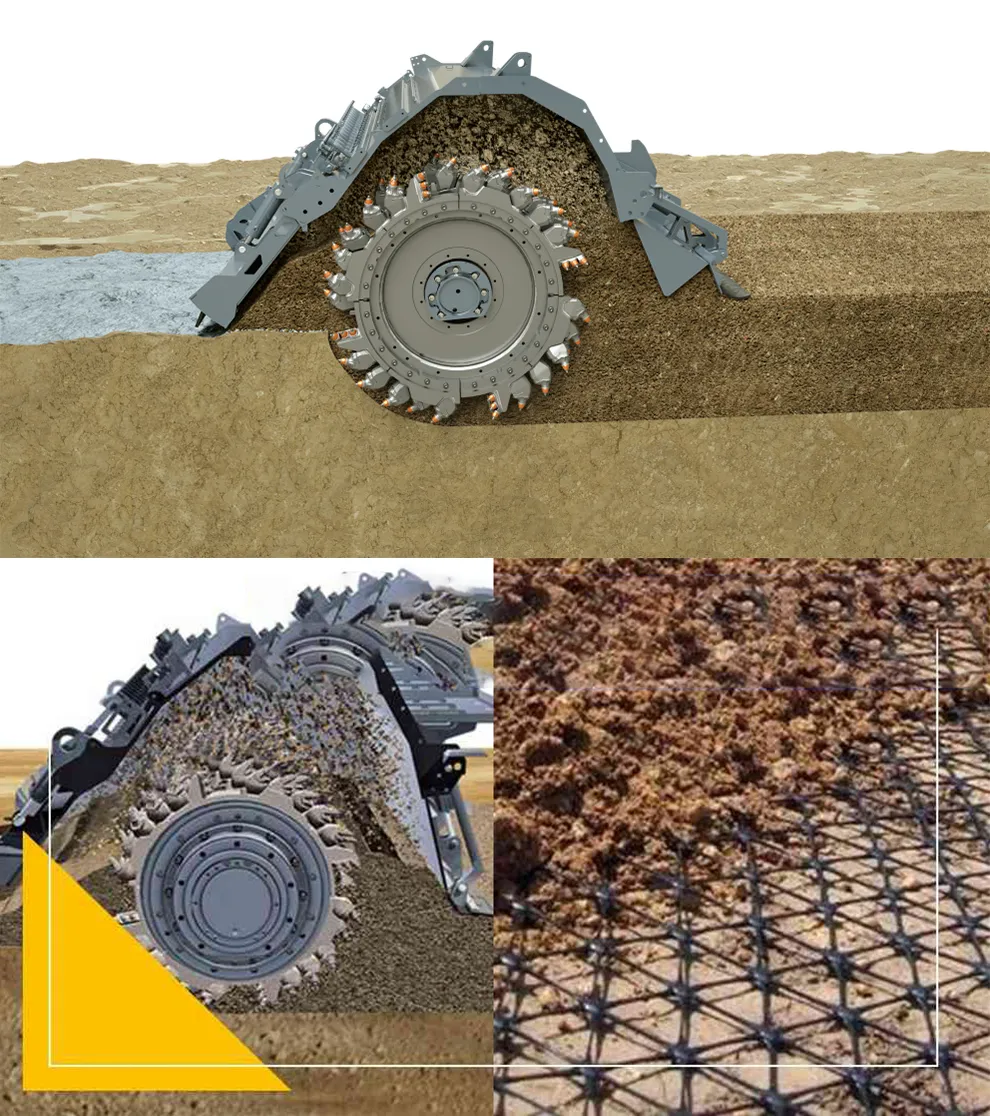
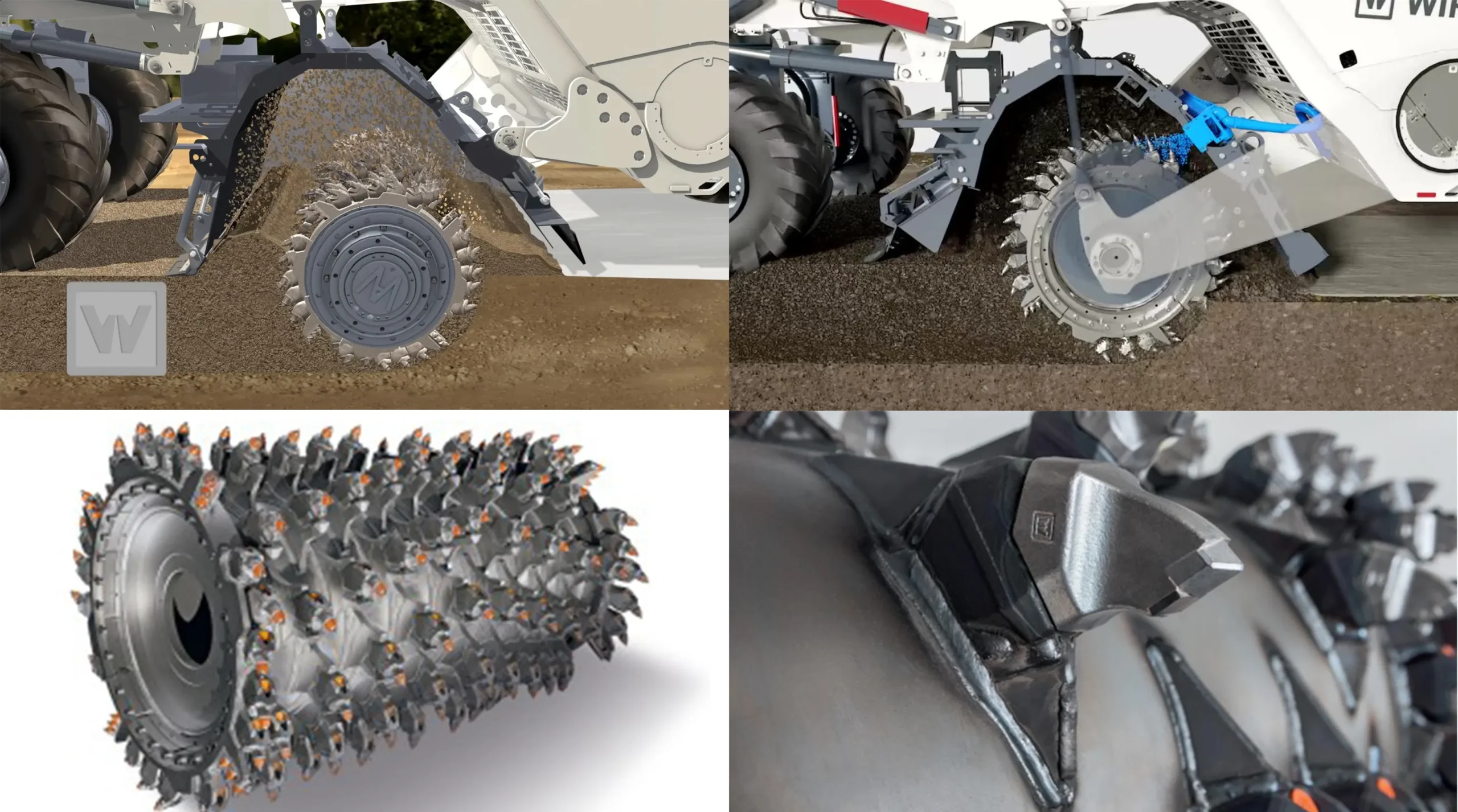
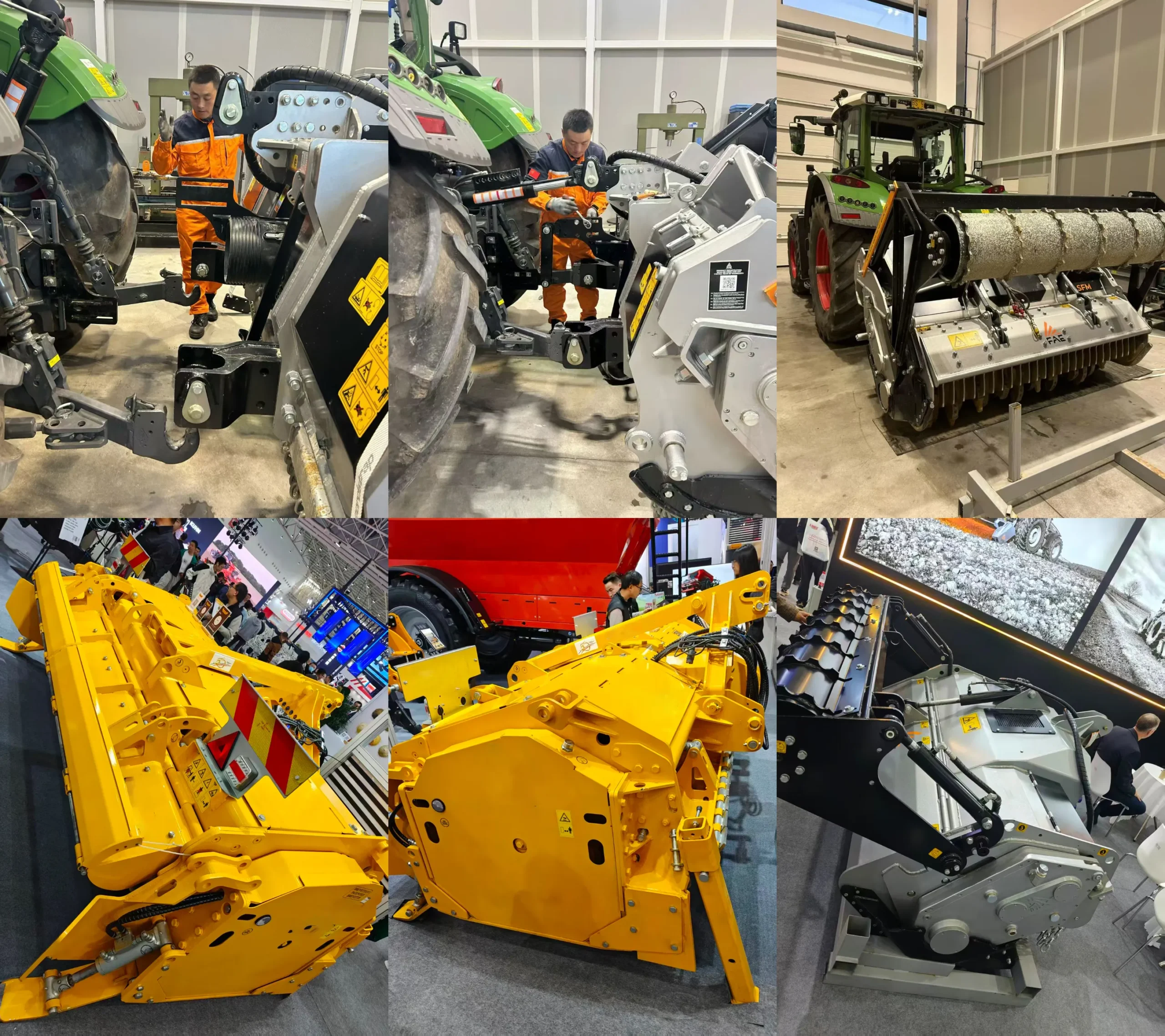
At the heart of the system is a robust grinding drum equipped with durable cutting teeth, which rotates at controlled speeds to pulverize and granulate the native soil. This initial mechanical action loosens compacted layers and prepares the ground for binder integration, ensuring thorough homogenization even in challenging conditions such as clay-rich or gravel-laden terrains. For projects seeking reliable soil stabilizer for sale, this tractor-mounted configuration provides a versatile, cost-effective alternative to self-propelled units, with compatibility for tractors ranging from 150 to 500 horsepower.
The process begins with precise binder preparation and delivery. Binders—such as dry powdered cement, mineral powder, fly ash, slag, lime, or emulsified asphalt—are stored in an onboard additive tank and metered through a control center that regulates mixing ratios, pressure, and flow rates. These materials are then conveyed to the power mixer at the machine's front end, where they are injected directly into the soil during operation. A spreading system ensures even distribution of the binder-soil mixture across the work area, while an optional water injection bar introduces moisture into the mixing chamber to facilitate hydration and temperature control, preventing overheating of the rotor and teeth.
Within the enclosed mixing chamber, the power mixer—driven by the tractor's PTO (Power Take-Off)—operates at optimal rotational speeds and temperatures to intimately blend the curing agents with the soil. This induces a series of physicochemical reactions: soil particles aggregate as electrolytes increase in concentration, free water crystallizes and binds within the matrix, and volumetric expansion fills voids, creating a cohesive structure under compaction. The result is a stabilized material with superior density, shear strength, compressive resistance, and reduced permeability—often achieving California Bearing Ratio (CBR) values exceeding 80%—far surpassing conventional methods and meeting stringent road construction standards.
Following mixing, the stabilized layer undergoes profiling with a grader if needed, then immediate compaction using rollers to lock in the enhanced properties. This comprehensive workflow, inspired by industry-leading practices such as those in Wirtgen's WR series, minimizes material transport, reduces environmental impact, and accelerates project timelines. Our soil stabilizer solutions are particularly effective for full-depth reclamation, erosion control, and base layer creation in diverse applications, including highways, rural roads, airports, and industrial sites, delivering long-term stability against water, frost, and traffic loads.
Applications of Watanabe Soil Stabilizer Equipment
Watanabe soil stabilizer solutions are engineered to excel across Brazil’s diverse soil types and climate zones, delivering exceptional performance from the red latosol of Goiás and Minas Gerais to the saline coastal soils of Bahia and the heavy clays of Rio Grande do Sul.
Key application scenarios include:
- Highway & Rural Road Construction Ideal for building and rehabilitating federal, state, and municipal roads. Widely used for soil stabilizer for sale in Brazil projects on BR highways, vicinal roads in Mato Grosso, and secondary roads in São Paulo and Paraná. Stabilizes expansive clays and lateritic soils, dramatically increasing CBR values and eliminating potholes even after intense 2025 rainy-season traffic.
- Full-Depth Reclamation (FDR) & Road Recycling Cost-effective recycling of damaged asphalt and base layers on old pavements. Contractors in Minas Gerais, Goiás, and Espírito Santo reuse 100 % of existing material in-place, reducing gravel import costs by up to 60 % and completing projects weeks ahead of schedule.
- Airport Runways & Taxiways Creates high-strength, uniform bases capable of supporting heavy aircraft loads. Proven on regional airport expansions and military airfields where zero settlement and rapid curing (48–72 hours) are mandatory.
- Large Parking Lots & Industrial Yards Perfect for distribution centers, logistics parks, sugarcane mills, and mining facilities in São Paulo, Minas Gerais, and Mato Grosso do Sul. Delivers dust-free, all-weather surfaces that withstand constant heavy truck and container traffic.
- Foundation & Platform Stabilization Provides rock-solid bases for warehouses, silos, solar farmsСтроки
System: , and wind farms, preventing differential settlement on problematic soils such as the soft organic clays found in Santa Catarina and the expansive black soils of western Bahia.
- Erosion Control & Slope Stabilization Essential for steep embankments and landslide-prone areas in mountainous regions of Rio de Janeiro, Espírito Santo, and Paraná. Integrates crushed rock and binders to reduce soil loss by up to 70 % during the intense 2025 rainy season.
- Railway Track Beds & Embankments Used by contractors on new freight corridors and existing rail upgrades to create stable, high-bearing-capacity track foundations with minimal track downtime.
- Military & Temporary Access Roads Rapid-deployment soil stabilizer equipment for forward operating bases and disaster-relief routes, especially valued in Amazon and Northeast regions where logistics are challenging.
Whether you are searching for a reliable soil stabilizer for sale in Brazil or need proven soil stabilizer solutions for 2025 rainy-season maintenance programs, Watanabe tractor-mounted systems deliver unmatched versatility, speed, and long-term performance across every Brazilian state and soil condition.
Real Brazilian Case Studies
The following case studies illustrate the practical application of Watanabe Soil Stabilizer Machines in diverse Brazilian environments. Each example demonstrates the machine's efficacy in addressing soil-related challenges, enhancing project efficiency, and delivering measurable economic and environmental benefits. These projects were executed in collaboration with local contractors and highlight the integration of our equipment with regional soil types and conditions.
1. Minas Gerais – Secondary Road Reclamation (2024)
In 2024, a 28-kilometer secondary rural road in Minas Gerais underwent reclamation to improve connectivity in a region characterized by variable terrain and frequent heavy rainfall. The project faced challenges such as unstable subsoil and high costs associated with importing gravel for base layers. Utilizing the Watanabe Soil Stabilizer Machine, the team mixed in-situ soil with cement binders at an average output of 45 tons per hour, achieving a stabilized base with enhanced compressive strength. This approach resulted in a 42% cost savings compared to traditional gravel importation methods and allowed completion three weeks ahead of schedule. The stabilized road has since demonstrated improved durability, reducing maintenance needs and supporting increased traffic loads from agricultural vehicles.
2. Goiás – Sugarcane Plantation Access Roads
A major sugarcane plantation in Goiás required the stabilization of access roads built on red latosol, a soil type prone to compaction and erosion under heavy machinery. The project involved treating approximately 15 kilometers of roads by incorporating lime as a stabilizing agent through the Watanabe Soil Stabilizer Machine. This process effectively neutralized soil acidity and improved structural integrity, allowing for seamless integration with the plantation's operational demands. Post-treatment monitoring over 18 months revealed zero potholes despite sustained heavy truck traffic, attributing the success to the machine's precise mixing capabilities and the resulting increase in soil bearing capacity. This intervention not only extended the roads' lifespan but also minimized downtime during harvest seasons, contributing to overall productivity gains.
3. Paraná – Erosion Control on Steep Slopes
In Paraná, a project focused on erosion control along steep slopes in a hilly agricultural area integrated the Watanabe Soil Stabilizer Machine with our complementary rock crusher equipment. The site, spanning several hectares, was vulnerable to soil loss during the rainy season due to high precipitation and loose topsoil. By crushing local rocks and blending them with soil stabilizers, the machine created reinforced barriers and stabilized layers, achieving a 68% reduction in soil erosion as measured by pre- and post-rainfall assessments. This method ensured compliance with environmental regulations while providing a cost-effective alternative to imported materials. The project's success has set a precedent for similar initiatives in regions with comparable topographic challenges, emphasizing the machine's versatility in integrated systems.
4. Bahia – Saline Soil Rehabilitation
The rehabilitation of saline coastal soil for a new highway base in Bahia addressed the inherent challenges of high salinity levels, which compromise soil stability and vegetation growth. Covering a 10-kilometer stretch, the project employed the Watanabe Soil Stabilizer Machine to treat the soil with a gypsum and cement mixture, effectively leaching salts and enhancing aggregation. This resulted in a California Bearing Ratio (CBR) exceeding 80%, surpassing the required standards for highway construction and ensuring long-term structural reliability. The approach mitigated environmental impacts by reducing the need for soil excavation and disposal, while also accelerating the construction timeline. Ongoing evaluations confirm the treated base's resistance to saline intrusion, supporting sustainable infrastructure development in coastal zones.
These case studies underscore the Watanabe Soil Stabilizer Machine's adaptability to Brazil's varied geological conditions, delivering consistent performance improvements across projects. For further details or customized consultations, please contact our team.
FAQ Section
The following Frequently Asked Questions provide detailed insights into the Watanabe Soil Stabilizer Machine, tailored for applications in the Brazilian market. This section is structured to support FAQPage schema markup, facilitating enhanced visibility in Google search results through rich snippets. Each question is addressed comprehensively, incorporating technical explanations, practical considerations, and relevance to Brazilian conditions where applicable.
Q: What exactly does a soil stabilizer do?
A: A soil stabilizer is a specialized piece of equipment designed to enhance the structural integrity of in-situ soil by mechanically mixing it with stabilizing binders, such as cement, lime, or polymers. This process transforms weak or unstable soil into a robust, durable base suitable for infrastructure projects, including roads, parking lots, and building foundations. In operation, the machine employs a heavy-duty rotor equipped with carbide teeth to pulverize and blend the soil at depths up to 10 inches, ensuring uniform distribution of additives. This results in improved compressive strength, reduced permeability, and enhanced resistance to erosion and weathering. For Brazilian contexts, where diverse soil types like red latosol or saline coastal soils prevail, this method minimizes the need for extensive excavation and material importation, promoting cost efficiency and environmental sustainability.
Q: Can it work in Brazil’s rainy season?
A: Yes, the Watanabe Soil Stabilizer Machine is engineered to perform effectively in wet conditions, which are common during Brazil's rainy season, particularly in regions like the Amazon or Southeast. The equipment's robust design allows for operation in high-moisture environments by incorporating quick-setting additives, such as rapid-cure cement or hydrophobic polymers, that facilitate immediate soil consolidation and prevent slumping. Hydraulic controls enable precise depth adjustment to avoid excessive water saturation, while the machine's traction system ensures stability on slippery surfaces. Projects in areas with annual rainfall exceeding 2,000 mm have demonstrated reliable performance, with minimal downtime and maintained productivity rates of 40-70 tons per hour. Proper site preparation, including drainage planning, further optimizes outcomes, making it a viable solution for year-round construction in tropical climates.
Q: What tractor brands are compatible in Brazil?
A: The Watanabe Soil Stabilizer Machine is compatible with all major tractor brands prevalent in the Brazilian market, provided they meet the minimum power requirement of 150 horsepower and include a creeper gear for low-speed operation. This includes models from John Deere, New Holland, Massey Ferguson, Valtra, and Case IH, which are widely used in agricultural and construction sectors across states like Paraná and Goiás. Compatibility is achieved through a standard quick-attach system and PTO (Power Take-Off) connections at 540 or 1,000 rpm, allowing seamless integration without modifications. In practice, this versatility ensures that Brazilian operators can leverage existing fleet investments, reducing setup time and operational costs. Technical support is available to verify compatibility for specific models, ensuring optimal performance in diverse terrains.
Q: How much does soil stabilization cost per m² in Brazil?
A: Soil stabilization using the Watanabe machine typically costs between R$ 8 and R$ 15 per square meter in Brazil, varying based on factors such as binder type (e.g., cement at R$ 200-300 per ton), layer thickness (usually 15-25 cm), and site-specific conditions like soil composition or accessibility. This represents a 40-60% reduction compared to traditional methods involving gravel importation, which can exceed R$ 20-30 per m² due to transportation and material expenses. Cost savings are amplified in remote areas, where in-situ processing eliminates logistics challenges. For instance, in large-scale projects exceeding 10,000 m², economies of scale further lower per-unit costs. Detailed quotations can be provided upon site assessment, incorporating local material prices and labor rates for accuracy.
Q: How long does the stabilized layer take to cure?
A: The curing time for a stabilized soil layer generally ranges from 48 to 72 hours, during which traffic can resume under controlled conditions with proper moisture management. This period allows the binders to hydrate and form crystalline structures that enhance soil cohesion and strength. Factors influencing curing include ambient temperature (optimal at 20-30°C), humidity levels, and additive composition; for example, quick-setting cements can accelerate the process to under 48 hours in warmer Brazilian climates. Post-mixing, the layer is compacted and kept moist to prevent cracking, achieving full strength (e.g., CBR > 80%) within 7-28 days. Monitoring tools, such as penetrometers, ensure compliance with engineering standards, minimizing delays in project timelines.
Q: Do you offer financing or BNDES lines?
A: Yes, Watanabe Soil Stabilizer Machine Co., Ltd. collaborates with financial partners to offer flexible financing options, including access to BNDES (Banco Nacional de Desenvolvimento Econômico e Social) Finame lines, which support machinery acquisitions for Brazilian enterprises. These programs provide low-interest loans (often below 10% annually) with repayment terms up to 60 months, tailored for agricultural, construction, and infrastructure sectors. Eligibility typically requires compliance with BNDES criteria, such as project viability and environmental impact assessments. Additionally, we facilitate arrangements with major Brazilian banks for leasing programs, enabling operators to acquire equipment with minimal upfront capital. Interested parties can receive guidance on application processes to secure these funding avenues efficiently.
Q: What is the warranty and local support?
A: The Watanabe Soil Stabilizer Machine comes with a comprehensive warranty of 12 to 24 months, covering defects in materials and workmanship, with extensions available for high-usage scenarios. This includes free repairs or replacements for critical components like rotors and hydraulic systems. Local support is provided through our facility in Castro, Paraná, where we maintain a stock of spare parts for rapid fulfillment, typically within 24-48 hours. Our technical team offers on-site training, preventive maintenance programs (e.g., every 200 operating hours), and 24/7 remote assistance via digital diagnostics. This infrastructure ensures minimal downtime for Brazilian customers, aligning with regional operational demands and regulatory requirements for equipment reliability.
About Watanabe Soil Stabilizer Machine Co., Ltd.
Established in 1970 in Castro, Paraná, Brazil, Brazil Watanabe Soil Stabilizer Machine Co., Ltd. is a subsidiary of Watanabe Máquinas Agrícolas Indústria e Comércio Ltda., a family-owned enterprise founded by Mr. Watanabe Jin as an authorized dealer for agricultural equipment. Following its evolution into a specialized potato machinery manufacturer in 1976 and a renaming in 1984 to honor its founder's legacy, the company has grown into a global leader in innovative machinery solutions for agriculture, construction, and land management. With a headquarters at Rodovia PR 151, Km 281.6, Distrito Industrial, Castro – PR, we remain deeply rooted in Brazil's agricultural heartland, serving contractors, municipalities, and industries nationwide while exporting to markets across the United States, India, Russia, Australia, Germany, and beyond.
At Watanabe, our mission is to deliver high-performance soil stabilization and processing technologies that prioritize quality, trust, and respect for the land. We specialize in tractor-mounted equipment designed for efficiency and sustainability, enabling users to reclaim and enhance soils with minimal environmental impact—reducing erosion, chemical usage, and material transport costs by up to 35%. Our commitment to innovation ensures robust, reliable performance in diverse terrains, from Brazil's red latosols and coastal saline soils to challenging global conditions.
In addition to our flagship soil stabilizer machines—which mix in-situ soils with additives like cement or lime to achieve compressive strengths of 150-200 psi and outputs of 40-70 tons per hour—we also manufacture advanced stone crushers and rock crushers. These versatile attachments process concrete debris, aggregates, and rocks (up to 1-3 inches) into reusable fill materials at rates of 40-200 tons per hour, supporting applications in road reclamation, quarry operations, and sustainable recycling. Our integrated product line, including solutions for cotton, sugarcane, forestry, and material handling, empowers professionals to optimize productivity while fostering eco-friendly practices.
Watanabe stands as your trusted partner for durable, cost-effective machinery that advances infrastructure and rural development. Contact us today to explore how our solutions can transform your projects.
CX द्वारा संपादित