Rakentamisen ja maankäytön dynaamisella alalla maaperän stabilointiaineista on tullut korvaamattomia työkaluja maaperän vakauden parantamiseksi, eroosion vähentämiseksi ja infrastruktuurin kehittämisen tukemiseksi. Brazil Watanabe Soil Stabilizer Machine Co., Ltd.:n Brasilian maaperän stabilointilaitteiden asiantuntijoina ymmärrämme näiden koneiden budjetointiin liittyvät monimutkaisuudet. Maaperän stabilointiaineen kustannukset voivat vaihdella merkittävästi, ja niihin vaikuttavat monet tekijät, kuten koneen tekniset tiedot ja alueelliset taloudelliset olosuhteet.
Maaperän stabilointiaineiden hinnoittelun perusteiden ymmärtäminen
Maaperän stabilointiaineen tarkan kustannuksen määrittäminen edellyttää sen roolin huomioon ottamista stabilointiaineiden, kuten kalkin tai sementin, sekoittamisessa maaperään kuormituksen kantokyvyn ja kestävyyden parantamiseksi. Pieniin maatalous- tai kunnallisiin hankkeisiin soveltuvien perustason mallien lähtöhinta voi olla noin 1 40 000–1 80 000 Yhdysvaltain dollaria vuoden 2025 markkinatietojen perusteella. Nämä ovat usein kompakteja, traktoriin kiinnitettäviä yksiköitä, jotka sopivat ihanteellisesti maaperän stabilointiin Brasilian kahviplantaaseilla Minas Geraisissa, missä tarkat ja vähän vaikutusta aiheuttavat toimenpiteet ovat välttämättömiä satojen säilyttämiseksi.
Keskitason maaperän stabilointiaineet, joissa on parannetut sekoitusominaisuudet ja leveämmät roottorit keskikokoisiin tie- tai maanrakennustöihin, maksavat tyypillisesti $80 000–$250 000 USD. Esimerkiksi mallit, kuten XL2503, joita käytetään yleisesti Brasilian tiehankkeissa BR-101-käytävällä, maksavat noin $75 000–$82 000 USD yksikköä kohden tilausmäärästä riippuen. Nämä koneet tarjoavat vankan suorituskyvyn Koillis-alueella yleisten laajojen savimaiden käsittelyyn ja varmistavat pitkäaikaisen vakauden rankkasateita vastaan.
Laajamittaiseen infrastruktuuriin, kuten Rio de Janeiron lentokenttien kiitoteille tai Parán osavaltion kaivosalueiden valmisteluun, suunnitellut huippuluokan ja raskaaseen käyttöön tarkoitetut maaperän stabilointiaineet voivat maksaa yli 250 000 Yhdysvaltain dollaria, ja jotkut edistyneemmät mallit voivat nousta jopa 615 000 Yhdysvaltain dollariin. Brasilian markkinoilla suositut tuotemerkit, kuten Wirtgen, tarjoavat tässä hintaluokassa WR200-sarjan kaltaisia yksiköitä, joissa on hienostuneita ominaisuuksia suurten tuotantomäärien saavuttamiseksi. Brasiliassa, missä paikallinen valmistus, jonka tekevät kaltaisemme yritykset, voi vähentää tuontikustannuksia, hinnat voivat olla 10–201 TP4 TS alemmat kuin kansainväliset keskiarvot alennettujen tullien ja raaka-aineiden läheisyyden vuoksi.
On tärkeää huomata, että nämä luvut ovat likimääräisiä ja perustuvat vuoden 2025 markkinatrendeihin, jotka ovat nousseet hieman teräksen hinnannousun ja teknologisten integraatioiden vuoksi. Brasilialaisille ostajille muuntaminen Brasilian realiksi (BRL) on ratkaisevan tärkeää; valuuttakurssien vaihdellessa noin 5,5 BRL:n ja 1 USD:n välillä $100 000 kone vastaa noin 550 000 BRL:ää, mahdollisesti oikaistuna paikallisilla veroilla ja kannustimilla, jotka kuuluvat esimerkiksi Brasilian kehityspankin (BNDES) kestävien laitteiden rahoituksen kaltaisiin ohjelmiin.
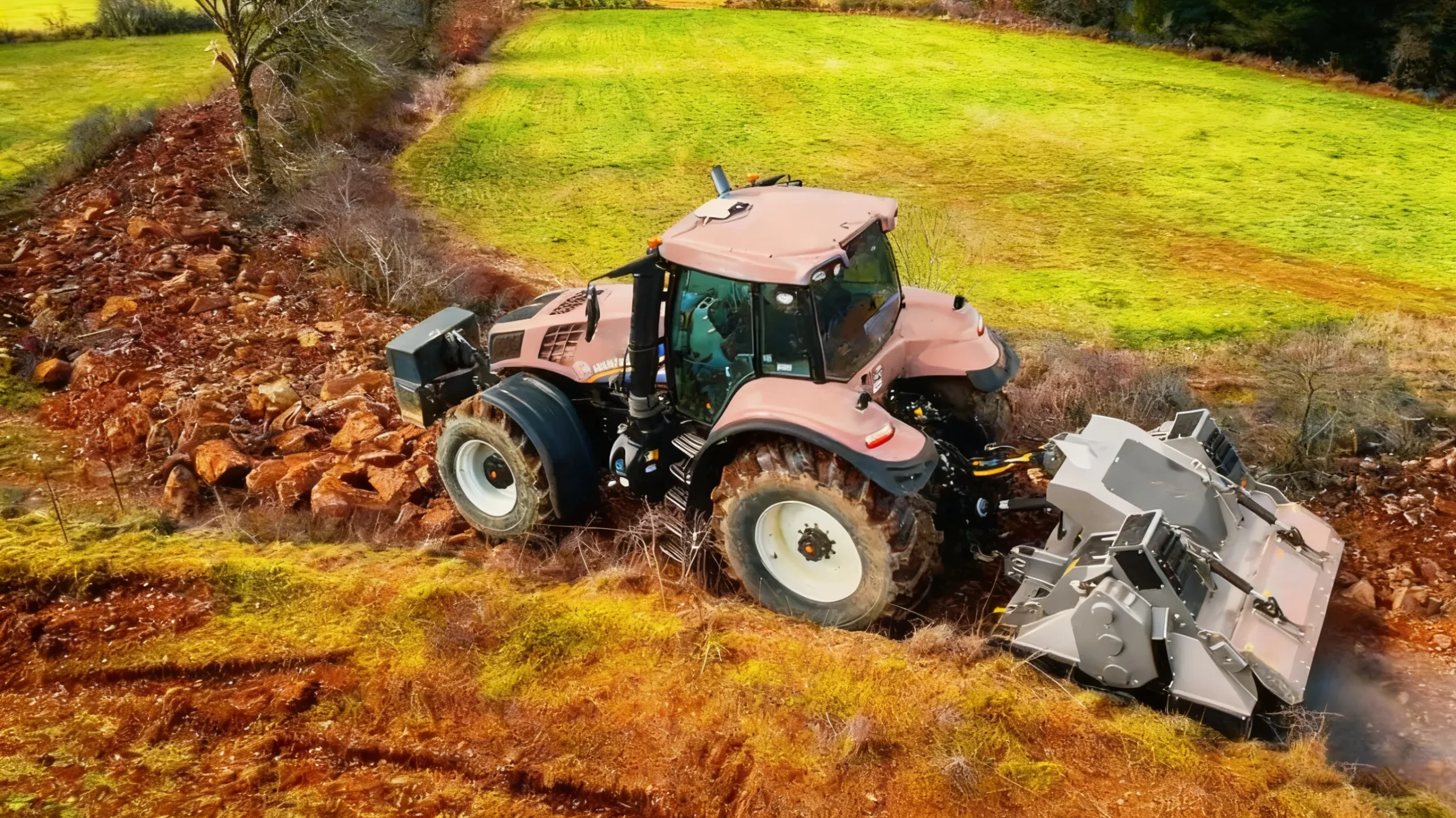
Maan stabilointiaineen kustannuksiin vaikuttavat keskeiset tekijät: Koneen tyyppi ja koko
Yksi maanvakautusaineen hinnan ensisijaisista tekijöistä on sen tyyppi ja koko, jotka korreloivat suoraan sen käsittelemien projektien laajuuteen. Traktoriin kiinnitettävät vakauttimet, kuten Brazil Watanabe Soil Stabilizer Machine Co., Ltd.:n valikoimassamme olevat, ovat edullisempia, ja niiden hinta vaihtelee 40 000 dollarista 120 000 dollariin ($). Nämä ovat monipuolisia maataloussovelluksiin Cerradon alueella, jossa ne sekoittavat lisäaineita ravinneköyhään maaperään parantaakseen hedelmällisyyttä ilman laajoja maanrakennustöitä. Niiden kompakti rakenne mahdollistaa helpon kuljetuksen Brasilian laajoilla alueilla Rio Grande do Sulin tasaisilta pampuilta Espírito Santon aaltoileville kukkuloille.
Itseliikkuvat mallit taas ovat kalliimpia – usein 150 000–400 000 USD – integroitujen propulsiojärjestelmien ja suurempien roottorien ansiosta. Nämä ovat välttämättömiä kaupunkien maaperän vakauttamiseksi tiheästi asutuilla alueilla, kuten Brasíliassa, missä ohjattavuus ja suuri teho (jopa 200 tonnia tunnissa) ovat kriittisiä häiriöiden minimoimiseksi. Koko on keskeinen rooli; pienemmät roottorit (alle 2 metriä leveät) sopivat ahtaisiin tiloihin rannikkojen eroosiontorjuntaprojekteissa lähellä Salvadoria ja ovat halvempia kuin leveämmät versiot (yli 2,5 metriä), joita käytetään Amazonin leveiden valtateiden alustoilla ja jotka voivat nostaa perushintaa 150 000 USD tai enemmän.
Myös syvyyssyvyys vaikuttaa hinnoitteluun. Koneet, jotka pystyvät sekoittamaan 400 mm:iin tai syvemmälle, kuten XL2103-sarja, jonka hinta on noin 40 000–85 000 Yhdysvaltain dollaria, ovat kalliimpia vahvistettujen komponenttien vuoksi, jotka kestävät hankaavia Brasilian maaperiä, kuten Carajásin rautapitoisia lateriitteja. Sitä vastoin matalammat mallit kosteikkojen, kuten Pantanalin, pintakäsittelyyn saattavat säästää kustannuksissa, mutta rajoittavat monipuolisuutta.
Teknologiset ominaisuudet ja innovaatiot, jotka ajavat hintavaihteluita
Teknologian kehitys nostaa merkittävästi maan stabilointiaineiden hintaa, mutta se parantaa myös tehokkuutta ja pitkän aikavälin arvoa. Perusmalleja ilman automaatiota voi hankkia alle 100 000 Yhdysvaltain dollarilla, ja ne soveltuvat suoraviivaiseen maan sekoitukseen Brasilian sokeriruokopelloilla Pernambucossa. GPS-ohjattujen järjestelmien sisällyttäminen tarkkaan syvyyden säätöön ja lisäaineiden annosteluun voi kuitenkin nostaa hintoja 20 000–50 000 Yhdysvaltain dollaria. Brasilian täsmäviljelyn edistämisessä nämä ominaisuudet vähentävät materiaalihävikkiä jopa 151 400 000 dollaria, mikä oikeuttaa investoinnit suuriin tiloihin Mato Grosson alueella.
Hybridijärjestelmät, joissa dieselöljyä ja sähkökomponentteja sekoitetaan Brasilian IBAMA-ympäristömääräysten täyttämiseksi, lisäävät kustannuksia – mahdollisesti 10–151 TP4T enemmän – mutta vähentävät polttoaineenkulutusta korkealla sijaitsevilla alueilla, kuten Serra da Mantiqueirassa. Polttoainetehokkuus on keskeinen näkökohta; laitteissamme havaitut 15–25 litraa tunnissa kuluttavat mallit ovat ajan myötä taloudellisempia kuin janoisemmat 40–50 litran yksiköt, mikä vaikuttaa elinkaaren aikaiseen hinnoitteluun.
Lisäominaisuudet, kuten pölynpoistojärjestelmät, jotka ovat ratkaisevan tärkeitä toiminnassa kuivissa Caatinga-biomeissa, tai lämmitetty hydrauliikka Etelä-Brasilian viileämmässä ilmastossa, voivat nousta hintaluokkiin $5 000–$15 000. Reaaliaikaisen valvonnan telematiikka, joka mahdollistaa ennakoivan huollon, on yhä useammin vakiovaruste premium-malleissa yli $200 000, mikä auttaa brasilialaisia urakoitsijoita välttämään seisokkeja syrjäisissä Amazonin projekteissa, joissa korjaukset ovat logistisesti haastavia.
Tuotemerkin maine, laatu ja takuunäkökohdat
Tuotemerkillä on merkittävä rooli hinnoittelussa, ja vakiintuneet tuotemerkit, kuten Wirtgen tai Bomag, tarjoavat jopa 20–50% korkeamman hinnan kuin yleiset tai paikalliset tuotemerkit. Esimerkiksi Wirtgen WR240 voi maksaa 230 000 euroa (noin 250 000 USD), mikä heijastaa erinomaista rakennuslaatua ja maailmanlaajuisia tukiverkostoja. Brasiliassa, jossa huoltopalvelu on elintärkeää pitkien etäisyyksien vuoksi, paikallisten valmistajien, kuten meidän, valitseminen voi tarjota kilpailukykyisiä hintoja – usein 15–25% alhaisempia – ja samalla varmistaa nopean saatavuuden osille esimerkiksi Paranán osavaltioissa.
Laadukkaat materiaalit, kuten korkealaatuisesta teräksestä valmistetut kulutusta kestävät roottorit, nostavat kustannuksia, mutta pidentävät käyttöikää ja vähentävät vaihtokustannuksia. Koneet, jotka käsittelevät monimuotoista Brasilian maaperää – Rion hiekkarannoilta Bahian kivisiin louhoksiin – vaativat kestäviä komponentteja, mikä lisää 10 000–$30 000 dollaria. Takuu, tyypillisesti 1–2 vuotta, vaikuttaa koettuun arvoon; 3–5 vuoden laajennetut lisävarusteet voivat lisätä 5–10%:n alkukustannuksia, mutta tarjoavat mielenrauhaa korkean riskin projekteissa, kuten Santosin satamalaajennuksissa.
Myös kansainvälisten standardien, kuten ISO 9001 tai CE, sertifiointi vaikuttaa asiaan, koska Brasilian määräykset edellyttävät julkisten tarjouskilpailujen noudattamista, mikä voi nostaa maahantuotujen yksiköiden hintoja sertifiointimaksujen vuoksi.
Brasilian alueelliset ja taloudelliset tekijät, jotka vaikuttavat hinnoitteluun
Brasilian maantieteellinen ja taloudellinen monimuotoisuus vaikuttaa merkittävästi maaperän stabilointiaineiden kustannuksiin. São Paulon kaltaisissa kaupunkikeskuksissa, joissa huipputeknologisten koneiden kysyntä on suurta kukoistavan rakentamisen vuoksi, hinnat saattavat nousta 10–151 TP4T logistiikan ja kilpailun vuoksi. Toisaalta Amazonin maaseutualueilla kestävän maankäytön tuet liittovaltion ohjelmien puitteissa voivat kompensoida kustannuksia, mikä helpottaa laitteiden saatavuutta metsäkadon hillitsemishankkeissa.
Ulkomaisten koneiden tuontitullit – noin 14–18% rakennuslaitteille – tekevät paikallisesti valmistetuista vaihtoehdoista houkuttelevampia. Brasilialaisena yrityksenä stabilisaattorimme hyötyvät tästä, sillä niiden hinnat voivat olla alhaisemmat kuin Kiinasta tai Euroopasta toimitetuilla vastaavilla tuotteilla. Valuuttakurssien vaihtelut, kuten Brasilian realin volatiliteetti suhteessa Yhdysvaltain dollariin, voivat vaikuttaa kustannuksiin; vuonna 2025 vahvistuva real saattaa alentaa tuojien efektiivisiä hintoja.
Myös työvoima- ja polttoainekustannukset Brasiliassa vaikuttavat epäsuorasti koneen valintaan. Polttoaineen hintavammilla alueilla, kuten Koillis-Espanjassa, tehokkaat mallit säästävät käyttökustannuksissa, mikä oikeuttaa korkeammat alkuinvestoinnit. Korkeapäästöisten laitteiden ympäristöverot kannustavat ympäristöystävällisiin vaihtoehtoihin, mikä nostaa hintoja mutta on linjassa Brasilian Pariisin sopimuksen sitoumusten kanssa.
Uudet vs. käytetyt maanvakautusaineet: kustannusvertailut ja kompromissit
Uusien ja käytettyjen koneiden valitseminen tuo esiin selkeän kustannusristiriidan. Uudet yksiköt, joilla on täysi takuu ja uusin tekniikka, alkavat perusmallin hinnasta 1 500 000 ja nousevat 1 500 0 ...
Brasilian jälkimarkkinoilla, erityisesti maatalouskeskuksissa, kuten Castron kaltaisissa Paranássa, aiemmista tiehankkeista peräisin olevat käytetyt koneet saattavat maksaa 5 50 000–1 50 000 dollaria käyttötunneista riippuen (alle 5 000 tuntia on suositeltava). Kompromisseihin kuuluvat kuitenkin mahdolliset korjauskustannukset; käytetty yksikkö kuluttavilla Minas Geraisin kaivosalueilla saattaa vaatia 5 10 000 dollarin vuosittaisia huoltoja.
Rahoitusvaihtoehdot, kuten brasilialaisille ostajille tarkoitetut alhaisen koron BNDES-lainat, tekevät uusista hankinnoista kannattavia, kun taas käytettyjen laitteiden leasing sopii lyhytaikaisiin tarpeisiin kausiluonteisilla tulva-alttiilla alueilla, kuten Paraná-joen valuma-alueella.
Ylläpito, käyttökustannukset ja pitkän aikavälin arvo
Ostohinnan lisäksi kokonaiskustannuksiin vaikuttavat huolto- ja käyttökustannukset. Keskitason vakaajan vuosittainen huolto voi maksaa 1TP5–1TP5–15 000 dollaria, ja se kattaa esimerkiksi roottorin hampaat (teroitetaan 200 tunnin välein) ja hydraulinesteet. Brasilian kosteassa ilmastossa korroosionestolla on lisäkustannusten lisäksi muita kustannuksia, mutta ennaltaehkäisevät toimenpiteet pidentävät koneen käyttöikää 10–15 vuoteen.
Polttoaineenkulutus – 15–50 litraa tunnissa – tarkoittaa 1 TP5T500–1 TP5T2 000 puntaa kuukaudessa paljon käytetyissä tilanteissa, mutta se on alhaisempi tehokkailla malleilla tasaisilla alueilla, kuten Pampas-vuorilla. Brasilian NR-12-normien mukainen pakollinen kuljettajien koulutus maksaa 1 TP5T1 000–1 TP5T3 000 puntaa koulutuskertaa kohden, mutta vähentää onnettomuuksia ja seisokkiaikoja.
Pitkän aikavälin arvo realisoituu tuottavuuden kautta; $200 000 kone, joka vakauttaa 40–200 tonnia tunnissa, voi saada kustannukset takaisin 1–2 vuodessa vähentyneen materiaalikuljetuksen ansiosta (säästöt 30%:ssä) esimerkiksi Bahian kaupunkijätteenkäsittelyhankkeessa.
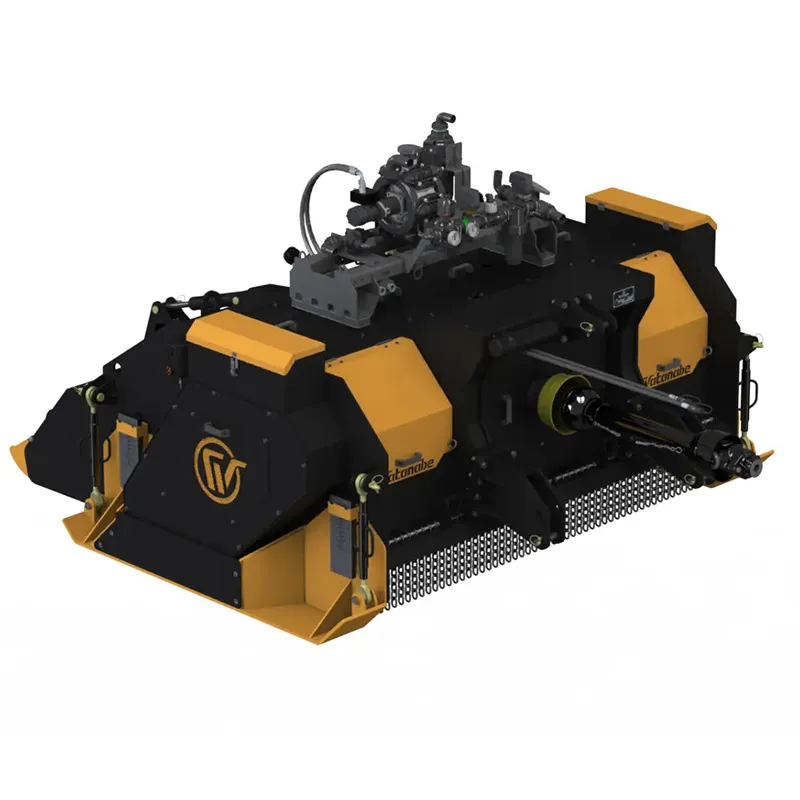
Case-tutkimukset: Hinnoittelu todellisissa brasilialaisissa projekteissa
Minas Geraisin rinteellä sijaitsevassa projektissa käytetty $45 000-kaliiperinen murskain-vakautinhybridi käsitteli 45 tonnia kiveä päivässä, mikä säästi hävittämisessä 35% kalliimpiin uusiin yksiköihin verrattuna. São Paulon Rodoanel-laajennuksessa itseliikkuva $250 000-kaliiperinen malli vähensi kaivutyötä 40%:llä, mikä kompensoi kustannuksia tehokkuuden avulla.
Amazonin teiden vakauttamisessa käytettiin $80 000 traktoriin kiinnitettävää yksikköä, joka sopeutui märkiin maaperiin ja vähensi ympäristövaikutuksia. Tuet alensivat efektiivistä hintaa 20%:llä.
Lisäkulut: Tarvikkeet, kuljetus ja koulutus
Lisävarusteet, kuten ylimääräiset roottorit tai pölynvaimentimet, lisäävät hintaa $5 000–$20 000. Kuljetus Brasilian sisällä – $2 000–$10 000 riippuen etäisyydestä satamiin, kuten Santosiin – on tärkeä tekijä, erityisesti syrjäisillä Koillis-Englannin kohteilla.
Koulutus ja sertifiointi, jotka ovat välttämättömiä monikulttuuristen brasilialaisten miehistöjen turvallisuuden kannalta, lisäävät aluksi $2 000–$5 000.
Markkinatrendit ja tulevaisuuden hinnoittelunäkymät vuodelle 2025 ja sen jälkeen
Vuonna 2025 Brasilian infrastruktuuri-investointien myötä PAC-ohjelman puitteissa kysyntä saattaa nostaa hintoja 5–101 TP4T, mutta teknologinen tehokkuus voi vakauttaa ne. Globaalit toimitusketjuongelmat, kuten teräspula, vaikuttavat kustannuksiin, kun taas paikallinen tuotanto lieventää tätä.
Kestävyystrendit suosivat ekomalleja, mahdollisesti edullisemmin, mutta pitkällä aikavälillä säästäen hiiliveroissa.
Maaperän stabilointiaineen hinta, joka vaihtelee 40 000 dollarista yli 600 000 dollariin, riippuu tyypistä, ominaisuuksista, tuotemerkistä ja alueellisista tekijöistä, erityisesti Brasilian vaihtelevissa olosuhteissa. Punnitsemalla näitä projektin tarpeisiin – Amazonin eroosion torjunnasta São Paulon kaupunkirakentamiseen – ostajat voivat varmistaa vastineen rahalle. Asiantuntijoina suosittelemme perusteellisia arviointeja sen varmistamiseksi, että investoinnit tuottavat kestäviä ja tehokkaita tuloksia.