1. Comprensión del perfil del suelo brasileño (pedología)
El primer paso para elegir una máquina no es consultar el catálogo, sino observar el suelo. Brasil posee algunas de las variaciones de suelo más complejas del mundo. Para elegir el equipo adecuado, debe clasificar con precisión el suelo de su proyecto.
Latossolos y Argisoles: el desafío “Terra Vermelha”
Gran parte del corazón agrícola de Brasil está dominado por Latossolos (Latosoles). Son suelos altamente meteorizados, a menudo ricos en óxidos de hierro y aluminio. Si bien ofrecen buen drenaje, pueden carecer de la capacidad de carga estructural necesaria para trabajos pesados. infraestructura. Por otro lado, Argisoles (Los suelos arcillosos) presentan un desafío diferente: se expanden y contraen significativamente con la humedad.
Para estos entornos ricos en arcilla, se necesita un estabilizador con rotores de alto torque y la capacidad de integrar eficazmente aditivos como cal o cemento. Una máquina que no pueda pulverizar estas densas arcillas brasileñas en una granulometría fina provocará puntos blandos en la base de la carretera, lo que provocará grietas y fallas prematuras bajo las lluvias tropicales.
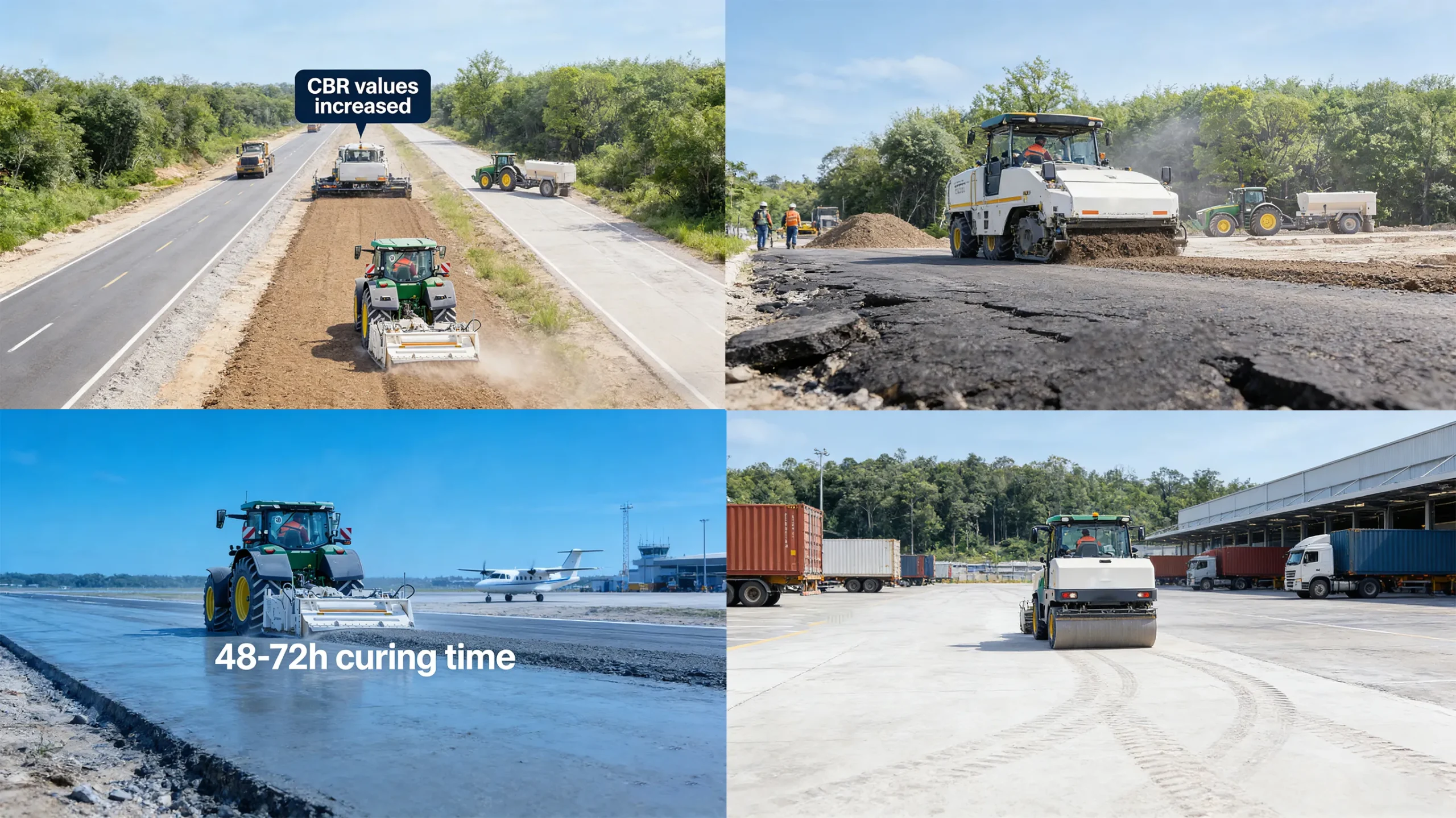
2. Estabilización mecánica vs. química: ¿Qué máquina es la más adecuada?
Antes de seleccionar una máquina, debe determinar su método de estabilización. ¿Simplemente compactará y nivelará (mecánico) o aplicará un aglutinante (químico)?
- Estabilización mecánica: Se centra en la clasificación y mezcla de diferentes agregados de suelo. Esto requiere un estabilizador con un rotor de alta precisión que pueda lograr una mezcla uniforme de diversos tamaños de grano.
- Estabilización química: Implica la adición de cemento, cal, cenizas volantes o polímeros especializados. Para ello, el estabilizador debe ser compatible con el equipo de aplicación y contar con una cámara de mezcla diseñada para evitar la aglomeración del aditivo.
3. Especificaciones técnicas clave a evaluar
Al revisar los modelos de Brasil WatanabePreste mucha atención a estos cuatro pilares técnicos:
A. Profundidad de mezcla y diámetro del rotor
Los requisitos del proyecto varían. Una zona rural calle vecinal (carretera secundaria) podría requerir solo una profundidad de estabilización de 200 mm. Por el contrario, una carretera principal diseñada para los camiones pesados de la agronegocio Podría requerir profundidades de 400 mm a 500 mm. Asegúrese de que el diámetro del rotor de la máquina sea suficiente para alcanzar estas profundidades sin forzar la transmisión ni reducir la calidad de la mezcla. Nuestros modelos de servicio pesado están diseñados específicamente para mantener una profundidad constante incluso en los suelos más duros y compactados. Interior de São Paulo.
B. Potencia y par del motor (HP/Nm)
En el ambiente húmedo y de altas temperaturas de Brasil, el rendimiento del motor se pone a prueba al máximo. Una máquina de 400 HP podría parecer suficiente, pero en arcilla densa, el torque es fundamental. Se necesita un motor que proporcione un alto torque a bajas RPM para impulsar el rotor mezclador en terrenos difíciles sin sobrecalentarse. Máquinas Watanabe Utilizamos motores compatibles con Tier 3 y Tier 4 diseñados para resistencia tropical, lo que garantiza que el polvo del Cerrado No compromete los sistemas de admisión de aire ni de refrigeración.
C. Configuración de la herramienta de corte (dientes y portaherramientas)
Los "dientes" del estabilizador son su principal punto de contacto con la tierra. Para suelos rocosos o abrasivos comunes en partes del... NordesteLos dientes con punta de carburo de tungsteno son obligatorios. Al elegir su máquina, infórmese sobre la facilidad de reemplazo de los dientes. Una máquina que se queda en el taller para el mantenimiento de los dientes no le genera ingresos.
4. Autopropulsado vs. remolcado por tractor: El factor movilidad
En Brasil, la logística para llevar el equipo a una obra puede ser un proyecto en sí mismo. La elección entre una recuperadora de suelo autopropulsada y una unidad acoplada a un tractor depende de la escala y la frecuencia del trabajo.
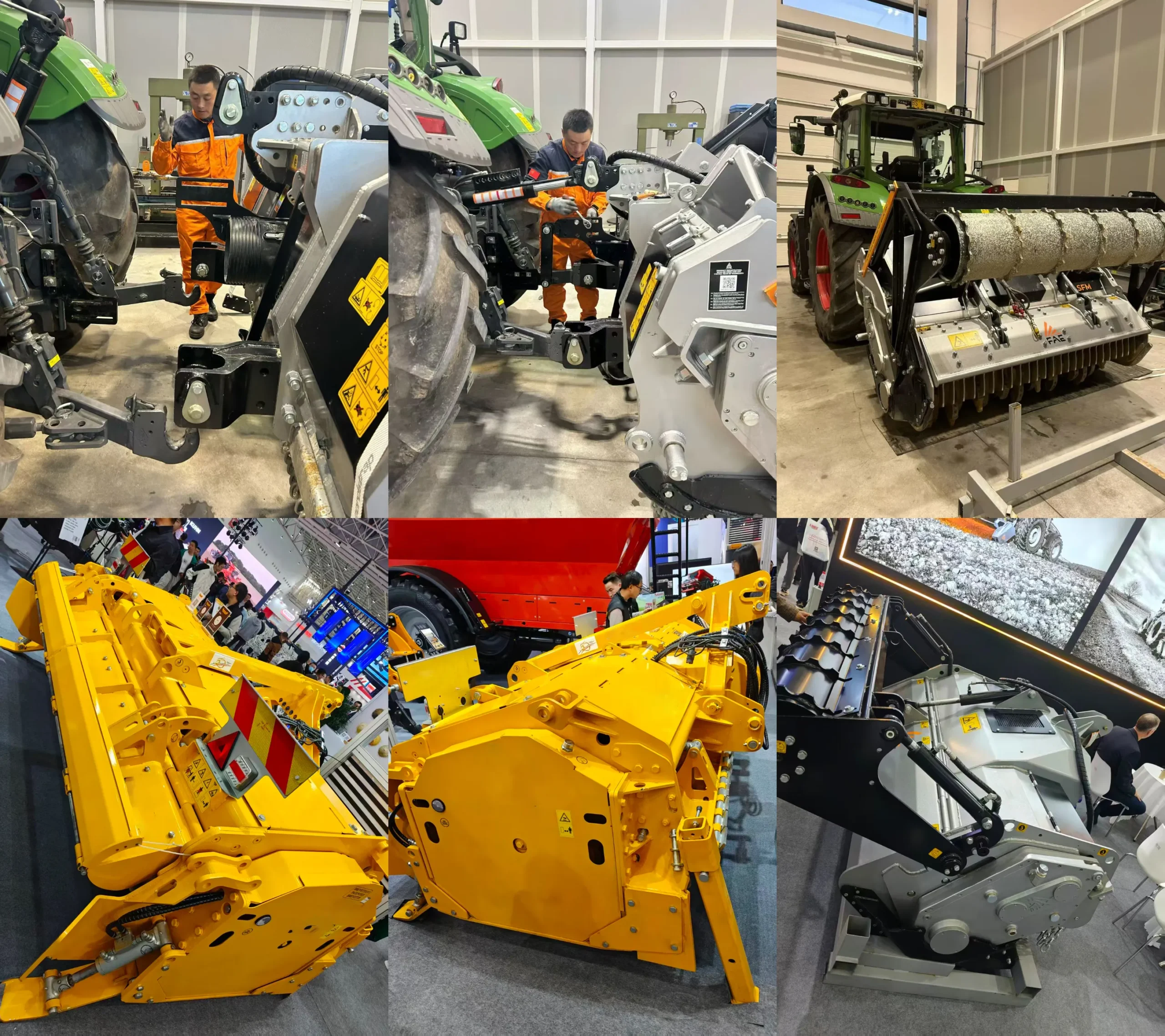
Unidades autopropulsadas: Estos son el estándar de oro para proyectos de infraestructura a gran escala. Ofrecen una visibilidad superior, sistemas 4x4 integrados para tracción en pendientes lodosas y transmisiones hidrostáticas precisas. Si usted es un contratista que trabaja a nivel estatal... obras públicasLa eficiencia de una unidad autopropulsada reducirá drásticamente su costo por metro cuadrado.
Unidades remolcadas por tractor: Ideal para municipios más pequeños (Prefeituras) o grandes explotaciones (Haciendas) que ya poseen tractores de alta potencia. Ofrecen una forma rentable de utilizar los activos existentes y, al mismo tiempo, lograr un rendimiento profesional. estabilización del suelo Para caminos internos y silos.
5. Consideraciones económicas y ROI en el mercado brasileño
El precio de compra inicial es solo una parte de la ecuación. Para elegir la máquina adecuada, debe calcular el retorno de la inversión (ROI) basándose en:
- Consumo de combustible: Con la fluctuación de los precios del diésel en Brasil, la eficiencia del combustible es fundamental. Los motores modernos con control electrónico pueden ahorrar hasta 151 TP4T de combustible en comparación con los modelos mecánicos más antiguos.
- Disponibilidad de piezas: ¿Tiene el fabricante presencia local en Brasil? Esperar el envío de una pieza desde el extranjero puede paralizar un proyecto durante semanas. Watanabe se enorgullece de su red de soporte local, lo que garantiza un tiempo de inactividad mínimo.
- Valor de reventa: Las máquinas de alta calidad de marcas reconocidas mantienen su valor en el mercado secundario, lo que es una consideración fundamental para la gestión de activos de la empresa.
6. Cumplimiento ambiental y sostenibilidad
A medida que Brasil avanza hacia regulaciones ambientales más estrictas (como las que aplica IBAMA y agencias estatales), se está analizando la huella ambiental de los equipos de construcción. Los estabilizadores de suelo modernos contribuyen a la sostenibilidad mediante:
- Reciclaje in situ: Permitir la reutilización de materiales de carreteras existentes en lugar de transportar nuevos agregados, lo que reduce las emisiones de carbono y protege las canteras locales.
- Control de polvo: Las cámaras de mezcla avanzadas minimizan el polvo en el aire, protegiendo tanto el medio ambiente como la salud de los operadores.
La decisión final
Elegir el estabilizador de suelo adecuado es un equilibrio entre las exigencias geológicas del suelo brasileño, los requisitos técnicos del proyecto y las limitaciones económicas de su negocio. Ya sea que esté construyendo el futuro de la logística de Paraná o mejorando los caminos de acceso de una extensa plantación de Mato Grosso, la máquina ideal está disponible.
No deje su base al azar. Para una consulta detallada y adaptada a las necesidades específicas de su proyecto brasileño, visite nuestro portal oficial en soilstabilizermachine.comDeje que Brazil Watanabe Soil Stabilizer Machine Co., Ltd. le ayude a construir sobre terreno sólido.