In the high-stakes world of heavy civil engineering and infrastructure development, the soil stabilizer machine stands as a titan of efficiency. However, the very nature of its work—pulverizing dense earth, mixing caustic chemical binders, and navigating abrasive terrain—places it under constant mechanical duress. For fleet managers and owner-operators, the question is not merely how to keep the machine running, but how to ensure its operational life extends far beyond the industry average. Regular maintenance is not a chore; it is a strategic investment in asset longevity. By adhering to a rigorous maintenance schedule, operators can mitigate the catastrophic risks of unexpected downtime, optimize fuel consumption, and ensure that the machine’s resale value remains high. This article provides an exhaustive, expert-level analysis of how systematic care transforms a soil stabilizer from a depreciating asset into a long-term profit center.
The Mechanical Tribology of Stabilization: Understanding Wear and Tear
To understand why maintenance is critical, one must first appreciate the internal physics of a soil stabilizer. These machines operate in an environment characterized by extreme tribology—the science of interacting surfaces in relative motion. The mixing rotor, spinning at high RPMs, encounters a variety of geological materials, from soft silts to abrasive quartz-heavy sands. Without a strict maintenance protocol, the friction generated between the rotor teeth and the soil can lead to rapid metal loss, increased thermal stress, and eventually, structural fatigue in the rotor housing. Regular inspections allow for the early detection of asymmetrical wear patterns on the carbide-tipped tools, which, if left unchecked, can cause vibrations that resonate through the entire drivetrain, damaging bearings and seals.
Furthermore, the chemical environment of stabilization adds another layer of complexity. Whether using lime, cement, or fly ash, these binders are inherently corrosive or highly alkaline. When moisture from the soil combines with these powders, a cementitious crust often forms on the machine’s chassis and within the mixing chamber. If not cleaned daily, this crust acts as a heat-retaining insulator and a moisture-trapping agent, leading to accelerated oxidation of the steel components. A robust maintenance plan includes high-pressure washing and the application of anti-corrosive coatings, ensuring that the “bone structure” of the machine remains intact. This proactive approach prevents the micro-pitting of surfaces that eventually leads to deep-seated rust, maintaining the structural integrity of the frame for decades rather than years.
Optimizing the Rotor and Tool Holder System
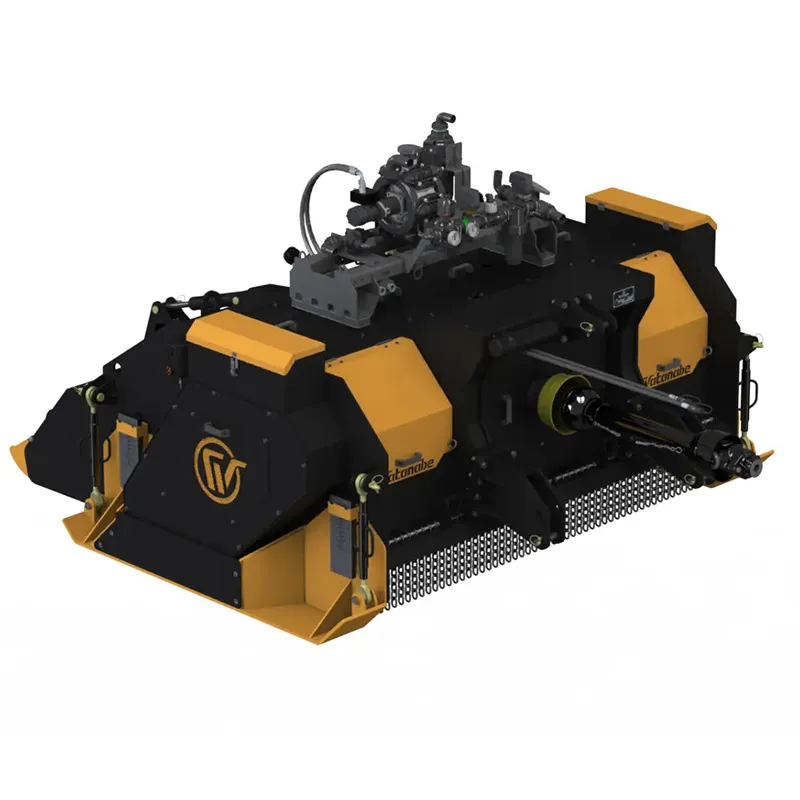
The rotor is the heart of the stabilization process, and its health is directly tied to the machine’s productivity. A well-maintained rotor system ensures that the mixing of binders and soil is homogenous, which is the cornerstone of sustainable construction. Regular maintenance here involves more than just checking for broken teeth. It requires a detailed analysis of the tool holders and the base segments of the rotor drum. Over time, the aggressive nature of the soil can wash away the base metal around the tool holder, a phenomenon known as “washout.” If the holder becomes loose, the carbide tool will not strike the soil at the correct angle, drastically reducing pulverization efficiency and increasing the torque requirements on the engine. By regularly measuring the wear on these holders and replacing them before they fail, the operator ensures the engine operates within its optimal power band.
Moreover, the synchronization of the rotor drive system—whether it be mechanical belt-driven or hydrostatic—demands constant vigilance. In belt-driven systems, tension must be checked every 50 to 100 hours of operation. A slipping belt generates immense heat and can lead to premature belt failure, while an over-tightened belt puts excessive lateral load on the planetary gearbox bearings. For hydrostatic drives, oil cleanliness is the absolute priority. Because the stabilizer often works in dusty conditions, the risk of particulate contamination in the hydraulic fluid is high. Microscopic dust particles can act as an abrasive paste within the high-pressure pumps. Regular fluid analysis and the use of high-efficiency filters (rated at 5-10 microns) are essential to prevent the “silent killer” of hydraulic systems: internal erosion. Maintaining this system ensures that the rotor continues to deliver consistent torque, even when encountering unforeseen obstacles in the soil.
Integrating Pre-Processing Tools for Reduced Stabilizer Wear
One of the most effective ways to extend the lifespan of a stabilizer is to manage the site conditions before the machine even begins its work. In rocky terrains, using a Rock Rake can significantly reduce the impact stress on the stabilizer’s rotor. By removing large boulders and obstructions, the rake allows the stabilizer to focus on soil homogenization rather than rock breaking. This separation of duties prevents the “shock loading” that frequently leads to snapped rotor shafts and sheared bolts. When the stabilizer is used only for its intended purpose—mixing and pulverizing soil—the wear rates on the carbide tools can drop by as much as 30%, directly translating to a longer service life for the entire mixing assembly.
In addition to raking, the use of a stone crusher for on-site aggregate recycling is another form of “preventive maintenance” for the stabilizer. If the project involves recycling old asphalt or concrete, pre-crushing these materials into a manageable size ensures that the stabilizer encounters a uniform medium. Trying to stabilize soil that contains large, un-crushed concrete slabs is a recipe for mechanical disaster. By integrating crushing and raking into the workflow, the stabilizer machine is protected from the “brute force” damage that characterizes many poorly managed construction sites. This synergy between different classes of machinery is a hallmark of professional infrastructure management and a key driver of equipment longevity.
The Hydraulic System: The Lifeblood of the Machine
The hydraulic system of a modern soil stabilizer is a marvel of engineering, responsible for everything from steering and rotor height adjustment to the complex injection of water or bitumen. However, hydraulics are notoriously sensitive to temperature fluctuations and contamination. Regular maintenance must focus on the cooling system. During stabilization, the engine and hydraulic pumps generate a massive amount of heat. If the cooling fans or radiators are clogged with dust or binder powder, the oil temperature can quickly exceed 90°C. High temperatures cause hydraulic seals to become brittle and fail, leading to leaks that can compromise the machine’s safety and environmental compliance. Daily cleaning of the radiator cores with compressed air is a simple task that can save tens of thousands of dollars in pump replacements.
Beyond cooling, the chemistry of the hydraulic oil itself must be monitored. Oxidation occurs when oil is exposed to high heat and air, leading to the formation of varnish and sludge. This sludge can clog the fine orifices of the proportional valves that control the machine’s precision. Regular oil sampling (S.O.S. testing) allows owners to look inside the machine without disassembling it. By analyzing the metal content in the oil, such as iron, copper, and lead, a technician can predict which component is nearing the end of its life. For example, a sudden spike in copper may indicate that a thrust plate in a piston pump is wearing down. Replacing a $500 plate during a scheduled maintenance window is infinitely better than waiting for the pump to explode, which could send metal shards through the entire system, necessitating a total hydraulic flush and rebuild.
Case Study: The 15,000-Hour Success Story in the Brazilian Cerrado
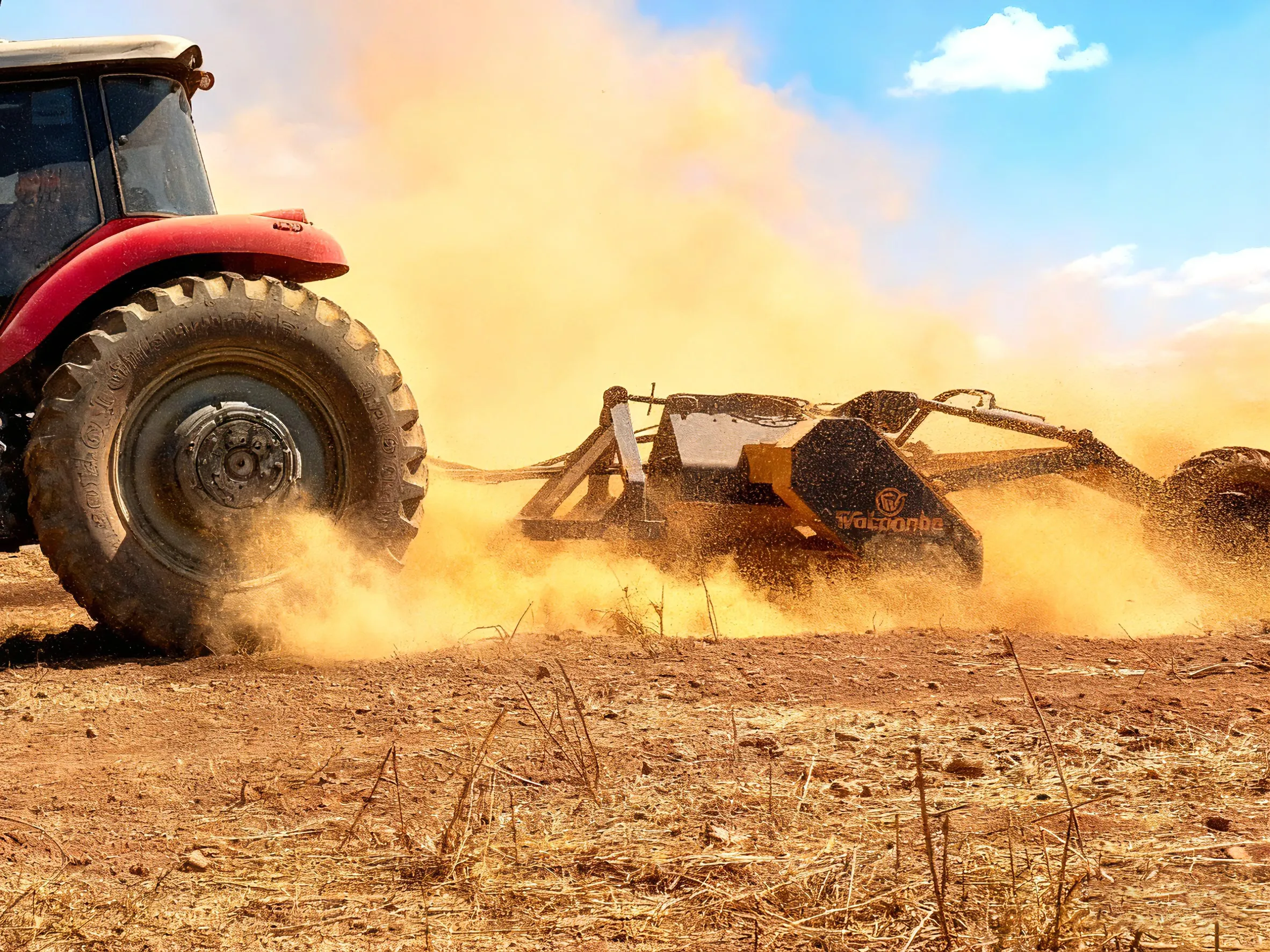
To illustrate the power of regular maintenance, let us look at a case study involving a major road construction firm operating in the Brazilian Cerrado. This region is known for its highly abrasive, iron-rich soils and high ambient temperatures—a nightmare for heavy machinery. The firm operated two identical soil stabilizers on the same 200-kilometer highway project. Machine A was subjected to a “reactive maintenance” strategy, where repairs were only made when the machine broke down. Machine B followed a strict “preventive maintenance” program, which included daily greasing of all 40+ points, weekly rotor tool analysis, and monthly hydraulic fluid testing.
By the end of the project, the results were startling. Machine A had suffered three major rotor failures and one catastrophic hydraulic pump explosion, resulting in over 45 days of unscheduled downtime. Its total operating cost per hour was 40% higher than anticipated. In contrast, Machine B reached 15,000 hours of operation without a single engine or hydraulic overhaul. The only major repairs were scheduled replacements of wear parts. When both machines were eventually sent to the secondary market, Machine B fetched a price 60% higher than Machine A. This case study proves that the time spent in the maintenance bay is not “lost” time; it is the time that buys the machine its future. It also highlights that even in the most hostile environments, a machine can thrive if the human element—the operator and the mechanic—prioritizes systemic care.
Electronic Controls and Telematics: The Modern Frontier of Maintenance
We are no longer in the era of purely mechanical machines. Today’s soil stabilizers are equipped with sophisticated electronic control units (ECUs), GPS sensors, and telematics systems. Maintaining these electronics is just as important as changing the oil. Dust and moisture are the primary enemies of electrical connectors. Regular maintenance should include inspecting the wiring harnesses for chafing and ensuring that all junction boxes are properly sealed. A single corroded pin in a CAN-bus connector can lead to intermittent sensor errors, which can shut down the machine or lead to inaccurate binder injection rates, potentially ruining a section of the road base.
Telematics systems have revolutionized how we approach maintenance. These systems provide real-time data on engine load, idle time, and fault codes. By integrating this data into a maintenance management software, fleet owners can move toward “predictive maintenance.” Instead of changing oil every 500 hours, the system might suggest an oil change at 420 hours because the machine has been working under extreme load in high-heat conditions. This data-driven approach ensures that the machine is always operating at peak efficiency, reducing unnecessary stress on the components. Furthermore, software updates from the manufacturer can often optimize the engine’s fuel map or the hydraulic response, effectively “upgrading” the machine during its regular service. Keeping the firmware updated is a vital part of modern lifespan extension.
Maintenance Considerations for Specialized Agricultural Attachments
The principles of maintenance extend beyond the main chassis to the specialized attachments that often work alongside stabilizers in mixed-use projects. For example, in large-scale land clearing that precedes stabilization, equipment like the potato digger or specialized harvesters may be used if the site was previously agricultural. While these machines have different functions, their maintenance needs are similar: bearing lubrication, belt tensioning, and the protection of soil-engaging surfaces. A technician who understands the lubrication needs of a potato harvester—where organic matter can often clog moving parts—will be better prepared to handle the dust-management needs of a soil stabilizer.
In fact, many of the world’s most durable soil stabilizers share engineering DNA with heavy-duty agricultural cultivators. The rotary cultivator’s gearbox, for instance, faces similar torque stresses to the stabilizer’s rotor drive. By applying a unified maintenance philosophy across the entire fleet—whether it’s a stabilizer, a stone crusher, or a harvester—a company creates a culture of care. This cultural shift ensures that every nut is tightened and every filter is checked, regardless of the machine’s color or primary function. This holistic approach to fleet management is what separates the industry leaders from the laggards.
Seasonal Storage and Long-term Preservation
Not all stabilization projects run year-round. In many regions, the rainy season or winter months require the machine to be sidelined for several months. How a machine is stored during these periods is a critical factor in its total lifespan. Simply parking the machine in a field is a death sentence for its electronics and hydraulics. Proper seasonal maintenance begins with a thorough deep-clean to remove all traces of binder chemicals. The fuel tank should be filled and treated with a stabilizer to prevent the growth of algae and the oxidation of the fuel. All exposed hydraulic cylinder rods should be retracted or coated with a heavy grease to prevent pitting from atmospheric moisture.
Battery maintenance is another often-overlooked aspect of storage. Batteries that are allowed to discharge completely will suffer from sulfation and may never hold a full charge again. Using a smart trickle charger or disconnecting the batteries and storing them in a temperature-controlled environment can prevent this. Finally, the machine should be started and moved every few weeks to circulate the oil and prevent the rubber tires or tracks from developing flat spots. This “active storage” protocol ensures that when the next construction season arrives, the machine is ready to perform at 100% capacity from the very first hour. Preservation is the final piece of the maintenance puzzle, ensuring that the machine’s lifespan is measured in decades of productive service.
In conclusion, extending the lifespan of a soil stabilizer machine is not a matter of luck or the initial quality of the steel; it is a direct result of the maintenance mindset. By understanding the tribology of the rotor, the sensitivity of the hydraulics, and the power of data-driven telematics, owners can double the effective life of their equipment. The integration of site-prep tools like rock rakes and stone crushers further shields the stabilizer from unnecessary harm, while a culture of daily inspections catches small issues before they become terminal. In the competitive landscape of modern infrastructure, where margins are thin and deadlines are tight, a well-maintained stabilizer is your greatest competitive advantage.
About Brazil Agricultural Balers Co., Ltd.
At Brazil Agricultural Balers Co., Ltd., we are more than just manufacturers; we are partners in your project’s success. With decades of experience in the harsh Brazilian agricultural and construction sectors, we understand what it takes to build machinery that lasts. Our products are engineered for maximum durability and ease of maintenance, ensuring that they perform under the most demanding conditions.
Our comprehensive product line includes:
- Soil Stabilizer Machines
- Stone Crushers
- Rock Rakes & Rock Pickers
- Rotavators & Rotary Cultivators
- Potato Furrowers & Planters
- Potato Diggers & Harvesters
- Fertilizers & Compost Barn Systems
We take pride in our commitment to technological innovation and customer support. Whether you are building a highway or managing a thousand-acre farm, our equipment is designed to deliver reliable performance and long-term value. Visit our catalog to discover how we can help you optimize your operations today.