The modern construction and agricultural landscapes have been revolutionized by high-performance machinery, but none is more vital to foundational integrity than the soil stabilizer machine. However, the true potential of this heavy equipment is not found in its steel or horsepower alone, but in the hands of a skilled operator. Efficient operation goes beyond simply driving; it requires a deep understanding of geotechnical variables, mechanical limits, and chemical interactions. At Brazil Agricultural Balers Co., Ltd., we have observed that the difference between a project’s success and failure often hinges on the quality of training provided to the staff. A well-trained operator can reduce fuel consumption by 15%, extend the lifespan of wear parts by 30%, and ensure that the stabilized layer meets the most stringent engineering specifications. This guide provides an exhaustive look at the curriculum and practical methodologies required to transform a novice into a master of soil stabilization.
The Foundation of Knowledge: Geotechnical Awareness and Soil Mechanics
The first stage in training any operator for a soil stabilizer is not mechanical, but intellectual. An operator must understand that soil is a living, variable material. Training should begin with basic soil classification: distinguishing between cohesive clays, silts, and granular sands. Each soil type reacts differently to stabilization binders like lime, cement, or fly ash. For instance, an operator needs to know that lime is used to “dry out” and reduce the plasticity of heavy clays, while cement is used to provide structural binding in granular materials. Without this knowledge, an operator might drive too fast through a clay-heavy section, resulting in “clumping” rather than homogenization, or they might fail to recognize a change in soil moisture that necessitates an adjustment in water injection rates.
Furthermore, operators must be trained to interpret the results of a Proctor test and understand the moisture-density relationship. Efficient stabilization happens at or near the Optimum Moisture Content (OMC). If the soil is too dry, the chemical binder won’t activate properly; if it’s too wet, the soil will “pump” and lose its load-bearing capacity. A master operator uses their eyes and ears to detect these changes. They look for the color change in the soil behind the machine and feel the resistance in the rotor. Training should include “field feel” sessions where operators learn to identify soil state without relying solely on sensors. This human-machine interface is what allows for real-time adjustments that prevent re-work—the single greatest drain on project efficiency. By mastering soil mechanics, the operator becomes a “field engineer” capable of maintaining quality across thousands of square meters of terrain.
Mastering the Interface: Precision Controls and Depth Management
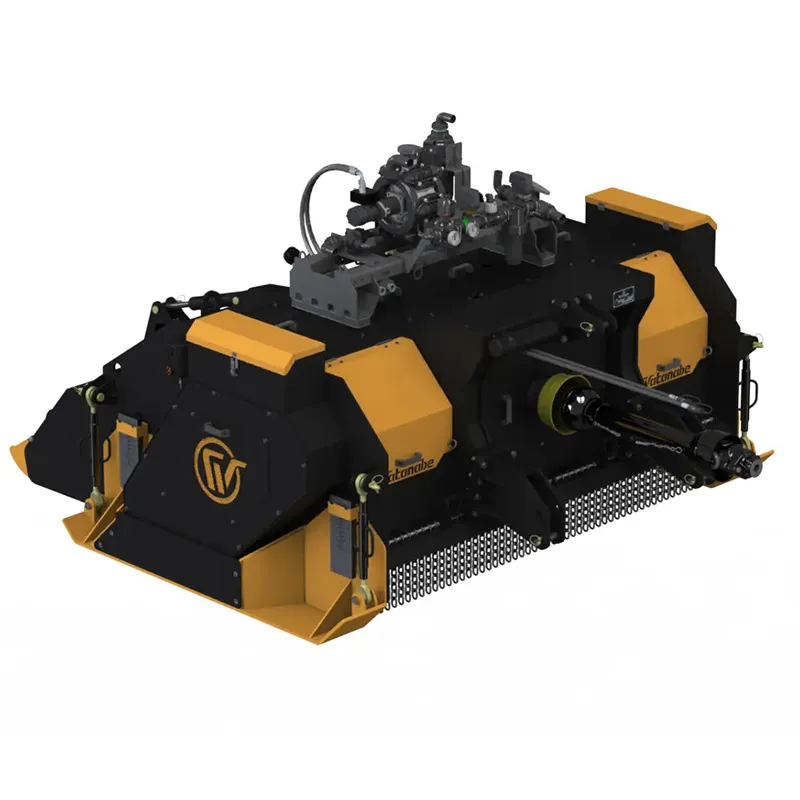
Modern soil stabilizers are equipped with sophisticated PLC (Programmable Logic Controller) systems that manage everything from rotor speed to binder injection. Training must focus heavily on the mastery of these interfaces. An operator must be proficient in setting the mixing depth and maintaining it consistently across varying topography. Even a 2cm variance in depth can significantly alter the binder-to-soil ratio, either wasting expensive chemicals or resulting in a sub-standard foundation. Training modules should include simulator-based practice or low-stakes field exercises where operators learn to calibrate the machine’s depth sensors against manual “dip-stick” measurements. This verification process ensures that the machine’s digital reporting matches the physical reality of the ground.
Beyond depth, the management of the binder injection system is critical. Whether the machine is injecting water, bitumen emulsion, or foamed bitumen, the operator must know how to synchronize the flow rate with the travel speed. This is where “Efficient Use” truly begins. If an operator stops the machine but leaves the injection pump running, they create a “wet spot” that can compromise the entire layer. Conversely, if they start moving before the pump reaches full pressure, they leave an untreated “dry start.” Training must emphasize the sequence of operations: the “start-up” and “shut-down” procedures that ensure a seamless transition between passes. By mastering these controls, the operator minimizes waste and ensures that the stabilized layer is a monolithic, uniform slab capable of supporting heavy aircraft or industrial traffic.
Synergy with Support Fleet: Rock Rakes and Stone Crushers
Efficient stabilization is rarely a solo endeavor. A key part of operator training involves learning how the stabilizer interacts with pre-treatment machinery. In many construction sites, especially brownfield redevelopments, the soil is littered with large boulders or old concrete fragments. An operator must be trained to recognize when the ground is too hazardous for the stabilizer’s rotor. In these cases, the site should first be prepared with a Rock Rake to clear surface obstructions. Training the operator to work in tandem with the rake team prevents catastrophic damage to the stabilizer’s carbide teeth, saving thousands of dollars in downtime and replacement parts.
Similarly, if the project requires the reclamation of existing pavement, the operator must understand the capabilities of a stone crusher. Often, the crusher prepares the medium by pulverizing hard materials to a specific gradation before the stabilizer passes through for chemical treatment. The stabilizer operator needs to communicate effectively with the crusher operator to ensure the “windrow” or layer thickness is optimal for the stabilizer’s mixing chamber. This inter-machine communication is a pillar of fleet efficiency. Training should include multi-machine coordination drills to ensure that the workflow is a continuous, uninterrupted process, moving from raw site preparation to finished stabilized base without bottlenecks.
Maintenance as a Skill: The Operator’s Role in Machine Longevity
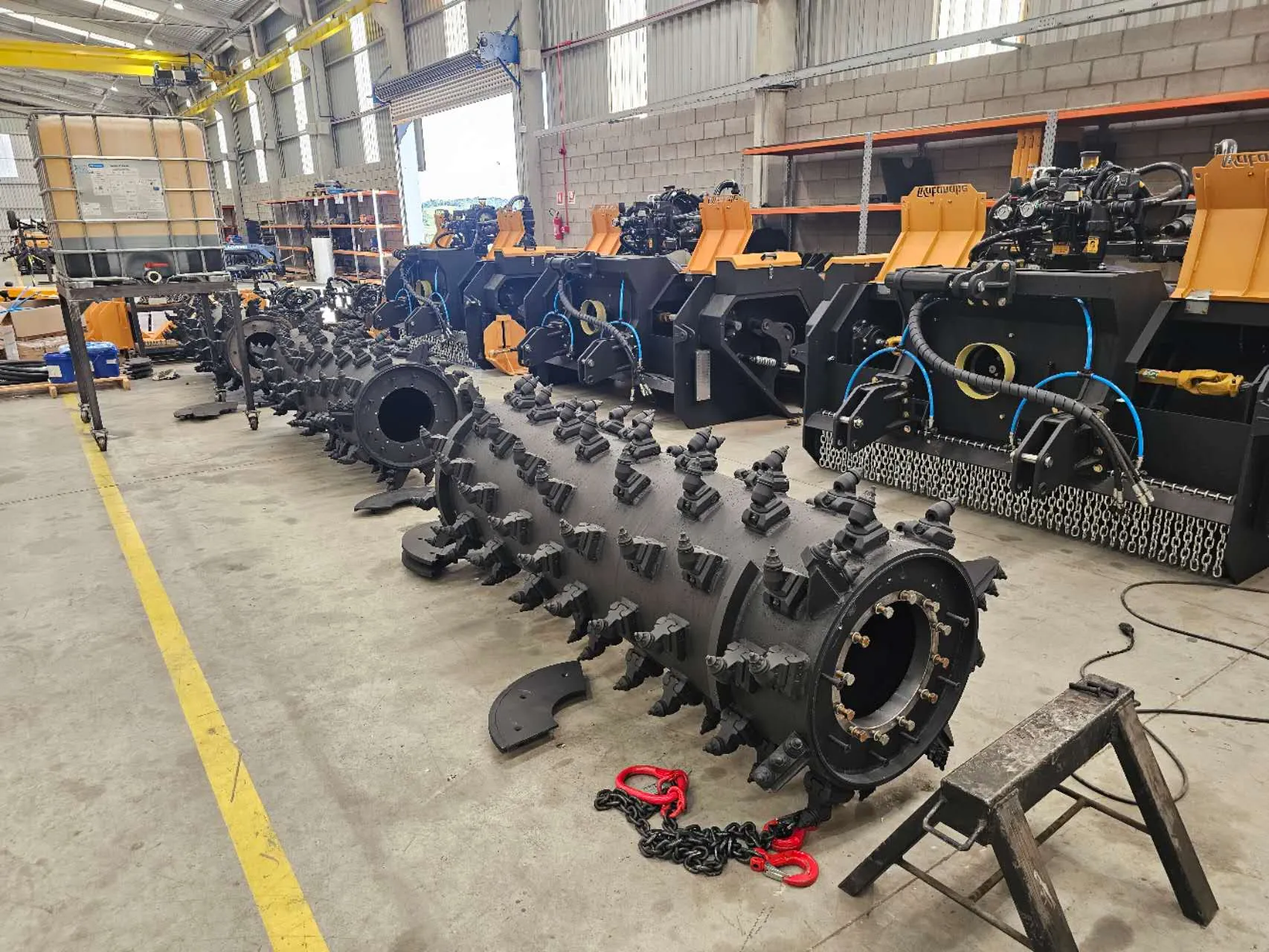
A common mistake in industrial training is separating “operation” from “maintenance.” For efficient use, the operator must be the first line of defense in the machine’s health. Daily training must include a rigorous pre-start inspection checklist: checking for hydraulic leaks, inspecting the condition of the rotor teeth, and verifying the tension of the drive belts. An operator who can identify a worn carbide tool before it breaks not only saves the tool holder from damage but also ensures that the mixing quality remains consistent. Training should teach operators how to “listen” to the machine. A change in the pitch of the engine or a slight vibration in the cabin often signals a problem that, if caught early, prevents a multi-day breakdown.
Furthermore, post-shift cleaning is a non-negotiable part of the operator’s training curriculum. Soil stabilizers work with cement and lime, which can harden inside the mixing chamber or on the spray bars, rendering the machine useless by the next morning. Operators must be trained in the thorough cleaning of the injection nozzles and the rotor housing. This isn’t just “cleaning”; it’s ensuring that the precision components of the machine are ready to deliver exact binder rates for the next day’s work. By instilling a “pride of ownership” in the operator, companies ensure that their $500,000 investment is treated with the respect it deserves. This proactive maintenance mindset is the single most effective way to lower the Total Cost of Ownership (TCO) over the machine’s lifecycle.
Case Study: Efficiency Gains in a High-Speed Rail Project
To understand the impact of professional operator training, let us look at a case study from a major high-speed rail project in Brazil. The project involved stabilizing over 300,000 square meters of foundation for the track bed. Initially, the project used operators who were experienced in general earthmoving but had received no specific training on soil stabilizers. During the first month, the project faced significant hurdles: uneven moisture distribution, high fuel consumption (45 liters/hour), and a rotor tooth replacement rate that was 40% higher than the manufacturer’s estimate. Most importantly, 15% of the stabilized sections failed the quality control tests and had to be re-stabilized at great expense.
The contractor then implemented a two-week intensive training program focused on soil mechanics, precision control, and “eco-driving” techniques. The results in the second month were transformative. Fuel consumption dropped to 38 liters/hour as operators learned to manage engine RPMs and travel speed more effectively. The re-work rate plummeted from 15% to less than 2%. By teaching the operators how to recognize changes in soil plasticity and adjust their binder injection accordingly, the project saved over $200,000 in binder costs alone. This case study proves that training is not a “cost” but a high-yield investment. It demonstrated that a trained operator is the primary variable in the equation of project profitability and infrastructure quality.
Safety Protocols and Environmental Compliance
Efficiency is nothing without safety. A soil stabilizer is a massive, powerful machine with a high-speed rotating drum that can be lethal if mishandled. Training must cover the “Safety Zone” around the machine, ensuring that ground personnel are never within the reach of the machine’s path or the “throw zone” of the rotor. Operators must be trained in emergency shut-off procedures and the proper use of Lock-Out Tag-Out (LOTO) protocols during maintenance. Furthermore, the handling of chemical binders—particularly lime—requires specific health and safety training. Operators must understand the risks of skin burns and respiratory issues associated with binder dust and be proficient in the use of Personal Protective Equipment (PPE).
From an environmental perspective, the operator must be trained to manage “run-off” and binder drift. In sustainable construction, the goal is to stabilize the soil without polluting local water sources. Operators must learn how to adjust their spray patterns in windy conditions to prevent binder powder from drifting into adjacent agricultural fields or residential areas. They must also be trained to handle hydraulic fluid spills with immediate-response kits. An environmentally conscious operator ensures that the project remains in compliance with local regulations, avoiding costly fines and legal delays. This holistic approach to training—encompassing mechanics, safety, and ecology—is what defines a truly “efficient” operator in the 21st century.
Agricultural Versatility: Training for Multi-Purpose Use
While often associated with civil works, soil stabilization technology is increasingly found on large-scale industrial farms. Operators who work in these environments need a slightly different training focus. In an agricultural context, stabilization is often used to create permanent, all-weather access roads for heavy harvest equipment. An operator must be trained to work around delicate field infrastructure like drainage tiles or irrigation pipes. They must also understand how the stabilized road interacts with the surrounding soil biology. For instance, using too much cement can alter the pH of the runoff water entering the crops. Training should emphasize a “surgical” approach to stabilization that balances structural needs with agricultural health.
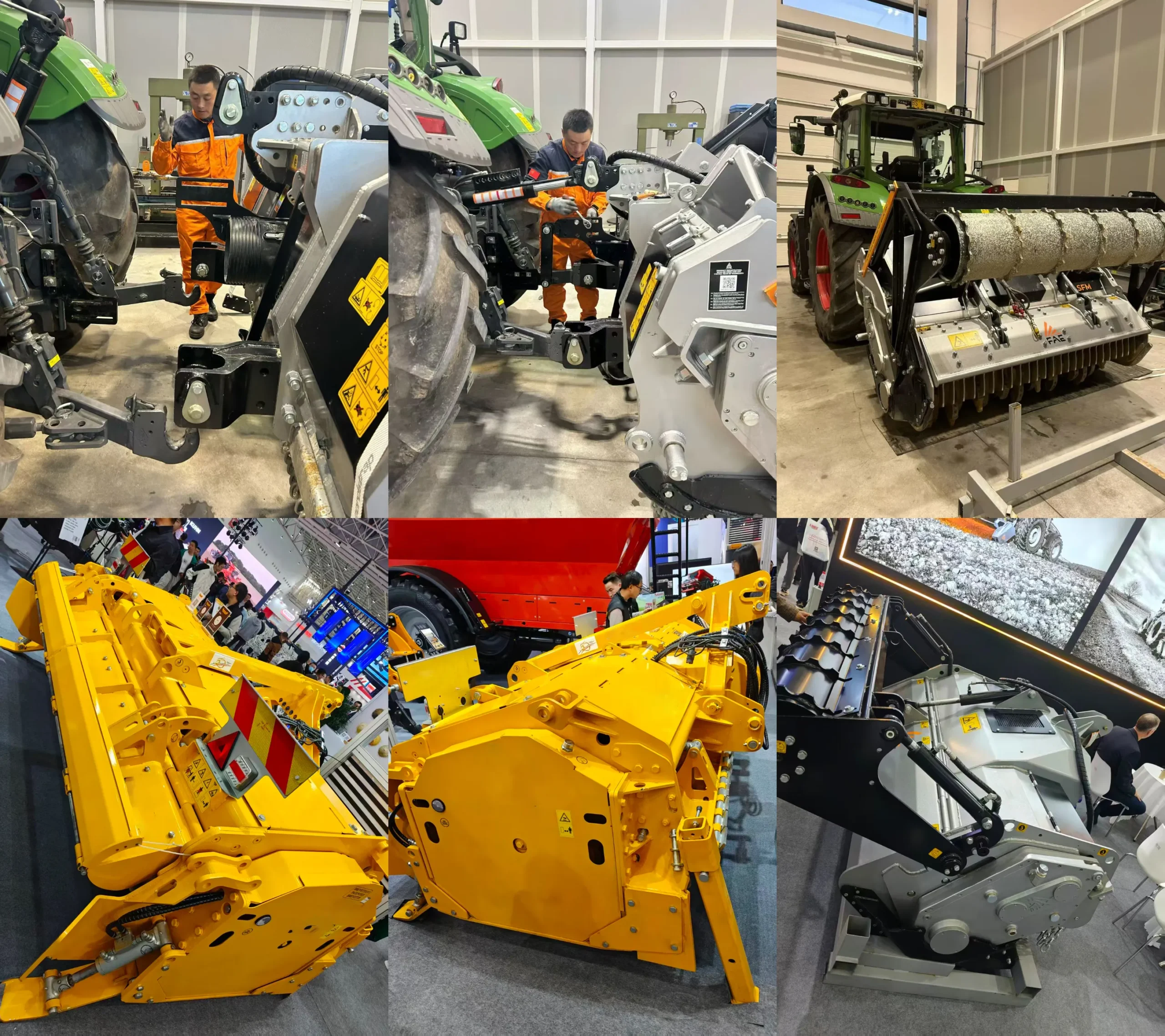
This versatility extends to other specialized equipment. For instance, an operator familiar with the rotary action of a stabilizer will find it much easier to transition to a potato digger or a potato harvester. Both types of machinery require a nuanced understanding of soil-machine interaction. In potato harvesting, the goal is to extract the crop without bruising it, requiring precise depth control similar to that of a stabilizer. By training staff across multiple platforms, a farm or construction firm creates a “cross-functional” workforce that can pivot between road building and crop harvesting as the seasons change. This flexibility is the ultimate expression of operational efficiency, ensuring that labor resources are never idle and that every machine is utilized to its maximum potential.
The Path to Masterful Operation
Training an operator for the efficient use of a soil stabilizer machine is a multi-dimensional journey. It starts with the science of the soil, moves through the precision of digital controls, and finds its rhythm in the coordination of the entire construction fleet. It is an investment that pays dividends in every liter of fuel saved, every cubic meter of binder optimized, and every year of extra life squeezed out of the machine’s components. At Brazil Agricultural Balers Co., Ltd., we stand ready to support this journey. By following the protocols outlined in this guide—focusing on mechanics, maintenance, and multi-functional versatility—you ensure that your projects are built on foundations that are not just strong, but truly world-class.
About Brazil Agricultural Balers Co., Ltd.
Brazil Agricultural Balers Co., Ltd. is a premier manufacturer and global exporter of high-durability machinery designed for the toughest environments on Earth. Based in Brazil, we combine decades of field experience with cutting-edge engineering to provide solutions that empower the construction and agricultural sectors. Our commitment to quality ensures that our customers receive equipment that is not only powerful but also efficient and sustainable.
Our diverse product line includes:
- Soil Stabilizer Machines
- Stone Crushers
- Rock Rakes & Rock Pickers
- Rotavators & Rotary Cultivators
- Potato Furrowers & Planters
- Potato Diggers & Harvesters
- Fertilizers & Compost Barn Systems
We pride ourselves on our technical support and our dedication to operator education. We believe that better training leads to better foundations, and better foundations lead to a better world. Explore our full range of innovative land management solutions and discover how we can help you build the future, one stabilized layer at a time.