Ο Στρατηγικός Ρόλος της Σταθεροποίησης του Εδάφους στην Εφοδιαστική Υψηλής Έντασης Μεταλλείων
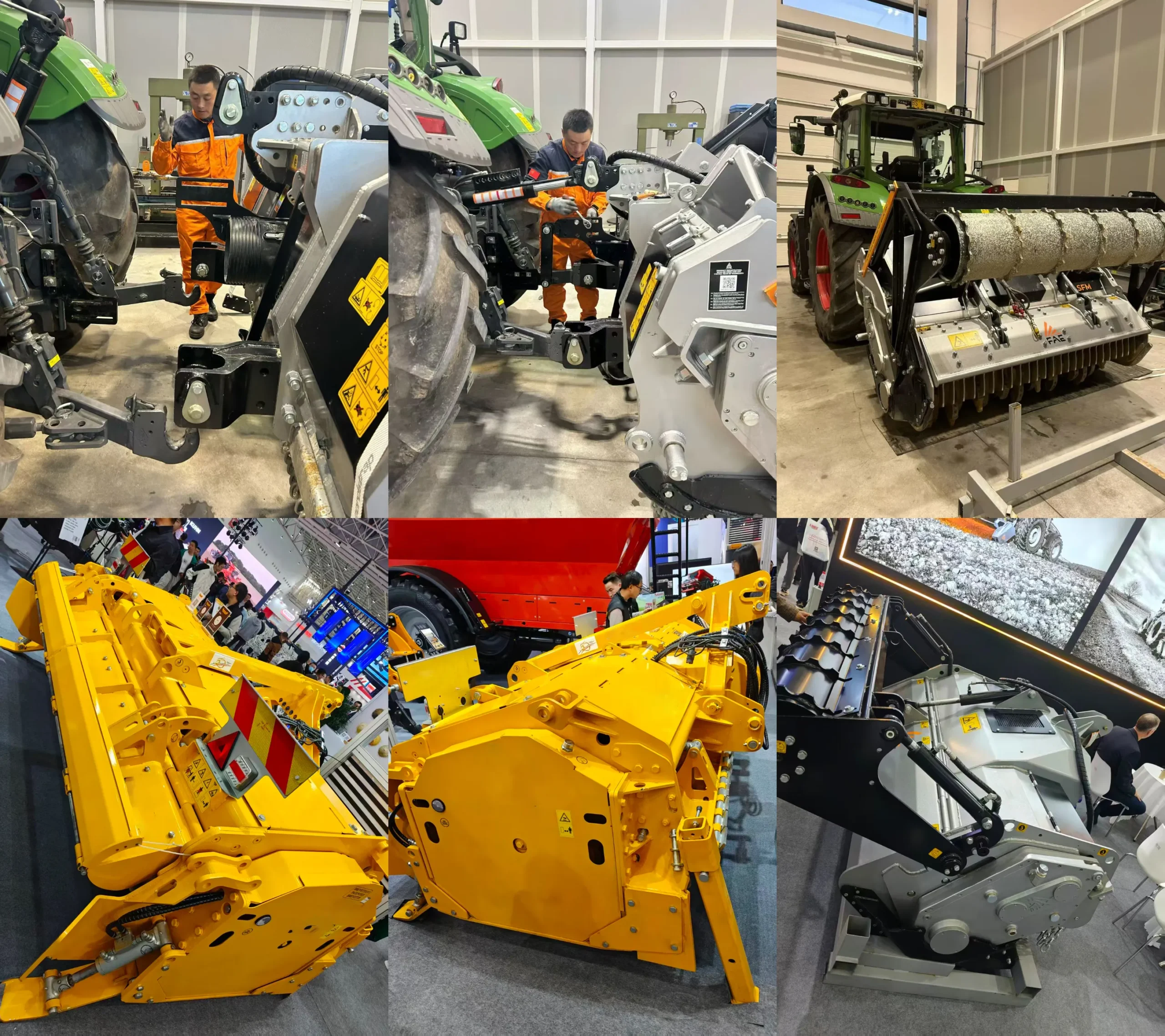
Στην παγκόσμια βιομηχανία εξόρυξης και λατομείου, η αποτελεσματικότητα του δικτύου μεταφορών είναι συχνά ο κύριος καθοριστικός παράγοντας της συνολικής κερδοφορίας μιας εγκατάστασης. Οι δρόμοι μεταφοράς αποτελούν το κυκλοφοριακό σύστημα ενός ορυχείου, μεταφέροντας υπερσύγχρονα φορτηγά που ζυγίζουν εκατοντάδες τόνους σε δύσκολο έδαφος. Όταν αυτοί οι δρόμοι είναι μαλακοί, σκονισμένοι ή επιρρεπείς σε αυλακώσεις, οι χρόνοι κύκλου αυξάνονται, η κατανάλωση καυσίμου εκτοξεύεται στα ύψη και η φθορά των ελαστικών καθίσταται μια υποχρέωση πολλών εκατομμυρίων δολαρίων. Εδώ είναι που το... μηχανή σταθεροποίησης εδάφους υπερβαίνει τον παραδοσιακό του ρόλο στην κατασκευή πολιτικών δρόμων και γίνεται ένα κρίσιμο πλεονέκτημα στις εξορυκτικές βιομηχανίες. Ένας σταθεροποιητής εδάφους είναι ένας βαρέως τύπου κύριος κινητήρας εξοπλισμένος με έναν εγκάρσιο ρότορα ανάμειξης υψηλής ροπής που κονιορτοποιεί το υπάρχον έδαφος και ενσωματώνει χημικά συνδετικά υλικά για να δημιουργήσει μια μονολιθική πλατφόρμα υψηλής αντοχής. Στο πλαίσιο της εξόρυξης, αυτό το μηχάνημα είναι το κλειδί για τη μετατροπή ακατέργαστων, ασταθών δαπέδων ορυχείων και γραμμών πρόσβασης σε μηχανικές επιφάνειες ικανές να αντέξουν τα πιο τιμωρητικά φορτία άξονα στον κόσμο.
Χρησιμοποιώντας ένα σταθεροποιητής εδάφους στις εξορυκτικές δραστηριότητες προσφέρει μια καινοτόμο εναλλακτική λύση στην παραδοσιακή μέθοδο «εκσκαφής και αντικατάστασης» της κατασκευής δρόμων. Ιστορικά, οι φορείς εκμετάλλευσης ορυχείων μετέφεραν τεράστιες ποσότητες θρυμματισμένης πέτρας από μακρινά λατομεία για να δημιουργήσουν μια σταθερή βάση - μια δαπανηρή και απαιτητική διαδικασία. Με τη σύγχρονη τεχνολογία σταθεροποίησης, το φυσικό υλικό που υπάρχει ήδη στο χώρο του ορυχείου αναβαθμίζεται επί τόπου. Με την ανάμειξη ασβέστη, τσιμέντου ή εξειδικευμένων πολυμερικών συνδετικών υλικών, ο σταθεροποιητής μεταβάλλει τη μοριακή δομή του εδάφους, αυξάνοντας σημαντικά τον λόγο φέρουσας ικανότητας της Καλιφόρνια (CBR) και μειώνοντας την ευαισθησία του στην υγρασία. Αυτό είναι ιδιαίτερα ζωτικής σημασίας σε τροπικές περιοχές εξόρυξης όπως η Βραζιλία, όπου οι έντονες βροχοπτώσεις μπορούν να μετατρέψουν έναν τυπικό χωματόδρομο σε βάλτο μέσα σε λίγες ώρες. Ένας σταθεροποιημένος δρόμος παραμένει σκληρός και πλεύσιμος, διασφαλίζοντας ότι η ροή παραγωγής παραμένει σταθερή ανεξάρτητα από τις καιρικές συνθήκες.
Επιπλέον, η μηχανική ισχύς αυτών των μηχανημάτων επιτρέπει την «Αποκατάσταση Πλήρους Βάθους» (FDR) υφιστάμενων, κατεστραμμένων υποδομών εντός της περιμέτρου του ορυχείου. Με την πάροδο του χρόνου, ακόμη και οι πιο δύσκολοι δρόμοι μεταφοράς υποβαθμίζονται υπό τους κραδασμούς και την πίεση των βαρέων μεταφορών. Αντί να απορρίπτεται το παλιό υλικό του οδοστρώματος, ένας σταθεροποιητής αλέθει την κατεστραμμένη επιφάνεια και την ενσωματώνει στην υποκείμενη βάση για να δημιουργήσει μια ολοκαίνουργια, ακόμη ισχυρότερη βάση. Αυτή η κυκλική προσέγγιση στη διαχείριση υποδομών όχι μόνο μειώνει τις κεφαλαιουχικές δαπάνες, αλλά ευθυγραμμίζεται και με τους σύγχρονους Περιβαλλοντικούς, Κοινωνικούς και Διακυβερνητικούς στόχους (ESG), μειώνοντας το αποτύπωμα άνθρακα που σχετίζεται με τη μεταφορά παρθένων αδρανών υλικών. Για τους διαχειριστές ορυχείων που επιθυμούν να βελτιστοποιήσουν το Συνολικό Κόστος Ιδιοκτησίας (TCO), ο σταθεροποιητής εδάφους δεν είναι απλώς ένα κομμάτι εξοπλισμού. Είναι ένα στρατηγικό εργαλείο για την επιχειρησιακή ανθεκτικότητα και την οικονομική αποδοτικότητα.
Βελτιστοποίηση της απόδοσης σε οδικές μεταφορές και της αντίστασης κύλισης
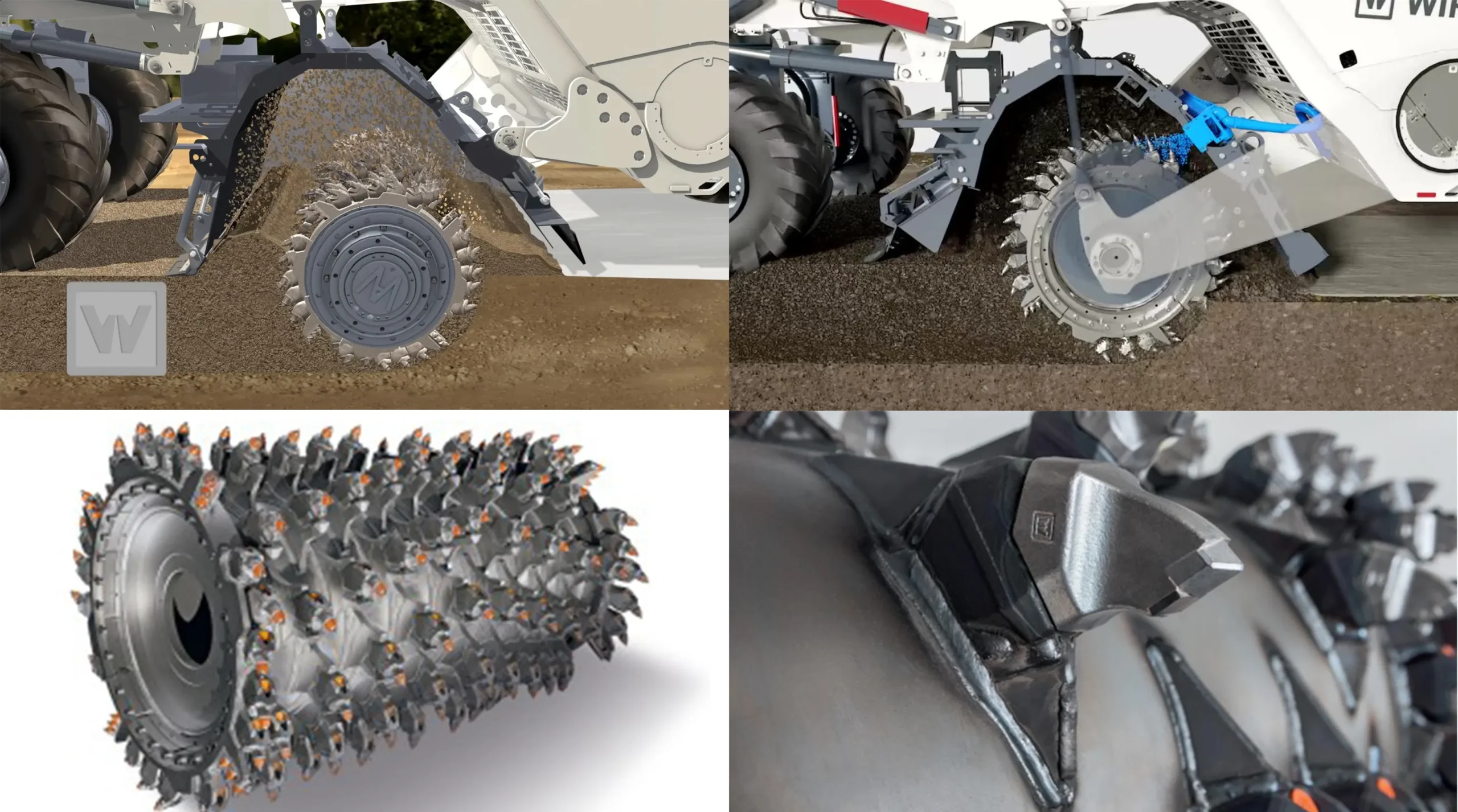
Η αντίσταση κύλισης είναι ο σιωπηλός κλέφτης των κερδών της εξόρυξης. Κάθε αύξηση της αντίστασης κύλισης που προκαλείται από μαλακούς ή λακκούβες δρόμους μπορεί να οδηγήσει σε αύξηση της κατανάλωσης καυσίμου για μεγάλα φορτηγά μεταφοράς εμπορευμάτων. Σε μεγάλης κλίμακας ορυχεία ανοιχτού λάκκου, όπου το κόστος καυσίμων αντιπροσωπεύει σημαντικό μέρος του λειτουργικού προϋπολογισμού, η ακρίβεια μιας μηχανής σταθεροποίησης εδάφους είναι απαραίτητη. Αυτά τα μηχανήματα διασφαλίζουν ότι η επιφάνεια του οδοστρώματος δεν είναι απλώς σκληρή, αλλά και απόλυτα ομοιογενής. Όταν τα συνδετικά υλικά απλώνονται χειροκίνητα, το προκύπτον μείγμα είναι συχνά ανομοιογενές, οδηγώντας σε «θερμά σημεία» δομικής αστοχίας. Ο ρότορας ανάμειξης ενός σταθεροποιητή, ωστόσο, διασφαλίζει ότι το συνδετικό υλικό κατανέμεται με ακρίβεια χιλιοστόλιτρων σε όλο το βάθος του επεξεργασμένου στρώματος. Αυτή η ομοιομορφία είναι που αποτρέπει τον σχηματισμό σανίδων πλύσης και λακκούβων, που είναι οι κύριοι καταλύτες για την κόπωση των οδηγών και τις μηχανικές ζημιές στον στόλο των φορτηγών.
Η τεχνική πολυπλοκότητα των σύγχρονων σταθεροποιητών περιλαμβάνει συστήματα έγχυσης ελεγχόμενα από μικροεπεξεργαστή που ρυθμίζουν τη ροή του συνδετικού υλικού με βάση την ταχύτητα εδάφους του μηχανήματος και την περιεκτικότητα σε υγρασία του εδάφους. Αυτό διασφαλίζει ότι ο δρόμος φτάνει στη «Βέλτιστη Περιεκτικότητα σε Υγρασία» (OMC) κατά τη φάση ανάμειξης, η οποία είναι κρίσιμη για την επίτευξη μέγιστης πυκνότητας κατά τη συμπύκνωση. Σε περιβάλλοντα λατομείων, όπου το υλικό είναι συχνά εξαιρετικά λειαντικό, η χρήση ενός... θραυστήρας πέτρας εκ των προτέρων μπορεί να διασφαλίσει ότι το μέγεθος των αδρανών υλικών βρίσκεται εντός του ιδανικού εύρους για την επεξεργασία από τον ρότορα του σταθεροποιητή. Καθαρίζοντας μεγάλους ογκόλιθους και δημιουργώντας μια σταθερή διαβάθμιση, ο θραυστήρας επιτρέπει στον σταθεροποιητή να λειτουργεί με τη μέγιστη απόδοσή του, δημιουργώντας μια επιφάνεια που ανταγωνίζεται το σκυρόδεμα σε ανθεκτικότητα, αλλά με ένα κλάσμα του κόστους. Αυτή η συνέργεια μεταξύ θραύσης και σταθεροποίησης επιτρέπει στα λατομεία να διατηρούν ράμπες εξόδου υψηλής ταχύτητας και προσεγγίσεις γεφυρών ζύγισης, μειώνοντας τη συμφόρηση και μεγιστοποιώντας την ημερήσια απόδοση.
Επιπλέον, η μείωση της σκόνης αποτελεί ένα σημαντικό δευτερεύον όφελος της σταθεροποίησης στην εξόρυξη. Η σκόνη δεν αποτελεί απλώς μια περιβαλλοντική όχληση. Είναι ένας κίνδυνος για την ασφάλεια που εμποδίζει την ορατότητα για τους χειριστές και προκαλεί πρόωρη φθορά του κινητήρα λόγω απόφραξης του φίλτρου αέρα. Ο παραδοσιακός ψεκασμός με νερό για την καταστολή της σκόνης είναι μια προσωρινή και απαιτητική σε νερό λύση. Οι σταθεροποιημένοι δρόμοι, ωστόσο, συνδέουν τα λεπτά σωματίδια μεταξύ τους, δημιουργώντας μια επιφάνεια χωρίς σκόνη που απαιτεί πολύ λιγότερη συντήρηση. Αυτό είναι ιδιαίτερα σημαντικό σε άνυδρες περιοχές εξόρυξης όπου το νερό είναι ένας σπάνιος και ακριβός πόρος. Δημιουργώντας μια σκληρή επιφάνεια, ο σταθεροποιητής βοηθά στη διατήρηση της ακεραιότητας της κορυφής του δρόμου και των τάφρων αποστράγγισης, αποτρέποντας το φαινόμενο «λάσπης» που εμφανίζεται όταν το νερό αναμειγνύεται με χαλαρή σκόνη. Μακροπρόθεσμα, η επένδυση σε έναν υψηλής ποιότητας σταθεροποιημένο δρόμο αποσβένεται μέσω της μειωμένης συντήρησης των φορτηγών, της χαμηλότερης κατανάλωσης νερού και των βελτιωμένων στατιστικών στοιχείων ασφάλειας σε ολόκληρη την περιοχή.
Ανάπτυξη Υποδομών: Θεμέλια, Αποθέσεις Υλικών και Αποκατάσταση
Πέρα από τους δρόμους μεταφοράς, οι σταθεροποιητές εδάφους παίζουν ζωτικό ρόλο στην κατασκευή της ευρύτερης υποδομής ενός ορυχείου. Οι μεγάλης κλίμακας εξορυκτικές δραστηριότητες απαιτούν τεράστιες μονάδες επεξεργασίας, εργαστήρια και καταυλισμούς, τα οποία χρειάζονται σταθερά θεμέλια. Συχνά, αυτές οι εγκαταστάσεις κατασκευάζονται σε ανακτημένη γη ή σε περιοχές με υπέδαφος κακής ποιότητας. Ένας σταθεροποιητής μπορεί να χρησιμοποιηθεί για την επεξεργασία αυτών των δομικών βάσεων, δημιουργώντας μια άκαμπτη πλατφόρμα που αποτρέπει τη διαφορική καθίζηση υπό βαριά δομικά φορτία. Αυτό είναι ιδιαίτερα χρήσιμο στην κατασκευή εγκαταστάσεων αποθήκευσης αποβλήτων (TSF). Η σταθεροποίηση των αναχωμάτων και των δαπέδων ενός TSF μπορεί να βελτιώσει τη στεγανότητά τους και τη δομική τους σταθερότητα, παρέχοντας ένα επιπλέον επίπεδο προστασίας από την περιβαλλοντική μόλυνση ή την καταστροφική αστοχία του φράγματος. Ενσωματώνοντας τσιμέντο ή εξειδικευμένες επενδύσεις στο ίδιο το υλικό των αποβλήτων, οι σταθεροποιητές βοηθούν στη δημιουργία μιας ασφαλέστερης και πιο διαχειρίσιμης λύσης αποθήκευσης αποβλήτων.
Κατά την προετοιμασία μεγάλων περιοχών αποθήκευσης, ένα τσουγκράνα βράχου Χρησιμοποιείται συχνά σε συνδυασμό με έναν σταθεροποιητή για να διασφαλιστεί ότι το έδαφος είναι απαλλαγμένο από μεγάλα συντρίμμια που θα μπορούσαν να επηρεάσουν τον εξοπλισμό ανάκτησης. Αυτή η ενσωμάτωση καθαρισμού και σταθεροποίησης διασφαλίζει ότι το δάπεδο του αποθέματος είναι αρκετά συμπαγές για να υποστηρίξει το βάρος χιλιάδων τόνων μεταλλεύματος χωρίς να βυθιστεί. Όταν η ζωή του ορυχείου τελικά φτάσει στο τέλος της, ο σταθεροποιητής καλείται και πάλι σε δράση για την περιβαλλοντική αποκατάσταση. Μπορεί να χρησιμοποιηθεί για την ανάμειξη λιπασμάτων, εδαφοκάλυψης και επιφανειακού χώματος στα στείρα απόβλητα εξόρυξης για να ξεκινήσει η διαδικασία αναβλάστησης. Αυτή η φάση ανάκτησης είναι το σημείο όπου η εξορυκτική βιομηχανία διασταυρώνεται με τη γεωργία υψηλής απόδοσης. Σε πολλές περιπτώσεις, οι πρώην ορυχεία στη Βραζιλία μετατρέπονται σε παραγωγική γεωργική γη, απαιτώντας γεωργικά εργαλεία ακριβείας για τη διατήρηση του νέου οικοσυστήματος.
Καθώς η γη μεταβαίνει από τη βιομηχανική εξόρυξη στη γεωργική χρήση, το έδαφος πρέπει να προετοιμαστεί για καλλιέργειες όπως πατάτες ή σιτηρά. Εδώ είναι που εργαλεία όπως ένα γεωτρύπανο ή ένα εξελιγμένο θεριζοαλωνιστική μηχανή πατάτας μπαίνουν στο παιχνίδι. Μια καλά σταθεροποιημένη περιοχή αποκατάστασης παρέχει την απαραίτητη αποστράγγιση και δομική υποστήριξη για να λειτουργούν αυτά τα βαριά μηχανήματα χωρίς να συμπιέζουν το νεοσχηματισμένο επιφανειακό στρώμα του εδάφους. Αυτή η ολιστική προσέγγιση - από τον πρώτο δρόμο μεταφοράς στο ορυχείο έως την τελική συγκομιδή στην ανακτημένη γη - αναδεικνύει την ευελιξία της τεχνολογίας σταθεροποίησης. Δεν πρόκειται μόνο για τη μετακίνηση χώματος. Πρόκειται για τη δημιουργία ενός βιώσιμου μέλλοντος για το τοπίο. Παρέχοντας τα μηχανικά μέσα για τη μετατροπή της γης σε κάθε στάδιο του κύκλου ζωής της εξόρυξης, ο σταθεροποιητής εδάφους χρησιμεύει ως γέφυρα μεταξύ της βιομηχανικής εξόρυξης και της οικολογικής αποκατάστασης.
Μελέτη περίπτωσης: Σταθεροποίηση οδικού δικτύου μεταφοράς σε ορυχείο σιδηρομεταλλεύματος στη Μίνας Ζεράις
Για να κατανοήσουμε τον πρακτικό αντίκτυπο αυτής της τεχνολογίας, ας δούμε μια μελέτη περίπτωσης από μια μεγάλη επιχείρηση σιδηρομεταλλεύματος στη Μίνας Ζεράις της Βραζιλίας. Το ορυχείο αντιμετώπιζε ένα επαναλαμβανόμενο πρόβλημα: ο κύριος δρόμος μεταφοράς εμπορευμάτων, στον οποίο περνούσαν πάνω από 200 κυκλώματα φορτηγών την ημέρα, κατέρρεε κατά τη διάρκεια της τετράμηνης περιόδου βροχών. Παρά τη συνεχή διαμόρφωση και την προσθήκη χαλικιού, η αντίσταση κύλισης του δρόμου συχνά ανέβαινε πάνω από 12%, επιβραδύνοντας τον στόλο σε ολίσθηση και αυξάνοντας το κόστος καυσίμων κατά 25%. Ο διευθυντής του ορυχείου αποφάσισε να εφαρμόσει ένα πλήρες πρόγραμμα σταθεροποίησης, χρησιμοποιώντας μια μηχανή σταθεροποίησης εδάφους 650 ίππων. Το έργο στόχευε σε ένα τμήμα δρόμου 5 χιλιομέτρων που ήταν κρίσιμο για την εφοδιαστική από το ορυχείο έως τον θραυστήρα. Η τεχνική ομάδα επέλεξε μια σταθεροποίηση με βάση το τσιμέντο σε βάθος 40 cm για να δημιουργήσει ένα βασικό στρώμα υψηλού μέτρου ελαστικότητας.
Τα αποτελέσματα ήταν άμεσα και μεταμορφωτικά. Μετά την ολοκλήρωση της σταθεροποίησης και την εφαρμογή μιας λεπτής, προστατευτικής στρώσης, η αντίσταση κύλισης μειώθηκε σε σταθερό επίπεδο 2%. Τα φορτηγά κατάφεραν να διατηρήσουν τη μέγιστη ταχύτητα σχεδιασμού τους στα ανηφορικά τμήματα, μειώνοντας τους χρόνους κύκλου κατά σχεδόν 15%. Κατά τη διάρκεια της επόμενης περιόδου βροχών, ο δρόμος παρέμεινε άψογος. Το ορυχείο ανέφερε μείωση της κατανάλωσης καυσίμου κατά 20% για τον στόλο μεταφορών και αύξηση της διάρκειας ζωής των ελαστικών κατά 30%, καθώς η λεία επιφάνεια εξάλειψε το «κόψιμο» των ελαστικών από χαλαρές πέτρες. Η περίοδος απόσβεσης της επένδυσης στον σταθεροποιητή εδάφους ήταν λιγότερο από έξι μήνες, βασιζόμενη αποκλειστικά στην εξοικονόμηση καυσίμων και ελαστικών. Αυτή η μελέτη περίπτωσης υπογραμμίζει ότι στον κόσμο της εξόρυξης, η σταθεροποίηση δεν αποτελεί έξοδο - είναι μια επένδυση υψηλής απόδοσης στην απόδοση της εφοδιαστικής.
Επιπλέον, το έργο σταθεροποίησης βελτίωσε τη συνολική ασφάλεια του χώρου. Τα μειωμένα επίπεδα σκόνης σήμαιναν καλύτερη ορατότητα για τους χειριστές, και η σκληρή, προβλέψιμη επιφάνεια μείωσε σημαντικά τον κίνδυνο ολίσθησης των φορτηγών κατά τη διάρκεια υγρού καιρού. Η επιτυχία αυτού του έργου οδήγησε τον όμιλο εξόρυξης να υιοθετήσει τη σταθεροποίηση ως πρότυπο για όλες τις δραστηριότητές του σε όλη τη Νότια Αμερική. Επίσης, κατέδειξε τη σημασία της ύπαρξης ενός ισχυρού στόλου εξοπλισμού. Όταν ο σταθεροποιημένος δρόμος χρησιμοποιήθηκε για τη μεταφορά δευτερογενών μηχανημάτων όπως... θεριζοαλωνιστική μηχανή πατάτας Για τα γεωργικά έργα τους στην κοινότητα, ο δρόμος άντεξε τέλεια, δείχνοντας ότι η σταθεροποίηση δημιουργεί ένα ευέλικτο πλεονέκτημα για κάθε είδους μεταφορά. Αυτή η περίπτωση χρησιμεύει ως σημείο αναφοράς για το πώς η σύγχρονη τεχνολογία μπορεί να λύσει τις παλαιές προκλήσεις της εξόρυξης μέσω ανώτερης μηχανικής και επιλογής εξοπλισμού.
Τεχνικές Συνέργειες: Συνδετικά, Ρότορες και Σύγχρονος Αυτοματισμός
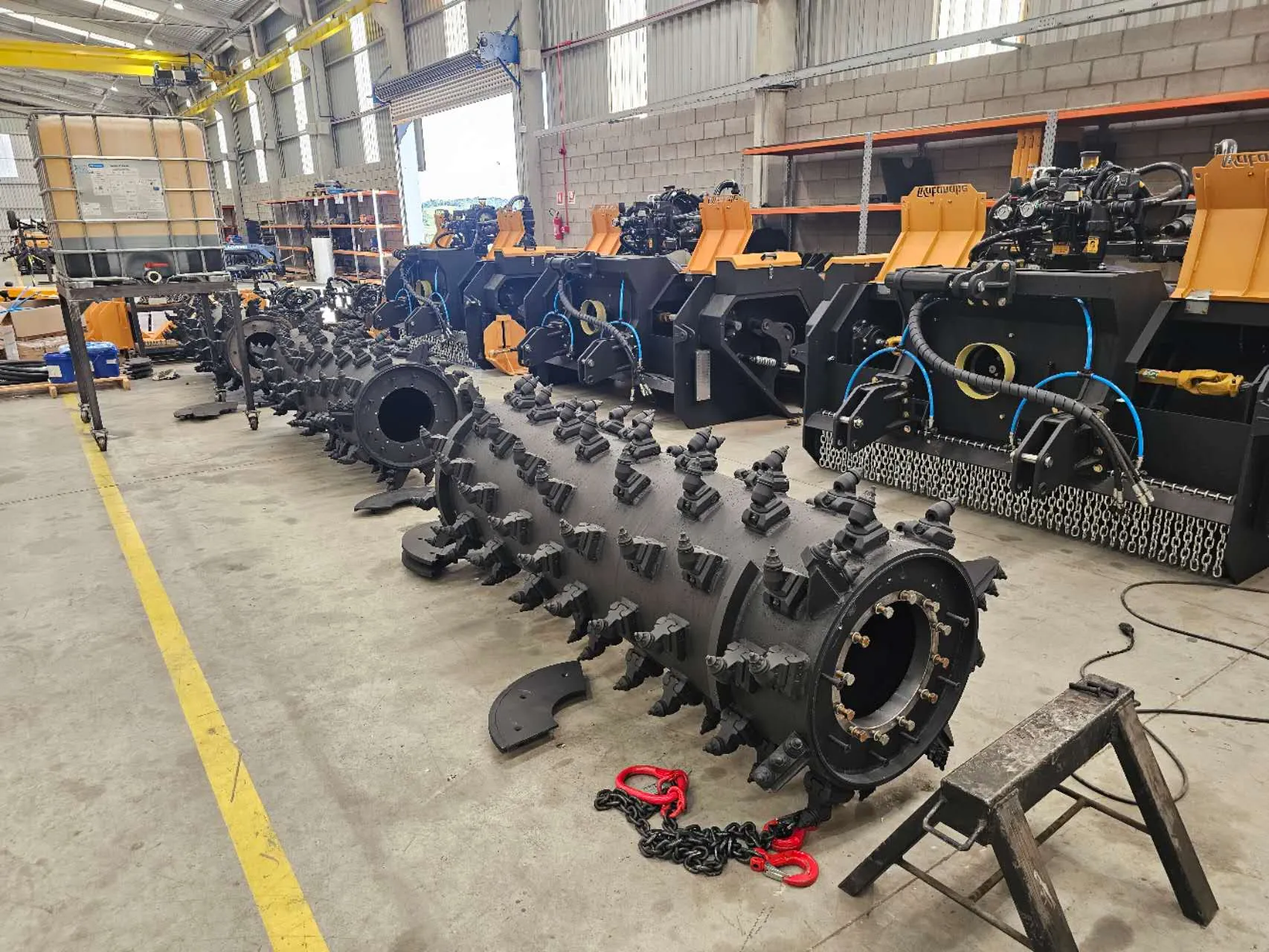
Η αποτελεσματικότητα ενός σταθεροποιητή εδάφους στην εξόρυξη εξαρτάται από τη συνέργεια μεταξύ των μηχανικών συστατικών του και της χημείας των συνδετικών υλικών. Οι σύγχρονοι ρότορες είναι εξοπλισμένοι με δόντια με καρβίδιο, σχεδιασμένα να αντέχουν στο περιβάλλον υψηλής πρόσκρουσης του εδάφους εξόρυξης, το οποίο συχνά περιέχει λειαντικά χαλαζία ή θραύσματα σκληρών πετρωμάτων. Αυτά τα δόντια είναι διατεταγμένα σε ένα συγκεκριμένο ελικοειδές μοτίβο για να εξασφαλίζουν μέγιστη απόδοση κονιορτοποίησης και ανάμειξης. Ο αυτοματισμός παίζει επίσης τεράστιο ρόλο στη σύγχρονη σταθεροποίηση. Τα συστήματα GPS και τηλεματικής υψηλής ακρίβειας επιτρέπουν στο μηχάνημα να διατηρεί ένα σταθερό βάθος ανάμειξης με ακρίβεια εκατοστού, διασφαλίζοντας ότι δεν υπάρχουν αδύνατα σημεία στη θεμελίωση. Αυτό το επίπεδο ακρίβειας είναι ζωτικής σημασίας για μεγάλα θεμέλια εξόρυξης, όπου ακόμη και ένα μικρό σφάλμα στη σταθεροποίηση μπορεί να οδηγήσει σε δομικές ρωγμές στο μέλλον.
Κατά την επιλογή συνδετικών υλικών για εφαρμογές εξόρυξης, οι μηχανικοί πρέπει να λαμβάνουν υπόψη τη χημική σύνθεση του μεταλλεύματος και το περιβάλλον έδαφος. Σε πολλά ορυχεία άνθρακα ή θειούχων, το έδαφος μπορεί να είναι πολύ όξινο. Σε αυτές τις περιπτώσεις, ο ασβέστης χρησιμοποιείται συχνά όχι μόνο για δομική σταθεροποίηση, αλλά και για «εξουδετέρωση οξέος». Ο σταθεροποιητής εδάφους διασφαλίζει ότι ο ασβέστης αναμειγνύεται καλά στο όξινο έδαφος, αποτρέποντας την έκπλυση τοξικών χημικών ουσιών στα τοπικά υπόγεια ύδατα. Αυτή η προστασία του περιβάλλοντος αποτελεί σημαντικό πλεονέκτημα της μηχανικής ανάμειξης που παρέχεται από έναν σταθεροποιητή σε σύγκριση με τις παραδοσιακές μεθόδους. Επιπλέον, για δρόμους που πρέπει να χειρίζονται ακραίες σημειακές πιέσεις, αφρώδης άσφαλτος ή ασφαλτικά γαλακτώματα μπορούν να εγχυθούν μέσω της ράβδου ψεκασμού του σταθεροποιητή. Αυτό δημιουργεί μια εύκαμπτη, αδιάβροχη και εξαιρετικά ανθεκτική βάση που μπορεί να επιβιώσει στα πιο έντονα κυκλοφοριακά μοτίβα χωρίς να ραγίσει.
Κοιτώντας μπροστά, το επόμενο μέτωπο για τους σταθεροποιητές εδάφους στην εξόρυξη είναι η αυτόνομη λειτουργία. Καθώς τα ορυχεία κινούνται προς πλήρως αυτόνομους στόλους μεταφορών, ο εξοπλισμός συντήρησης πρέπει επίσης να γίνει πιο έξυπνος. Οι μελλοντικοί σταθεροποιητές πιθανότατα θα ενσωματωθούν στο σύστημα διαχείρισης στόλου του ορυχείου, χρησιμοποιώντας δεδομένα σε πραγματικό χρόνο από τα φορτηγά μεταφοράς για τον εντοπισμό περιοχών υψηλής αντίστασης κύλισης και την αυτόματη ανάπτυξη για τη σταθεροποίηση του προβληματικού τμήματος. Αυτό το μοντέλο «προληπτικής συντήρησης» θα μειώσει περαιτέρω το λειτουργικό κόστος και θα διασφαλίσει ότι η υποδομή του ορυχείου θα βρίσκεται πάντα στην καλύτερη δυνατή απόδοση. Είτε πρόκειται για σταθεροποίηση μιας προσωρινής διαδρομής πρόσβασης για... γεωτρύπανο Κατά τη διάρκεια μιας έρευνας χρήσης γης ή της ενίσχυσης ενός κύριου δρόμου μεταφοράς σε ένα βαθύ λάκκο, η μηχανή σταθεροποίησης εδάφους είναι ο απαραίτητος συνεργάτης για τη σύγχρονη εξόρυξη. Αντιπροσωπεύει την τέλεια σύντηξη ακατέργαστης ισχύος και ψηφιακής ακρίβειας, παρέχοντας τη σταθερή βάση πάνω στην οποία χτίζεται ο ορυκτός πλούτος του κόσμου.
Σχετικά με την Brazil Agricultural Balers Co.,Ltd
Brazil Agricultural Ballers Co.,Ltd είναι ένας κατασκευαστής παγκόσμιας κλάσης και παγκόσμιος προμηθευτής βαρέων μηχανημάτων για τους τομείς των κατασκευών, της εξόρυξης και της γεωργίας. Με τις ρίζες μας βαθιά ριζωμένες στο απαιτητικό βιομηχανικό τοπίο της Βραζιλίας, έχουμε αφιερώσει την μηχανική μας εμπειρία στην αντιμετώπιση των πιο δύσκολων εδαφικών συνθηκών του κόσμου. Τα μηχανήματά μας κατασκευάζονται με τη φιλοσοφία της ανθεκτικότητας, της ακρίβειας και της βιωσιμότητας, διασφαλίζοντας ότι οι πελάτες μας επιτυγχάνουν την υψηλότερη απόδοση της επένδυσής τους.
Το ολοκληρωμένο χαρτοφυλάκιο προϊόντων μας περιλαμβάνει:
- Μηχανήματα Σταθεροποίησης Εδάφους
- Θραυστήρες πέτρας
- Τσουγκράνες και συλλέκτες βράχων
- Περιστροφικοί καλλιεργητές και περιστροφικοί καλλιεργητές
- Αυλακωτές & Σπαρτικές Μηχανές Πατάτας
- Πατατοσυλλέκτες & Συγκομιστές Πατάτας
- Λιπάσματα & Λύσεις Κομποστοποίησης σε Αχυρώνες
Στην Brazil Agricultural Balers Co.,Ltd, παρέχουμε τη μηχανική ισχύ και την τεχνική ευφυΐα για την κατασκευή θεμελίων που διαρκούν μια ζωή. Είτε σταθεροποιείτε έναν διηπειρωτικό δρόμο μεταφορών είτε βελτιστοποιείτε μια οικογενειακή φάρμα, είμαστε ο συνεργάτης σας στην πρωτοποριακή επιτυχία.