Sa tibuok kalibutan nga sektor sa imprastraktura, ang abilidad sa pagtukod og lig-on ug lig-on nga pundasyon sa dili matag-an nga yuta mao ang kalainan tali sa kalampusan sa usa ka proyekto ug sa wala damha nga kapakyasan niini. Kini mas klaro pa kay sa halapad nga território brasileiro, diin ang komposisyon sa yuta gikan sa sensitibo sa kaumog Latossolos sa Sentro-Oeste sa dasok, plastik nga mga lapok nga makita sa Sud.
Isip usa ka nanguna nga awtoridad sa mga kagamitan sa geoteknikal, Brazil Watanabe Soil Stabilizer Machine Co., Ltd. nakasabot nga ang "soil stabilization" dili usa ka proseso nga talagsaon kondili usa ka daghang gamit nga disiplina sa inhenyeriya. Aron makab-ot ang usa ka lig-on nga dalan, runway sa airport, o industrial yard, ang mga inhenyero kinahanglan nga mopili sa husto nga klase sa stabilizer base sa disenyo sa makinarya, interaksyon sa kemikal, ug logistics nga espesipiko sa lugar.
1. Klasipikasyon pinaagi sa Disenyo sa Makinarya: Ang Mekanikal nga Gulugod
Kon ang mga propesyonal sa konstruksyon mangutana bahin sa "mga klase sa mga stabilizer sa yuta,” kanunay nilang gipasabot ang mga bug-at nga makinarya nga gigamit sa lugar. Ang pagpili sa makina nagdikta sa kahusayan sa naa sa lugar proseso sa pagsagol.
1.1 Mga Self-Propelled Soil Stabilizer
Ang mga self-propelled unit mga integrated, high-capacity nga mga makina diin ang makina, operator cabin, ug mixing rotor kabahin sa usa ka chassis.
- Ang Bentaha: Kini nga mga makina gidisenyo alang sa dagko, paspas nga mga proyekto sa haywey (sama sa pagpalapad sa BR-163). Kini nagtanyag ug dakong gahum ug makaproseso ug liboan ka metro kwadrado nga yuta kada adlaw.
- Ang Hamon: Kini nagrepresentar sa usa ka dako nga gasto sa kapital (CAPEX). Alang sa daghang lokal mga prefeitura o pribado fazendeiros, ang gasto ug ang espesyal nga pagmentinar nga gikinahanglan para sa usa ka self-propelled unit mahal kaayo.
1.2 Mga Palig-on sa Yuta nga Giguyod sa Traktor (Ang Espesyalidad sa Watanabe)
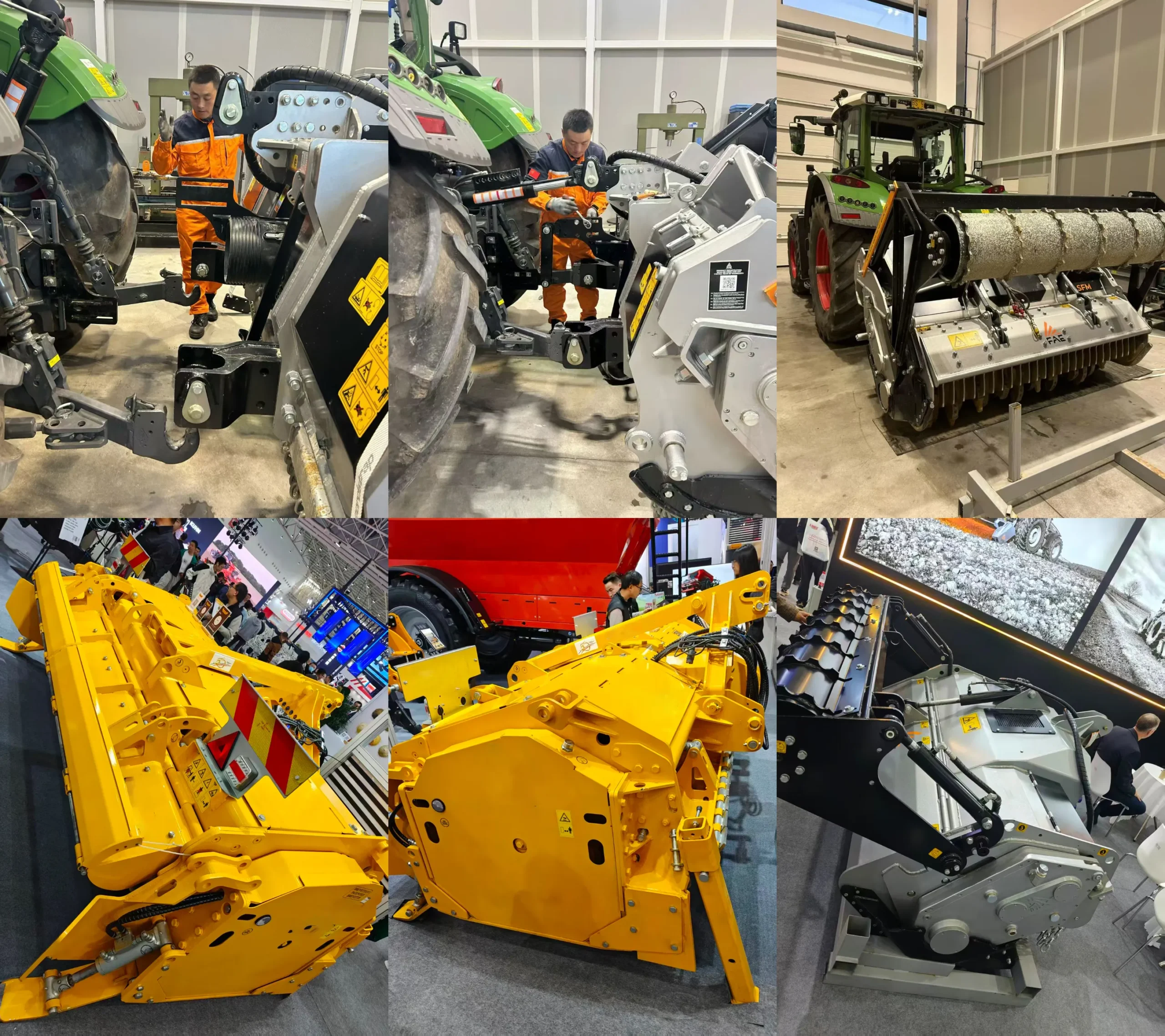
Sa Watanabe sa Brazil, among gipangunahan ang kahingpitan sa tractor-towed stabilizer. Kini nga mga yunit gikonektar sa mga high-horsepower nga traktor ug gipadagan sa traktor Pag-take-off sa Kusog (PTO) sistema.
- Ang Bentaha: Nagtanyag sila og talagsaong pagka-flexible ug mas ubos nga ROI period. Sa Brazil, diin daghang dagkong mga fazendas kay aduna nay kaugalingong mga heavy-duty tractor para sa pag-andam sa yuta, ang towed stabilizer nagtugot kanila sa pag-convert sa kasamtangang kagamitan ngadto sa usa ka powerhouse sa pagtukod og dalan.
- Lokal nga Epekto: Kini mga importante para sa pagmentinar sa estradas vicinais (mga ikaduhang dalan) nga nagkonektar sa mga sentro sa agrikultura ngadto sa mga nag-unang pantalan sa pag-eksport sama sa Santos o Paranaguá.
- Mekanikal nga Katukma: Bisan pa man og giguyod, kini nga mga makina naggamit og mga high-torque rotor nga makahimo sa pagsulod hangtod sa 500mm, nga katumbas sa performance sa mga self-propelled unit sa mas barato nga presyo kon itandi sa gasto sa operasyon.
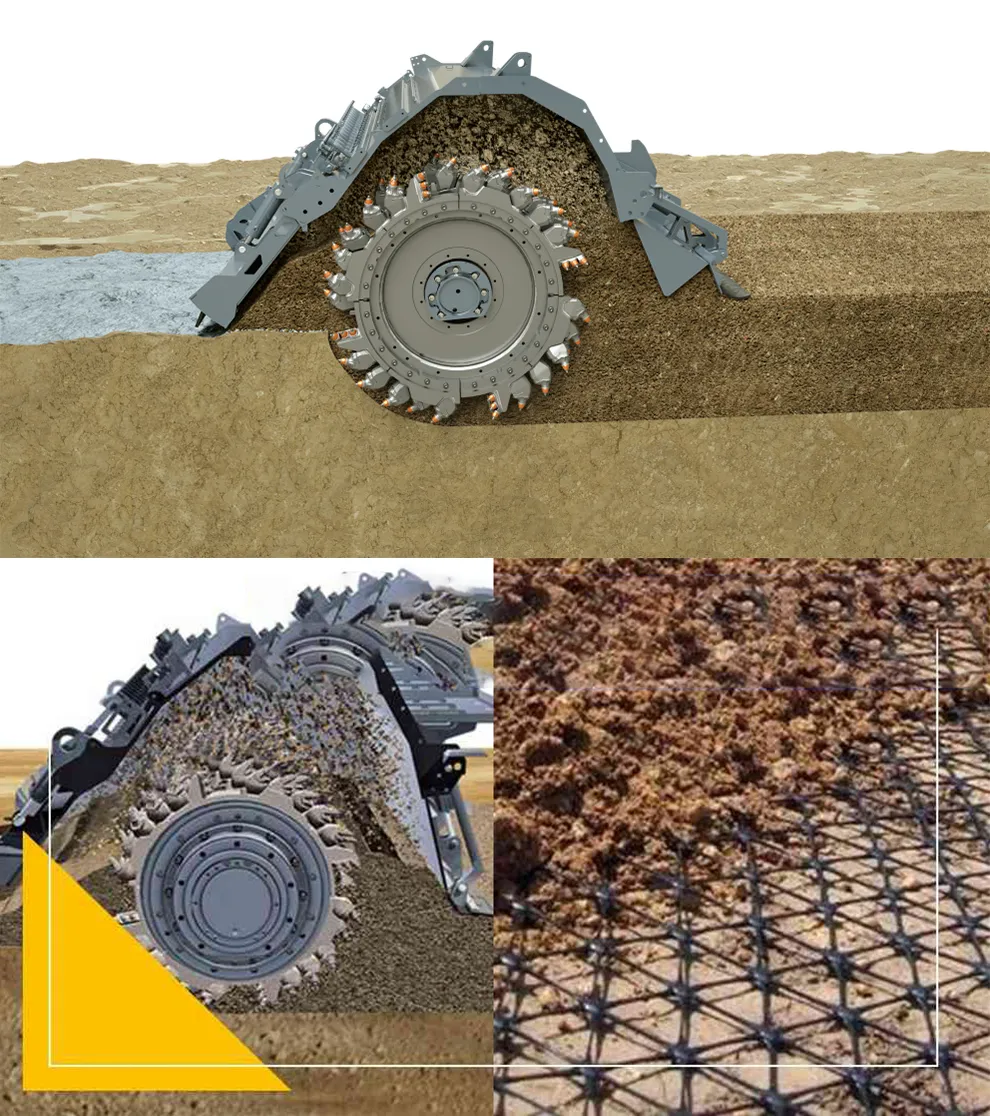
2. Klasipikasyon pinaagi sa Mekanismo sa Pagpalig-on: Ang Siyensiya sa Yuta
Ang "unsaon" sa pagpaayo sa yuta sama ka importante sa "unsa." Ang mga stabilizer giklasipikar pinaagi sa pisikal o kemikal nga pagbag-o nga ilang gipahinabo sa yuta.
2.1 Mga Mekanikal nga Palig-on sa Yuta
Ang mekanikal nga pagpalig-on naglakip sa pag-usab sa pisikal nga kabtangan sa yuta pinaagi sa compaction ug grading nga wala’y pagdugang og langyaw nga mga kemikal.
- Ang Proseso: Ang rotor sa stabilizer modugmok sa dagkong mga pungpong, ug ang sunod nga pagligid mopadako sa densidad sa yuta.
- Tumong: Aron makab-ot ang labing taas nga Densidad sa ProctorKasagaran kini gigamit alang sa temporaryo nga mga agianan sa dalan sa Cerrado o isip pre-treatment sa dili pa ipaila ang mga kemikal nga binder.
2.2 Mga Kemikal nga Palig-on sa Yuta
Kini ang labing komon nga gamit sa modernong konstruksyon. Pinaagi sa pagsagol sa yuta gamit ang piho nga mga additives, ang makina makapahinabog usa ka molekular nga pagbag-o.
- Pagbayloay og Ion: Pag-usab sa karga sa kuryente sa mga partikulo sa lapok aron makunhuran ang atraksyon sa tubig.
- Semento: Nagmugna og gahi nga matrix nga nagbugkos sa mga partikulo sa yuta, nga nagdugang pag-ayo sa CBR (Ratio sa Pagdala sa California).
3. Pagtuon og Lawom sa mga Chemical Binder: Pagpares sa Makina sa Materyal
Ang "klase" sa stabilization kasagarang gihubit sa pangunang binder nga gigamit sa mixing chamber. Ang matag usa nanginahanglan og lain-laing pagdumala sa injection system sa makina.
3.1 Mga Palig-on sa Lime (Cal)
Ang pagpalig-on sa apog mao ang gold standard para sa bug-at ug lapad nga yuta nga lapok (argila).
- Ang Kemistri: Ang apog mo-reaksyon sa silica ug alumina sa yuta aron maporma ang calcium silicate hydrates (susama sa semento).
- Konteksto sa Brazil: Sa basa nga mga rehiyon sa Mga Amazonas o atol sa kusog nga ting-ulan sa Sudeste, ang apog gigamit aron "paugaon" ang yuta ug mapugngan ang dagkong mga pagbag-o sa volume (paghubag/pagkunot) nga makaguba sa mga aspalto nga nawong.
3.2 Mga Stabilizer sa Semento (Cimento).
Ang semento sa Portland gigamit para sa granular nga mga yuta, mga silts, ug mga palibot nga bug-at og balas.
- Ang Resulta: Nagmugna kini og "soil-cement," usa ka materyal nga adunay taas nga compressive strength nga nagsilbing semi-rigid nga base.
- Aplikasyon: Maayo alang sa mga industriyal nga salog ug mga sentro sa logistik nga adunay bug-at nga karga duol sa Sao Paulo o Curitiba.
3.3 Mga Palig-on sa Bituminous/Foamed Bitumen
Kini naglambigit sa pag-inject og likido nga bitumen o bituminous emulsion direkta ngadto sa mixing chamber.
- Ang Bentaha: Nagmugna kini og flexible, dili masudlan og tubig nga base nga dili daling mabuak tungod sa kakapoy.
- Teknolohiya: Watanabe sa Brazil Ang mga makina mahimong ipasibo gamit ang mga precision spray bar aron masiguro nga ang bitumen ma-atomoze ug maapod-apod nga parehas sa tibuok 50cm nga giladmon sa pagsagol.
3.4 Mga Palig-on sa Polimer ug Enzyme
Ang mas bag-ong henerasyon sa mga stabilizer naggamit ug likido nga mga polymer o bio-enzyme.
- Ang Proseso: Kining mga binder molihok isip "glue" sa mikroskopikong lebel. Kini labi ka epektibo alang sa pagkontrol sa abog sa mga dalan sa kabanikanhan ug alang sa pagpalig-on sa mga yuta nga adunay taas nga organikong sulud.
4. Klasipikasyon pinaagi sa Giladmon sa Aplikasyon: Ibabaw vs. Lawom nga Pagpalig-on
Dili tanang pundasyon managsama. Ang giladmon nga kaya sa usa ka makina molihok mao ang nagtino sa iyang "klase" sa panan-aw sa usa ka geotechnical engineer.
4.1 Mga Stabilizer sa Mabaw/Ibabaw (hangtod sa 20cm)
Gigamit panguna alang sa "dust palliation" ug mga light-duty nga agianan sa kabanikanhan. Kini nga mga makina nagpunting sa "wearing course"—ang pinakataas nga lut-od sa dalan.
4.2 Lawom nga Layer nga mga Stabilizer (30cm hangtod 50cm+)
Mga makina sama sa gi-engineer ni Watanabe sa Brazil gidisenyo alang sa lawom nga lut-od sa pagpalig-on sa istruktura. Pinaagi sa pagproseso sa 50cm nga gibag-on nga lut-od sa yuta, ang makina nagmugna og pundasyon nga sama sa "slab" nga makasuporta sa 40-toneladang mga trak sa soybean nga dili mausab ang porma. Kini nga lawom nga pagproseso hinungdanon alang sa rodovias estaduais nga kanunay nag-atubang sa grabeng trapiko.
5. Ang Ebolusyon sa mga Komponente: Mga Rotor, Bits, ug Chambers
Aron masabtan ang lainlaing mga klase sa mga stabilizer, kinahanglan nga tan-awon ang mga internal nga sangkap nga naghimo sa trabaho.
5.1 Mga Rotor nga Taas ang Tulin vs. Mga Rotor nga Taas ang Torque
- Mga High-Speed nga Rotor: Labing maayo para sa "pagdugmok" sa mga gaan nga yuta ug pagsagol sa mga likido nga polimer.
- Mga Rotor nga Taas og Torque: Kinahanglanon para sa Bug-os nga Giladmon nga Reklamasyon (FDR), diin ang makina kinahanglan nga galingon ang daan nga aspalto ug mga gahi nga materyales sa sub-base.
5.2 Espesyal nga mga Tungsten-Carbide Bits
Ang "mga ngipon" sa makina mao ang magtino kon unsa ang makaon niini.
- Mga Tipik sa Yuta: Gidisenyo nga adunay mas hait nga profile para sa labing taas nga pagsulod sa humok nga yuta.
- Mga Bits sa Bato/Aspalto: Gipalig-on pag-ayo gamit ang tungsten carbide aron makasukol sa pagkagusbat sa mga daan nga dalan nga gi-recycle. Sa Brazil Watanabe, ang among mga bits gipanday aron makontrol ang mga abrasive nga yuta nga dato sa quartz nga makita sa daghang bahin sa Sentral nga Brasil.
6. Ngano nga ang mga Towed Stabilizer mao ang "Sakto nga Tipo" para sa Agronegócio sa Brazil
Ang Brazil usa ka lider sa kalibutan sa pag-eksport sa soya, mais, ug karne sa baka. Bisan pa, ang "gastos sa logistik" (kustomer sa Brasil) grabeng naapektuhan sa dili maayong kondisyon sa dalan.
6.1 Ekonomikanhong Soberanya para sa Fazenda
Ang usa ka self-propelled unit nanginahanglan og espesyalisadong mekaniko ug usa ka dedikado nga transport trailer. Watanabe Towed Stabilizer mahimong ibalhin gamit ang samang mga traktor nga anaa na sa umahan. Kini nagtugot sa prodyuser sa pagpalig-on sa ilang kaugalingong mga dalan sa sulod ug sa mga dalan paingon sa mga nag-unang haywey atol sa "off-season."
6.2 Pagtinabangay nga Imprastraktura (Prefeituras)
Daghang gagmay mga munisipyo sa Brazil, ipaambit ang mga bug-at nga kagamitan. Ang usa ka towed stabilizer mas sayon ipaambit ug ipadayon taliwala sa usa ka consortium sa mga lungsod, nga nagtugot kanila sa pagpaayo sa liboan ka kilometro sa estradas de terra nga kon dili pa mao dili unta maagian panahon sa ulan sa ting-init.
7. Epekto sa Kalikopan: Ang "Berde" nga Klase sa Konstruksyon
Ang pagpalig-on sa yuta sa kinaiyanhon mas malungtaron kay sa tradisyonal nga mga pamaagi nga "Pagkalot ug Pag-ilis".
- Tunob sa Karbon: Pinaagi sa paggamit sa yuta nga anaa na sa lugar, among giwagtang ang liboan ka mga biyahe sa trak gikan sa mga quarry. Kini makapakunhod pag-ayo sa konsumo sa diesel ug mga emisyon sa carbon.
- Pagpreserbar sa Kapanguhaan: Ang natural nga graba ug aggregate quarry limitado ra. Ang pag-stabilize nagtugot kanato sa pagpreserbar niini alang sa mga aplikasyon sa konkreto nga taas og bili samtang gigamit ang lokal nga "marginal" nga mga yuta alang sa mga base sa dalan.
8. Mga Kriterya sa Pagpili: Unsaon Pagpili sa Sakto nga Klase?
Sa pagpili og soil stabilizer gikan sa among katalogo sa soilstabilizermachine.com, hunahunaa ang mosunod nga teknikal nga mga baryable:
- Klasipikasyon sa Yuta: Usa ba kini ka Argissolo (yuta) o usa ka Latossolo (yuta nga na-weathered)? Kini ang magtino kung kinahanglan ba nimo ang lime-injection system o usa ka simpleng mechanical pulverizer.
- Gidaghanon sa Proyekto: Para sa 100km nga federal highway, mahimong gikinahanglan ang usa ka self-propelled unit. Para sa 500km nga mga rural farm roads, mas episyente ang usa ka towed unit.
- Kapasidad sa Traktor: Siguruha nga ang imong traktor adunay minimum nga gikinahanglan nga horsepower (kasagaran 180HP hangtod 300HP+) aron mapadagan ang PTO ubos sa mga karga nga taas og torque.
- Tipo sa Binder: Kinahanglan ba nimo ang dry powder spreader (para sa apog/semento) o usa ka liquid injection system (para sa bitumen/polymers)?
9. Mga Uso sa Umaabot: Awtomasyon ug Pag-integra sa GPS
Ang sunod nga henerasyon sa mga pampatatag sa yuta nahimong "maalamon."
- Pagkontrol sa Giladmon sa GPS: Awtomatikong pag-adjust sa giladmon sa rotor aron mapadayon ang hingpit nga grado.
- Awtomatikong Injeksyon: Mga sensor nga nagsukod sa kaumog sa yuta sa tinuod nga oras ug nag-adjust sa water/binder spray sumala niana aron maigo ang Labing Maayo nga Kontent sa Kahumog hingpit.
Pagtukod og Lig-on nga Brazil
Ang nagkalain-laing klase sa mga soil stabilizer nga anaa karon nagsiguro nga bisan unsa pa ka "dili maayo" ang yuta, mahimo kining mabag-o ngadto sa usa ka high-performance engineering asset. Gikan sa dagkong self-propelled units nga gigamit sa mga multi-national construction firms ngadto sa lig-on ug versatile nga towed stabilizers gikan sa Watanabe sa Brazil, ang teknolohiya naglungtad aron sa pagtukod og mas konektado ug episyente nga kalibutan.
Para sa negosyanteng Brazilian, klaro ang kapilian: ang pagpamuhunan sa usa ka soil stabilizer usa ka pamuhunan sa kalig-on sa infraestrutura nacionalMahitungod kini sa pagsiguro nga ang ani makaabot sa pantalan, ang school bus makaabot sa umahan, ug ang dalan magpabilin nga nagbarog sa matag bagyo nga tropikal.
Andam ka na ba nga ma-optimize ang imong kahusayan sa konstruksyon? Bisitaha ang among opisyal nga portal sa soilstabilizermachine.com aron masusi ang among detalyado nga mga detalye sa makina ug makit-an ang hingpit nga kauban para sa imong sunod nga proyekto sa geoteknikal. Brazil Watanabe: Pag-engineer sa pundasyon sa umaabot.
Teknikal nga Konsultasyon: Ang among team sa inhenyeriya nagtanyag og on-site nga pagsulay sa yuta ug mga serbisyo sa kalibrasyon sa makina sa tanang estado sa Brazil. Kontaka kami karon alang sa usa ka propesyonal nga ebalwasyon.