The Evolution of Soil Engineering: Defining the Soil Stabilizer
In the expansive world of civil engineering and infrastructure development, the ground beneath our feet is rarely “perfect” for heavy loads. Historically, when engineers encountered soft, silty, or clay-heavy soils, the only solution was the “undercut and replace” method. This involved excavating thousands of cubic meters of “bad” soil, hauling it away in fuel-consuming trucks, and replacing it with expensive, quarried aggregates. However, the introduction of the soil stabilizer machine has revolutionized this paradigm. A soil stabilizer is a high-powered, self-propelled or tractor-towed machine equipped with a massive, high-speed mixing rotor. This rotor is designed to pulverize the existing soil to a specific depth, simultaneously mixing it with chemical binders to transform the earth’s physical and chemical properties in-situ.
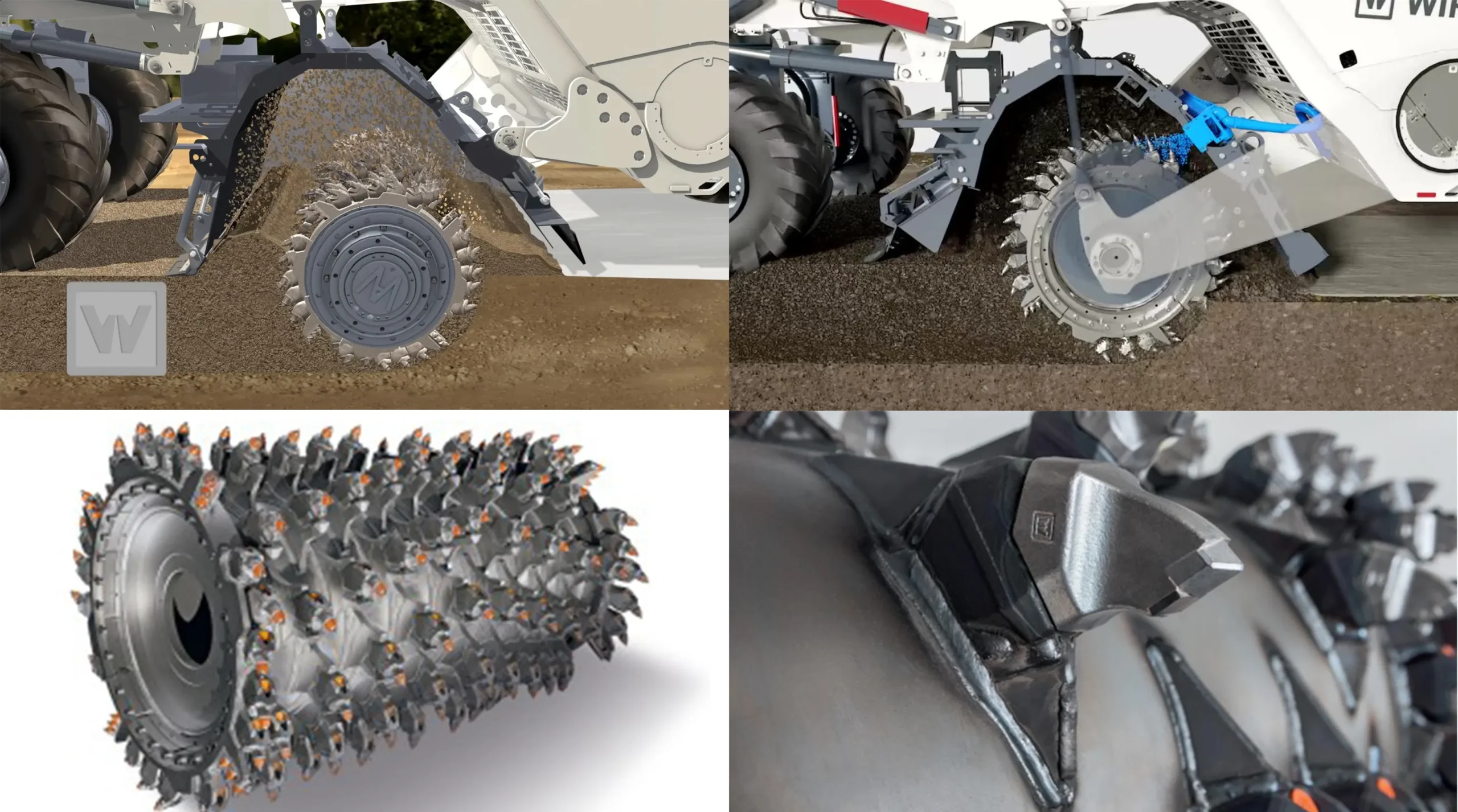
From a technical standpoint, a soil stabilizer is essentially a mobile processing plant. It takes the raw, inconsistent local material and upgrades it into a high-strength sub-base or base layer. In regions like Brazil, where varied geomorphology presents everything from expansive tropical clays to loose sandy loams, these machines are indispensable. They don’t just “move” dirt; they “engineer” it. By using a series of carbide-tipped teeth arranged in a specific helical pattern on the drum, the stabilizer breaks down the soil matrix at a granular level. This creates a homogeneous material that, when compacted, exhibits significantly higher California Bearing Ratio (CBR) values and improved resistance to moisture penetration. The machine’s ability to work with the material already on-site makes it a cornerstone of sustainable construction, reducing the reliance on external quarries and massive logistical chains that traditionally plagued road-building projects.
Modern stabilization technology has shifted from a “brute force” approach to one of precision. These machines now feature sophisticated electronic control systems that monitor the rotor’s load, the machine’s ground speed, and the exact flow of binders. Whether the project is a multi-lane highway, a massive industrial warehouse foundation, or a remote airport runway, the stabilizer ensures that the foundation is uniform. Inconsistency is the primary enemy of pavement longevity; if one section of the subgrade is softer than the next, the resulting differential settlement will inevitably lead to cracks and potholes. The stabilizer eliminates these “weak spots” by creating a monolithic, stabilized slab of earth. This structural integrity is why stabilization is now the gold standard for projects that demand a service life of 20 to 50 years, providing a foundation that can withstand the punishing weight of modern logistics and heavy machinery.
The Mechanics of Transformation: How Stabilization Works In-Situ
The functionality of a soil stabilizer is a masterclass in mechanical and chemical synergy. The process begins with the “mixing chamber,” a heavily armored housing that surrounds the rotor. As the machine advances, the rotor rotates—usually in an up-cut direction—to tear into the compacted earth. This action creates a vacuum-like effect within the chamber, where the soil is suspended in a turbulent air-stream. It is at this precise moment that binders are introduced. Depending on the soil type, engineers may use lime (for heavy clays to induce ion exchange and flocculation), cement (to create a rigid, semi-bound matrix), or bitumen emulsions (for waterproofing and flexibility). The machine’s injection system can be calibrated to spray these materials directly onto the rotor, ensuring that every single grain of soil is coated with the stabilizing agent.
Depth control is perhaps the most critical operational feature. A high-quality stabilizer can maintain a consistent mixing depth from 100mm down to 500mm or more, controlled by hydraulic sensors that adjust for changes in terrain. If the rotor goes too shallow, the structural layer will be too thin to support the design load; if it goes too deep, the binder concentration will be diluted, leading to a weak mix. To ensure the soil is ready for this intense processing, contractors often use a stone crusher beforehand if the terrain is particularly rocky or if they are reclaiming an old asphalt road. This pre-processing ensures that the stabilizer’s teeth are not damaged by oversized boulders and that the final gradation of the soil-binder mix is optimal for compaction. The result of this process is a “fluffed” but perfectly mixed material that is ready for immediate grading and rolling.
Beyond the mechanical mixing, there is a complex chemical timeline involved. When lime is mixed into clay, a “pozzolanic reaction” occurs over hours and even days, where the silica and alumina in the clay react with the lime to form calcium silicates—essentially creating a low-grade natural concrete. The soil stabilizer facilitates this by ensuring the “intimate contact” required for these microscopic reactions to take place. Without the high-energy mixing provided by the stabilizer, the lime would simply sit in clumps, providing no structural benefit. Furthermore, moisture management is integrated into the process. Many stabilizers are equipped with water spray bars that connect to a leading tanker truck. This allows the operator to bring the soil to its “Optimum Moisture Content” (OMC) during the mixing phase, which is the exact state required for maximum density during the subsequent compaction phase. This “one-pass” capability is what makes the machine a pinnacle of efficiency on the modern job site.
Synergistic Equipment: From Stone Crushing to Surface Prep
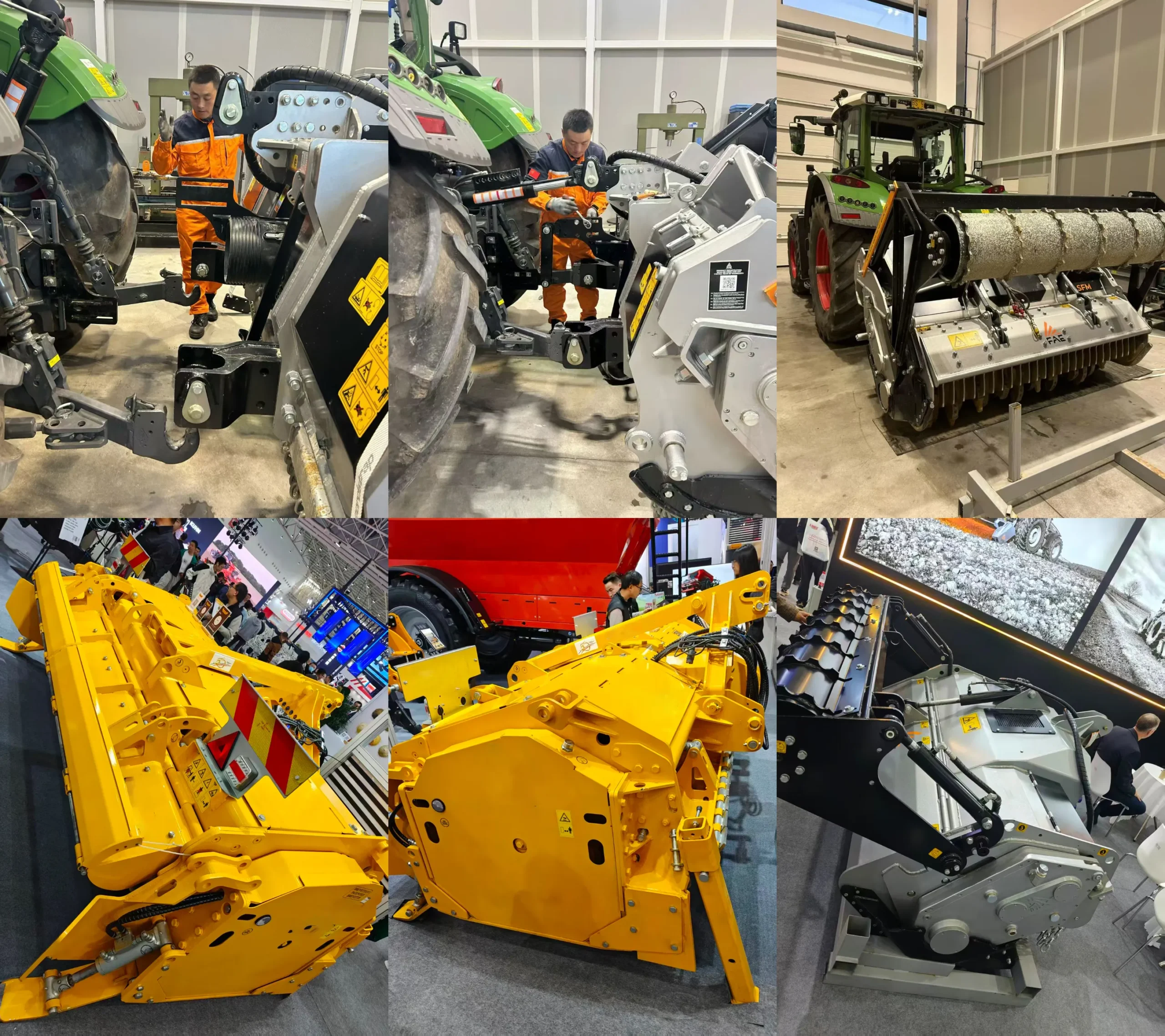
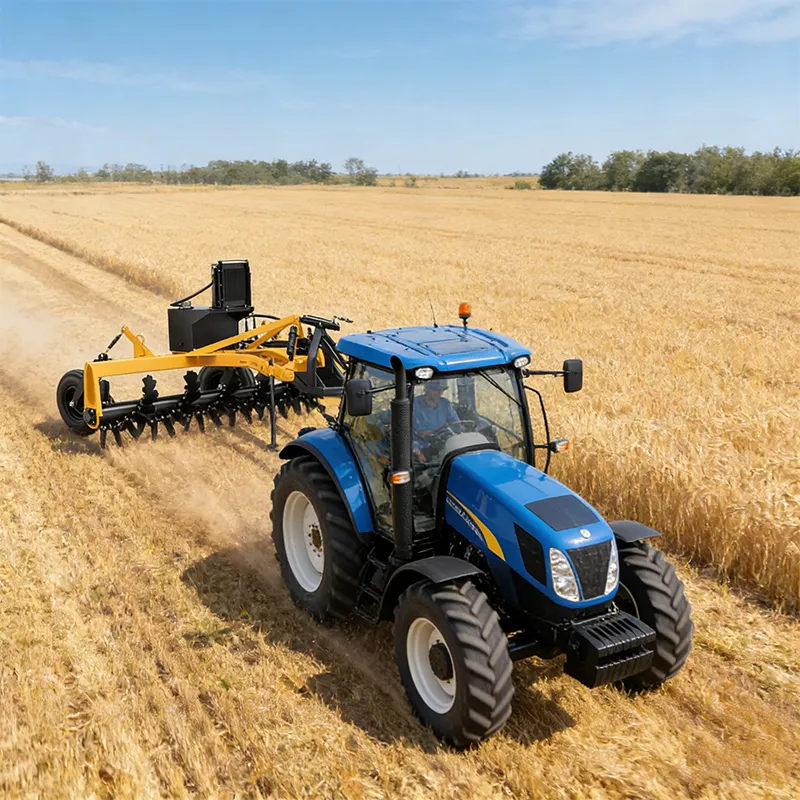
A soil stabilizer does not operate in a vacuum; its success is heavily dependent on the preparation of the “working platform.” In many virgin territories or reconstruction zones, the soil is infested with large rocks, old concrete debris, or thick root systems. Using a stabilizer directly on such ground can lead to catastrophic mechanical failure of the rotor gearbox or the breakage of the carbide bits. To mitigate this, a rock rake is often employed as the first line of defense. The rake clears the surface of large debris, allowing the stabilizer to focus on the fine-grain mixing it was designed for. In cases where the “rocks” are actually useful aggregate, a crusher can be used to grind them down to a usable size, effectively turning a site obstacle into a structural asset. This holistic approach to ground prep is what separates professional contractors from amateurs.
This synergy extends deep into the agricultural sector as well, particularly in the preparation of specialized crop beds. While a road requires a rigid base, high-value crops like potatoes require a soil structure that is perfectly friable and free of mechanical obstructions to prevent bruising. The same principles of soil homogenization used in construction are applied here using rotavators and rotary cultivators. However, the legacy of a well-stabilized access road is what allows a potato digger or a heavy potato harvester to operate in the field during the wet season. Without stabilized haul roads, these massive agricultural machines would sink into the mud, leading to crop loss and mechanical damage. Thus, the soil stabilizer is as much an agricultural tool as it is a construction one, bridging the gap between infrastructure and food security.
Furthermore, the maintenance of these machines requires a deep understanding of wear-part life cycles. The teeth on a stabilizer’s rotor are subjected to extreme heat and abrasion. Modern bits utilize tungsten carbide tips and specialized steel alloys to extend their life, but they still require daily inspection. Similarly, the hydraulic systems that drive these rotors must handle massive pressure spikes when the rotor hits an unexpected obstacle. In many ways, the stabilizer is the “heavy lifter” of the fleet, and its performance dictates the pace of the entire project. If the stabilizer is down, the rollers have nothing to compact, the graders have nothing to level, and the paving crew is left waiting. This critical-path status is why choosing a machine with a robust service history and high-quality components is the most important decision a project manager can make.
Economic and Environmental Viability: Why Stabilization is the Future
The economic argument for soil stabilization is undeniable. When you consider the traditional alternative—hauling in thousands of tons of crushed stone—the costs are staggering. Fuel prices, truck maintenance, driver wages, and the gate fees at quarries all add up. By using a stabilizer to upgrade the “in-situ” soil, a contractor can often reduce their total project costs by 30% to 50%. This isn’t just a saving in materials; it’s a saving in time. A single stabilizer can process 5,000 to 10,000 square meters per day, a pace that no “excavate and replace” crew could ever hope to match. In the competitive world of government tenders and private infrastructure contracts, these margins are what determine the profitability of a firm. Stabilization allows for faster completion, meaning the road or facility can be put into service sooner, generating revenue or public utility faster.
Environmental stewardship is the other side of the coin. The construction industry is one of the largest contributors to carbon emissions, largely due to the massive logistics involved in moving materials. Soil stabilization directly addresses this by minimizing the “carbon miles” associated with a project. It also preserves natural resources by reducing the need to blast and crush virgin rock from quarries. In many ecologically sensitive areas of Brazil, the ability to build a road using only the local soil and a small amount of binder is the only way to gain environmental approval. Furthermore, because stabilized roads are more durable and less prone to erosion, they prevent sediment runoff into local waterways, protecting the surrounding ecosystem from the long-term impacts of infrastructure development.
Finally, the versatility of the stabilizer allows it to be used in “Full Depth Reclamation” (FDR). This is the process of recycling an old, failed asphalt road by pulverizing the existing pavement and mixing it with the underlying base and a new binder. This creates a brand-new, high-strength foundation using 100% of the old material. There is no waste to be dumped in a landfill, and no new stone is required. This “circular economy” approach to road maintenance is becoming the preferred method for municipalities worldwide. As we look toward a future where resources are more scarce and environmental regulations are more stringent, the soil stabilizer machine stands out as a rare example of a technology that is both better for the bottom line and better for the planet. It is, quite literally, the tool that builds the future on the foundations of the past.
About Brazil Agricultural Balers Co.,Ltd
Brazil Agricultural Balers Co.,Ltd is a premier manufacturer and global supplier of heavy-duty industrial and agricultural machinery. With a deep-rooted history in the Brazilian market, we specialize in engineering equipment that masters the toughest terrains. Our focus is on durability, innovative design, and providing our customers with the tools they need to achieve maximum efficiency in both civil construction and large-scale farming.
Our diverse product portfolio includes high-performance solutions such as:
- Soil Stabilizer Machines
- Stone Crushers
- Rock Rakes & Rock Pickers
- Rotavators & Rotary Cultivators
- Potato Furrowers & Potato Planters
- Potato Diggers & Potato Harvesters
- Fertilizers & Compost Barn Solutions
Whether you are stabilizing a highway foundation or preparing a field for harvest, Brazil Agricultural Balers Co.,Ltd provides the technology and support to ensure your success. Our machines are built to last, engineered to perform, and designed for the future.