Mülki mühəndislik və torpaq inkişafı sahəsində torpaq stabilizatorları, xüsusən də çətin mühitlərdə torpaq bütövlüyünün artırılması üçün vacib bir texnologiyadır. Brazil Watanabe Soil Stabilizer Machine Co., Ltd. şirkətində Braziliya torpaq stabilizasiyası həlləri üzrə mütəxəssislər olaraq, bu maşınların səmərəlilik və davamlılıq baxımından əhəmiyyətli üstünlüklər təklif etsə də, onların düzgün istifadə edilməməsi layihənin gecikməsinə, xərclərin artmasına və hətta struktur çatışmazlıqlarına səbəb ola biləcəyini müşahidə etmişik. Torpaq stabilizatorlarıMövcud torpağa mexaniki xüsusiyyətlərini yaxşılaşdırmaq üçün əhəng və ya sement kimi qatqılar qarışdıran əhənglər Braziliyanın müxtəlif landşaftlarında - rütubətli Amazon hövzəsindən quraq şimal-şərq bölgələrinə qədər - yol tikintisində, kənd təsərrüfatı torpaqlarının hazırlanmasında və şəhər infrastruktur layihələrində geniş istifadə olunur. Lakin, ümumi əməliyyat səhvləri bu üstünlükləri sarsıda bilər.
Stabilləşdirmədən əvvəl düzgün torpaq təhlilinə məhəl qoymamaq
Torpağın sabitləşdirilməsi əməliyyatlarında ən fundamental səhvlərdən biri hərtərəfli torpaq təhlili aparılmadan davam etməkdir. Torpaq növləri Braziliyada, Serrado savannalarındakı geniş gillərdən tutmuş Rio-de-Janeyro yaxınlığındakı sahil düzənlikləri boyunca qumlu gillilərə qədər əhəmiyyətli dərəcədə dəyişir. Hissəcik ölçüsü paylanması, nəmlik tərkibi, plastiklik indeksi və üzvi maddələr kimi parametrləri sınaqdan keçirmədən, operatorlar uyğun olmayan sabitləşdirici maddələri və ya qarışdırma nisbətlərini seçmək riskini daşıyırlar ki, bu da zamanla qeyri-kafi bağlanma və ya həddindən artıq çatlama ilə nəticələnə bilər.
Məsələn, torpaqların tez-tez qida maddələri çatışmazlığı və sıxlaşmaya meylli olduğu Mato Grosso əyalətindəki Braziliya kənd təsərrüfatı layihələrində Atterberg limit testlərinin aparılmaması sementin həddindən artıq tətbiqinə səbəb ola bilər ki, bu da güclü yağışlar zamanı torpağın çox kövrək olmasına və eroziyaya meylli olmasına səbəb ola bilər. Bu nəzarətsizlik yalnız materialları israf etməklə yanaşı, həm də sabitləşdirilmiş təbəqənin yük daşıma qabiliyyətini pozur və potensial olaraq ferma giriş yolları kimi infrastrukturda vaxtından əvvəl sıradan çıxmaya səbəb olur. Bunun qarşısını almaq üçün həmişə yerində qazma və laboratoriya təhlilləri aparın, Braziliya Texniki Standartlar Assosiasiyasının (ABNT) yerli geotexniki məlumatlarını daxil edin. Sürətli inkişafın sürətli dönüş tələb etdiyi San Paulo kimi şəhər mühitlərində sabitləşmədən əvvəlki qiymətləndirmələrə vaxt ayırmaq bahalı yenidənqurma işlərinin qarşısını ala bilər və ümumi layihə xərclərinə 20-30% qənaət edə bilər.
Bundan əlavə, mövsümi dəyişiklikləri nəzərə almamaq bu səhvi daha da artırır. Braziliyanın tropik iqlimində, aydın şəkildə yağışlı və quru fəsilləri ilə, torpaq nəmlik səviyyəsi kəskin şəkildə dəyişir. Amazon bölgəsində yağışlı mövsümdə yüksək su tərkibinə görə tənzimləmədən sabitləşdirmək qatqıları durulaşdıra və qarışığı zəiflədə bilər. Operatorlar qarışdırmadan sonra effektiv sıxılma üçün torpağın optimal nəmlikdə - adətən Proctor testləri ilə müəyyən edilmiş optimaldan 2-3% yuxarıda - olmasını təmin etmək üçün real vaxt rejimində monitorinq aparmaq üçün nüvə sıxlığı ölçən cihazlar kimi alətlərdən istifadə etməlidirlər.
Stabilləşdirici maddələrin düzgün seçilməməsi və dozasının düzgün seçilməməsi
Digər geniş yayılmış səhv, torpaq matrisindəki kimyəvi və fiziki reaksiyalara birbaşa təsir edən stabilləşdirici maddələrin səhv seçilməsi və ya dozalanmasıdır. Ümumi maddələrə gilli torpaqlar üçün əhəng, dənəvər növlər üçün sement və daşqınlara meylli ərazilərdə su yalıtımı üçün bitum daxildir. Braziliyada torpaq stabilləşdirmə təcrübələrində, xüsusən də Pantanal bataqlıqlarında, yüksək üzvi torflu torpaqlar üçün əhəngin yavaş reaksiya müddətini nəzərə almadan seçilməsi kifayət qədər möhkəmlik inkişafına səbəb ola bilər və nəticədə nəqliyyat yükü altında zəifləyən yumşaq ləkələr əmələ gəlir.
Doza səhvləri də eyni dərəcədə problemlidir. Çox vaxt səhv "daha çox, daha yaxşıdır" yanaşmasından qaynaqlanan həddindən artıq doza, sabitləşdirilmiş təbəqədə büzülmə çatlarına səbəb ola bilər ki, bu da Trans-Amazon şossesi boyunca yol əsaslarında tez-tez rast gəlinən problemdir, burada həddindən artıq sement istilik genişlənməsi uyğunsuzluğuna səbəb olur. Əksinə, dozanın az olması istənilən məhdudiyyətsiz sıxılma gücünə nail olmağa imkan vermir və bu, adətən Braziliya şosse əsasları üçün 1,5-3 MPa-ya yönəlib. Bunu azaltmaq üçün avadanlığı dəqiq şəkildə kalibrləyin; müasir torpaq stabilizatorlarında torpağın həcminə və sürətinə əsasən tənzimlənən avtomatlaşdırılmış dispenserlər mövcuddur, lakin yoxlama olmadan əl ilə dəyişdirmələr bu faydaları ləğv edə bilər.
Duzlu suyun torpağın kimyasına təsir etdiyi Bahia kimi sahil Braziliya bölgələrində pH testi olmadan sementdən istifadə yaxınlıqdakı möhkəmləndirilmiş konstruksiyalarda korroziyanı sürətləndirə bilər. Ən yaxşı təcrübələr kiçik hissələrdə pilot sınaqlar keçirməyi, dozaları dəqiqləşdirmək üçün 7-28 gün ərzində bərkiməni izləməyi tövsiyə edir. Bu yanaşma yalnız davamlılığı artırmaqla yanaşı, həm də həssas ekosistemlərə kimyəvi axını azaldan IBAMA-nın ətraf mühit qaydalarına uyğundur.
Maşın Baxımı və Kalibrləməsinə Baxış
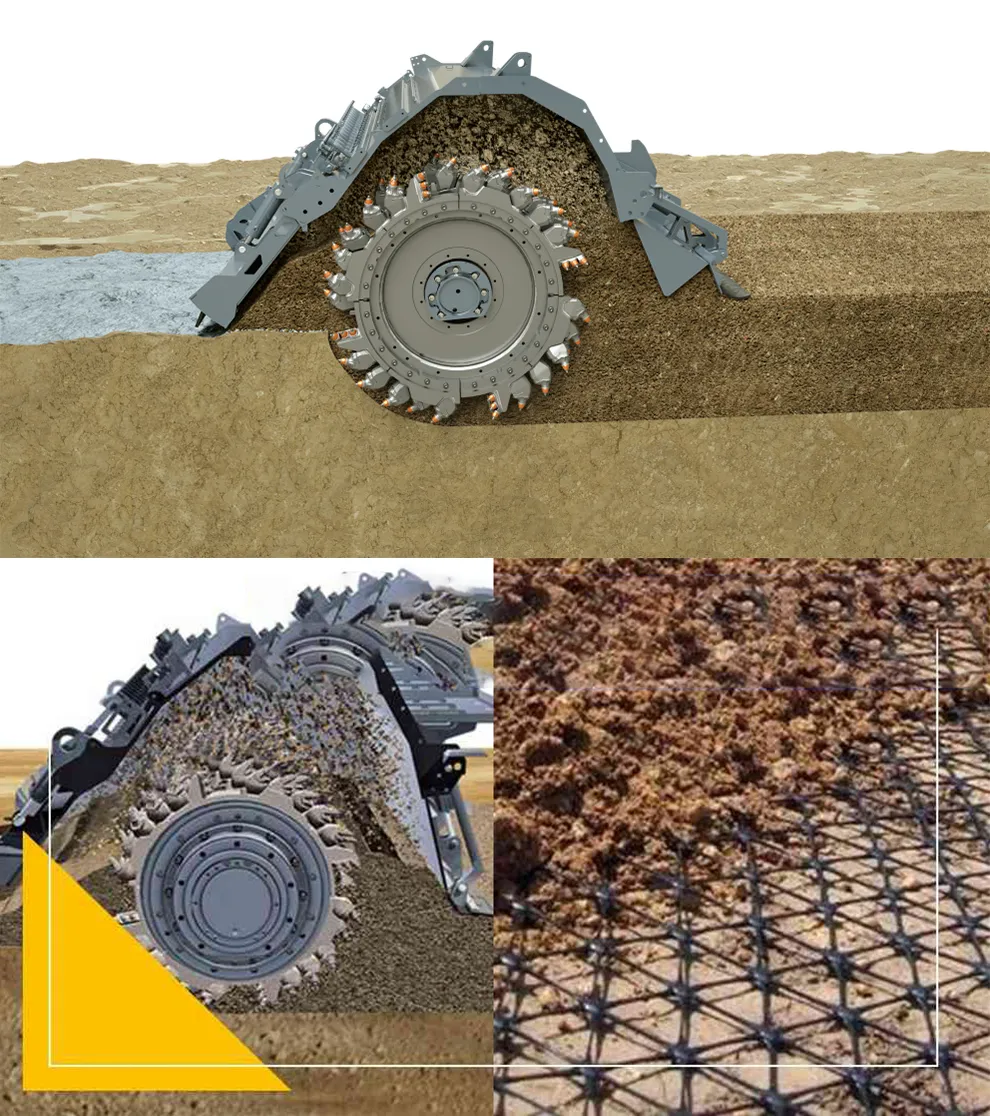
Torpaq stabilizator maşınının texniki xidmət göstərməməsi və kalibrlənməməsi həm təhlükəsizliyi, həm də səmərəliliyi təhlükə altına alan bir səhvdir. Fırlanan rotorları və hidravlik sistemləri olan bu maşınlar, Minas Gerais mədən rayonlarındakı qayalı çıxıntılar kimi aşındırıcı Braziliya ərazilərində əhəmiyyətli dərəcədə aşınmaya davam gətirir. Hər gün itilik və hizalanma üçün yoxlanılmalı olan rotor dişlərinin müntəzəm yoxlanılmasına məhəl qoyulmaması, qeyri-bərabər qarışmaya səbəb ola bilər və sabitləşdirilmiş torpaqda zəif zonalar yarada bilər.
Əlavə paylama sisteminin kalibrlənməsi çox vacibdir; buradakı qeyri-dəqiqliklər agentlərin qeyri-sabit yayılmasına səbəb olur və bu da qeyri-bərabər sabitləşməyə gətirib çıxarır. Santosdakı liman genişləndirmələri kimi genişmiqyaslı layihələrdə kalibrlənməmiş maşınlar təkrar emal ehtiyacları səbəbindən gecikmələrə səbəb olub. Operatorlar istehsalçının təlimatlarına əməl etməli, komponentləri həftəlik yağlamalı və filtrləri aylıq olaraq dəyişdirməlidirlər, xüsusən də hissəcik maddələrinin sistemləri sürətlə tıxadığı Caatinga biomu kimi tozlu mühitlərdə.
Bundan əlavə, mühərrik və hidravlik maye səviyyələrinin nəzərə alınmaması, xüsusən də Braziliyanın Mərkəzi-Qərb yaylası kimi yüksək temperaturlu zonalarında həddindən artıq istiliyə səbəb ola bilər. Bort kompüterlərindən istifadə edərək müntəzəm diaqnostik müayinələr nasazlıqların qarşısını alır və maşının ömrünü illərlə uzadır. Roraima ştatı kimi xidmətə çıxışın məhdud olduğu ucqar ərazilərdə xərcləri artıran əməliyyat dayanmalarının qarşısını almaq üçün proaktiv texniki xidmət cədvəlləri vacibdir.
Müvafiq Təlim və Təhlükəsizlik Protokolları Olmadan Əməliyyat
Kritik bir nəzarət, qəza risklərini artıran və stabilizasiya keyfiyyətini aşağı salan operatorları kifayət qədər təlim keçmədən yerləşdirməkdir. Torpaq stabilizatorları dərinlik, sürət və qarışdırma üçün mürəkkəb nəzarət vasitələrini əhatə edir və təlim keçməmiş işçilər həddindən artıq sürətlə - saatda 5 km-dən çox - işləyə bilər ki, bu da Cənubi bölgədəki gil ilə zəngin Braziliya torpaqlarında səthi emalla nəticələnə bilər və dərinliyə nüfuz etmə qabiliyyətini pozur.
Təhlükəsizlik protokolları müzakirə olunmazdır; dəbilqə və qulaq qoruyucuları kimi Fərdi Mühafizə Vasitələrinin istifadəsinin təmin edilməməsi işçiləri uçan zibil və ya səs-küydən qaynaqlanan eşitmə itkisi kimi təhlükələrə məruz qoyur. Komandaların tərkibində şimaldan olan yerli işçilərin ola biləcəyi çoxmədəniyyətli Braziliya tikinti sahələrində təlim çoxdilli deyilsə, dil maneələri bunu daha da artıra bilər. Avadanlıqların istismarı üçün NR-11 kimi Braziliya əmək normalarına riayət etmək məcburidir və rotor tıxanmaları kimi fövqəladə ssenarilər üçün simulyasiyalar səriştəni artırır.
Bundan əlavə, müşahidəçilər üçün radiolar kimi aydın rabitə kanallarının yaradılmaması, kor zonalarda hadisələrə səbəb ola bilər. Espírito Santo qəhvə fermalarının təpəli ərazilərində bu, aşmalara səbəb olub. Praktik məşğələlər də daxil olmaqla, hərtərəfli təlim proqramları operatorların sahəyə xas çətinlikləri başa düşməsini təmin edir və dayanma vaxtını və məsuliyyətləri minimuma endirən təhlükəsizlik mədəniyyətini inkişaf etdirir.
Ətraf mühitə və sahəyə xas şərtlərə məhəl qoymamaq
Ətraf mühit kontekstinə məhəl qoymamaq Braziliyanın ekoloji cəhətdən müxtəlif bölgələrində genişmiqyaslı nəticələrə səbəb ola biləcək bir səhvdir. Lil hasarları kimi eroziyaya qarşı mübarizə tədbirləri olmadan sabitləşdirmə, təmizlənməmiş torpağın yağışlar zamanı su yollarına yuyulmasına imkan verir və San Paulo yaxınlığındakı Atlantik Meşəsi kimi qorunan ərazilərdə ətraf mühit qanunlarını pozur. Bu, təkcə cərimələrə səbəb olmur, həm də biomüxtəlifliyə zərər verir.
Braziliya şəhər ərazilərindəki yeraltı kommunal xidmətlər kimi sahəyə xas amillər, zərərlərin qarşısını almaq üçün yerə nüfuz edən radar vasitəsilə xəritələşdirilməlidir. Cənub-şərqdəki seysmik meylli zonalarda sabitləşdirmə zamanı torpağın mayeləşməsi risklərinin nəzərə alınmaması bünövrələri sarsıda bilər. Operatorlar hava proqnozlarını inteqrasiya etməlidirlər; şimal-şərqin dəyişkən iqlim şəraitində mussonlar zamanı əməliyyatların təxirə salınması qarışıqların durulaşmasının qarşısını alır.
Bundan əlavə, Amazon layihələrində bitki örtüyünə təsirləri görməməzlikdən gəlmək meşələrin qırılması şikayətlərinə səbəb ola bilər. Minimal təmizləmə kimi aşağı təsirli üsullardan istifadə sabitləşdirmə məqsədlərinə çatarkən yaşayış yerlərini qoruyur.
Bərkimə və Sıxlaşdırma Prosesini Sürətləndirmək
Stabilizasiyadan sonra bərkimə mərhələsinin sürətləndirilməsi son məhsulu zəiflədən ümumi bir səhvdir. Stabilləşdirici maddələrin nəmləndirilməsi və yapışması üçün vaxt tələb olunur - əhəngin tam möhkəmliyi üçün 24-72 saat, sementin isə 7 gün tələb oluna bilər. Braziliyanın Rio-de-Janeyrodakı hava limanının genişləndirilməsi kimi pik saat layihələrində vaxtından əvvəl daşınma çöküntülərin əmələ gəlməsinə və sıradan çıxmasına səbəb olur.
Sıxlaşdırma dərhal müvafiq diyircəklərlə aparılmalı və ABNT standartlarına uyğun olaraq 95-98% sıxlığına nail olunmalıdır. Pampasların dənəvər torpaqlarında vibrasiya keçidlərini atlamaq çökməyə gətirib çıxarır. Plitə yükü testləri ilə monitorinq uyğunluğu təmin edir və magistral yollarda çuxurlar kimi uzunmüddətli problemlərin qarşısını alır.
Rütubətli iqlim şəraitində, müalicə olunmuş sahələri membranlarla örtmək, Pantanal daşqın düzənliklərində vacib bir addım olan buxarlanma itkisi olmadan bərkiməni sürətləndirir.

Material və Resurs İdarəetməsinin Qiymətləndirilməməsi
Materialların zəif idarə olunması səmərəsizliyə və israfçılığa səbəb olur. Braziliyanın yağışlı mövsümlərində nəmdən qorunmadan əlavələrin ehtiyatda saxlanması topaqların əmələ gəlməsinə səbəb olur və effektivliyi azaldır. Pernambukoda böyük etanol plantasiyalarında bu, istehlak nisbətlərini ikiqat artırıb.
Yaş qarışdırma üçün yanacaq və su da daxil olmaqla, resurs bölgüsü planlaşdırılmalıdır; ucqar Akr vəziyyətindəki gecikmə əməliyyatlarında çatışmazlıqlar. Yerində partiyalaşdırma kimi səmərəli logistika istifadəni optimallaşdırır.
Prosesi izləmək və sənədləşdirməkdə uğursuzluq
Davamlı monitorinq və sənədləşmənin olmaması keyfiyyətə nəzarəti çətinləşdirir. Qarışdırma dərinliyi və agent nisbətləri kimi parametrləri qeyd etmədən, nasazlıqların aradan qaldırılması çətinləşir. Braziliya dövlət tenderlərində auditlər üçün ətraflı jurnallar tələb olunur.
Minas Gerais karxanalarında real vaxt rejimində məlumatlar üçün sensorlardan istifadə ardıcıllığı təmin edir, layihə sonrası qiymətləndirmələr isə gələcək yanaşmaları təkmilləşdirir.
Tamamlayıcı Tədbirlər Olmadan Sabitləşməyə Həddindən Artıq Etibarlılıq
Təkcə sabitləşmənin kifayət olduğunu düşünmək drenaj və ya möhkəmləndirmə ehtiyacını nəzərə almır. Daşqınlara meylli Parana çayı hövzələrində geotekstillər olmadan su təbəqəni zəiflədir. Salvador yaxınlığındakı yamac işlərində eroziya örtükləri ilə inteqrasiya uzunömürlülüyü artırır.
Layihənin Miqyasını və Maşın Uyğunluğunu Yanlış Qiymətləndirmək
Layihə miqyası üçün səhv maşın ölçüsünün seçilməsi bir tələdir. Geniş Amazon yolları üçün kiçik qurğular səmərəsizliyə səbəb olur, Rio-de-Janeyrodakı favela kimi məhdud şəhər yerlərindəki böyük qurğular isə manevr qabiliyyətini məhdudlaşdırır.
At gücünün və rotor genişliyinin torpaq həcminə görə qiymətləndirilməsi, Braziliyanın müxtəlif layihələrinə uyğun çox yönlü modellərlə uyğunluğu təmin edir.
Stabilizasiya Sonrası Test və Texniki Xidmətə Laqeydlik
Kaliforniya Yastıq Nisbəti (CBR) kimi son sınaqları buraxmaq qüsurları nəzərə almır. Bahia sahil yollarında bu, erkən aşınmaya səbəb olub. Çatların möhürlənməsi kimi davamlı təmir işləri Braziliyanın istilik dövrlərinə qarşı bütövlüyü qoruyur.