Əməliyyat Səmərəliliyinin Qorunması: Stabilizator Davamlılığına Giriş
Mülki mühəndislik və sənaye miqyaslı torpaq hazırlığı sahəsində yüksək riskli dünyada, torpaq stabilizatoru maşını Məhsuldarlığın titanını təmsil edir. Bu maşınlar zəif, uyğunsuz torpağı tək, yüksək enerjili keçiddə qaya kimi möhkəm, yük daşıyan bir təmələ çevirmək üçün hazırlanmışdır. Lakin, torpağı eyni zamanda əhəng və ya sement kimi kimyəvi bağlayıcıları qarışdırarkən onu əzməyin mexaniki zorakılığı hər bir komponentə böyük bir yük yaradır. Böyük bir infrastruktur layihəsindəki dayanma yalnız maşını dayandırmır; bütün logistika zəncirini dayandırır - diyircəklər, qreyderlər və səki briqadaları boş qalır və bu da saatda minlərlə dollar gəlir itkisinə səbəb olur. Problemlərin necə həll ediləcəyini anlamaq torpaq stabilizatoru sadəcə mexanik üçün bir vəzifə deyil; bu, çox vaxt ucqar və amansız mühitlərdə layihənin davamlılığını təmin etməli olan layihə menecerləri və operatorları üçün həyati bir bacarıqdır.
Bu mürəkkəb sistemlərdə problemlərin aradan qaldırılması çoxsahəli yanaşma tələb edir. Stabilizator, əsasən, yüksək fırlanma momentli mexaniki gücü, həssas hidravlik sistemləri və kimyəvi inyeksiya üçün dəqiq elektron ölçməni birləşdirən mobil emal zavodudur. Problem yarandıqda, simptomlar tez-tez sabitləşdirilmiş əsasın keyfiyyətinin azalması və ya maşının harmonik vibrasiyasında qəfil dəyişiklik kimi özünü göstərir. Diaqnostikaya peşəkar yanaşma, operatorun mühərrik yükündə və ya rotor müqavimətində dəyişiklikləri müəyyən etdiyi "dinlə və hiss et" strategiyası ilə başlayır. Geniş tropik gillərdən tutmuş aşındırıcı lilli qumlara qədər hər şeylə məşğul olduğumuz Braziliya kimi bölgələrdə, maşının torpaqla qarşılıqlı təsiri ilk növbədə ipuçlarını axtarmaq üçündür. Maşın həddindən artıq diş aşınması və ya nasaz sprey çubuğu ilə mübarizə aparırsa, sistematik diaqnostika protokolu "hissələrin dəyişdirilməsindən" qaçınmaq və inamla və struktur bütövlüyü ilə işə qayıtmaq üçün yeganə yoldur.
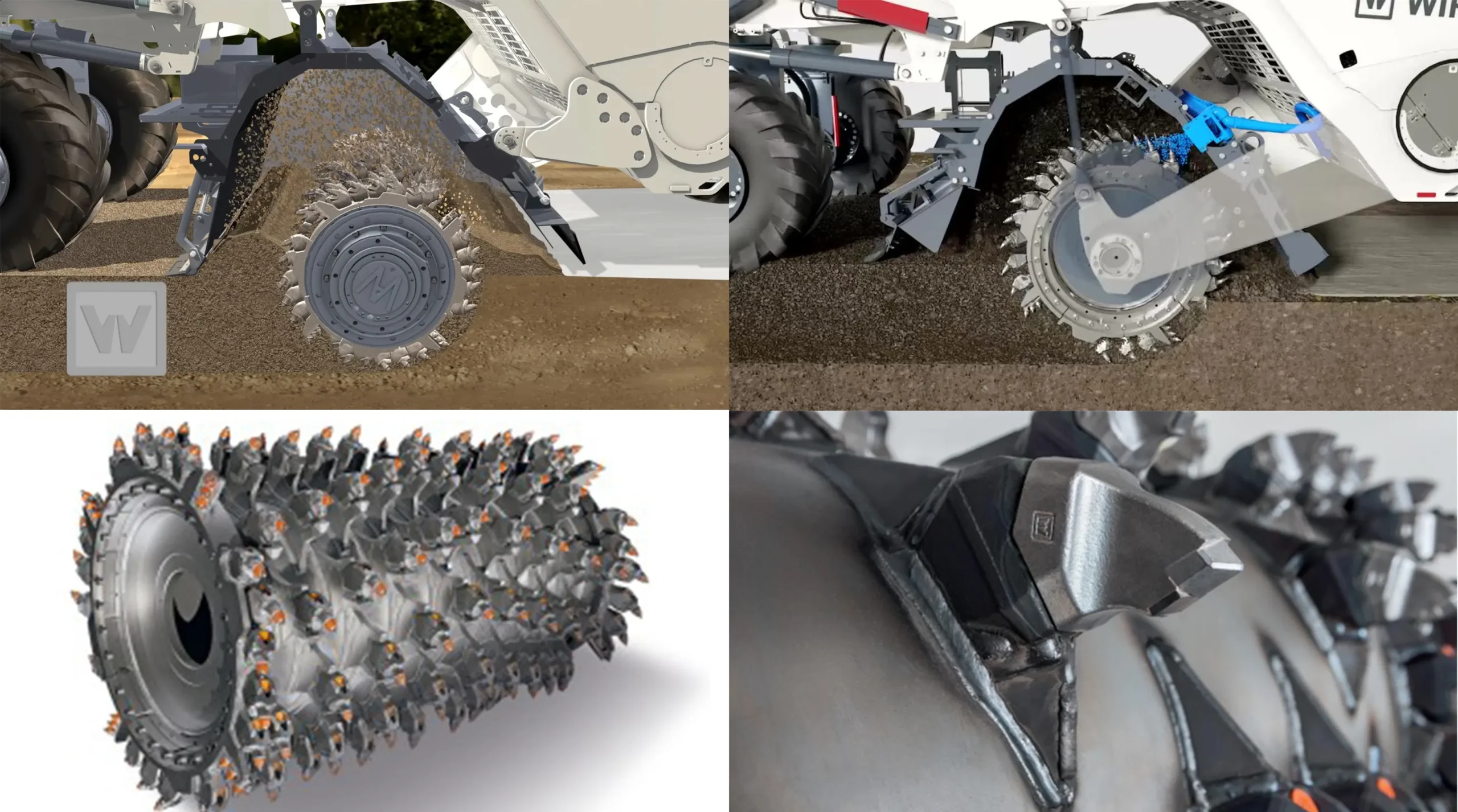
Mexaniki Titrəmələr: Rotor və Kəsmə Sistemi Nasazlıqlarının Həlli
İş yerində rast gəlinən ən çox yayılmış problemlər dəzgahın "iş sonu" ilə bağlıdır: qarışdırma rotoru. Əgər vibrasiyanın qəfil artdığını və ya şassidən ötürülən "titrəmə" hissini hiss etsəniz, əsas günahkar tez-tez balanssız rotor və ya kəsici alətlərdə lokal nasazlıqdır. Barabandakı hər bir karbid uclu diş bərabər fırlanma momenti paylanmasını təmin etmək üçün strateji olaraq yerləşdirilir. Bir hissədə bir neçə diş yoxdursa və ya ciddi şəkildə aşınırsa, rotorda "harmonik balanssızlıq" yaranacaq ki, bu da planetar ötürücü qutularının və ya əsas ötürücü valın fəlakətli şəkildə sıradan çıxmasına səbəb ola bilər. Operatorlar dərhal dəzgahı dayandırmalı və "Təhlükəsizlik Dairəsi" yoxlaması aparmalıdırlar. Bir çox hallarda, bu titrəmələr rotorun xəritələşdirilməmiş yeraltı maneə ilə qarşılaşması səbəbindən baş verir. Bunun qarşısını almaq üçün peşəkar podratçılar tez-tez istifadə edirlər qaya dırmığı yüksək sürətli fırlanan qurğuya zərər verə biləcək böyük qayalardan və ya zibillərdən yolu əvvəlcədən təmizləmək üçün.
Digər davamlı mexaniki problem qarışdırma kamerasının "şüşələnməsi" və ya "tıxanması"dır. Bu, materialın korpusun içinə yapışdığı, kameranı effektiv şəkildə daraltdığı və rotora həddindən artıq əks təzyiq yaratdığı ağır, nəm gilli torpaqlarda işləyərkən baş verir. Simptom adətən qarışdırma dərinliyi dəyişməsə belə, mühərrikin batmasıdır. Bunun aradan qaldırılması üçün sıyırıcıların və qarışdırma kamerası pərdələrinin gərginliyinin yoxlanılması tələb olunur. Material çox nəmdirsə, maşın son sabitləşmədən əvvəl torpağı "yumşaltmaq" üçün əhəng vurulmasını tələb edə bilər. Bundan əlavə, layihə köhnə asfaltın bərpasını və ya qayalı torpağın emalını əhatə edirsə, böyük ölçülü aqreqatların olması vaxtından əvvəl aşınmaya səbəb ola bilər. Belə hallarda, stabilizator yükü daşıya bilmirsə, bu, materialın əvvəlcədən emal tələb olunduğunu göstərə bilər. daş qırıcı stabilizatorun dizayn parametrləri daxilində işləməsinə imkan verən vahid dənə ölçüsünə nail olmaq. Uç tutacaqlarındakı fırlanma momentini və planetar yağın sağlamlığını müntəzəm olaraq yoxlamaq bu kiçik mexaniki gərginliklərin böyük struktur nasazlıqlarına çevrilməsinin qarşısını alacaq.
Kimyəvi Dəqiqlik: Bağlayıcı Enjeksiyon və Ölçmə Sistemi Qliçlərinin Diaqnostikası
Torpaq stabilizatorunun struktur uğuru torpağa vurulan bağlayıcının (əhəng, sement və ya bitum) dəqiq kimyəvi nisbətindən asılıdır. "Qarışıq dizayn" müəyyən edilmiş Kaliforniya Yastıq Nisbətinə (CBR) çatmadıqda, problemlərin aradan qaldırılması inyeksiya və ölçmə sisteminə yönəlməlidir. Ən çox rast gəlinən problem tıxanmış püskürtmə zolağı və ya nasaz işləyən burunlardır. Bu bağlayıcılar tez-tez aşındırıcı məhlullar və ya yapışqan emulsiyalar olduğundan, sistemdə bir gecədə qalan hər hansı bir qalıq sərtləşə və axını maneə törədə bilər. Maşının bort kompüteri hədəf tətbiq nisbətinin yerinə yetirildiyini göstərirsə, lakin yerdəki fiziki nəticələr "quru" və ya "ləkəsiz" görünürsə, sensor məlumatları ilə faktiki çıxış arasında uyğunsuzluq ola bilər. Bu, tez-tez köhnəlmiş axın ölçən cihaza və ya ikincil filtrasiya sistemindəki tıxanmaya işarə edir. Operatorlar püskürtmə zolağının təmiz qalmasını təmin etmək üçün yüksək təzyiqli su və ya ixtisaslaşmış təmizləyici vasitələrdən istifadə edərək gündəlik "çıxarma" prosedurlarını yerinə yetirmək üçün təlim keçməlidirlər.
Proqram təminatının kalibrlənməsi problemlərin həllinin "görünməz" tərəfidir. Müasir stabilizatorlar bağlayıcı axınını avtomatik olaraq tənzimləmək üçün yer sürəti sensorlarından istifadə edirlər. Maşının radar və ya təkər sürəti sensorları palçığa batıbsa, kompüter maşının əslində olduğundan daha yavaş və ya daha sürətli hərəkət etdiyini "düşünə" bilər ki, bu da bağlayıcının həddindən artıq və ya az tətbiq olunmasına gətirib çıxarır. Bu, yalnız bahalı kimyəvi maddələri israf etməklə yanaşı, həm də yol təməlinin bütövlüyünü pozur. Bu problemin həlli yer sürəti sensorunun yenidən kalibrlənməsini və stabilizatoru təchizat tankerinə birləşdirən göbək şlanqlarının yoxlanılmasını tələb edir. Dəqiqliyin məhsul sağlamlığı üçün eyni dərəcədə vacib olduğu kənd təsərrüfatı torpağının hazırlanmasında eyni prinsiplər tətbiq olunur. Torpaq həssas maşınlar, məsələn, bir maşın üçün hazırlanırsa. kartof qazan, düzgün bağlayıcı tətbiqi ilə torpağın sıxlığının vahid olmasını təmin etmək yığım zamanı mexaniki zədələnmənin qarşısını almağın yeganə yoludur. Nasos təzyiqinin və inyeksiya burunlarının bütövlüyünün sistematik yoxlanılması torpağın kimyəvi çevrilməsinin mexaniki tozlanma qədər proqnozlaşdırıla bilən olmasını təmin edəcəkdir.
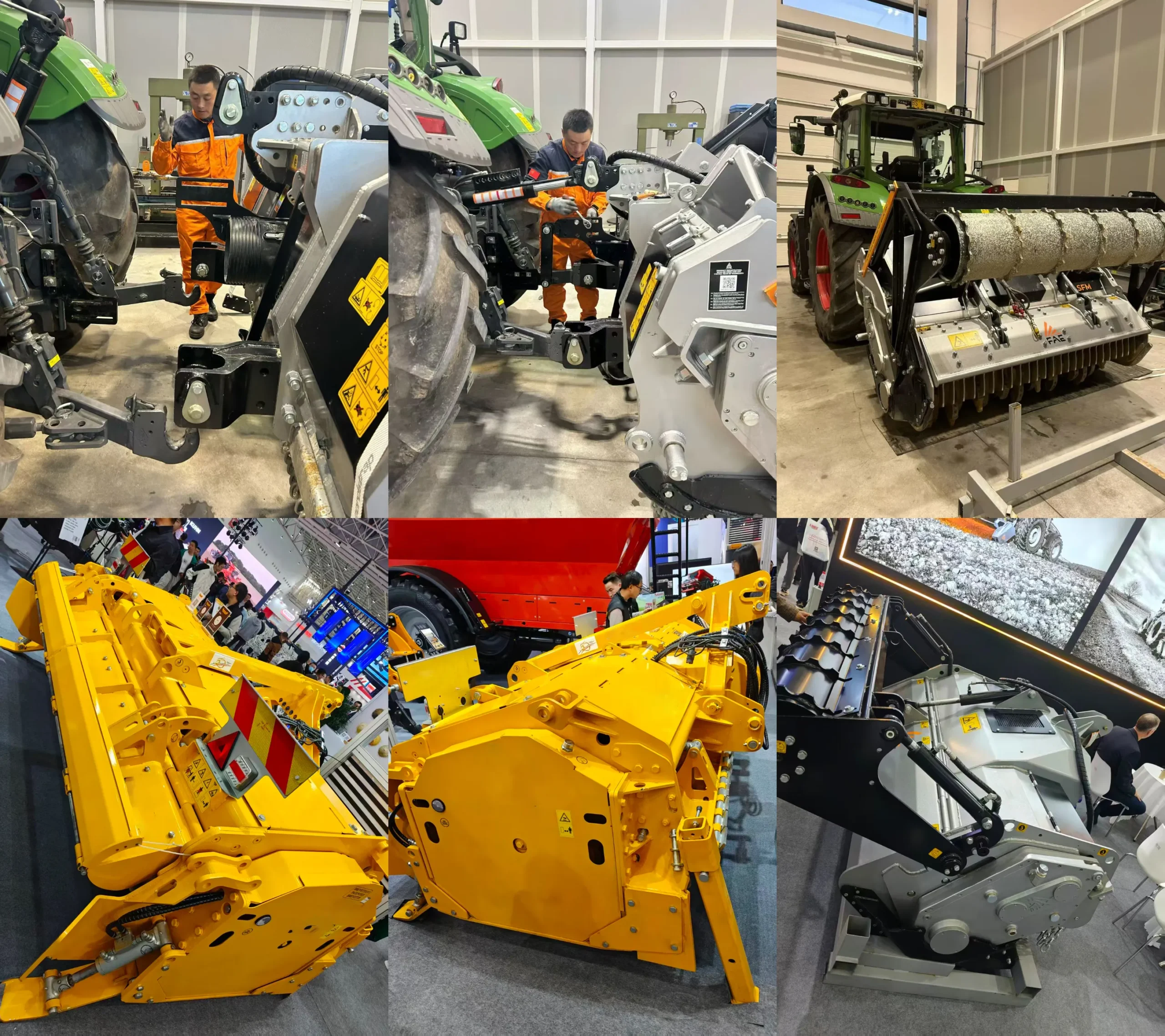
Hidravlik Davamlılıq: Təzyiq Düşmələri və Həddindən Artıq İstilik Problemlərinin Həlli
Hidravlika, rotor ötürücüsündən tutmuş sükan və dərinlik nəzarətinə qədər hər şeyi işlədən torpaq stabilizatorunun can damarıdır. Ən çox rast gəlinən hidravlik nasazlıq "lənglik" və ya idarəetmə girişlərinə yavaş reaksiya kimi özünü göstərir. Maşının dərinlik nəzarəti qeyri-sabit olduqda və ya sükan ağır hiss edildikdə, problemlərin aradan qaldırılmasında ilk addım hidravlik maye səviyyələrinin və filtrlərin vəziyyətini hərtərəfli yoxlamaqdır. Çirklənmə yüksək təzyiqli hidravlik sistemlərin bir nömrəli düşmənidir. Hətta toz və ya bağlayıcı tozun mikroskopik hissəcikləri belə piston nasoslarının daxili səthlərini zədələyə bilər və bu da həcm səmərəliliyinin itirilməsinə səbəb olur. Maye süd kimi görünürsə, bu, suyun çirklənməsini göstərir; yanmış qoxu gəlirsə, sistem həddindən artıq qızır. Həddindən artıq qızma tez-tez tıxanmış hidravlik soyuducu və ya mayeni məhdudlaşdırıcıdan keçirən, yağı durulaşdıran və yağlama xüsusiyyətlərini azaldan həddindən artıq istilik yaradan nasaz bypass klapanı səbəbindən baş verir.
Köhnə asfalt və ya bərk gil kimi yüksək fırlanma momenti əməliyyatları üçün hidravlik təzyiq sıçrayışları çox böyük ola bilər. Maşın qəfildən yük altında gücünü itirərsə, problemlərin aradan qaldırılması "yük sensoru" sisteminə yönəlməlidir. Müasir stabilizatorlar müqavimət artdıqda rotora axını prioritetləşdirən hidravlik idarəetmə blokuna malikdir. Bu blokda pilot xətlərindəki nasazlıq və ya ilişib qalmış solenoid klapan maşının pik fırlanma momentinə çatmasına mane olacaq və bu da onun çətin torpaq şəraitində dayanmasına səbəb olacaq. Bundan əlavə, rotor korpusuna gedən xarici hidravlik şlanqlar daim aşınmaya və titrəməyə məruz qalır. Bu xətlərdən birində sızma yalnız performans problemi deyil; bu, ciddi təhlükəsizlik təhlükəsi və yaxınlaşan fəlakətli partlayışın əlamətidir. Müxtəlif ərazilərə malik bölgələrdə hidravlikanın düzgün temperaturda və təzyiqdə işləməsini təmin etmək maşının uzunömürlülüyü üçün vacibdir. Bu, xüsusilə də maşın nəticədə ağır kənd təsərrüfatı avadanlıqlarını daşıyacaq yük yollarını sabitləşdirmək üçün istifadə edildikdə doğrudur. kartof yığımı, burada bazanın keyfiyyəti hər gün yüksək təmas təzyiqli təkərlər ilə sınaqdan keçirilir.
Nümunəvi Tədqiqat: Amazon Hövzəsindəki Magistral Layihəsində Problemlərin Həlli
Braziliyanın Amazon hövzəsindəki genişmiqyaslı yol layihəsində bir podratçı, mühərrikin tez-tez dayanması və qeyri-bərabər qarışdırma dərinliyi səbəbindən stabilizatorunun gündəlik məhsuldarlığının 30%-ni itirdiyi davamlı bir problemlə qarşılaşdı. Layihə, yüksək plastik qırmızı gilin 5% əhəng tərkibi ilə sabitləşdirilməsini əhatə edirdi. Yerində olan heyət tərəfindən ilkin problemlərin aradan qaldırılması mühərrikin yanacaq sisteminə yönəlmişdi, lakin filtrləri və enjektorları dəyişdirdikdən sonra problem qaldı. Texniki qrupumuz dərin diaqnostika aparmaq üçün çağırıldı. Məsələnin əslində iki gizli problemin sinerjisi olduğunu aşkar etdik: nasaz dərinlik sensoru və "aşınma həddinə" çatmış rotor dişlərinin ciddi şəkildə aşınması, rotorun sərt gilə kəsmək əvəzinə, "sıçramasına" səbəb oldu.
"Sıçrayan" rotor hidravlik sistemdə süni təzyiq sıçrayışları yaratdı və mühərrikin elektron idarəetmə bloku (ECU) bunu fəlakətli həddindən artıq yüklənmə kimi şərh etdi və təhlükəsizlik dərəcəsinin azalmasına və dayanmasına səbəb oldu. Bundan əlavə, nasaz dərinlik sensoru operatora 30 sm yanlış göstərici verirdi, halbuki rotor əslində yalnız 20 sm dərinliyə nüfuz edirdi və bu da struktur sıxılma testlərində uğursuzluğa səbəb oldu. Karbid dişlərini dəyişdirmək və səs dərinliyi sensorlarını yenidən kalibrləməklə maşının məhsuldarlığı dərhal bərpa edildi. Bu iş araşdırması torpaq stabilizatorunun problemlərini həll etməyin çox vaxt tək bir nasaz hissədən daha çox komponentlər arasındakı "qarşılıqlı əlaqəni" tapmaqdan ibarət olduğunu vurğulayır. Podratçı həmçinin başa düşdü ki, onlar yeraltı səthi böyük ağac və daşlardan daha effektiv şəkildə təmizləməli və bu da onları yüksək möhkəmlikli bir materialdan istifadə etməyə vadar etdi. qaya dırmığı hazırlıq mərhələsinə keçdi. Bu, stabilizatordakı zərbə yükünü azaltdı və yeni magistral yolun 120 km-lik hissəsində daha sabit qarışdırma sürətinə imkan verdi.
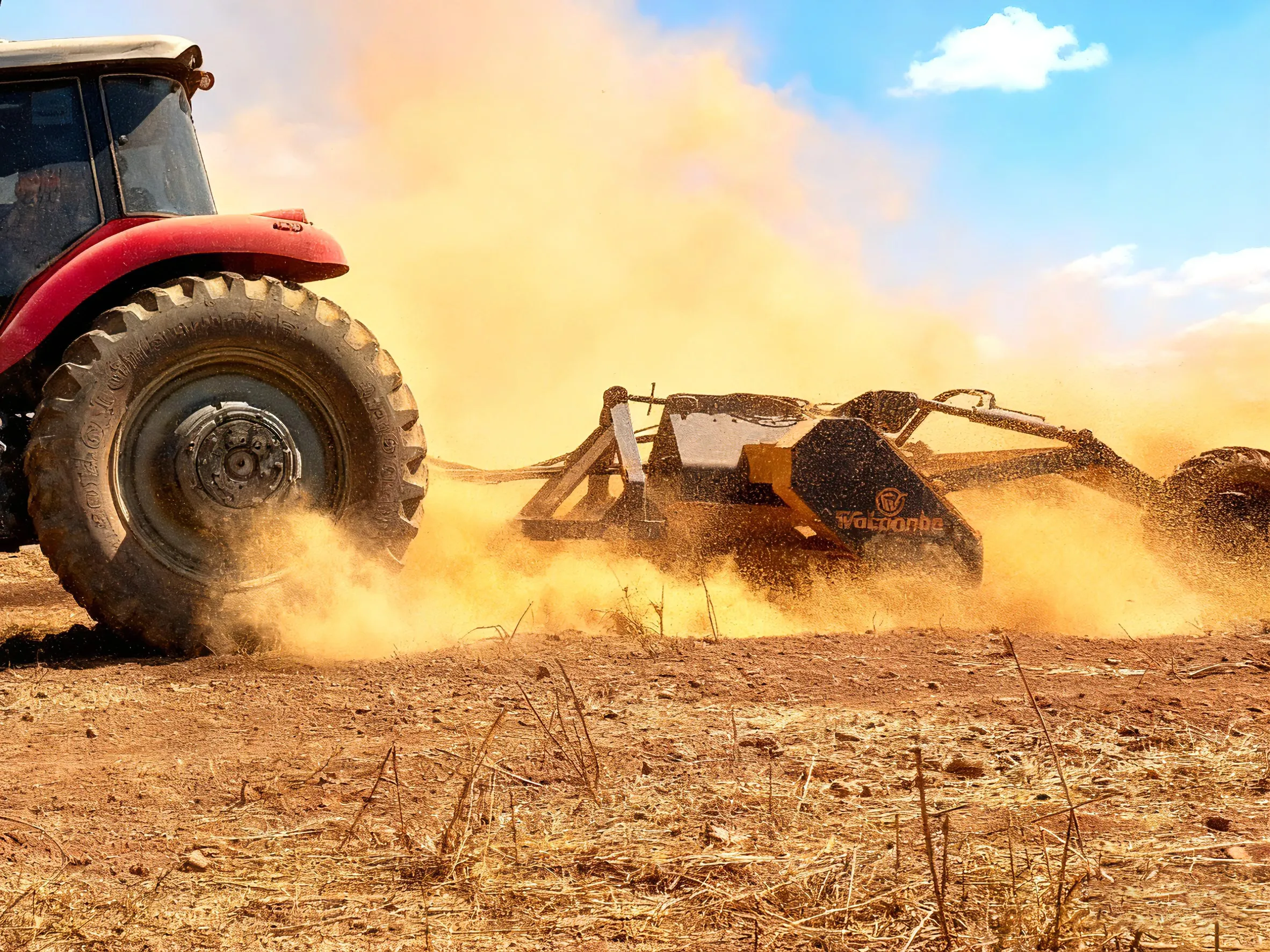
Problemlərin aradan qaldırılmasının ən yaxşı strategiyası kimi profilaktik texniki xidmət
Torpaq stabilizatorunda problemlərin aradan qaldırılmasının ən mürəkkəb yolu problemlərin ilk növbədə özünü göstərməsinin qarşısını almaqdır. Hərtərəfli profilaktik təmir (PM) cədvəli əməliyyat dayanıqlığının əsasını təşkil edir. Bit tutucularının, rotor qırıntılarının və bağlayıcı enjeksiyon püskürtmə çubuğunun gündəlik yoxlanılması müzakirə mövzusu olmamalıdır. Bit tutucuları üçün hətta kiçik bir aşınma belə tutucunun özünün aşınmasına səbəb ola bilər ki, bu da bahalı və vaxt aparan qaynaq təmiri tələb edir. Bitləri (dişləri) sapığa qədər aşınmadan dəyişdirməklə, rotorun "yırtma" təsirini qoruyub saxlayır və maşının yanacaq sərfiyyatını azaldır. Bundan əlavə, planetar dişli nasazlığının erkən xəbərdarlıq əlamətləri olan metal yonqarları axtarmaq üçün sürət qutusu yağı hər 500 saatdan bir nümunə götürülməlidir. Bu "mikrosimptomları" görməməzlikdən gəlmək, bütün tikinti layihələrini dayandıran fəlakətli "makro-nasazlıqlara" gətirib çıxarır.
Rəqəmsal dövrdə problemlərin aradan qaldırılması getdikcə məlumatlara əsaslanır. Müasir stabilizatorlar yanacaq axınından tutmuş hidravlik təzyiq düşmələrinə qədər hər şeyi real vaxt rejimində izləyən telematika sistemləri ilə təchiz olunmuşdur. Operatorlar və donanma menecerləri tendensiyaları müəyyən etmək üçün bu panellərdən istifadə etməlidirlər. Məsələn, rotor ötürücü qutusunun orta işləmə temperaturunun bir həftə ərzində sabit artması, onun tutulmasından çox əvvəl nasazlıq göstərə bilər. Bundan əlavə, şaxələndirilmiş torpaq idarəçiliyi kontekstində torpağın kənd təsərrüfatı texnikası üçün düzgün hazırlanmasını təmin etmək uzunmüddətli problemlərin aradan qaldırılması məqsədidir. Sabitləşdirilmiş ferma yolu sıradan çıxarsa, yüksək dəyərli bir yola zərər verə bilər. kartof yığımı və ya səmərəsiz məhsul yığımına səbəb ola bilər. Stabilizatordan düzgün istifadə etməklə və dərinlik uyğunsuzluğunun ilk əlamətində onu aradan qaldırmaqla, kənd təsərrüfatı infrastrukturunun əsas magistral yol qədər möhkəm olmasını təmin edirsiniz. Profilaktik təmir qısamüddətli maşın etibarlılığı ilə onun dəyişdirdiyi torpağın uzunmüddətli struktur uğuru arasında körpüdür.
Ümumi Məsələlərin və Tez Yoxlamaların Xülasəsi
Xülasə, torpaq stabilizatoru ilə bağlı ən çox yayılmış problemlər mexaniki vibrasiya, kimyəvi inyeksiya nasazlığı və hidravlik səmərəsizlik kimi təsnif edilə bilər. Mexaniki vibrasiya üçün rotor dişlərini və barabanın balanssızlığını yoxlayın. İnyeksiya problemləri üçün burunların təmizliyini və yer sürəti sensorunun dəqiqliyini yoxlayın. Hidravlik problemlər üçün mayenin təmizliyinə və soyutma səmərəliliyinə üstünlük verin. Maşın gücsüz hiss edirsə, həmişə "yük sensoru" klapanlarını və planetar ötürücü qutularının sağlamlığını yoxlayın. Sərt, qayalı torpaqda maşını həddini aşmağa məcbur etməyin; bunun əvəzinə, bir istifadə etməyi düşünün daş qırıcı materialı əvvəlcədən emal etmək. Maşın idarəetməsinə bu sinergetik yanaşma peşəkar podratçıları həvəskarlardan fərqləndirir və hazır məhsulun - sabitləşdirilmiş yolun - zamanın və ağır nəqliyyatın sınağından keçməsini təmin edir.
Problemlərin həllinin son mərhələsi insan intuisiyasıdır. Təcrübəli operator joystik vasitəsilə maşının reaksiyasını "hiss edəcək" və mühərrikin işini "eşidəcək". Əgər maşın "düzgün hiss etmirsə", çox güman ki, elə deyil. Boş şlanqı və ya tıxanmış filtri on dəqiqə yoxlamaq üçün dayanmaq həmişə xəbərdarlıq işarələrini görməməzlikdən gəlib bir həftəlik təmirlə üzləşməkdən daha yaxşıdır. Brazil Agricultural Balers Co.,Ltd şirkətində biz maşınların texniki xidmətinə "Həddindən artıq Sahibkarlıq" mədəniyyətini müdafiə edirik. Operatorlara öz əsas diaqnostikalarını aparmaq səlahiyyəti verməklə və onlara gündəlik yoxlamalar üçün alətlər və vaxt verməklə, stabilizatorlarımızın Amazonun ucqar tikinti sahələrindən cənubun yüksək məhsuldar kartof təsərrüfatlarına qədər sahədə ən etibarlı olaraq qalmasını təmin edirik. Problemlərin aradan qaldırılması yalnız nasazlığı düzəltməklə bağlı deyil; bu, maşını və onun emal etdiyi torpağı mənimsəməklə bağlıdır.
Braziliya Kənd Təsərrüfatı Balyalayıcıları Şirkəti haqqında
Braziliya Kənd Təsərrüfatı Balyalayıcıları Şirkəti, MMC tikinti və kənd təsərrüfatı sektorları üçün ağır texnikaların aparıcı istehsalçısı və qlobal təchizatçısıdır. Braziliyanın sənaye mükəmməlliyinə dərin kök salmış şirkətimiz torpağın sabitləşdirilməsi, torpağın hazırlanması və yüksək səmərəli məhsul yığımı üçün innovativ həllər təqdim etməkdə ixtisaslaşıb. Avadanlıqlarımız davamlılığa, dəqiqliyə və müştəri uğuruna diqqət yetirərək dünyanın ən çətin ərazilərini fəth etmək üçün hazırlanmışdır.
Hərtərəfli məhsul çeşidimizə aşağıdakılar daxildir:
- Torpaq Stabilizator Maşınları
- Daş qırıcılar
- Qaya Dırmıqları və Qaya Toplayıcıları
- Rotavatorlar və Dönər Kultivatorlar
- Kartof əkənlər və kartof əkənlər
- Kartof Qazıcılar və Kartof Yığımçıları
- Gübrələr və Kompost Anbar Həlləri
Brazil Agricultural Balers Co.,Ltd şirkətində biz irəliləyiş üçün təməllər qururuq. İstər magistral yolun təməlini möhkəmləndirin, istərsə də təsərrüfatınızın məhsulunu optimallaşdırın, biz mexaniki və struktur mükəmməlliyində sizin tərəfdaşınızıq.