في مجال الهندسة المدنية والإنشاءات، يُعدّ تجهيز أساسات المباني عنصرًا أساسيًا يُحدد متانة وسلامة المنشآت. وتلعب مُثبّتات التربة، وهي آلات متخصصة مُصممة لتحسين خصائص التربة من خلال الخلط الميكانيكي والإضافات الكيميائية، دورًا محوريًا في هذه العملية. وبصفتنا خبراء في حلول تثبيت التربة في البرازيل لدى شركة "برازيل واتانابي" لآلات تثبيت التربة المحدودة، نُدرك الإمكانات التحويلية لهذه الآلات في معالجة تباين التربة، لا سيما في المناطق ذات الظروف الجيوتقنية الصعبة. تتناول هذه المقالة تطبيق مُثبّتات التربة في تجهيز الأساسات، مُوضّحةً آلياتها وفوائدها واعتباراتها العملية. مع التركيز على سياقات برازيلية مُتنوعة - من التطورات الحضرية الواسعة في ساو باولو إلى المناطق النائية في حوض الأمازون - تُسهّل مُثبّتات التربة إنشاء قواعد مستقرة تُخفف من مخاطر مثل الهبوط والتآكل والضعف الزلزالي. ومن خلال دمج هذه الأدوات، يُمكن للمهندسين تحقيق أساسات أكثر مرونة، مما يُساهم في ممارسات البناء المُستدامة في جميع أنحاء البرازيل ذات المناظر الطبيعية المُتنوعة.
أساسيات تثبيت التربة في البناء
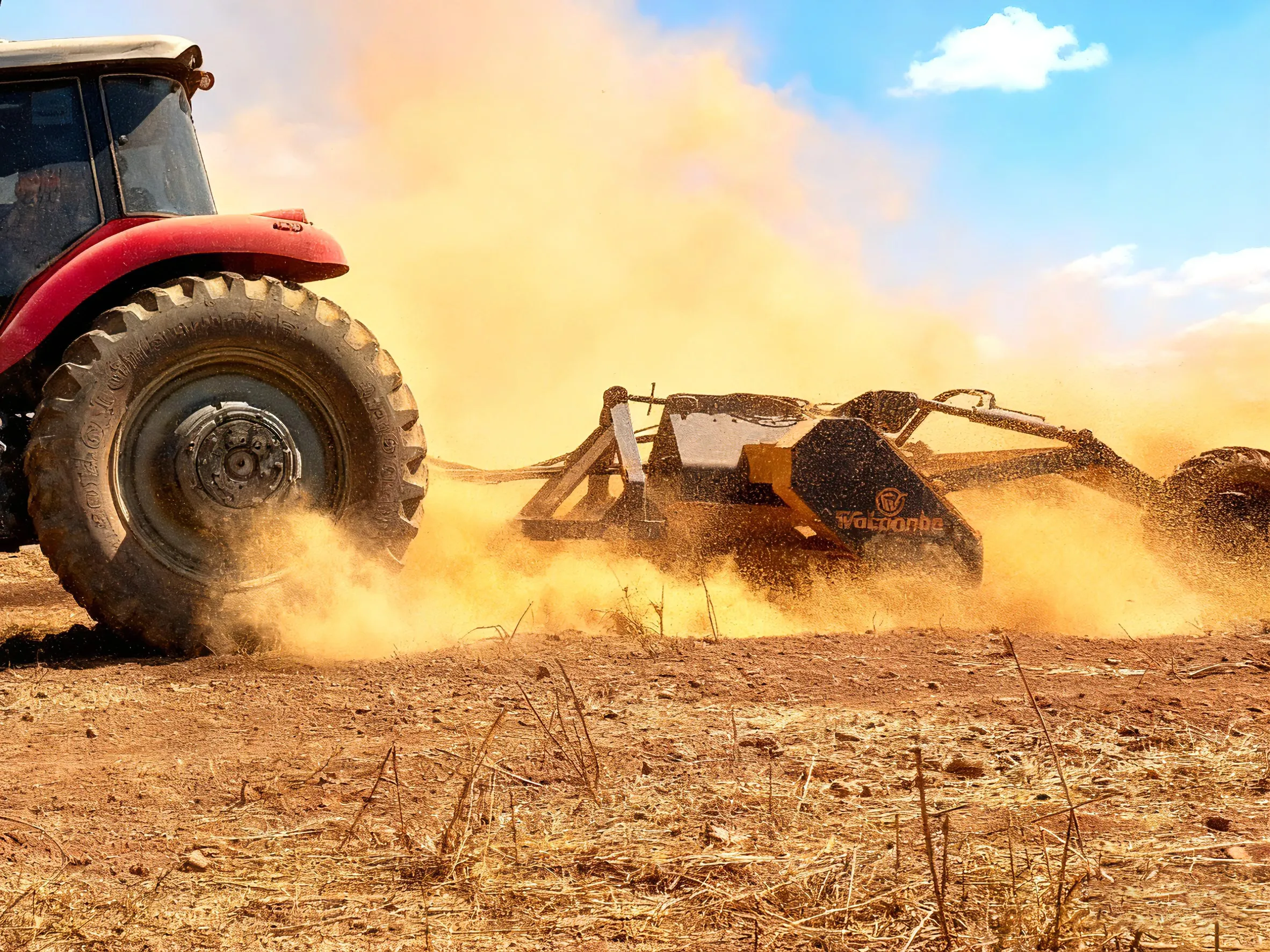
يشمل تثبيت التربة مجموعة من التقنيات التي تهدف إلى تحسين الخصائص الهندسية للتربة، بما في ذلك قوتها ومتانتها ومقاومتها للعوامل البيئية. في تجهيز الأساسات، يتمثل الهدف في تحويل التربة التحتية الضعيفة أو غير المستقرة إلى منصة موثوقة قادرة على تحمل الأحمال الإنشائية دون تشوه مفرط. غالبًا ما تكون الطرق التقليدية، مثل الحفر العميق واستبدال التربة بتربة مستوردة، مكلفة ومُضرّة بالبيئة. في المقابل، مثبتات التربة يقدم هذا النهج نهجًا في الموقع، حيث تتم معالجة التربة الموجودة مباشرة في الموقع، مما يقلل من نقل المواد والنفايات.
تتضمن هذه العملية عادةً استخدام خلاطات دوارة أو آلات استصلاح تُدمج فيها مواد مُثبِّتة - مثل الجير أو الأسمنت أو الرماد المتطاير أو البوليمرات - في بنية التربة. تُحفِّز هذه المواد تفاعلات كيميائية تربط جزيئات التربة، مما يُقلِّل من لدونتها ويزيد من مقاومتها للقص. يُعدّ هذا الأمر بالغ الأهمية بالنسبة للمباني، لا سيما في المناطق المُعرَّضة للهبوط التفاضلي، حيث يُمكن أن يؤدي انضغاط التربة غير المتساوي إلى تشققات في الجدران أو الأرضيات. في مشاريع البناء البرازيلية، تُعالج مُثبِّتات التربة مشاكل شائعة مثل الانضغاطية العالية للتربة الاستوائية، والتي تتأثر بالأمطار الغزيرة ومحتواها العضوي.
لنأخذ التنوع الجيوتقني في البرازيل كمثال: تتطلب التربة اللاتوسولية الحمراء في منطقة سيرادو، والتي تتميز بحموضتها وانخفاض خصوبتها، تثبيتًا قائمًا على الجير لمعادلة درجة الحموضة وتعزيز التماسك. وبالمثل، في المناطق الساحلية القريبة من ريو دي جانيرو، حيث تسود التربة الرملية، تساعد المواد الأسمنتية في تكوين قشرة صلبة تقاوم تسرب المياه. وباستخدام مثبتات التربة، يصبح تحضير الأساسات أكثر مرونة، مما يسمح بمعالجات مصممة خصيصًا لتتوافق مع خصائص التربة المحلية والظروف المناخية. وهذا لا يُسرّع وتيرة البناء فحسب، بل يُقلل أيضًا من الأثر البيئي من خلال الحفاظ على موارد التربة الطبيعية.
دور مثبتات التربة في تعزيز استقرار الأساسات
تساهم مثبتات التربة بشكل مباشر في استقرار الأساسات من خلال إنشاء طبقة متجانسة حاملة للأحمال أسفل هياكل المباني. في مرحلة تجهيز الأساسات، تعمل التربة المثبتة كطبقة أساسية فرعية، موزعةً الأحمال بالتساوي ومانعةً حدوث انهيارات موضعية. بالنسبة للأساسات الضحلة، مثل الأساسات الشريطية أو البلاطات الخرسانية، الشائعة في المباني السكنية والتجارية، يضمن التثبيت قدرة التربة على تحمل الضغوط المفروضة دون هبوط ملحوظ. في المشاريع السكنية الشاهقة في المراكز الحضرية مثل برازيليا، حيث تُمارس المباني متعددة الطوابق أحمالاً كبيرة، تُخفف المثبتات من المخاطر المرتبطة بالطين المتمدد الذي يتمدد وينكمش مع تغيرات الرطوبة.
يخترق الدوران الميكانيكي للمثبت التربة إلى أعماق تتراوح بين 200 و600 مليمتر، وذلك بحسب طراز الآلة ومتطلبات المشروع. يُعد هذا العمق بالغ الأهمية للمباني المقامة على أراضٍ رخوة، إذ يسمح بمعالجة الطبقات السفلية التي قد تُضعف استقرارها. في المناطق المعرضة للزلازل جنوب شرق البرازيل، مثل أجزاء من ولاية ميناس جيرايس، يُحسّن تثبيت التربة معامل القص الديناميكي، مما يُعزز مقاومتها للتسييل الناتج عن الزلازل. غالبًا ما يجمع المهندسون بين التثبيت والدراسات الجيوتقنية، باستخدام اختبارات تحميل الصفائح للتحقق من قدرة تحمل التربة المعالجة، ويهدفون عادةً إلى تحقيق قيم تتجاوز 150 كيلو باسكال لأساسات المباني القياسية.
علاوة على ذلك، تُسهّل مُثبّتات التربة دمج الممارسات المستدامة في تصميم الأساسات. فمن خلال إعادة تدوير المواد الموجودة في الموقع، تُقلّل هذه المُثبّتات من الحاجة إلى الركام المستخرج من المحاجر، وهو أمرٌ مُفيد في المناطق الحساسة بيئيًا مثل أراضي بانتانال الرطبة. ويتماشى هذا النهج مع السياسات الوطنية البرازيلية بشأن البناء المُستدام، حيث يُشجّع على استخدام الموارد المحلية مع تقليل انبعاثات الكربون الناتجة عن النقل. عمليًا، تُتيح مُثبّتات التربة إعداد أساسات لمجموعة واسعة من المباني، بدءًا من المساكن المُيسّرة في الأحياء الفقيرة في ريو دي جانيرو وصولًا إلى المنشآت الصناعية في الحزام الصناعي لساو باولو، مما يضمن استناد كل مبنى على قاعدة متينة.
أنواع مثبتات التربة المناسبة لأعمال الأساسات
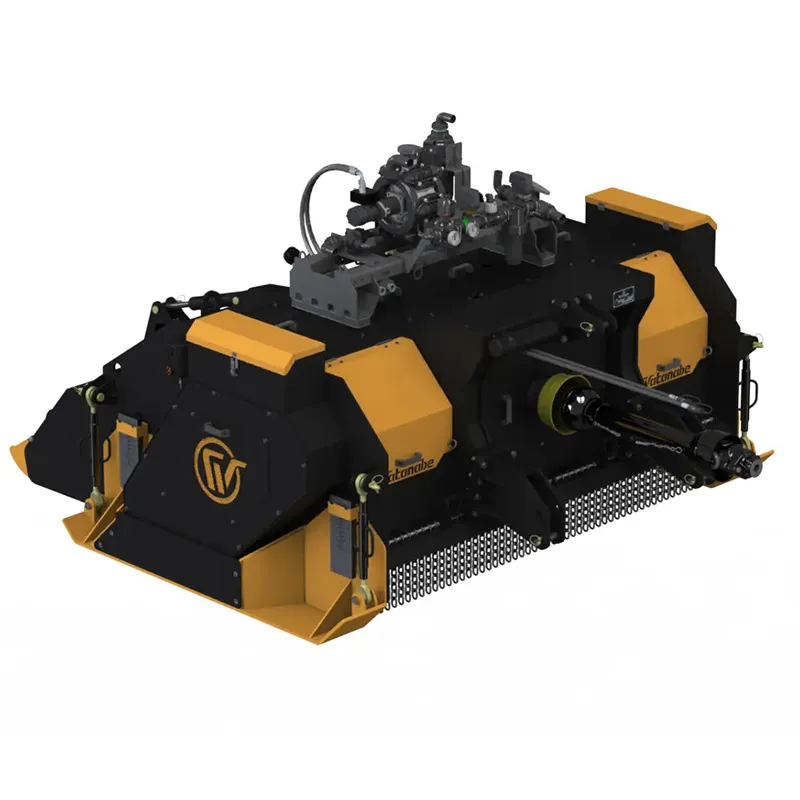
يُعدّ اختيار نوع مُثبّت التربة المناسب أمرًا بالغ الأهمية لإعداد الأساسات بكفاءة، حيث تُلبّي النماذج المختلفة احتياجات المشاريع ذات الأحجام المتفاوتة وظروف التربة المختلفة. تُعتبر مُثبّتات التربة المُثبّتة على الجرارات، بصغر حجمها وسهولة مناورتها، مثاليةً لمواقع البناء الصغيرة، مثل المشاريع السكنية في ضواحي كوريتيبا. تسمح هذه الوحدات، بعرض دوّار يتراوح بين 1.5 و2 متر، بخلط دقيق في المساحات الضيقة، مع إضافة مواد مُضافة بنسب تتراوح بين 5 و151 طنًا لكل طن من وزن التربة لتحقيق التماسك المطلوب.
تُناسب المثبتات ذاتية الدفع، المزودة بمحركات قوية وأنظمة تحكم متطورة، مشاريع الأساسات الكبيرة، مثل تلك الخاصة بالمجمعات التجارية في بورتو أليغري. وتضمن الطرازات المزودة بأنظمة توجيه GPS توزيعًا متساويًا للعمق، وهو أمر بالغ الأهمية لأساسات اللوح الممتدة على مساحات واسعة. وفي التضاريس الوعرة في البرازيل، مثل المناظر الطبيعية الجبلية في إسبيريتو سانتو، توفر الطرازات ذات الدفع الرباعي قوة الجر اللازمة للتنقل على الأراضي غير المستوية دون التأثير على كفاءة الخلط.
تُمثل المثبتات الهجينة، التي تجمع بين القدرات الميكانيكية والكيميائية، خيارًا متطورًا للأساسات المعقدة. تستطيع هذه الآلات التعامل مع إضافات متنوعة، بدءًا من الأسمنت التقليدي في منطقة كاتينغا الجافة، وصولًا إلى الإنزيمات الصديقة للبيئة في المناطق الغنية بالتنوع البيولوجي في غابات الأطلسي. في تحضير الأساسات العميقة، حيث تُستخدم الركائز أو الصناديق الغاطسة، تُهيئ المثبتات التربة المحيطة لمنع الحركات الجانبية، مما يُعزز السلامة الهيكلية العامة. تُقدم شركة واتانابي البرازيلية لآلات تثبيت التربة المحدودة مجموعة من هذه الأنواع، المصممة لتلبية المعايير البرازيلية للمتانة والأداء في المناخات الاستوائية.
خطوات استخدام مثبتات التربة في تحضير الأساسات
يتبع تطبيق مثبتات التربة في تجهيز الأساسات عملية منهجية لضمان أفضل النتائج. في البداية، يتم إجراء دراسة شاملة للموقع، تشمل حفر التربة واختبارات معملية لتحديد خصائص مثل حدود أتربيرغ ونسبة تحمل كاليفورنيا (CBR). في المشاريع البرازيلية، تتضمن هذه الخطوة بيانات من مسوحات جيولوجية إقليمية، مثل تلك التي يقدمها المركز البرازيلي للأبحاث الجيولوجية (CPRM)، لتحديد المشكلات مثل ارتفاع منسوب المياه الجوفية في منطقة الأمازون.
بعد ذلك، جهّز الموقع بإزالة الغطاء النباتي وتسوية الأرض. بالنسبة للمباني الواقعة في مناطق معرضة للفيضانات مثل حوض نهر بارانا، قم بتركيب نظام تصريف مؤقت للتحكم في الرطوبة. ضع مُثبِّت التربة واضبط أنظمته على العمق المحدد وجرعة المادة المضافة. ابدأ الخلط بتحريك الآلة بسرعة مضبوطة - عادةً من 2 إلى 4 كم/ساعة - مع توزيع المواد بشكل متجانس. في المواقع الحضرية في ساو باولو، قد يتطلب الأمر عدة تمريرات لتحقيق التجانس في التربة الطبقية.
بعد الخلط، يُترك المزيج ليجفّ قليلاً، وتختلف مدة التصلب حسب المادة المستخدمة: قد يحتاج الجير إلى 24-48 ساعة، بينما يتصلب الإسمنت بشكل أسرع. تُضغط التربة المعالجة باستخدام مدحلات اهتزازية حتى تصل كثافتها إلى 95-100% وفقًا لاختبار بروكتور المُعدّل، والذي يتم التحقق منه من خلال اختبار الكثافة النووية. في المشاريع الساحلية القريبة من سلفادور، تُضاف مواد عازلة للماء لمقاومة تأثيرات الملوحة. أخيرًا، تُحفر الأساسات أو يُصبّ الخرسانة مباشرةً على الطبقة المُثبّتة، مع التأكد من تماسك الأسطح جيدًا. هذه العملية، عند تنفيذها بدقة، تُنتج أساسات قادرة على تحمّل الظروف المناخية القاسية في البرازيل، من الجفاف في الشمال الشرقي إلى الرياح الموسمية في الجنوب.
فوائد مثبتات التربة في أساسات المباني
يُحقق استخدام مُثبّتات التربة في تجهيز الأساسات فوائد جمّة، تشمل مزايا اقتصادية وبيئية وهيكلية. فعلى الصعيد الاقتصادي، يُقلل التثبيت في الموقع التكاليف بما يصل إلى 401 طن/طن مقارنةً باستبدال التربة، إذ يُلغي تكلفة نقل المواد. وفي ظلّ طفرة البنية التحتية في البرازيل، يُعدّ هذا الأمر بالغ الأهمية لمشاريع الإسكان العام في بيلو هوريزونتي، حيث تُعدّ القيود المفروضة على الميزانية شائعة.
من الناحية الهيكلية، تُظهر الأساسات المُثبَّتة توزيعًا مُحسَّنًا للأحمال، مما يُقلِّل من الهبوط التفاضلي الذي قد يؤثر على محاذاة المباني. في المناطق الزلزالية في وسط غرب البلاد، يُترجم هذا إلى تحسين المرونة، حيث تُظهر التربة المُعالجة مقاومة قص أعلى تصل إلى 50%. بيئيًا، تُحافظ هذه الطريقة على الموارد من خلال إعادة استخدام التربة الموجودة، بما يتماشى مع التزامات البرازيل بموجب السياسة البيئية الوطنية. في المناطق الحساسة بيئيًا مثل غابة ماتا أتلانتيكا، تُحدِّد المُثبِّتات من تدمير الموائل، مما يُعزِّز الحفاظ على التنوع البيولوجي.
بالإضافة إلى ذلك، تُسرّع هذه العملية جداول البناء، مما يسمح بتجهيز الأساسات في غضون أيام بدلاً من أسابيع. وبالنسبة للمشاريع العمرانية عالية الكثافة في ريو دي جانيرو، تدعم هذه الكفاءة التوسع الرأسي السريع. كما أن المتانة طويلة الأمد تُقلل من الحاجة إلى الصيانة، مما يُطيل عمر المباني في البيئات المُسببة للتآكل مثل المناطق الساحلية الشمالية الشرقية.
تطبيقات واعتبارات خاصة بالبرازيل
يتطلب التنوع الجيولوجي في البرازيل استخدام مواد تثبيت التربة بشكل مُخصّص في تجهيز الأساسات. ففي حوض الأمازون، حيث تسود التربة الغنية بالمواد العضوية، تعمل مواد التثبيت المُضاف إليها الجير على معادلة الحموضة، مما يُهيئ قواعد مستقرة للنُزُل البيئية ومحطات الأبحاث. كما تتطلب التوسعات الحضرية في ساو باولو استخدام مواد تثبيت لمعالجة الطين المتمدد، مما يمنع انتفاخ أساسات ناطحات السحاب.
في سهول سيرادو، تُعيد عملية تثبيت الرماد المتطاير تدوير المنتجات الثانوية الصناعية من محطات توليد الطاقة القريبة، مما يُعزز استدامة مستودعات الأعمال الزراعية. وتستفيد المدن الساحلية مثل فورتاليزا من خلطات البيتومين التي تُعزل الأساسات ضد تأثيرات المد والجزر. وتُوجّه الأطر التنظيمية، بما في ذلك معايير ABNT وموافقات IBAMA، هذه التطبيقات، مما يضمن الامتثال في الأراضي الأصلية لسكان رورايما الأصليين.
تتطلب تحديات مثل الرطوبة العالية استخدام مواد مقاومة للرطوبة، بينما تستلزم المواقع النائية في ولاية أكري استخدام مثبتات محمولة. ويساهم التكامل مع الممارسات الهندسية البرازيلية، مثل تلك التي تتبعها الجمعية البرازيلية لميكانيكا التربة، في تحسين النتائج.
دراسات حالة: تطبيقات ناجحة في البرازيل
ومن الأمثلة البارزة على ذلك تجهيز أساسات مجمع سكني في ماناوس، حيث عالجت مواد تثبيت التربة التربة الخثية، مما حقق نسبة تحمل كاليفورنيا (CBR) تزيد عن 20%، ومكّن من البناء على أرض كانت غير صالحة للبناء سابقًا. وفي الحي المالي بساو باولو، دعمت عملية التثبيت برجًا من 50 طابقًا، مما قلل الهبوط إلى أقل من 25 ملم على مدى خمس سنوات.
في سهول ريو غراندي دو سول الفيضية، قام المختصون بتجهيز أساسات الجسور والمباني، مستخدمين مواد جيوسينثيتيكية لتعزيزها. توضح هذه الأمثلة مدى تنوع هذه التقنية وفعاليتها في السياق البرازيلي.
التحديات والحلول في استخدام مثبتات التربة
على الرغم من المزايا، تشمل التحديات عدم اتساق استجابة التربة ومحدودية المعدات. تتطلب الرطوبة المتغيرة في منطقة بانتانال جرعات تكيفية؛ وتتضمن الحلول استخدام أجهزة استشعار تعمل في الوقت الفعلي. يتطلب التحكم في الغبار في مناطق باهيا الجافة أنظمة قمع.
يُسهم تدريب المشغلين في سدّ فجوات المهارات، بينما تضمن الشهادات الدقة. ويتم التخفيف من عوائق التكلفة للمشاريع الصغيرة من خلال خيارات التأجير.
الاتجاهات المستقبلية في تثبيت التربة للأساسات
تشمل الاتجاهات الناشئة استخدام مثبتات حيوية لأساسات صديقة للبيئة في منطقة الأمازون. كما يُبشر دمج الأتمتة والذكاء الاصطناعي بدقة عالية في مشاريع البناء الحضرية في ريو دي جانيرو. وتُسهم الأبحاث التي تُجريها الجامعات البرازيلية في تطوير إضافات المواد النانوية لتعزيز قوة البناء.
تحسين أساسات المباني باستخدام مثبتات التربة
تُعدّ مُثبّتات التربة عنصرًا أساسيًا في تجهيز الأساسات، إذ تُقدّم حلولًا فعّالة لضمان استقرار المباني في مختلف أنحاء البرازيل. ومن خلال تبنّي هذه التقنيات، يُمكن لمتخصصي البناء إنشاء هياكل متينة ومستدامة. وبصفتها شركة رائدة في هذا المجال، تُشجّع شركة "برازيل واتانابي" لآلات تثبيت التربة المحدودة على استخدامها على نطاق واسع لرفع مستوى المعايير الهندسية.