فهم دور آلات تثبيت التربة
يُعدّ فهم الوظيفة الأساسية لآلة تثبيت التربة أمرًا بالغ الأهمية قبل الخوض في استراتيجيات الصيانة. تتضمن هذه الآلات، التي غالبًا ما تُركّب على الجرارات أو الوحدات ذاتية الدفع، خلاطات دوارة وخزانات مياه وأنظمة توزيع لخلط المواد المضافة بشكل متجانس في التربة. في البرازيل، حيث تشهد مشاريع البنية التحتية ازدهارًا كبيرًا مدفوعًا بمبادرات مثل برنامج تسريع النمو (PAC)،مثبتات التربة تُعدّ هذه الآلات ضرورية لتثبيت التربة الطينية المتمددة في شمال شرق البرازيل أو الأراضي الرملية في جنوب شرقها. وتضمن الصيانة الدورية قدرتها على العمل بكفاءة في المناخات الاستوائية الرطبة في ريو دي جانيرو أو في الظروف الجافة في برازيليا دون أن تتعرض للتلف. ويمكن أن يؤدي إهمال الصيانة إلى توقفات مكلفة، وانخفاض الإنتاجية، بل وحتى مخاطر على السلامة في مواقع البناء في مختلف الولايات البرازيلية.
فوائد الصيانة الدورية
لا تقتصر فوائد الصيانة الدورية على مجرد تحسين الأداء. فمن الناحية الاقتصادية، تُسهم آلات تثبيت التربة التي تتم صيانتها بشكل جيد في خفض تكاليف التشغيل عن طريق تقليل استهلاك الوقود ونفقات الإصلاح. وفي سوق الإنشاءات التنافسي في البرازيل، حيث تتطلب المشاريع في مدن مثل بيلو هوريزونتي الدقة والكفاءة، يمكن للآلة التي تعمل بأقصى كفاءة أن تُقلل بشكل ملحوظ من مدة المشاريع. أما من الناحية البيئية، فتمنع الصيانة السليمة تسرب السوائل الهيدروليكية أو الوقود، مما قد يُلوث النظم البيئية الحساسة مثل أراضي بانتانال الرطبة. علاوة على ذلك، يتوافق الالتزام ببروتوكولات الصيانة مع المعايير التنظيمية البرازيلية، بما في ذلك تلك التي وضعتها الجمعية البرازيلية للمعايير الفنية (ABNT)، مما يضمن الامتثال وتجنب الغرامات. في شركة برازيل واتانابي لآلات تثبيت التربة المحدودة، ندعو إلى اتباع نهج شامل للصيانة يدمج الفحوصات اليومية مع التخطيط طويل الأجل، كما هو مُفصّل في كتيبات منتجاتنا المتوفرة على الرابط https://soilstabilizermachine.com/.
إجراءات الصيانة اليومية
تعتبر إجراءات الصيانة اليومية أساسًا لطول عمر المعدات، وينبغي دمجها في سير العمل اليومي لأي مشغل في قطاعات البناء المزدحمة في البرازيل.
الفحص البصري
ابدأ بفحص بصري دقيق قبل كل استخدام. افحص الهيكل الخارجي للجهاز بحثًا عن أي علامات تلف، مثل الشقوق في الإطار أو الانبعاجات في أسطوانة الخلط، والتي قد تتفاقم بسبب وعورة التضاريس في المناطق الريفية في ماتو غروسو. تأكد من عدم وجود براغي أو خراطيم أو وصلات مفكوكة، حيث يمكن أن تؤدي الاهتزازات الناتجة عن التشغيل إلى ارتخائها مع مرور الوقت. في البيئات الرطبة مثل تلك الموجودة في ماناوس، انتبه جيدًا لتكوّن الصدأ على المكونات المعدنية؛ إذ يمكن أن يمنع وضع طبقة واقية التآكل.
فحص النظام الهيدروليكي
بعد ذلك، ركّز على النظام الهيدروليكي، وهو عنصر أساسي في آلات تثبيت التربة. يجب أن تشمل الفحوصات اليومية التحقق من مستويات السوائل وفحص التسريبات. تُعدّ السوائل الهيدروليكية ضرورية لتشغيل دوارات الخلط وآليات الرفع، وقد يؤدي انخفاض مستوياتها إلى ارتفاع درجة الحرارة أو تعطل النظام. في البرازيل، حيث ترتفع درجات الحرارة في مناطق مثل فورتاليزا، يُعدّ ضمان تعبئة السائل الهيدروليكي بالنوع الموصى به - والذي غالبًا ما يكون مُحددًا في كتيباتنا على الرابط https://soilstabilizermachine.com/ - أمرًا بالغ الأهمية. كما يجب على المشغلين تنظيف المرشحات الهيدروليكية إذا بدت مسدودة، حيث يمكن أن يتراكم الغبار من التربة الحمراء البرازيلية بسرعة. يكفي مسح أسطح الآلة بمسحة بسيطة في نهاية اليوم لإزالة الحطام الذي قد يتسبب في التآكل.
ممارسات التشحيم
يُعدّ التشحيم ضرورة يومية أخرى. فجميع الأجزاء المتحركة، بما في ذلك المحامل والسلاسل والمحاور، تحتاج إلى تشحيم منتظم لتقليل الاحتكاك ومنع التآكل المبكر. بالنسبة لمثبتات التربة المستخدمة في بيئات عالية الغبار، مثل مواقع البناء في سلفادور، يُنصح باستخدام مُشحّم عالي الجودة ومقاوم للغبار. وتوصي شركة "برازيل واتانابي" لآلات تثبيت التربة المحدودة بجدولة التشحيم بناءً على ساعات التشغيل بدلاً من أيام التقويم، خاصةً للآلات المستخدمة في مشاريع مكثفة مثل توسيع الطرق السريعة في ولاية ميناس جيرايس. بالإضافة إلى ذلك، يجب فحص الإطارات أو الجنازير للتأكد من نفخها بشكل صحيح وتآكل مداسها؛ إذ يمكن أن يؤثر انخفاض ضغط الإطارات على الثبات على التضاريس البرازيلية غير المستوية، مما يؤدي إلى خلط غير فعال.
صيانة المحرك
تُعدّ صيانة المحرك جزءًا أساسيًا من الروتين اليومي. بالنسبة لمثبتات التربة التي تعمل بالديزل، يجب فحص مستويات الزيت وسائل التبريد وفلاتر الوقود. في ظلّ مناخ البرازيل المتقلب، قد ترتفع درجة حرارة المحركات بسرعة خلال فصل الصيف الحار في ريو غراندي دو سول، لذا يُعدّ التأكد من خلوّ المبرد من الشوائب أمرًا بالغ الأهمية. شغّل المحرك واستمع لأي أصوات غير معتادة، فقد تُشير إلى مشاكل مثل انزلاق الحزام أو مشاكل في نظام العادم. إنّ تدوين هذه الفحوصات اليومية لا يُساعد فقط في تتبّع الأنماط، بل يُساهم أيضًا في الامتثال لمعايير السلامة المهنية التي تُطبّقها وزارة العمل البرازيلية.
مهام الصيانة الأسبوعية
تعتمد الصيانة الأسبوعية على الفحوصات اليومية وتتيح إجراء عمليات تفتيش أعمق لمنع تفاقم المشكلات البسيطة.
تنظيف شامل
ابدأ بتنظيف شامل للجهاز. استخدم الماء المضغوط لإزالة الأوساخ المتراكمة والمواد المثبتة من حجرة الخلط والهيكل السفلي. في مناطق مثل سهول سيرادو، حيث يكثر الغبار الناعم، يمنع هذا تراكم الأوساخ التي قد تؤثر على توازن الجهاز وكفاءته. تجنب غسل المكونات الكهربائية بضغط عالٍ لمنع تسرب الماء، وهي مشكلة شائعة في مواسم الأمطار في منطقة الأمازون.
فحص أدوات القطع وأجزاء التآكل
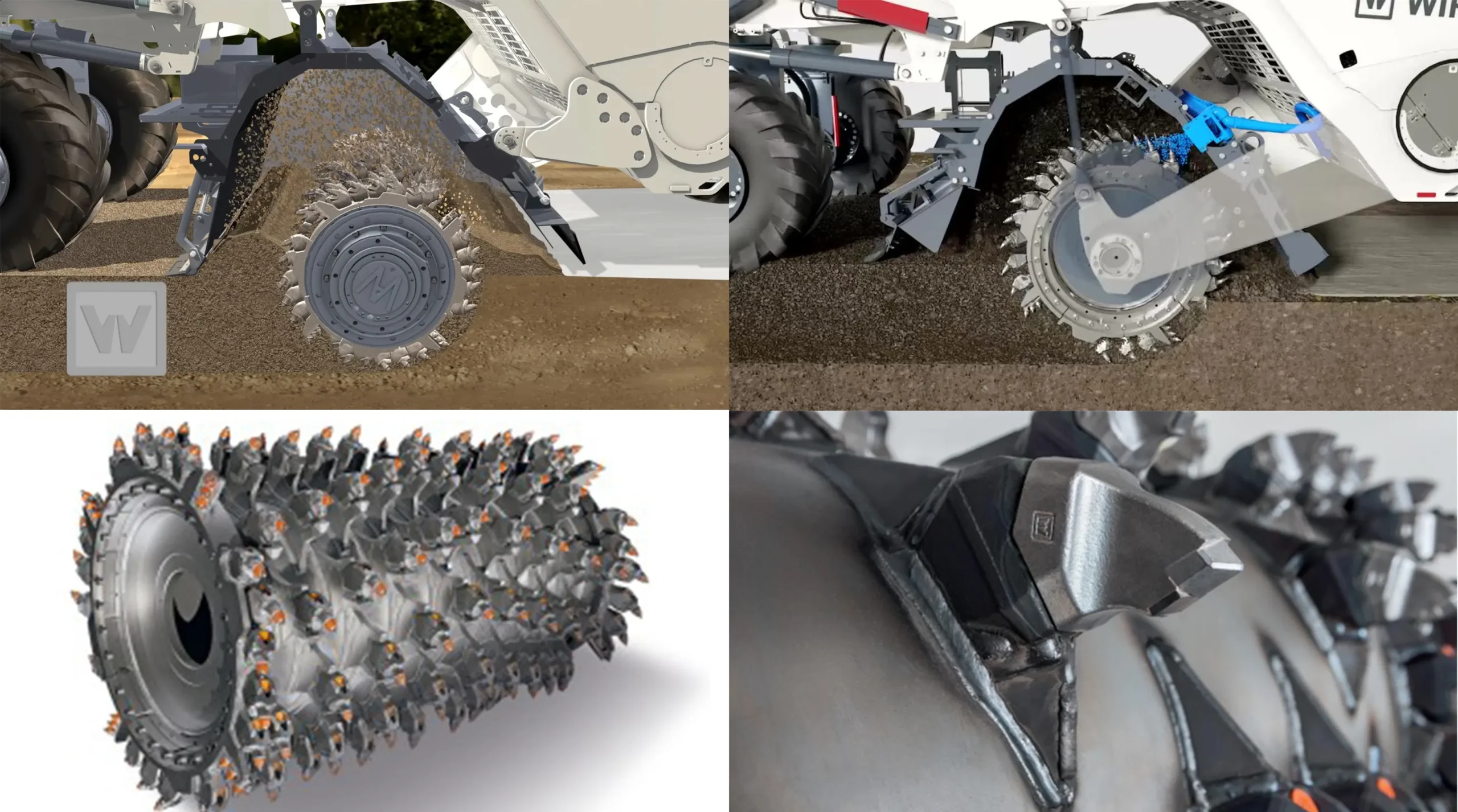
افحص أدوات القطع والأجزاء المستهلكة، مثل أسنان الدوار، أسبوعيًا. تتعرض هذه المكونات لضغط كبير أثناء خلط التربة، خاصةً مع التربة الكاشطة في بيرنامبوكو. استبدل أي أسنان متآكلة فورًا للحفاظ على تجانس الخلط؛ توفر شركتنا قطع غيار متينة على الرابط https://soilstabilizermachine.com/ مصممة خصيصًا لظروف التربة البرازيلية. قِس التآكل باستخدام الفرجار وقارنه بمواصفات الشركة المصنعة لتحديد القطع البديلة.
فحص النظام الكهربائي
تتطلب الأنظمة الكهربائية فحصًا أسبوعيًا. افحص البطاريات بحثًا عن التآكل، خاصةً في المناطق الساحلية مثل ريسيفي حيث يُسرّع هواء البحر المالح من تدهورها. اختبر الأضواء والمؤشرات ولوحات التحكم للتأكد من سلامة جميع وظائفها. في أجهزة تثبيت التربة الحديثة المزودة بنظام تحديد المواقع العالمي (GPS) لتطبيق دقيق في المشاريع واسعة النطاق في غوياس، تحقق من تحديثات البرامج وقم بمعايرة أجهزة الاستشعار. توفر شركة واتانابي البرازيلية لآلات تثبيت التربة أدوات تشخيصية تتكامل بسلاسة مع آلاتنا، مما يُسهّل هذه الفحوصات.
فحص واستبدال المرشحات
ينبغي فحص فلاتر الوقود والهواء واستبدالها عند الضرورة خلال الصيانة الأسبوعية. فالفلاتر المسدودة تقلل من كفاءة المحرك، مما يزيد من استهلاك الوقود، وهو أمر بالغ الأهمية في البرازيل حيث تؤثر تكاليف الوقود على ميزانيات المشاريع. أما بالنسبة للآلات التي تعمل في بيئات حضرية ملوثة مثل ساو باولو، فقد يتطلب الأمر تغيير الفلاتر بشكل متكرر نظرًا لارتفاع نسبة الجسيمات العالقة.
إجراءات الصيانة الشهرية
تساهم الصيانة الشهرية في رفع مستوى التركيز على التدابير الوقائية التي تمنع الأعطال الكبيرة، مما يضمن موثوقية طويلة الأمد.
فحص ناقل الحركة ونظام الدفع
يشمل ذلك فحصًا دقيقًا لناقل الحركة ونظام الدفع. قم بتشحيم علب التروس وتحقق من عدم وجود تسريبات للزيت، حيث أن هذه الأنظمة عرضة للمشاكل عند استخدامها بكثافة على الطرق السريعة البرازيلية قيد الإنشاء. اربط جميع البراغي الرئيسية بعزم الدوران المحدد لمنع الاهتزازات من إرخائها بمرور الوقت.
فحص الخراطيم والأسطوانات الهيدروليكية
ينبغي فحص الخراطيم والأسطوانات الهيدروليكية شهريًا للتأكد من خلوها من الشقوق أو الانتفاخات. في ظل الظروف الحارة والرطبة في بيليم، قد تتلف الخراطيم بسرعة أكبر نتيجة التعرض للأشعة فوق البنفسجية والحرارة، لذا يُنصح باستبدالها كل بضعة أشهر. اختبر ضغط النظام للتأكد من ثباته، وتجنب أي انخفاضات قد تشير إلى تآكل داخلي.
فحص نظام التبريد
يتطلب نظام التبريد فحصًا شهريًا. قم بتفريغ سائل التبريد وإعادة تعبئته عند الحاجة، ونظف زعانف المبرد. يُعد ارتفاع درجة حرارة المحرك مشكلة شائعة في المناطق الاستوائية بالبرازيل، ويمنع نظام التبريد المُصان جيدًا توقف المحرك عن العمل أثناء التشغيل لفترات طويلة في أماكن مثل كويابا.
فحوصات السلامة الهيكلية
تُعدّ فحوصات السلامة الهيكلية ضرورية شهريًا. استخدم طرق الاختبار غير المتلفة، إن وُجدت، لفحص اللحامات والإطارات بحثًا عن تشققات الإجهاد. في المناطق المعرضة للزلازل في البرازيل، وإن كان ذلك نادرًا، يُمكن النظر في إضافة تعزيزات بناءً على نصائحنا الهندسية على الرابط التالي: https://soilstabilizermachine.com/.
تعديلات الصيانة الموسمية
تتكيف الصيانة الموسمية مع مناخات البرازيل المتنوعة، من المواسم الرطبة في الشمال إلى الفترات الأكثر جفافاً في الجنوب، مما يضمن أداء الآلة على النحو الأمثل على مدار السنة.
الاستعدادات لموسم الأمطار
خلال موسم الأمطار في مناطق مثل فورتاليزا، ركّز على عزل الوصلات الكهربائية ضد الماء وتطبيق معالجات مضادة للتآكل على المعادن المكشوفة. خزّن الآلات تحت غطاء عند عدم استخدامها لمنع تراكم المياه في الخزانات، مما قد يؤدي إلى نمو البكتيريا في الوقود.
تعديلات موسم الجفاف
في المواسم الجافة، كما هو الحال في منطقة كاتينغا شبه القاحلة شمال شرق البلاد، ركّز على مكافحة الغبار. قم بتركيب فلاتر هواء إضافية ونظّف أنظمة السحب بشكل متكرر لمنع دخول الرمال. أما في فصل الشتاء في الولايات الجنوبية مثل بارانا، حيث تنخفض درجات الحرارة، فتأكد من مستويات مانع التجمد وتأكد من عمل السخانات لراحة المشغل.
التوافق مع الدورات الزراعية
يُعدّ التكيّف مع الدورات الزراعية في البرازيل أمرًا بالغ الأهمية. فخلال مواسم الحصاد في ماتو غروسو دو سول، قد يزداد استخدام مُثبّتات التربة في تجهيز الحقول، مما يستلزم إجراء عمليات صيانة شاملة قبل الموسم. ويشمل ذلك ضبط دوارات آلات الحصاد ومعايرة أنظمة توزيع المواد المضافة لضمان خلط مُثبّتات التربة، مثل الجير، المتوفر بكثرة في المحاجر البرازيلية.
استكشاف الأخطاء وإصلاحها في المشاكل الشائعة
غالباً ما تنشأ المشاكل الشائعة في آلات تثبيت التربة من إهمال الصيانة، ويتطلب حلها اتباع نهج منهجي لتقليل وقت التوقف.
معالجة مشكلة ارتفاع درجة الحرارة
على سبيل المثال، قد ينتج ارتفاع درجة الحرارة عن انسداد المشعات أو انخفاض مستوى سائل التبريد، وهو أمر شائع في صيف البرازيل الحار. لتحديد المشكلة، تحقق أولاً من مستويات السوائل، ثم افحص وجود أي انسدادات، وأخيراً اختبر منظم الحرارة.
معالجة مشاكل الاهتزاز
قد تشير مشاكل الاهتزاز إلى عدم توازن الدوارات أو تآكل المحامل. وهذا شائع في التضاريس الوعرة لمنطقة الأمازون؛ ويتطلب تحقيق التوازن إزالة الدوار واستخدام معدات متخصصة، أو استشارة فريق الصيانة لدينا على الرابط التالي: https://soilstabilizermachine.com/.
حل أعطال الأنظمة الهيدروليكية
غالباً ما تشير الأعطال الهيدروليكية، مثل بطء التشغيل، إلى تلوث السائل. لذا، يُنصح بتصفية السائل واستبداله، ثم تفريغ الهواء من النظام. وفي المناطق الساحلية بالبرازيل، يُسرّع التلوث الملحي من هذه المشكلة، مما يستدعي مراقبة أكثر دقة.
إصلاح الأعطال الكهربائية
قد تنجم الأعطال الكهربائية، مثل انقطاع التيار الكهربائي المتقطع، عن وصلات غير محكمة أو مرحلات معيبة. استخدم جهاز قياس متعدد لاختبار استمرارية الدائرة، خاصةً بعد التعرض للرطوبة في أماكن مثل سلفادور.
تحسين جودة الخلط
تشير جودة الخلط الرديئة إلى تآكل الأسنان أو خلل في معايرة النظام. افحص الأسنان واستبدلها، ثم أعد المعايرة باستخدام أدوات التحكم المدمجة. بالنسبة للتربة البرازيلية الغنية بأكاسيد الحديد، كما هو الحال في ميناس جيرايس، فإن استخدام أسنان مصنوعة من سبائك أكثر صلابة من كتالوجنا يعزز المتانة.
اعتبارات السلامة في الصيانة
تعتبر اعتبارات السلامة ذات أهمية قصوى في الصيانة لحماية المشغلين والامتثال للوائح.
إجراءات العزل والتحذير
اتبع دائمًا إجراءات العزل والتحذير عند العمل على الأنظمة الكهربائية لتجنب التشغيل العرضي. في البرازيل، يُعدّ الالتزام بمعايير السلامة NR-12 إلزاميًا، ويتطلب تركيب واقيات على الأجزاء المتحركة وأزرار إيقاف الطوارئ.
معدات الحماية الشخصية (PPE)
ينبغي على المشغلين ارتداء معدات الوقاية الشخصية المناسبة، بما في ذلك القفازات والخوذات وواقيات العين، خاصةً عند التعامل مع المواد الكيميائية في المثبتات. وتضمن برامج التدريب التي تقدمها شركة برازيل واتانابي لماكينات تثبيت التربة المحدودة، إتقان الموظفين لممارسات الصيانة الآمنة.
السلامة البيئية
تتضمن السلامة البيئية التخلص السليم من زيوت وسوائل النفايات، مع الالتزام بلوائح IBAMA في البرازيل. ويمكن لبرامج إعادة التدوير في مدن مثل كوريتيبا التعامل مع هذه المواد بمسؤولية.
الاستعانة بالخدمات المهنية
تُكمّل الخدمات الاحترافية أعمال الصيانة الداخلية، حيث توفر دعماً متخصصاً للمشاكل المعقدة.
الصيانة الدورية
بينما يمكن إدارة المهام اليومية والأسبوعية في الموقع، فإن الإصلاحات المعقدة تستفيد من تدخل الخبراء. تقدم شركتنا خدماتها على مستوى البرازيل، حيث يمتلك فنيونا خبرة في استخدام النماذج المعروضة على الموقع الإلكتروني https://soilstabilizermachine.com/. تشمل خدمات الصيانة الدورية التشخيص الكامل، وتحديثات البرامج، واستبدال قطع الغيار، مما يقلل من وقت التوقف عن العمل.
عقود صيانة مخصصة
نقدم لعملائنا في البرازيل عقود صيانة مصممة خصيصًا لتناسب الظروف المحلية، مثل ضمانات ممتدة للآلات المستخدمة في مناطق الأمازون الرطبة أو سيرتاو الجافة. كما أن شراكتنا مع الموزعين المحليين في ولايات مثل ساو باولو تضمن سرعة الاستجابة.
تقنيات متقدمة للصيانة
بالإضافة إلى الصيانة الروتينية، فإن اعتماد التقنيات المتقدمة يعزز قدرات الصيانة والتنبؤ.
أجهزة استشعار إنترنت الأشياء والمراقبة في الوقت الفعلي
تراقب أجهزة استشعار إنترنت الأشياء الموجودة على مثبتات التربة الحديثة الأداء في الوقت الفعلي، وتنبّه المشغلين إلى المشكلات مثل انخفاض مستويات السوائل عبر التطبيقات. وفي المناطق المتقدمة تقنيًا مثل فلوريانوبوليس، يُسهم دمج هذه الأجهزة مع أنظمة إدارة الأساطيل في تحسين الجداول الزمنية.
الصيانة التنبؤية باستخدام تحليلات البيانات
تعتمد الصيانة التنبؤية، باستخدام تحليلات البيانات، على التنبؤ بالأعطال بناءً على أنماط الاستخدام. بالنسبة لمشاريع البنية التحتية البرازيلية، يمكن لهذا أن يمنع التأخير في الجداول الزمنية الحرجة، مثل تلك المتعلقة بتحديثات الطريق السريع BR-101.
التدريب والتوثيق
يُعد التدريب جزءًا لا يتجزأ من الصيانة الفعالة، مما يضمن تجهيز المشغلين بشكل جيد.
برامج تدريب المشغلين
ينبغي على المشغلين حضور دورات تدريبية منتظمة حول خصائص الآلات، بما في ذلك التدريب العملي على تفكيكها وإعادة تركيبها. تُقيم شركة "برازيل واتانابي" لآلات تثبيت التربة المحدودة ورش عمل في مدن رئيسية مثل ريو دي جانيرو، تغطي مواضيع تتراوح من التشحيم الأساسي إلى استكشاف الأعطال وإصلاحها المتقدم.
الاحتفاظ بسجلات مفصلة
يُعدّ التوثيق عنصراً أساسياً. احتفظ بسجلات مفصلة لجميع أنشطة الصيانة، بما في ذلك التواريخ، والأجزاء المستبدلة، والملاحظات. هذا لا يُساعد فقط في مطالبات الضمان، بل يُساعد أيضاً في تحديد المشكلات المتكررة، مثل انسداد المرشحات المتكرر في باهيا المتربة.