In die moderne era van globale industrialisasie word die konstruksie- en landbousektore intensief ondersoek ingestel na hul omgewingsvoetspore. Terwyl ons deur die kompleksiteite van klimaatsverandering en hulpbronuitputting navigeer, moet die tegnologieë wat ons kies om ons aarde te hervorm meer doen as net strukturele sterkte te bied; hulle moet as rentmeesters van die ekosisteem optree. grondstabilisatormasjien het in hierdie verband as 'n revolusionêre instrument na vore gekom, wat die bedryf wegbeweeg van die vernietigende "onttrek en vervang"-metodologie na 'n sirkelvormige, in-situ hulpbronbestuursmodel. Deur die integrasie van 'n grondstabilisator In infrastruktuur- en grondontwikkelingsprojekte bou ons nie net meer veerkragtige fondamente nie, maar verminder ons ook koolstofvrystellings aansienlik, bewaar natuurlike landskappe en beskerm plaaslike hidrologie. Hierdie gids bied 'n diepgaande analise van die omgewingsdividende wat deur gevorderde grondstabiliseringstegnologie betaal word, wat die gaping tussen swaar meganiese werkverrigting en ekologiese bewaring oorbrug.
Drastiese vermindering in koolstofvoetspoor deur logistieke optimalisering
Een van die mees onmiddellike en kwantifiseerbare omgewingsvoordele van die gebruik van 'n grondstabilisator is die massiewe vermindering in "logistiese koolstof". In tradisionele padkonstruksie, wanneer die inheemse grond as "arm" beskou word, is die standaardprosedure om die grond uit te grawe, dit na 'n stortingsterrein te vervoer en dan maagdelike aggregaat van 'n verafgeleë steengroef na die terrein te vervoer. Hierdie proses behels 'n meedoënlose siklus van swaar vragmotorverkeer. Elke vragmotorrit dra aansienlik by tot die atmosferiese konsentrasie van koolstofdioksied (CO2), stikstofoksiede (NOx) en partikelmateriaal. Deur die grond op die terrein te stabiliseer, word die behoefte aan hierdie "in-/uit-sleep"-siklus feitlik uitgeskakel. Die masjien verwerk die bestaande grond en meng dit met chemiese bindmiddels om die vereiste strukturele eienskappe te bereik, wat die konstruksieterrein in sy eie materiaalverwerkingsaanleg omskep.
Die omvang van hierdie voordeel kan nie oorskat word nie. Op 'n tipiese 10-kilometer snelwegprojek kan die tradisionele metode meer as 5 000 tot 10 000 vragmotorritte vereis. Wanneer 'n grondstabilisator gebruik word, kan hierdie syfer met 80% tot 90% daal. Dit verminder nie net brandstofverbruik nie; dit verminder ook die slytasie op bestaande sekondêre paaie, wat andersins hul eie koolstofintensiewe herstelwerk sou vereis as gevolg van die swaar las van konstruksieverkeer. Verder dra die vermindering in geraasbesoedeling en vibrasie wat met konstante vragmotorvervoer geassosieer word, by tot die bewaring van plaaslike wildlewehabitatte en verbeter die lewensgehalte van nabygeleë menslike bevolkings. In die konteks van "Groen Infrastruktuur" is die grondstabilisator 'n primêre enjin vir dekarbonisering, wat kontrakteurs in staat stel om streng omgewingsnakomingsstandaarde te nakom terwyl die piekprojekdoeltreffendheid gehandhaaf word.
Bewaring van Natuurlike Aggregate en Steengroefbronne
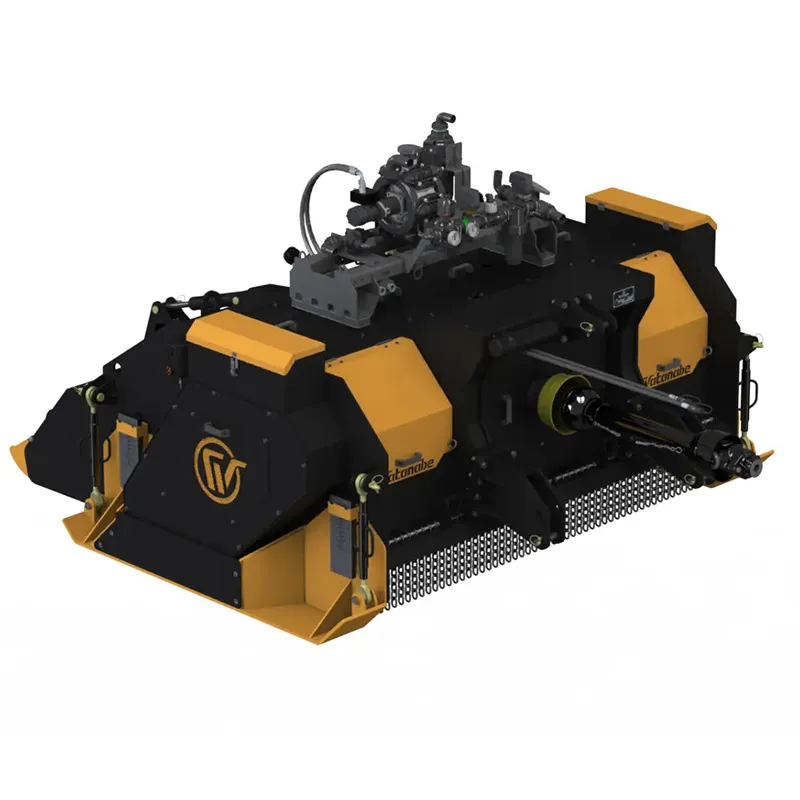
Die wêreldwye vraag na sand en gruis—die primêre komponente van tradisionele konstruksie—is op 'n rekordhoogtepunt, wat lei tot die vinnige uitputting van rivierbeddings en die uitbreiding van vernietigende steengroefbedrywighede. Steengroewe behels dikwels die totale verwydering van bogrond, die vernietiging van plaaslike biodiversiteit en die permanente verandering van geologiese formasies. Die integrasie van 'n grondstabilisatormasjien bied 'n direkte alternatief vir hierdie hulpbrononttrekking. Deur die eienskappe van marginale of "substandaard" inheemse gronde te verbeter, verminder ons die afhanklikheid van ongestoorde gebreekte klip. Hierdie "mineraalbewaring" is 'n hoeksteen van volhoubare grondgebruik. Wanneer die projek 'n ... gebruik. klipbreker In samewerking met 'n stabiliseerder is die omgewingsinergie selfs meer diepgaande, aangesien bestaande gesteentes op die perseel verpoeier en weer in die fondamentlaag opgeneem kan word, wat die behoefte aan eksterne verkryging verder bespaar.
Hierdie benadering transformeer ons siening van "afval"-materiaal. In 'n tradisionele denkwyse is klei-swaar of rotsagtige grond 'n las wat weggegooi moet word. In 'n gestabiliseerde denkwyse is dit 'n waardevolle bate wat ontwerp kan word. Deur steengroefbronne te bewaar, laat ons natuurlike landskappe ongeskonde bly en verminder ons die energie-intensiewe verwerking wat nodig is om maagdelike rots te blaas, te vergruis en te sif. Boonop beteken die langtermynstabiliteit wat deur hierdie masjiene gebied word dat die infrastruktuur langer hou. Wanneer 'n pad of fondament 'n lewensduur van 30 jaar in plaas van 15 het, word die "beliggaamde energie" van daardie projek oor 'n baie langer tydperk versprei, wat die frekwensie van vervanging en die daaropvolgende vraag na nuwe grondstowwe verminder. Hierdie verskuiwing na duursaamheid is 'n fundamentele verskuiwing na ware ekologiese volhoubaarheid in die siviele ingenieurswesesektor.
Beskerming van Grondgesondheid en Hidrologiese Integriteit
Grond is 'n lewende, asemhalende ekosisteem, en tradisionele konstruksiemetodes behandel dit dikwels as 'n dooie gewig. Grootskaalse opgrawings ontwrig die delikate mikrobiese balans van die aarde en kan lei tot ernstige gronderosie en sedimentasie in nabygeleë waterweë. 'n Grondstabilisatormasjien verminder hierdie ontwrigting. Omdat dit in-situ werk, word die vertikale profiel van die land behoue gebly, en die "blootstellingstyd" van los, versteurde grond aan die elemente word aansienlik verminder. Dit voorkom die afloop van sediment in riviere en mere, wat 'n belangrike bron van waterbesoedeling in ontwikkelende streke is. Om te verseker dat die masjien glad kan werk sonder om groot obstruksies te tref wat die grond verder kan ontwrig, word gereedskap soos die ... Rotshark word gebruik om die pad skoon te maak, wat 'n skoon en presiese stabiliseringsproses verseker wat die omliggende terrein respekteer.
Hidrologies kan die stabiliseringsproses aangepas word om die natuurlike dreineringseienskappe van die gebied te handhaaf. Anders as tradisionele ondeurdringbare asfalt- of betonplate wat massiewe afloopprobleme veroorsaak, kan gestabiliseerde grondlae ontwerp word om 'n mate van deurlaatbaarheid te handhaaf indien nodig, of ten minste om 'n konsekwente, nie-erodeerbare basis te bied wat die "pomp" van fyn materiaal in die grondwater voorkom. In landbou-omgewings is dit veral noodsaaklik. 'n Goed gestabiliseerde veldpad verhoed die verdigting van aangrensende vrugbare grond, wat verseker dat swaar masjinerie nie diep groewe skep wat die natuurlike watervloei oor die plaas verander nie. Deur die strukturele integriteit van die grond te handhaaf, verseker ons dat die grond produktief bly en dat die plaaslike watertafel nie besoedel word deur die verslikking en chemiese afloop wat dikwels met swak bestuurde konstruksieterreine geassosieer word nie.
Chemiese Stabilisering en Nie-Giftige Bindmiddelinnovasie
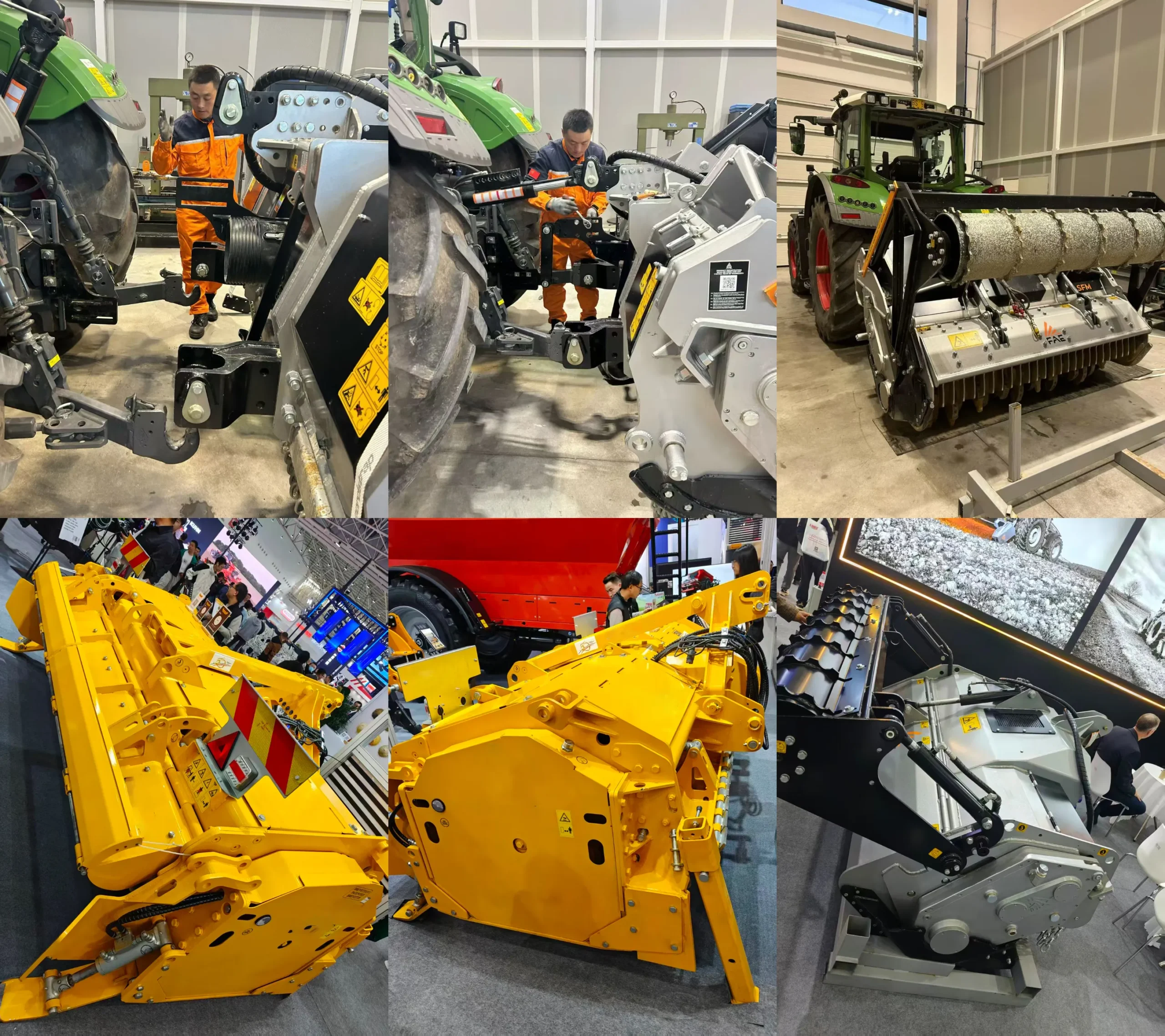
'n Algemene vraag rakende grondstabilisering het betrekking op die bindmiddels wat gebruik word, soos kalk of sement. Alhoewel hierdie hul eie koolstofvoetspore het, is die "netto" omgewingsimpak amper altyd positief as gevolg van die logistieke besparings wat vroeër genoem is. Die bedryf beweeg egter na selfs groener alternatiewe. Moderne grondstabiliseerders is ontwerp om industriële neweprodukte soos vliegas, gemaalde gegranuleerde hoogoondslak (GGBS) en selfs bio-ensieme te hanteer. Deur hierdie industriële afval binne 'n padfondament te "sekwestreer", verhoed ons dat dit stortingsterreine beland of plaaslike ekosisteme besoedel. Die stabiliseermasjien dien as 'n vat vir hierdie sirkulêre ekonomie en omskep die afval van een bedryf in die fondament van 'n ander.
Verder verseker die presisie van moderne stabiliseerdermasjiene dat hierdie bindmiddels met absolute akkuraatheid gemeng word. Oormatige toediening van chemikalieë kan lei tot uitloging, maar die gevorderde meetstelsels op ons stabiliseerders verseker dat die bindmiddel-tot-grond-verhouding geoptimaliseer word vir sterkte sonder oormaat. Dit verhoed die verandering van grond-pH-vlakke in gebiede buite die behandelingsone. Soos ons voortgaan om in "groen chemie" te innoveer, sal die rol van die stabiliseerder net al hoe kritieser word. Die masjien verskaf die meganiese krag wat nodig is om hierdie omgewingsvriendelike bindmiddels te aktiveer, wat bewys dat ons hoëprestasie-infrastruktuur kan bereik sonder om die chemiese gesondheid van ons planeet se kors in gevaar te stel.
Gevallestudie: Ekologiese Padherstel in die Pantanal
Om hierdie voordele in aksie te sien, kan ons kyk na 'n projek in die Pantanal-streek van Brasilië—een van die wêreld se grootste en mees delikate tropiese vleilande. Die uitdaging was om 'n noodsaaklike toegangspad vir ekologiese navorsers en plaaslike gemeenskappe te onderhou sonder om die seisoenale vloedsiklusse of die diverse wildlewe te ontwrig. Tradisionele plaveisel was buite die kwessie as gevolg van die gewig van materiale en die chemiese impak van asfalt. In plaas daarvan is 'n gespesialiseerde grondstabilisator gebruik om die inheemse sanderige kleigrond met 'n lae-impak biobindmiddel te behandel. Hierdie proses het 'n duursame, jaarlikse pad geskep wat die vog van die vleilande kon weerstaan terwyl dit in wese 'n "gewysigde" weergawe van die inheemse aarde bly.
Die resultate was merkwaardig. Die projek het die gebruik van 400 vragmotors ingevoerde gruis vermy, wat na raming 50 ton CO2-uitlatings bespaar het. Omdat die stabiliseerder die natuurlike gradering van die pad bewaar het, is die seisoenale watervloei oor die vleilande nie belemmer nie. Bioloë het opgemerk dat plaaslike fauna, wat dikwels die geraas en reuk van tradisionele konstruksieterreine vermy, nie deur die stabiliseringsproses, wat in 'n fraksie van die tyd voltooi is, afgeskrik is nie. Hierdie gevallestudie toon dat selfs in die sensitiefste omgewingsnisse, die grondstabiliseerdermasjien 'n pad vorentoe bied vir ontwikkeling wat die biologiese kompleksiteit van die land eerbiedig. Dit is 'n bewys van die feit dat ingenieurswese en ekologie in harmonie kan werk wanneer die regte tegnologie met professionele kundigheid toegepas word.
Presisie-ingenieurswese: Van Siviele Werke tot Volhoubare Landbou
Die omgewingsfilosofie van grondstabilisering strek diep in die landbousektor. Dieselfde masjien wat 'n snelwegfondament bou, kan die sleutel tot volhoubare grootskaalse boerdery wees. Byvoorbeeld, in die verbouing van aartappels is grondstruktuur en stabiliteit van die allergrootste belang. As die grond nie behoorlik bestuur word nie, lei dit tot erosie en voedingstofverlies. Terwyl 'n stabiliseerder die infrastruktuur van die plaas voorberei, kan verwante tegnologieë soos die ... aartappelgrawer en die aartappeloesmasjien staatmaak op daardie stabiliteit. 'n Plaas met gestabiliseerde toegangspaaie en opstelgebiede verseker dat die oes vinnig en doeltreffend vervoer kan word, wat die brandstofverbruik van die hele landbouvloot verminder.
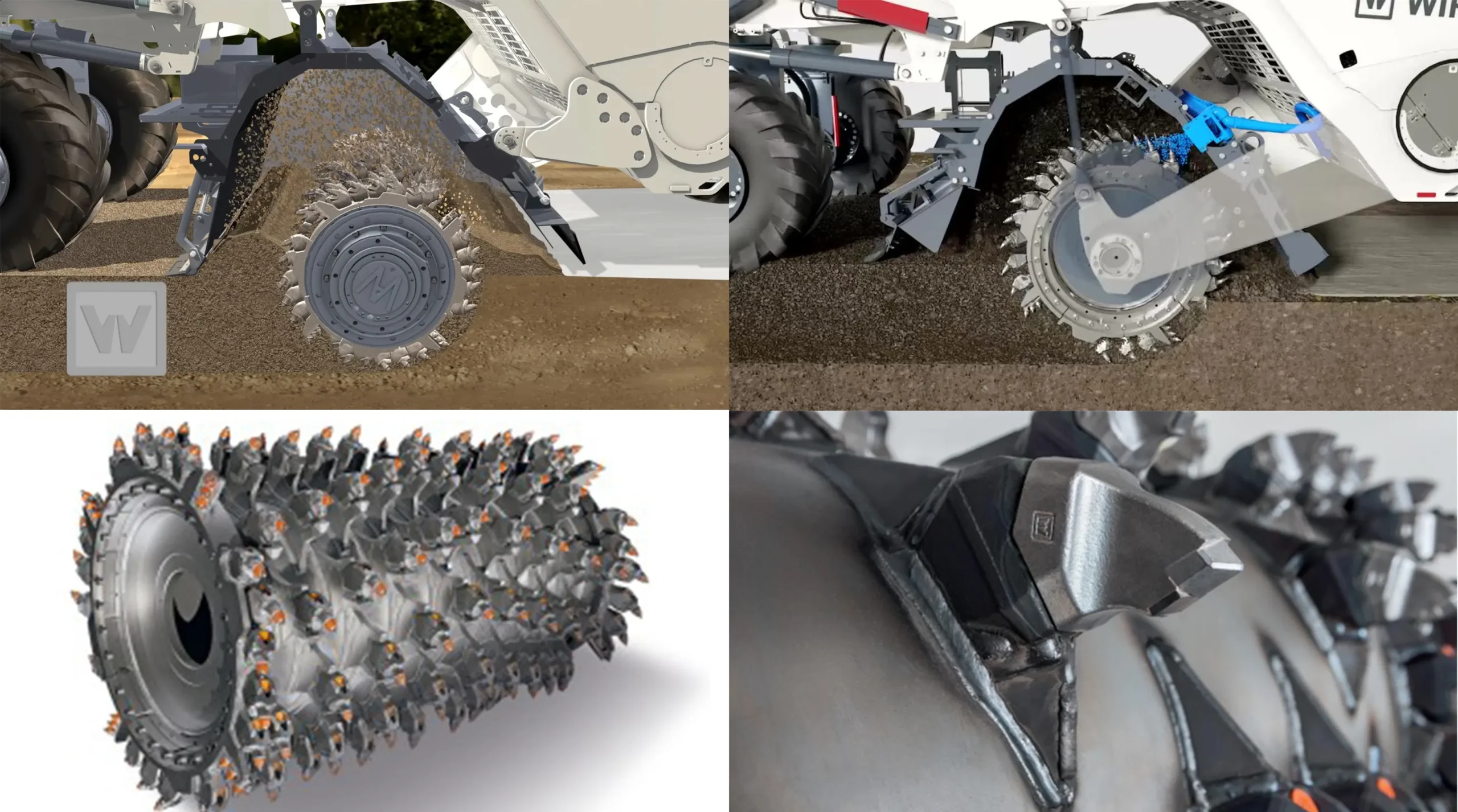
Boonop word die meganiese beginsels van die grondstabiliseerder—verpulvering en homogenisering—weerspieël in gevorderde kultivators en rotavators. Deur te verseker dat die grond behoorlik voorberei word sonder oorbewerking, bewaar ons die grond se organiese materiaal en sy vermoë om koolstof te bind. Volhoubare landbou gaan oor presisie, en die grondstabiliseerdermasjien is die uiteindelike presisie-instrument vir grondbestuur. Of dit nou die voorkoming van grondverdigting in 'n land is of die bou van 'n "groen" aanloopbaan vir 'n lughawe, die doel is om tegnologie te gebruik om die aarde se natuurlike sterkte te verbeter eerder as om dit te oorheers. By Brazil Agricultural Balers Co., Ltd. sien ons hierdie kruisbedryfverbindings as die toekoms van 'n volhoubare wêreld, waar elke beweging van 'n masjien 'n stap is na 'n skoner, meer veerkragtige planeet.
Die Langtermynvisie: Nul-Afval Konstruksie
Die uiteindelike omgewingsvoordeel van die grondstabilisatormasjien is die rol daarvan in die "Zero-Waste"-konstruksiebeweging. In hierdie visie bestaan daar nie so iets soos "slegte grond" nie. Daar is slegs materiaal wat nog nie gestabiliseer is nie. Deur die konsep van afval uit ons konstruksiewoordeskat te verwyder, stop ons die siklus van storting en die vernietiging van ongerepte habitatte. Ons beweeg na 'n wêreld waar infrastruktuur gebou word met die aarde waarop dit staan, wat 'n naatlose integrasie tussen die beboude omgewing en die natuurlike wêreld skep. Dit is nie 'n futuristiese droom nie; dit is die werklikheid wat moontlik gemaak word deur vandag se grondstabilisatortegnologie. Deur hierdie masjiene te kies, maak ontwikkelaars 'n bewuste keuse om die planeet te prioritiseer en te verseker dat die fondamente van ons samelewing so groen is soos die wêreld wat hulle ondersteun.
Oor Brasilië Landboubalers Maatskappy Bpk.
By Brasilië Landboubalpers Maatskappy, Bpk., ons is pioniers in die ontwerp en vervaardiging van hoëprestasie-masjinerie wat voldoen aan die dubbele eise van industriële krag en ekologiese verantwoordelikheid. Gebaseer in Brasilië, bedien ons 'n globale mark met toerusting wat gebou is om te hou in die mees uitdagende toestande. Ons ingenieurspan is toegewy aan voortdurende innovasie, wat verseker dat ons produkte aan die voorpunt van die groen rewolusie in konstruksie en landbou is.
Ons omvattende produkreeks sluit in:
- Grondstabilisatormasjiene
- Steenbrekers
- Klipharke en Klipplukkers
- Rotavators en Roterende Kultivators
- Aartappelploegmasjiene en -planters
- Aartappelgrawers en -oesmasjiene
- Kunsmis- en Komposskure
Ons is daartoe verbind om ons kliënte van meer as net masjiene te voorsien; ons bied die kundigheid om 'n volhoubare toekoms te bou. Ons tegnologie is ontwerp om hulpbronne te optimaliseer, koolstofvoetspore te verminder en die produktiwiteit van die grond te verbeter. Ontdek hoe ons gevorderde ingenieurswese u volgende projek kan transformeer deur ons volledige katalogus van swaardiensoplossings te verken.